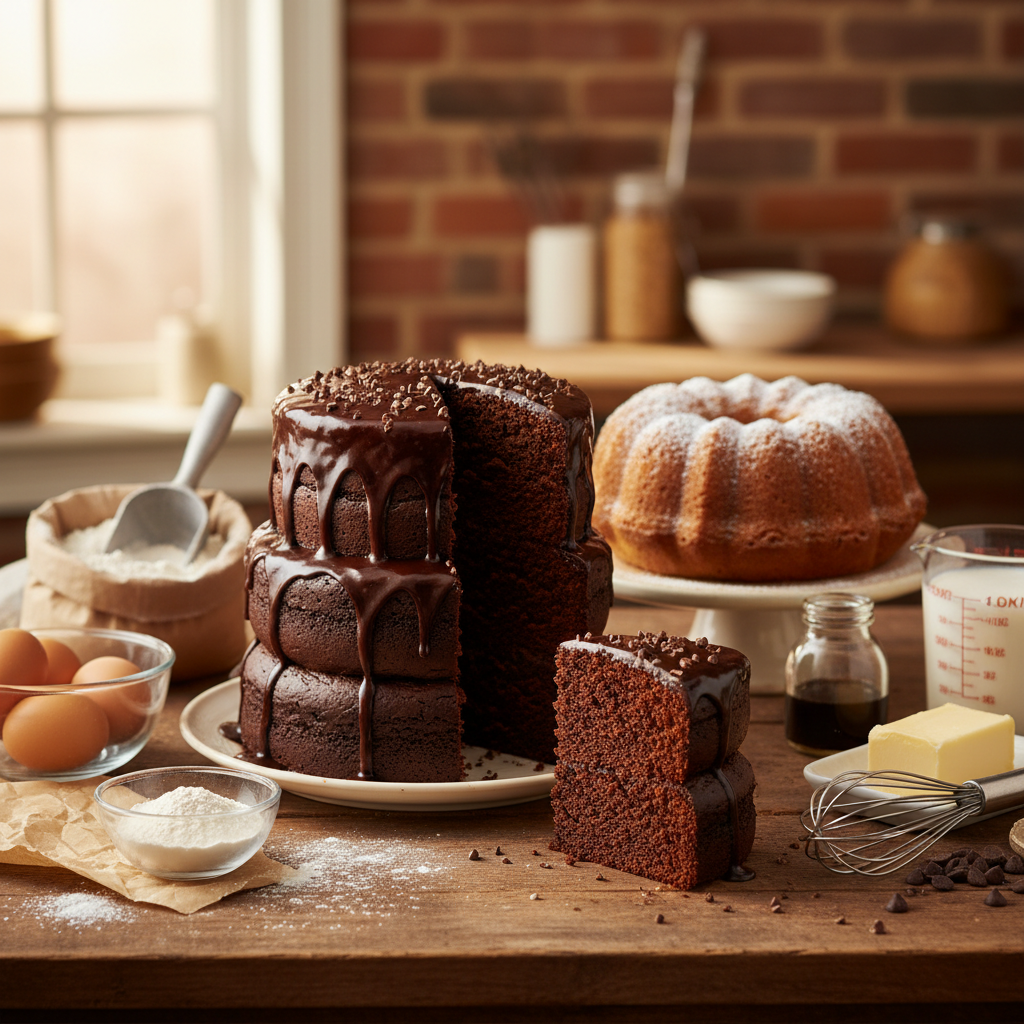
10 Essential Tips for Baking Moist and Delectable Cakes Every Time
Baking a cake may seem like a straightforward task, but achieving moist and delectable results often requires a bit more finesse and attention to detail. So, whether you’re preparing a simple vanilla sponge for a family gathering or a multi-layer chocolate cake for an extravagant celebration, there are essential techniques that can make or break your baking efforts. Let’s dive into these tips that not only elevate your cake baking game but also impart valuable skills for all your future culinary endeavors. Home bakers striving for success can benefit greatly from these insights, transforming the humble act of cake baking into an art form.
The most common complaint among home bakers is that their cakes often turn out dry, overly crumbly, or unappetizing in texture. The cake’s dryness can stem from various factors, including the type of flour used, overmixing the batter, or improper baking temperatures. Understanding the science behind these essential components is crucial for turning out perfect cakes time after time. Remember, cake baking is not just about following a recipe; it is equally about understanding ingredients, techniques, and how they interact with one another.
In this comprehensive guide, we will explore ten essential tips that promise to revitalize your cake baking. Each tip is underpinned by the wisdom of professional bakers, ensuring you not only craft fluffy and moist cakes but also gain a deeper appreciation for the culinary arts. From picking the right pan to tweaking baking temperatures and understanding the roles of specific ingredients in your cake batter, we will cover a breadth of information to make your baking journey enjoyable and rewarding. So roll up your sleeves and let’s get started on your quest for cake perfection!
1. The Right Ingredients Matter
Understanding Your Ingredients
The foundation of any great cake starts with high-quality ingredients. While it may seem trivial, the choice between ordinary pantry staples and premium products can significantly impact your cake's flavor and texture. For example, when it comes to flour, choosing a quality all-purpose flour can make all the difference. Professional bakers often recommend cake flour for cakes, as it has a lower protein content, resulting in a softer crumb.
Likewise, the freshness of your baking powder and soda is critical. These leavening agents are responsible for the cake’s rise; if they're old or expired, your cake will likely turn out flat. Therefore:
Fats and Their Role
Another component not to overlook is the type of fat used in your recipe. Butter, oil, and margarine all behave differently in baking; butter adds flavor and solidifies upon cooling, while oil tends to produce a more moist cake. For a balance of flavor and moisture, many professional bakers recommend using a combination of butter and oil in your cake batter.
Additionally, consider other fats such as sour cream or Greek yogurt, as they can enhance moisture levels while adding a slight tanginess to the cake.
"The right fat can take your cake from ordinary to extraordinary, infusing it with flavor and moisture."
2. Measure Accurately
The Importance of Precision
When baking, measuring ingredients accurately is non-negotiable. Unlike other forms of cooking, baking is a precise science where each ingredient's proportion affects the outcome. Using a kitchen scale is an excellent way to ensure that you're measuring accurately. For those who prefer volume measurements, here are some important guidelines:
Techniques for Proper Measurement
To measure flour correctly, consider using the spoon and level method. This involves spooning the flour into your measuring cup without packing it down and leveling it off with a knife. Following these steps will help prevent excess flour from entering your batter, which can lead to dense cakes.
Investing time to recalibrate your measuring techniques is well worth the effort; it could be the difference between a successful cake and a kitchen disaster.
3. Room Temperature Ingredients
Why Temperature Matters
Most cake recipes call for room temperature ingredients like eggs, butter, and milk. This is not just a suggestion—it significantly affects the batter's texture and the cake's overall outcome. When these ingredients are warmed to a similar temperature, they emulsify more effectively, creating a smoother, more uniform batter.
Getting the Right Temperature
To achieve room temperature ingredients quickly, consider these tips:
"Taking the extra step to bring your ingredients to room temperature is an incredibly easy way to elevate your cakes."
4. Don’t Overmix the Batter
The Dangers of Overmixing
Overmixing the batter can lead to a dense and rubbery cake due to overdeveloped gluten. While some recipes may require a bit of mixing to ensure everything is well combined, it’s essential to stop as soon as you see no dry flour.
Proper Mixing Techniques
By embracing gentle mixing practices, you can ensure your cakes remain light and airy, maintaining that desirable texture we all love.
5. Baking Temperature and Time
Knowing Your Oven
Baking is heavily dependent on temperature. Always preheat your oven to the temperature specified in your recipe. Utilizing an oven thermometer can ensure that your oven is operating at the correct temperature since many consumer ovens can be off by as much as 25 degrees Fahrenheit.
Adjusting for Different Bakeware
Baking times and temperatures may vary depending on the type of bakeware used. For instance, cakes baked in glass pans can bake faster than those in metal pans. As a rule of thumb:
"The temperature at which you bake can alter the very chemistry of your cake batter, affecting both rise and flavor."
Testing for Doneness
To check if your cake is done, insert a toothpick into the center. If it comes out clean or with only a few crumbs attached, your cake is ready. Remember to avoid opening the oven door too often, as this can cause temperature fluctuations and impact your cake’s rise.
6. Cake Pans and Preparation
Choosing the Right Pan
The type of cake pan you select can influence the texture and baking time of your cake. Key points to consider include:
Preparing Your Cake Pans
Properly preparing your cake pans ensures your cake releases easily after baking:
By taking these steps, you'll minimize frustrations when it comes to flipping cakes out of their pans.
7. Flavor Infusions
Adding Flavor
Baking is an opportunity to express creativity through flavors. Beyond standard vanilla or chocolate bases, consider diversifying your flavor profile by adding extracts, zest, or spices. Here’s how:
Balancing Flavors
When flavoring your cake, remember to balance the sweetness. A little bit of salt can heighten the sweetness of baked goods.
"Embrace the opportunity to experiment with flavors—each small addition can transform a cake into a unique culinary experience."
8. Assembling and Layering Cakes
Tips for Even Layering
If you’re crafting a layered cake, achieving even layers is crucial for both aesthetics and taste. Use a kitchen scale to measure your batter into each pan evenly. Alternatively, divide your batter by eye, but keep in mind that even cakes are more visually appealing and provide better structural integrity.
Stacking Techniques
If you’re working with dense cakes, it may be helpful to refrigerate the layers for a bit before stacking, as this makes them easier to handle.
9. Perfecting Frosting Techniques
Choosing the Right Frosting
The frosting you choose can either elevate or detract from your cake. Common frostings include:
Frosting Methodology
Proper frosting techniques not only improve appearance but can also reinforce moisture retention in your cake.
10. Storing Your Cake
Best Practices for Freshness
Storing your cake correctly is key to preserving its moisture and flavors. Here are some recommendations:
Mind the Temperature
Avoid exposing cakes to fluctuating temperatures, as this can lead to condensation, making them soggy. Keep cakes away from direct sunlight or areas with humidity.
"Proper storage is just as important as the baking process; it ensures that all your hard work doesn't go to waste."
Conclusion
Baking moist and delectable cakes is an art that combines precision, knowledge, and a sprinkle of creativity. By following these 10 essential tips, you'll not only ensure your cakes are consistently delicious but also gain confidence in your baking skills. From selecting the right ingredients to mastering the perfect frosting technique, every step contributes to an exceptional cake. As you incorporate these strategies, remember that practice makes perfect. Don’t hesitate to experiment with flavors and techniques—it's through this exploration that you'll discover your unique baking style.
May your future cake endeavors be delightful, moist, and bursting with flavor! Enjoy every moment, savor the sweetness, and most importantly, blame the chef when you find yourself enamored with your delicious creations. Happy baking!
Get the Next Recipe
Weekly recipes, techniques, and gear picks — straight to your inbox.
