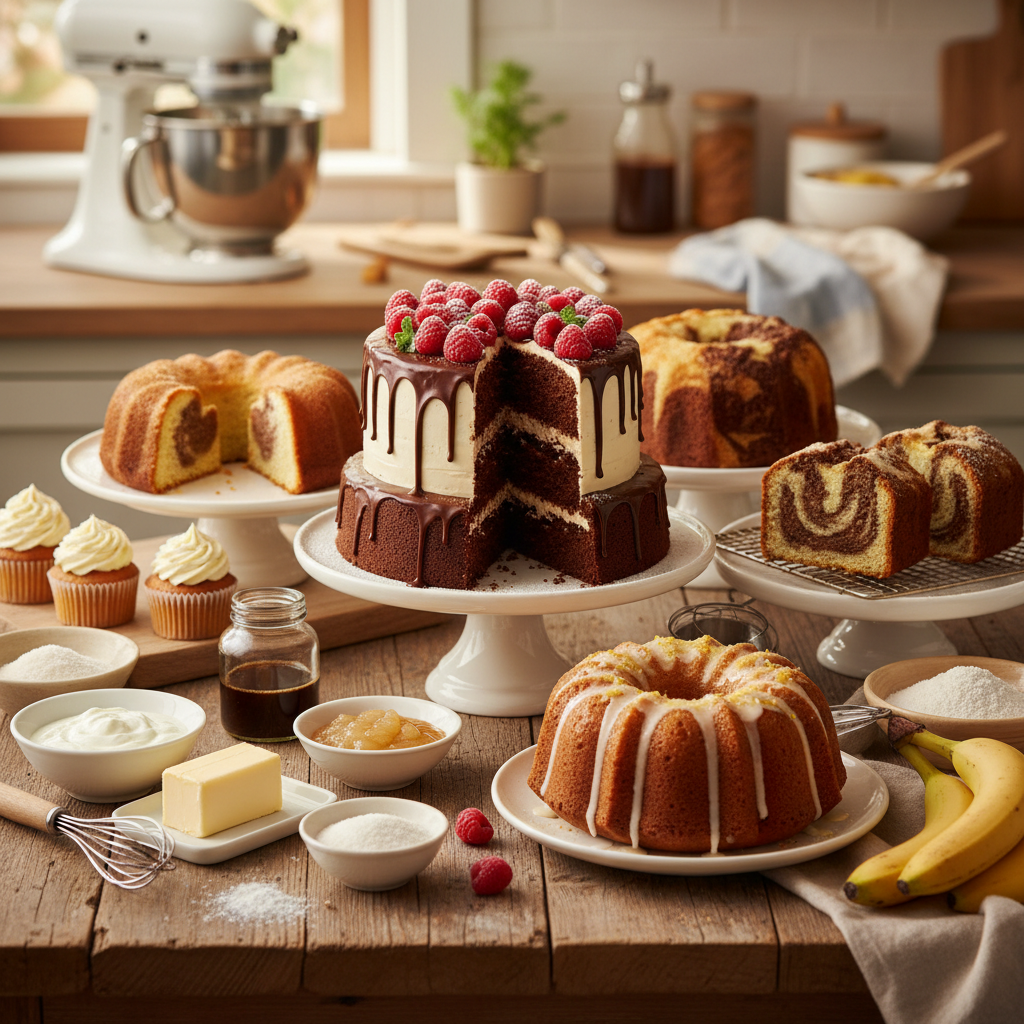
10 Must-Try Baking Hacks for Perfectly Moist and Delicious Cakes Every Time
When it comes to baking cakes, moisture is the holy grail every passionate baker aims to achieve. An exquisitely crafted cake combines the perfect ratio of ingredients, meticulous techniques, and a few culinary hacks that elevate it from ordinary to extraordinary. The aftermath of a baking spree often involves a meticulous dance of flour, sugar, and raw eggs all yearning for transformation, and yet, the quest for moisture can feel elusive. Whether you're crafting a classic vanilla sponge or an elaborate layered confection, understanding how to keep your cake moist and delicious is essential.
A cake that is dry or crumbly can lead to disappointed faces around the dining table—something no one wants. Fortunately, the world of baking is filled with little-known tips that provide substantial benefits. From selecting the right type of flour to understanding how the baking process affects moisture retention, every nuance counts. With the right knowledge and skills, even the simplest ingredients can come together to create glorious cakes that boast both flavor and texture. So, grab your mixing bowls and apron; let's explore some amazing baking hacks that will ensure your cakes turn out perfectly moist every time.
Home baking is often seen as a daunting task, but with the right guidance and techniques, it can become an enjoyable and rewarding experience. As you navigate through these tried-and-true hacks, you'll not only learn how to perfect your baking techniques but also build confidence in your culinary abilities. Each hack has been drawn from professional kitchen insights, giving you the edge you need to impress family and friends with your delicious cake creations.
Understanding Ingredients: The Foundation of Moisture
The Role of Flour
When it comes to baking cakes, the type of flour you choose can significantly impact the moisture content. Most cake recipes call for all-purpose flour, but there are times when specialty flours can yield better results. For instance, cake flour contains a lower protein content compared to all-purpose flour, which means it can create lighter and fluffier cakes.
Consider using cake flour for delicate pastries like angel food cake or chiffon cake. Alternatively, for richer cakes like pound cake, a blend of all-purpose and cake flour can provide a robust texture while still keeping it moist.
The Importance of Sugar
Sugar is more than just a sweetener; it plays an essential role in the texture and moisture of cakes. It acts not only to sweeten but also to tenderize and retain moisture. For every cup of sugar in your recipe, consider using an additional tablespoon of liquid. This small adjustment can intensify the cake's moisture level.
Furthermore, brown sugar contains molasses, which helps draw in moisture, making it an excellent choice for cakes. Substitute white sugar with brown sugar for a deliciously moist result. For instance, when making a chocolate cake, swapping half of the granulated sugar with brown sugar can add depth of flavor and moisture.
Eggs: The Liquid Gold
Eggs are another critical ingredient for achieving moist cakes. They contribute richness and stability, but their size and freshness matter as well. Ensure you’re using large eggs, and consider using room-temperature eggs instead of cold eggs straight from the fridge. Room-temperature eggs emulsify better, leading to a well-blended batter that results in a moist and fluffy texture.
Some bakers swear by an additional egg yolk or two to enrich the batter. The yolks add fat and moisture, creating a denser cake with a luxurious mouthfeel. When a recipe calls for egg whites, reserve the yolks for other uses, but don’t hesitate to add extra yolks to your batter.
"The secret to moist cakes lies beyond the mixer; it’s in selecting the right combination of ingredients."
Liquid Ingredients: Adding Moisture Where It Counts
Choosing the Right Liquids
What goes into your cake batter isn’t just about dry ingredients. The choice of liquid ingredients is equally crucial. Different liquids bring unique flavors and contribute to moisture in distinct ways. Common options include:
When looking to amplify moisture, consider adding a tablespoon or two of liquid for every cup of dry ingredient in your recipe. This adjustment can ensure that your cake remains moist even after baking.
The Magic of Oil and Butter
The debate surrounding using oil versus butter is perennial in baking circles. Butter provides flavor, but oil retains moisture better because it remains liquid at room temperature. For a truly moist cake, you might want to experiment with using a combination of both. Depending on your recipe, try substituting half of your butter with oil or replace all the butter with oil entirely to see how it affects the texture.
For example, a classic vanilla cake made with half oil can still maintain that buttery flavor while significantly improving moisture retention. A cake made with vegetable oil often has a longer shelf life because it's less likely to dry out.
Incorporating Fruits and Purees
Incorporating fruits or purees into your batter is another predictably delicious way to amp up moisture content. Cake recipes that call for fruit, such as bananas or applesauce, can lead to a moist end product. For instance, a banana bread made with pureed bananas will invariably be juicier and denser than one made without.
Fruit purees not only help retain moisture but also bring additional flavors and nutrients to your cake. When substituting fruit puree, use it in place of some or all of the fats needed. For example, using 1/2 cup of applesauce can replace 1/2 cup of oil in a recipe.
Mixing Techniques: The Art of Incorporation
Creaming Method vs. One-Bowl Method
How you mix your ingredients impacts the final texture of your cake. The creaming method involves beating the fat (butter or oil) with sugar until fluffy before adding eggs and dry ingredients. This method incorporates air into the batter, resulting in a light cake.
On the other hand, the one-bowl method combines all ingredients at once, simplifying the process while still yielding moist results, particularly in denser cakes like pound cakes. When utilizing this method, be careful not to overmix, as excessive mixing can lead to tough cakes.
The Role of Mixing Time
The time you take to mix your batter matters. Overmixing can result in excess gluten formation, resulting in a dense and dry cake. Aim to mix just until combined, especially when incorporating flour. A good rule of thumb is to mix dry and wet ingredients separately before gently folding them together.
In addition to overmixing, ensure your ingredients are uniformly combined. If the batter is uneven, certain parts may bake differently, leading to dry or gummy textures. Always check your batter for lumps and inconsistencies before transferring it to the baking pan.
"Mix gently; your cake deserves the tender touch of a loving baker."
Final Word on Incorporation
Regardless of the mixing method you choose, avoiding excessive agitation is vital. When adding flour, ensure you fold it in gently and do not rely solely on machine mixing. Using a rubber spatula to incorporate ingredients allows you to control the mixing and helps prevent overworking the batter.
The Science of Temperature: Getting It Just Right
Oven Temperature: A Baker's Best Friend
Baking is a delicate balance of temperature, which can greatly affect the moisture of your cake. Always ensure your oven is preheated to the correct temperature before you start. Most cakes require a temperature range of 325°F to 350°F (165°C - 180°C) for optimal baking.
Using an oven thermometer can help avoid discrepancies between the actual and displayed temperature. The goal is to have the cake bake slowly enough that it retains moisture but not so slowly that it collapses.
Cooling Cakes Properly
Once your cake is baked to perfection, cooling it properly is equally essential for moisture retention. Allowing the cake to cool in the pan for about 10-15 minutes before transferring it to a wire rack helps prevent it from drying out. If you remove it too quickly, the cake may stick to the pan and break apart, leading to further moisture loss.
For cakes that have layers, consider wrapping the layers in plastic wrap and refrigerating them for at least an hour before frosting. This technique traps steam, allowing the cake to absorb moisture and stay fresh. When ready to frost, take them out and frost while still slightly chilled for easy handling.
Frosting and Filling: The Final Touch
Choosing Moisture-Rich Frosting
A cake isn't complete until it’s frosted! The right frosting can add more than just visual appeal; it can significantly impact moisture. Cream cheese or whipped cream frostings tend to have a higher water content, adding moisture and richness to the cake itself.
If you find a frosting too stiff, consider incorporating a little milk or cream cheese until it reaches your desired consistency. Just be cautious not to go overboard, or you may end up with an overly runny frosting.
Layering for Extra Moisture
When creating layered cakes, an excellent way to add moisture is by using simple syrup. This mixture of sugar and water (or additional flavors like vanilla or citrus) can be brushed on each layer before adding the frosting. It adds a delightful sweetness while locking in moisture.
To make a basic simple syrup, simmer equal parts sugar and water until the sugar dissolves, allowing it to cool before use. You can infuse flavors by adding herbs or citrus zest during simmering, leaving you with customized flavor options that can complement the cake.
Incorporate Fillings
Incorporating fillings between layers can also enhance moisture. Traditional fillings such as fruit compotes or curds not only add flavor but also enhance moisture. Consider a lemon curd filling for a bright cake or chocolate ganache for a rich, decadent treat. Whichever filling you choose, make sure your cakes are completely cooled before assembling to avoid melting.
Storage: Ensuring Moisture Lasts
Proper Storage Techniques
After you’ve painstakingly baked and decorated your cake, you want to ensure it stays fresh and moist for as long as possible. The way you store your cake makes a significant difference in its shelf life.
Reviving a Dry Cake
If you ever find yourself facing a cake that’s turned out drier than you intended, don’t lose hope! There’s a simple solution: add moisture. You can brush the surface lightly with milk or syrup to rejuvenate it.
Another tip is to serve it with homemade whipped cream or a scoop of ice cream, both of which add moisture and flavor that will mask dryness. Some bakers even layer cakes with a simple syrup soak in between layers to ensure all parts are delightfully moist.
"A cake isn’t just a dessert; it’s a memory in the making."
Final Thoughts
Baking the perfect moist cake is a science teeming with artistry. By embracing the essential techniques and hacks discussed here, you can ensure that your cakes remain moist, tender, and utterly delightful every time you step into the kitchen. Remember, mastering moisture in cakes is about understanding the interplay between ingredients, techniques, temperature, and storage.
Embrace these tips, experiment with them in your baking adventures, and witness the transformation of your cakes. Whether it's a special occasion or a simple Sunday treat, you now have the tools to create cakes that will have everyone asking for seconds and thirds, ensuring you always “Blame The Chef” — that’s you! Happy baking!

Get the Next Recipe
Weekly recipes, techniques, and gear picks — straight to your inbox.
