
5 Essential Knife Skills Every Home Cook Should Master
Every home cook knows that a well-sharpened knife is one of the most essential tools in the kitchen. While it's easy to grab a knife and start chopping, mastering proper knife skills elevates both the quality of your cooking and the pleasure you derive from it. Whether you're slicing through a fresh tomato, dicing an onion, or julienning vegetables, having the right skills at your fingertips changes everything. Not only does it make the cooking process smoother, but it also enhances the presentation of your dishes, making them look as delightful as they taste.
Having the confidence to handle kitchen knives properly is a crucial part of culinary education. With so many styles, sizes, and brands of knives available, deciding how to use them effectively can feel overwhelming. Yet, these foundational skills are not just for professional chefs; they are vital for every home cook aspiring to impress family and friends with their culinary creations. A reliable knife can become an extension of your hand, allowing you to execute precise cuts with ease, speed, and, importantly, safety.
In this post, we will delve into five essential knife skills that every home cook should master. Each skill is accompanied by practical tips, techniques, and even common mistakes to avoid. Equip yourself with the know-how to turn your kitchen into a more efficient, safe, and enjoyable place to prepare meals. Let's get started on this culinary journey to knife mastery!
The Importance of Knife Skills in Cooking
Why Knife Skills Matter
Understanding how to handle your knives properly allows for better food preparation, improved safety, and a more enjoyable cooking experience. Proper knife skills can significantly influence the texture and cooking time of ingredients. For instance, uniformly diced vegetables cook evenly and enhance the overall presentation of a dish. Additionally, mastering these essential skills can spark your culinary creativity, enabling you to experiment with different cutting techniques and ingredients.
Using appropriate knife skills not only elevates your cooking but also minimizes risks associated with improper handling. An unsteady hand or a poorly executed cut can lead to injuries. By investing the time to learn these essential techniques, you create a safer cooking environment for yourself and your loved ones. Strong knife skills contribute to a more efficient workflow, allowing you to enjoy the cooking process rather than feel hindered by frustrating mishaps.
The Right Tools Make a Difference
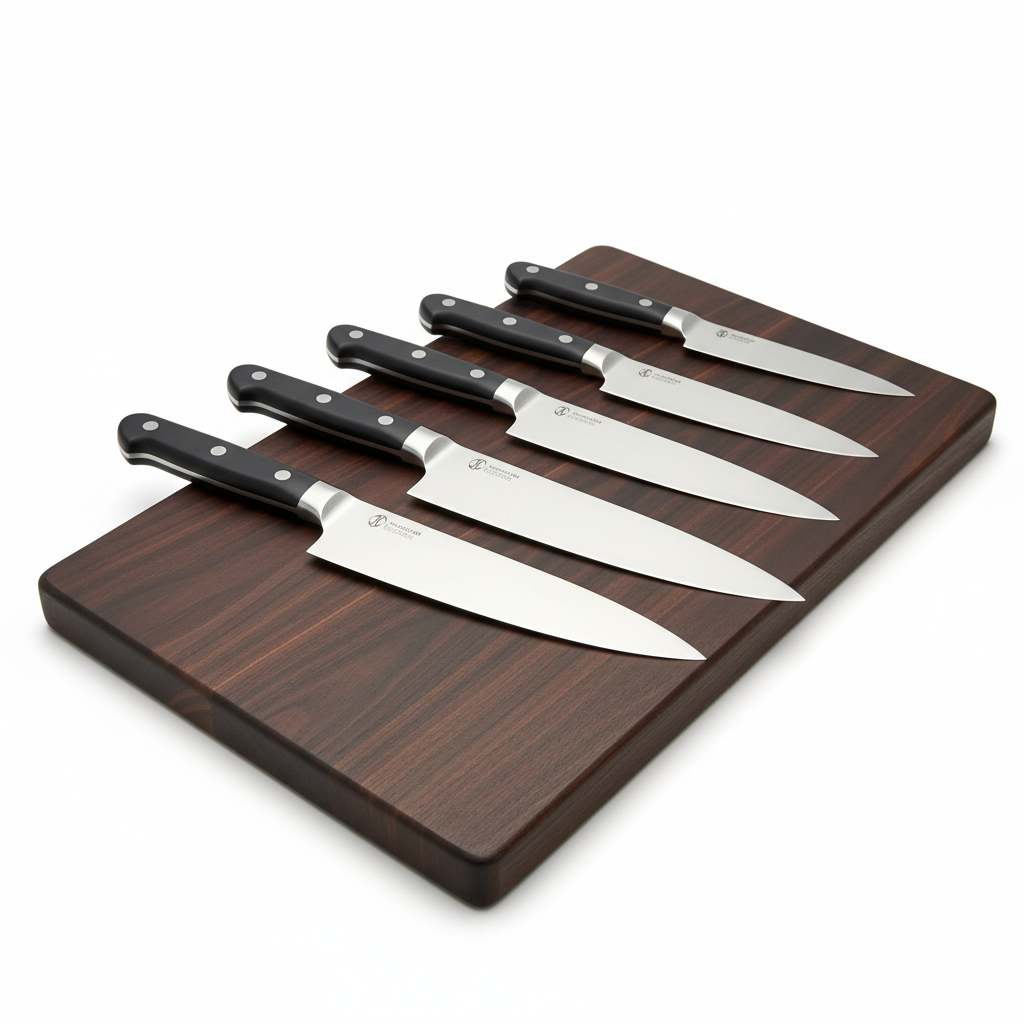
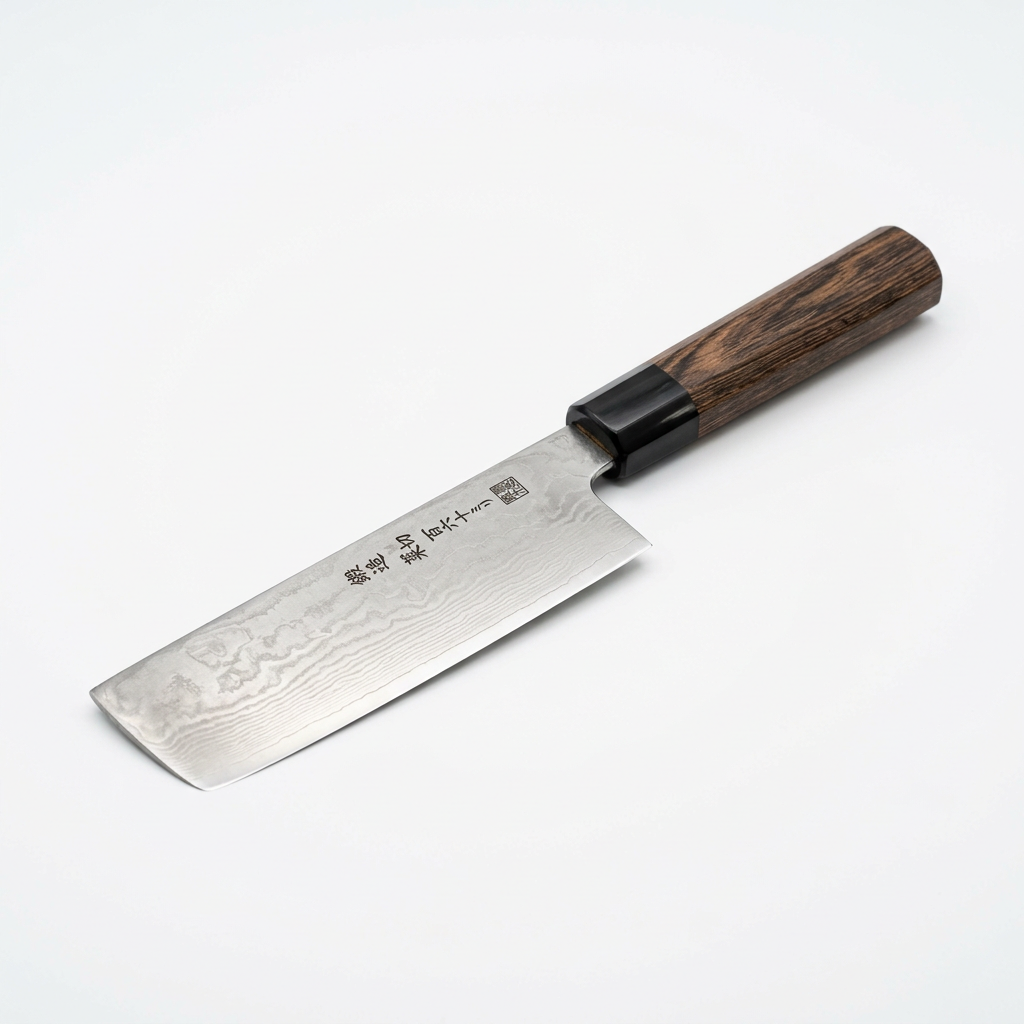
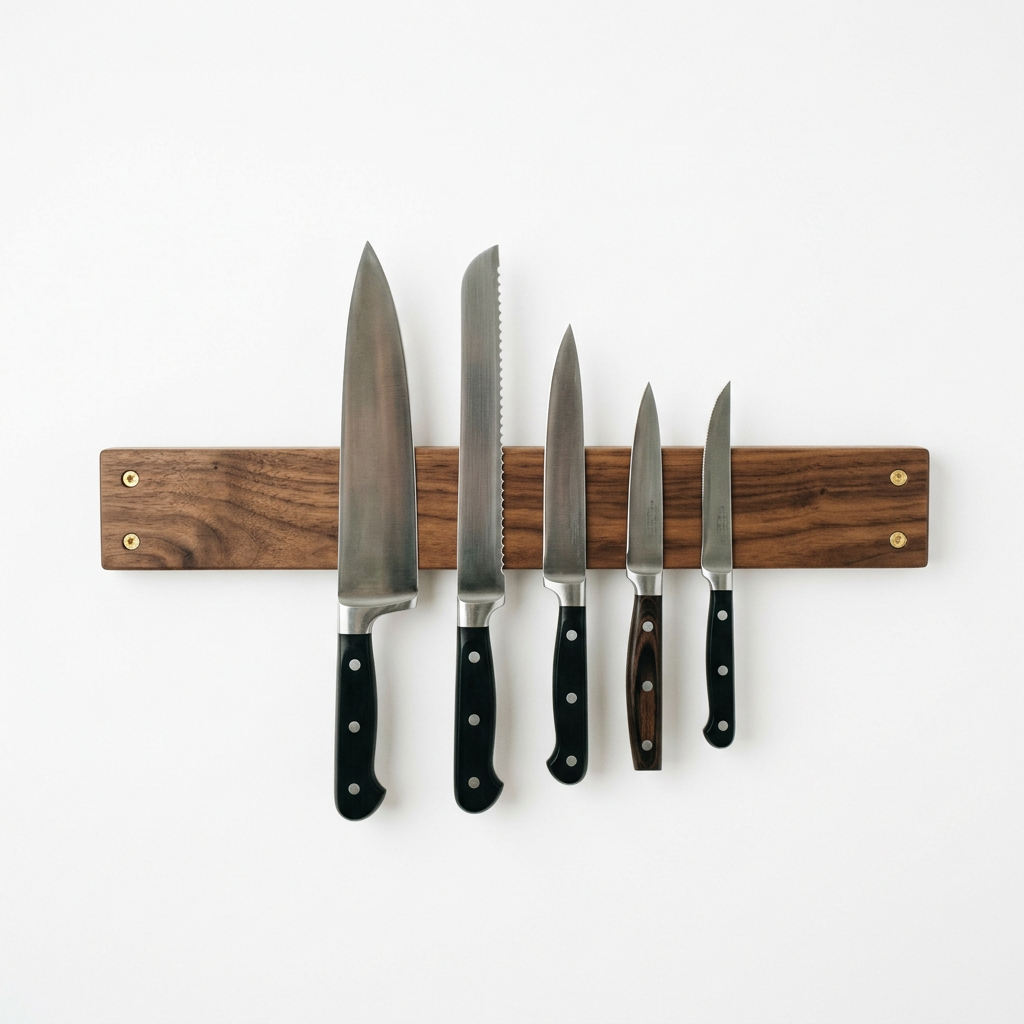
Before diving into the specific knife skills, it's important to invest in a quality set of knives. While you don't need every single type of knife available, certain essential ones are foundational. At a minimum, consider having the following:
In addition to the knives themselves, make sure to have a sturdy cutting board—preferably made from wood or plastic. Keeping your knives sharp is equally vital; a dull knife not only makes cutting more difficult but increases the risk of accidents. Regular maintenance should include honing your knife before each use and occasional sharpening when necessary.
A Focus on Safety
Knife safety is paramount in any culinary setting. As you progress through various skills, keep these fundamental safety tips in mind:
With these foundational elements set in place, you're ready to dive into the specific knife skills that will transform your home cooking experience!
Skill #1: The Chop
Chopping is one of the most fundamental knife skills every cook should master. It serves as the building block for a multitude of dishes, allowing you to prepare vegetables, herbs, and more with precision and speed.
The Technique of Chopping
To chop effectively, start with your chef's knife. Here’s a step-by-step guide to the chopping technique:
Common Mistakes When Chopping
Identifying and avoiding common mistakes can make a world of difference. Many novice cooks tend to:
Remember, practice makes perfect. Over time, your chopping skills will improve, allowing you to work efficiently while preparing your favorite dishes.
"Knife skills are the foundation of cooking; without them, your culinary creations won’t reach their full potential."
Skill #2: Dicing
Dicing is a more advanced technique that requires precision, especially when working with uniformity and size. This skill is particularly useful for ingredients that will be cooked together, such as making a mirepoix or preparing salsas.
The Dicing Procedure
To master dicing, follow these steps:
Tips for Perfect Dicing
When dicing, focus on achieving uniformity in size. Consistent diced pieces will cook more evenly and look more appealing in your dish. Here are additional tips:
"Dicing ingredients helps enhance the textures in your dishes and ensures an even cooking time."
Skill #3: Julienne
Julienne cutting is a technique used to create thin, matchstick-like strips of food, ideal for salads, stir-fries, and garnishes. The precision of this cut enhances both presentation and texture in your dishes.
The Julienne Technique
Here’s how to julienne effectively:
Importance of Consistency
Consistency is key when julienning. Uniform pieces not only enhance presentation but also ensure even cooking during stir-frying or baking.
"Julienne cuts provide a delightful texture and visual appeal, inviting diners to appreciate your craft in the kitchen."
Skill #4: Mincing
Mincing is a technique used for finely chopping ingredients, often used for garlic, herbs, or onions to release their full flavors. This skill is essential for developing the aromatic base of many dishes.
The Mincing Method
Here’s how to achieve the perfect mince:
Tips for Effective Mincing
Perfecting your mincing technique will enhance your culinary endeavors, creating aromatic bases that elevate the flavor profiles of your dishes.
Skill #5: Slicing
Slicing is a versatile technique used for various foods, including meats, cheeses, and breads. The ability to slice well is essential for preparing elegant presentations and even cooking times.
The Slicing Technique
Slicing Tips
Slicing is a skill that improves over time, leading to well-presented meals and efficiently prepared dishes, making your culinary creations easier to enjoy.
"Slicing with precision creates an inviting plate and transforms simple dishes into culinary masterpieces."
Conclusion
Mastering knife skills is a significant step towards becoming a more confident and efficient home cook. These five essential techniques—chopping, dicing, julienne, mincing, and slicing—are not only foundational but transformative. Investing time in practice ensures that your culinary journey is both pleasurable and successful, allowing you to create dishes that are beautiful, delicious, and expertly executed.
With the tips and techniques acquired in this post, you are well on your way to becoming a knife skills master in your kitchen. Keep practicing, pay attention to your technique, and most importantly, enjoy the process of cooking. Each slice, chop, and dice brings you closer to mastering the culinary arts, turning your cooking endeavors into delicious experiences that you can share with friends and family.
Now, equip yourself with these essential knife skills and unleash your culinary potential! Happy cooking, and remember: with every meal prepared, you're honing your craft and making memories in the kitchen.

Get the Next Recipe
Weekly recipes, techniques, and gear picks — straight to your inbox.
