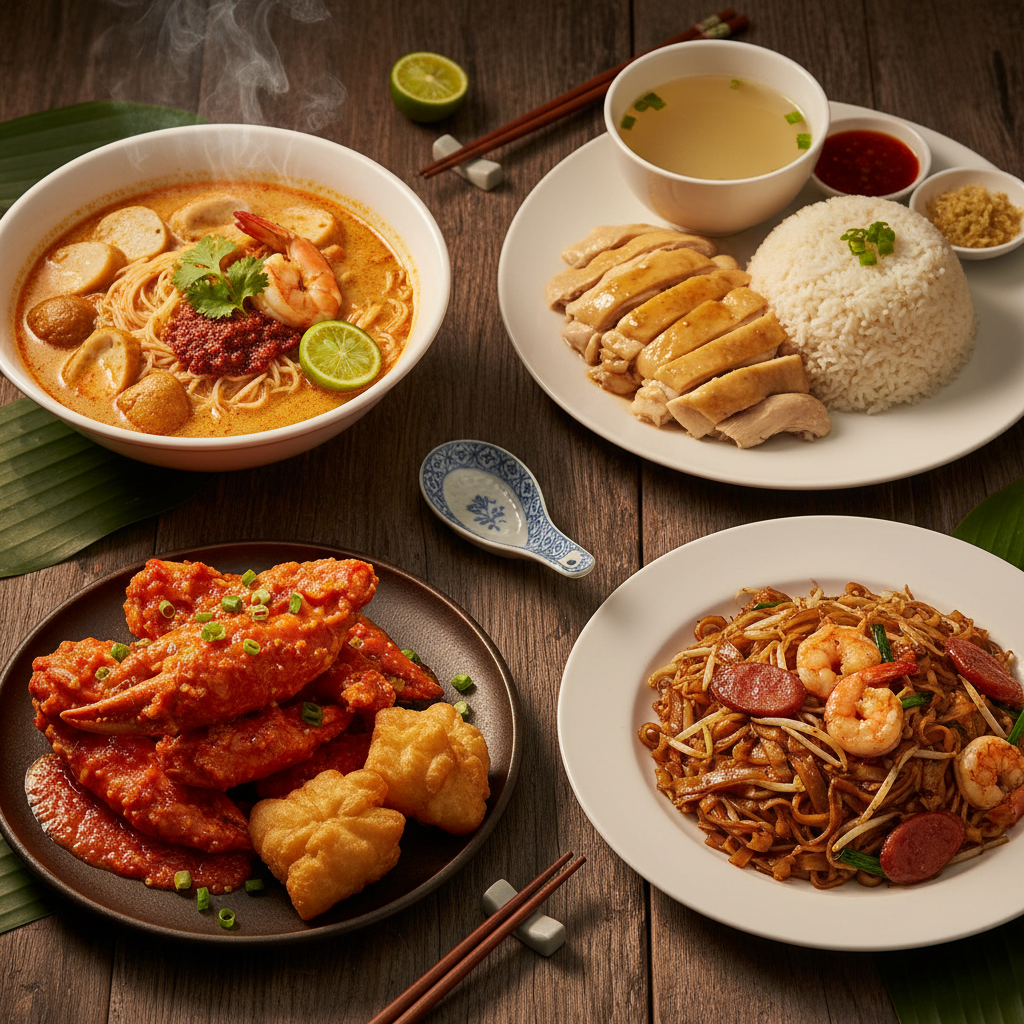
Singapore, a dazzling metropolis where cultures converge and culinary traditions collide, offers an extraordinary array of flavors that reflect its rich heritage. As you stroll through the bustling streets, you're greeted by the enticing aromas wafting from hawker stalls and restaurants alike, enticing locals and visitors with tantalizing dishes. The food culture here is synonymous with the city itself, embodying the fusion of Malay, Chinese, and Indian influences, alongside flavors from other communities, creating a food scene that is as dynamic as it is delicious.
The vibrant culinary landscape of Singapore is not just about eating; it’s an experience that tells stories of migration, adaptation, and celebration. Hawker centers, with their casual dining atmosphere and diverse range of dishes, are the heart and soul of Singapore's culinary journey. They simultaneously serve as a social hub where people from various walks of life share a meal, bridging communities through food. Whether you are savoring a bowl of laksa or biting into a crispy roti prata, the stories behind these dishes are woven into the very fabric of the nation.
To truly appreciate the gastronomic offerings of Singapore, understanding the iconic dishes is crucial. This culinary tour will enable you to connect with the diverse flavors and rich history while also guiding you on how to recreate these beloved Singaporean staples from the comfort of your own kitchen. You'll discover techniques, proportions, and tips to bring these dishes to life, ensuring that you not only replicate the flavors but also the joy they bring to those who taste them.
Hainanese Chicken Rice
Hainanese Chicken Rice is arguably Singapore's most renowned dish, often referred to as the national dish of the city-state. Simple yet sensational, it features poached chicken and seasoned rice, served with chili sauce and usually with cucumber garnishes. The origins of this dish trace back to Hainan, China, where it was traditionally enjoyed by the Hainanese people. However, it has evolved in Singapore to become something of a cultural identity, providing a comforting, fragrant meal that is loved by all.
Ingredients
To make Hainanese Chicken Rice, you will need:
●Whole chicken (about 3-4 pounds)
●Salt (for marinating)
●Garlic (3-4 cloves, minced)
●Ginger (1 large piece, sliced)
●Green onion (2-3 stalks)
●Chicken broth (for cooking rice)
●Jasmine rice (2 cups)
●Soy sauce (for serving)
●Chili sauce (for serving)
●Cucumber (for garnish)
Method
1.Prepare the Chicken: Rub the whole chicken with a generous amount of salt, ensuring it penetrates the skin. Stuff the cavity of the chicken with minced garlic, sliced ginger, and green onion.
2.Poach the Chicken: In a large pot, bring enough water to a gentle boil. Lower the chicken carefully into the pot, making sure it is fully submerged. Let it simmer for about 30-40 minutes on low heat until the chicken is cooked through. The internal temperature should reach at least 165°F (75°C).
3.Prepare the Rice: While the chicken is cooking, rinse the jasmine rice under cold water until it runs clear. In a separate pot, heat a couple of tablespoons of oil over medium heat, then sauté the remaining minced garlic until fragrant. Add the rice and toast it lightly before adding 3 cups of the chicken broth. Cover and cook for about 15-20 minutes until the rice is fluffy and fully cooked.
4.Serving: Once the chicken is cooked, remove it and plunge it into ice water to stop the cooking process, which ensures a tender bite. Slice the chicken and serve it over the rice, accompanied by the chicken broth, soy sauce, and chili sauce. Garnish with cucumber slices for an added crunch.
“The success of Hainanese Chicken Rice lies not in complexity, but in the depth of flavor from simple ingredients.”
Professional Tips
●Rest Your Chicken: After poaching, resting the chicken in cold water keeps the meat moist.
●Homemade Chili Sauce: Blend fresh chili, garlic, lime juice, and sugar for a sharp, fresh condiment.
●Broth for Added Flavor: Use the poaching liquid as a broth base for a comforting soup to accompany your meal.
Laksa
Another must-try dish is Laksa, a spicy noodle soup beloved by Singaporeans. It's a delicious melding of flavors derived from a combination of noodles, fish, and coconut milk, showcasing the Indian and Chinese influences in Singaporean cuisine. There are two main variations of Laksa in Singapore: Assam Laksa, which is sour and fish-based, and Coconut Laksa, which is creamier and richer.
Ingredients
For Coconut Laksa, gather:
●Rice noodles (250g)
●Prawns or chicken (200g, sliced)
●Coconut milk (400ml)
●Laksa paste (2 tablespoons)
●Fishcake (sliced)
●Bean sprouts (200g, for garnish)
●Coriander (fresh, for garnish)
●Lime wedges (for serving)
Method
1.Prepare the Noodles: Cook the rice noodles according to package instructions. Drain and set aside.
2.Make the Soup: In a pan, heat a little oil and add the laksa paste. Stir-fry for a couple of minutes until fragrant. Then, add the coconut milk and bring it to a simmer.
3.Incorporate Proteins: Add the prawns or chicken, ensuring that they cook thoroughly—this will take roughly 3-5 minutes for prawns and 5-7 minutes for chicken.
4.Assemble the Dish: Divide the noodles into bowls. Pour the hot laksa soup over the noodles and top with sliced fish cake, bean sprouts, and coriander. Serve with lime wedges on the side for an added zing.
“Laksa embodies the essence of Singapore's food culture – a delicious blend of traditions, crafted into one superb dish.”
Professional Tips
●Homemade Laksa Paste: For an authentic touch, consider making your own laksa paste using spices like lemongrass, galangal, and coriander.
●Texture Matters: Don't overcook the prawns; they should be tender and succulent.
Char Kway Teow
Next on our tour is Char Kway Teow, a beloved fried noodle dish known for its smokey flavor, often associated with night markets and street vendors. Made with flat rice noodles, this dish combines egg, Chinese sausage, prawns, and bean sprouts, fried over high heat to achieve that delectable ‘wok hei’ – the breath of the wok – that is the hallmark of this delicious dish.
Ingredients
To create Char Kway Teow, you’ll need:
●Flat rice noodles (300g)
●Soy sauce (1 tablespoon)
●Oyster sauce (1 tablespoon)
●Light soy sauce (1 tablespoon)
●Chiu Chow sausage or Chinese sausage (sliced)
●Prawns (200g, peeled)
●Eggs (2, beaten)
●Bean sprouts (100g)
●Chives or green onion (for garnish)
Method
1.Prepare Ingredients: Ensure all ingredients are prepped and ready, as cooking will happen quickly. Soak the rice noodles in warm water for about 30 minutes until softened.
2.Heat the Wok: Place your wok over high heat, and allow it to become smoking hot. Add a splash of oil and toss in the sausage, allowing the oils to render.
3.Add Noodles and Sauce: Push the sausage to one side, and add the prepared rice noodles. Pour the soy sauce and oyster sauce over the noodles, tossing to coat them.
4.Incorporate the Remaining Ingredients: Create a well in the center of the wok for the beaten eggs. Scramble the eggs until just set, then mix them with the noodles. Lastly, fold in the prawns and bean sprouts.
5.Finish and Garnish: Cook for another 2-3 minutes, allowing the flavors to meld together. Toss in chives or green onion as a fresh garnish just before serving.
Professional Tips
●High Heat is Key: The success of this dish is in the cooking temperature; high heat achieves the necessary wok hei.
●Wok Choice: A well-seasoned cast iron or carbon steel wok yields the best results in terms of heat retention.
“Char Kway Teow is an art form – it requires skill, timing, and a hot wok to bring out its signature flavors.”
Chili Crab
A trip to Singapore would be incomplete without indulging in Chili Crab, a dish famous around the globe for its bold, spicy sauce and tender crab meat. This dish boasts a harmonious blend of sweet, spicy, and tangy flavors that come together beautifully. It’s perfect for sharing and is often best enjoyed with a side of mantou (steamed buns) to soak up the luxurious sauce.
Ingredients
To make your own Chili Crab, you will need:
●Crab (2-3 pounds, preferably Sri Lankan or mud crab)
●Vegetable oil (for frying)
●Ginger (1-inch piece, minced)
●Garlic (4 cloves, minced)
●Tomato puree (1 cup)
●Chili sauce (6 tablespoons)
●Soy sauce (2 tablespoons)
●Sugar (1 tablespoon)
●Egg (1, beaten for thickening)
●Spring onion (sliced, for garnish)
Method
1.Prepare the Crab: Clean the crab thoroughly, breaking it into parts for easier cooking and eating.
2.Make the Sauce: In a large pan or wok, heat vegetable oil over medium heat. Sauté garlic and ginger until fragrant. Add in the tomato puree, chili sauce, soy sauce, and sugar. Allow it to simmer for about 5 minutes until it thickens and becomes fragrant.
3.Cook the Crab: Add the crab pieces into the sauce, ensuring they are well coated. Cover and let it simmer on low heat for approximately 15-20 minutes, or until the crab is cooked through and changes color.
4.Thicken the Sauce: Just before serving, quickly stir in the beaten egg to add a silky finish to the sauce. Garnish with spring onion.
Professional Tips
●Freshness is Key: Use live crabs for the best flavor and texture.
●Adjust Spice Levels: Feel free to adjust the amount of chili sauce to your taste; you can also add fresh chopped chilies for an extra kick.
Satay
Satay is another pivotal dish in Singapore, characterized by marinated meat skewers grilled over an open flame, often accompanied by a rich peanut sauce. The dish’s origins can be traced back to Indonesia but has found a beloved following in Singapore, where it stands as a popular street food item enjoyed by many.
Ingredients
For perfect Satay, gather:
●Chicken breast (or beef, cut into cubes, about 500g)
●Coconut milk (1 cup)
●Soy sauce (2 tablespoons)
●Kecap manis (sweet soy sauce, 2 tablespoons)
●Ground coriander (1 teaspoon)
●Turmeric powder (1 teaspoon)
●Garlic (2 cloves, minced)
●Peanut sauce (for serving)
●Cucumber and onion (for garnish)
Method
1.Marinate the Meat: In a large bowl, combine chicken cubes with coconut milk, soy sauce, kecap manis, ground coriander, turmeric, and garlic. Allow it to marinate for at least 1-2 hours, or overnight for deeper flavor.
2.Prepare for Grilling: Thread the marinated chicken onto skewers, ensuring they are not too tightly packed to allow for even cooking.
3.Grill the Skewers: Preheat your grill. Cook the skewers over medium-high heat for approximately 8-10 minutes, turning frequently until the chicken is charred and cooked through.
4.Serve: Plate the skewers with a side of peanut sauce, and garnish with cucumber and onion slices.
Professional Tips
●Coat Skewers: Soak wooden skewers in water for 30 minutes before grilling to prevent burning.
●Peanut Sauce Variation: You can make a quick peanut sauce by blending smooth peanut butter with coconut milk, soy sauce, lime juice, and a touch of chili paste.
“Satay is more than just street food; it’s a celebration, a communal experience that brings people together.”
Roti Prata
Roti Prata is a delicious and flaky flatbread that is often served with curry. Its origins link back to the Indian paratha but has been adapted and embraced by Singapore's culinary culture, making it a wildly popular choice among locals.
Ingredients
For Roti Prata, you will need:
●All-purpose flour (2 cups)
●Water (¾ cup)
●Milk (¼ cup)
●Salt (1 teaspoon)
●Ghee or oil (for frying)
Method
1.Make the Dough: Combine flour and salt in a large bowl. Gradually add water and milk while mixing until a dough forms. Knead on a floured surface for 5-10 minutes or until the dough is smooth.
2.Rest the Dough: Divide the dough into small balls and coat each with ghee or oil, then cover and let it rest for at least 2 hours.
3.Shape and Roll: On a greased surface, flatten the dough balls and stretch them gently into thin discs. Fold into a square or circular shape.
4.Fry: Heat a pan over medium heat with some ghee or oil. Fry each piece until golden brown and crispy, about 2-3 minutes on each side.
5.Serve: Roti Prata can be enjoyed with various curries or served plain with sugar for a sweet treat.
Professional Tips
●Mastering the Flip: Practice flipping and stretching to achieve the desired flakiness; the more you stretch, the more layers you create.
●Stuff it Up: Feel free to add fillings like egg, banana, or cheese for a modern twist on this traditional dish.
Final Thoughts
Exploring the culinary wonders of Singapore is like embarking on an adventure through history and culture, each dish telling its own unique story. From the comforting flavors of Hainanese Chicken Rice to the bold and vibrant tastes of Chili Crab, these iconic dishes encapsulate what makes Singapore an unparalleled destination for food lovers.
Recreating these dishes in your own kitchen is not just about following recipes; it’s about understanding the techniques, the cultural significance, and the joy that comes from sharing food with others. The heart of Singaporean cuisine lies in its simplicity and the communal experience it fosters among diners. As you embark on this culinary journey, remember to savor every moment, whether it’s in your kitchen or at a bustling hawker center. Happy cooking!