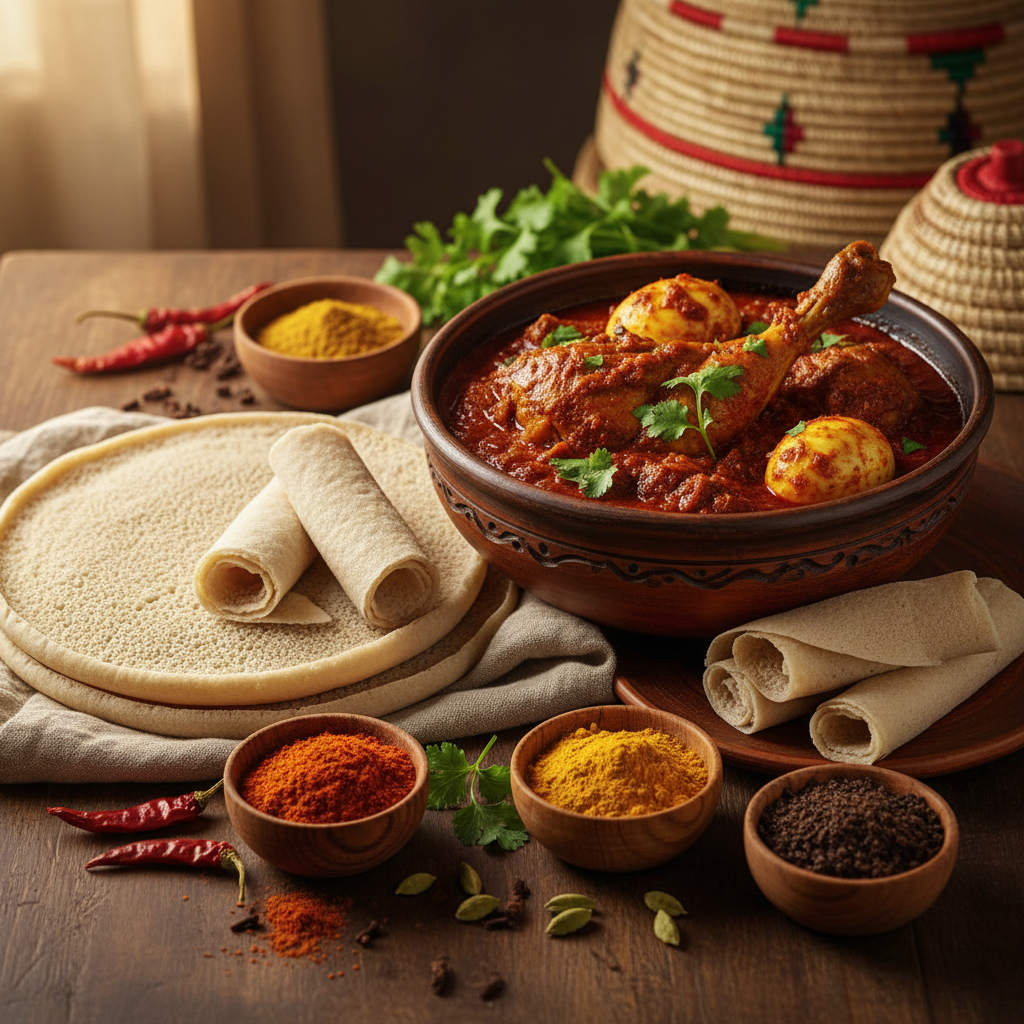
A Journey Through Ethiopian Cuisine: Doro Wat, Injera, and Spice Blends Explained
Ethiopian cuisine offers a vibrant tapestry of flavors and aromas, drawing on a rich cultural heritage that dates back thousands of years. Nestled in the Horn of Africa, Ethiopia has developed a unique culinary identity that is often characterized by its communal dining style and the bold use of spices. This multifaceted cuisine is not just about sustenance; it is a celebration of community, tradition, and the deep connections people have with their food. Every dish tells a story, inviting diners to share in the experience of flavors that have crossed generations and borders.
At the heart of Ethiopian cooking are staple dishes like doro wat and injera, which epitomize the essence of Ethiopian dining. Doro wat is a spicy chicken stew, deeply flavored with a robust mixture of spices known as berbere, and slow-cooked to perfection. Injera, a sourdough flatbread made from teff flour, serves as both a plate and an edible utensil, creating a dining experience that is tactile and intimate. Together, these dishes encapsulate the warmth of Ethiopian hospitality and the joyous spirit of eating as a collective.
Furthermore, the spices that characterize Ethiopian cuisine are as diverse as the country itself, reflecting its varied climates and agricultural abundance. The meticulous blending of spices results in distinct flavors that can be both comforting and invigorating. In this post, we will explore the intricacies of Ethiopian cuisine, focusing on the famed doro wat, the essential injera, and the myriad spices that make these dishes irresistible. Whether you are an experienced cook or a novice in the kitchen, understanding these elements will deepen your appreciation for this remarkable cuisine and empower you to bring these flavors into your home.
The Essence of Doro Wat
Doro wat is often regarded as the national dish of Ethiopia, enjoyed during special occasions, holidays, and festivities. This richly spiced chicken stew not only showcases the flavors that define Ethiopian cooking but also emphasizes the cultural significance of communal dining in Ethiopian society. The preparation of doro wat can become a family affair, with loved ones coming together to help peel, slice, and stir; it's about collaboration as much as it is about the food itself.
Ingredients and Preparation
The key to creating a delicious doro wat lies in its key ingredients, which include chicken, onions, garlic, ginger, and the unmistakable berbere spice blend. Traditionally, a whole chicken is used, cut into pieces, but chicken thighs or drumsticks can also be a great option for those seeking tenderness.
Key Ingredients:
Preparation Steps:
Serving Doro Wat
When serving doro wat, the best accompaniment is injera, which is used not only to hold and scoop the stew but also to soak up the delicious, spicy sauce. For a traditional experience, pile the doro wat in the center of a large platter lined with injera, allowing guests to tear off pieces to enjoy with the stew.
“Eating doro wat is as much about the experience as it is about the flavors—take your time, savor each bite, and enjoy the company around you.”
Understanding Injera
Injera is the foundation of Ethiopian dining, serving as both a staple food and a way to enjoy dishes like doro wat. Made from teff flour, which is naturally gluten-free, injera offers a unique sourdough flavor that complements many of the rich, spicy dishes found in Ethiopian cuisine. The texture of injera is spongy and slightly chewy, making it perfect for scooping up stews and salads.
The Culture of Injera
In Ethiopia, meals are often served on a large tray lined with injera, creating a communal setting where everyone shares from the same platter. Historically, the consumption of injera dates back to ancient times and has become embedded in Ethiopian culture, reflecting the country's agricultural practices and culinary evolution. It's not merely food; it's a symbol of hospitality and community.
Preparing Injera
Making injera can seem daunting, but with a little practice, it becomes a rewarding part of preparing Ethiopian meals. The fermentation process, typically lasting 2-3 days, is essential for developing the characteristic flavor.
Key Ingredients:
Preparation Steps:
Serving Injera
Injera can be served alongside various stews, salads, and dips, or simply enjoyed on its own. The slightly tangy flavor and spongy texture make it the perfect vehicle for absorbing all the delicious flavors of Ethiopian dishes.
“The magic of injera lies in its versatility—it combines with every accompaniment into an experience that is delightful and memorable.”
Exploring Berbere: The Spice Blend of Ethiopia
Berbere is the cornerstone of Ethiopian spices, an aromatic blend that perfumes and flavors many dishes, including the iconic doro wat. This spice mixture is made up of a variety of spices, each contributing to the heady flavor profile that is synonymous with Ethiopian cuisine. Understanding berbere is crucial for any home cook looking to replicate authentic Ethiopian flavors.
Components of Berbere
While recipes vary, a traditional berbere blend often includes:
Additionally, some blends may include spices like allspice, cloves, and cardamom for added complexity.
Making Your Own Berbere
Creating your own berbere spice mix at home is straightforward and allows you to customize the heat level to your liking.
Homemade Berbere Recipe:
Ingredients:
Preparation Steps:
Using fresh spices will elevate your doro wat and other dishes’ flavors remarkably, as the oils from the spices are more potent and aromatic.
The Role of Spices in Ethiopian Cuisine
The Ethiopian approach to seasoning does not shy away from bold flavors. Spices are used generously to create harmonious dishes that celebrate the nuances of heat, sweetness, and earthiness. Learning to balance these flavors is key to mastering Ethiopian cooking.
“In Ethiopian cuisine, spices are not just seasonings; they’re narrators that tell the story of the land, the climate, and the people who cultivate them.”
Complementing Doro Wat: Sides and Accompaniments
While doro wat and injera are the stars of the Ethiopian table, there are several side dishes and accompaniments that can enhance your meal, making it a complete experience. These sides often feature lentils, vegetables, and legumes, reflecting the country’s agricultural practices and providing a beautiful contrast to the rich flavors of the doro wat.
Key Accompaniments
Presentation
When serving an Ethiopian meal, consider arranging the various foods artistically on a large injera-lined tray. It creates an inviting atmosphere and encourages communal eating. Each person can use their piece of injera to scoop up the different dishes, allowing for a delightful mix of flavors in one bite.
Essential Cooking Techniques and Tips
To successfully master Ethiopian cuisine, understanding cooking techniques and best practices is just as vital as knowing the recipes. Below are some essential tips to enhance your cooking process.
Cooking with Spice
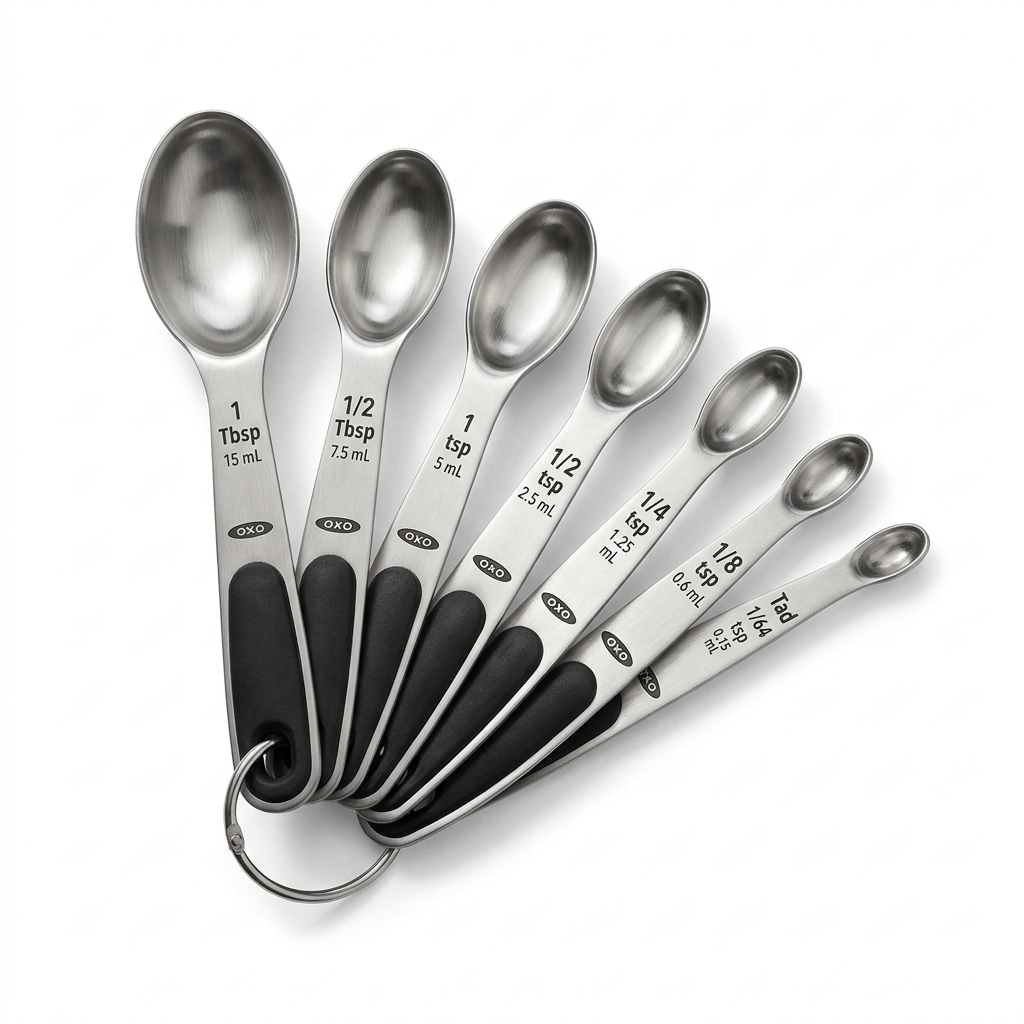
Kitchen Tools and Equipment
Final Thoughts
Ethiopian cuisine is a vibrant celebration of community, culture, and the art of cooking. From the tender, spiced doro wat to the tangy, nourishing injera, each element of an Ethiopian meal forms part of a beautiful and delicious whole. The bold flavors of berbere spices and the communal spirit of sharing food bring people together in a way that transcends mere nourishment.
Delving into Ethiopian cooking can be a transformative experience, inviting you not only to try new flavors but also to partake in a tradition that thrives on togetherness and joy. Equip yourself with the right ingredients, techniques, and a heart open to exploration, and you’ll find that the journey through Ethiopian cuisine is one that nourishes both body and soul. Whether you’re hosting a dinner party or preparing a simple weeknight meal, the essence of Ethiopian cooking will surely occupy a cherished place in your culinary repertoire.
Get the Next Recipe
Weekly recipes, techniques, and gear picks — straight to your inbox.
