A Journey Through the Aromatic Spices of Moroccan Cuisine: Essential Blends and Classic Dishes
Cuisines

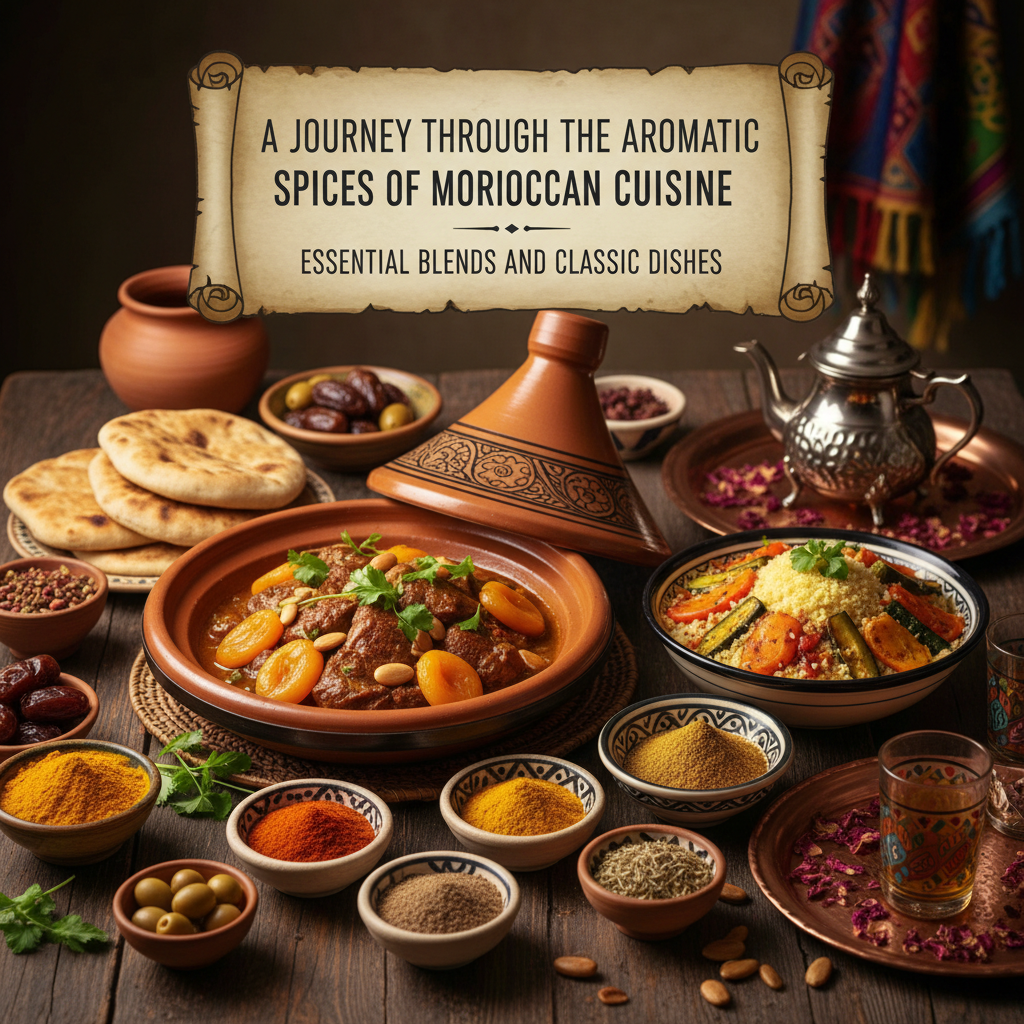
A Journey Through the Aromatic Spices of Moroccan Cuisine: Essential Blends and Classic Dishes

C
By The Chef
|June 11, 2026|12 Min Read

The fragrant allure of Moroccan cuisine conjures images of sun-soaked landscapes, bustling souks filled with vibrant spices, and the warm embrace of communal dining. Rich in history and steeped in tradition, Moroccan dishes offer an alluring combination of sweet and savory flavors. This culinary landscape plays host to an impressive showcase of spices, each bringing its own unique story and finishing touch to every meal. As home cooks delve into the world of Moroccan cooking, understanding these aromatic blends becomes an essential step in creating authentic and delightful dishes that warm the soul.

In Moroccan kitchens, spices are more than simple seasonings; they are an integral part of the cultural identity that transcends generations. From the use of saffron and cinnamon to the bold flavors of harissa and ras el hanout, each blend tells a tale, connecting people through shared experiences of flavor and tradition. The task of crafting these essential blends may seem intimidating to the novice cook, but once understood, these spices open a gateway to a world of culinary adventure and creativity.

The heart of Moroccan cuisine is rooted in its communal sharing of food, where meals are often enjoyed together in a leisurely manner. This practice breathes life into every gathering, emphasizing the importance of family and friendship. The amalgamation of spices used in cooking reinforces this camaraderie, creating dishes that evoke warmth, nostalgia, and a sense of belonging. As we embark on this aromatic journey through Moroccan cuisine, we'll explore essential spice blends, classic dishes, and powerful techniques to elevate your cooking and transport your taste buds to the enchanting alleys of Marrakech.

The Essence of Moroccan Spices

Central to Moroccan cuisine is a rich tapestry of spices, each contributing its distinct personality and depth to everyday meals. Understanding these core ingredients is essential for any home cook wishing to recreate the aromatic profile of this vibrant cuisine. Here, we will delve into various essential spices and their roles within Moroccan dishes.

Key Spices in Moroccan Cooking

●Cumin: A foundational spice, cumin has a warm, nutty flavor that is utilized in almost every Moroccan dish. It is often toasted to bring out its rich aroma, and the seeds can be used whole or ground.
●Cinnamon: More commonly associated with sweet dishes, cinnamon plays an important role in Moroccan savory recipes as well. Its fragrance adds a warm, sweet note to tagines and rice dishes, providing a comforting balance to other spices.
●Paprika: This spice adds a subtle sweetness and vibrant color to Moroccan cuisine. Both sweet and hot varieties exist, offering cooks versatility depending on the heat level desired in their dishes.
●Turmeric: Known for its vibrant yellow color and earthy taste, turmeric brings warmth and a hint of bitterness. It is commonly used in rice dishes and tagines.
●Coriander: Another frequently used spice, coriander has a bright, citrusy flavor that cuts through rich and hearty dishes. The seeds can be toasted and ground for maximum flavor.

"The key to mastering Moroccan cuisine lies in understanding the symphony of spices used to create a perfect balance of flavors."

The Quintessential Spice Blends

No exploration of Moroccan spices would be complete without acknowledging the incredible spice blends that embody the heart of its culinary tradition. The most notable blends often include a mix of the spices mentioned above, among others. Two standout blends are harissa and ras el hanout.

#### Harissa: The Fiery Chili Paste

Harissa is a fiery chili paste that hails from North Africa and adds a flavorful heat to various dishes. It typically includes the following ingredients:

●Dried red chili peppers
●Garlic
●Cumin
●Coriander
●Caraway seeds
●Olive oil

To make harissa, follow these steps:

1.Soak dried chili peppers in hot water for 10-15 minutes until softened.
2.Blend the chilies with 2-4 cloves of garlic, 1 teaspoon of cumin seeds, 1 teaspoon of coriander seeds, and 1 teaspoon of caraway seeds in a food processorβ€”add a splash of olive oil to achieve the desired consistency.
3.Store in an airtight container in the refrigerator for up to three weeks, pouring a thin layer of olive oil on top to preserve its freshness.

Ras el Hanout: The Head of the Shop

Ras el hanout, translating to "head of the shop,” is a quintessential Moroccan spice blend that varies from vendor to vendor. It is often comprised of anywhere from 5 to 30 spices, and while numerous variations exist, a basic blend can include:

●Cinnamon
●Cloves
●Cumin
●Paprika
●Cardamom
●Turmeric
●Ginger
●Nutmeg

To create your own ras el hanout blend, follow this method:

1.Toast each whole spice (available in the blend) separately in a dry skillet over medium heat until aromatic. This usually takes 2-5 minutes.
2.Allow the spices to cool before grinding them into a fine powder using a spice grinder.
3.Mix the ground spices thoroughly and store in an airtight container for up to six months in a cool, dark place.

"Ras el hanout is not just a spice blend; it is a culinary representation of the Moroccan spirit, combining various elements to create a harmonious flavor."

Classic Moroccan Dishes to Try at Home

As we have explored the significance of spices in Moroccan cuisine, let us dive into some classic dishes. These recipes incorporate the necessary spice blends and techniques, bringing the magic of Moroccan cooking into your home.

Tagine: A Culinary Icon

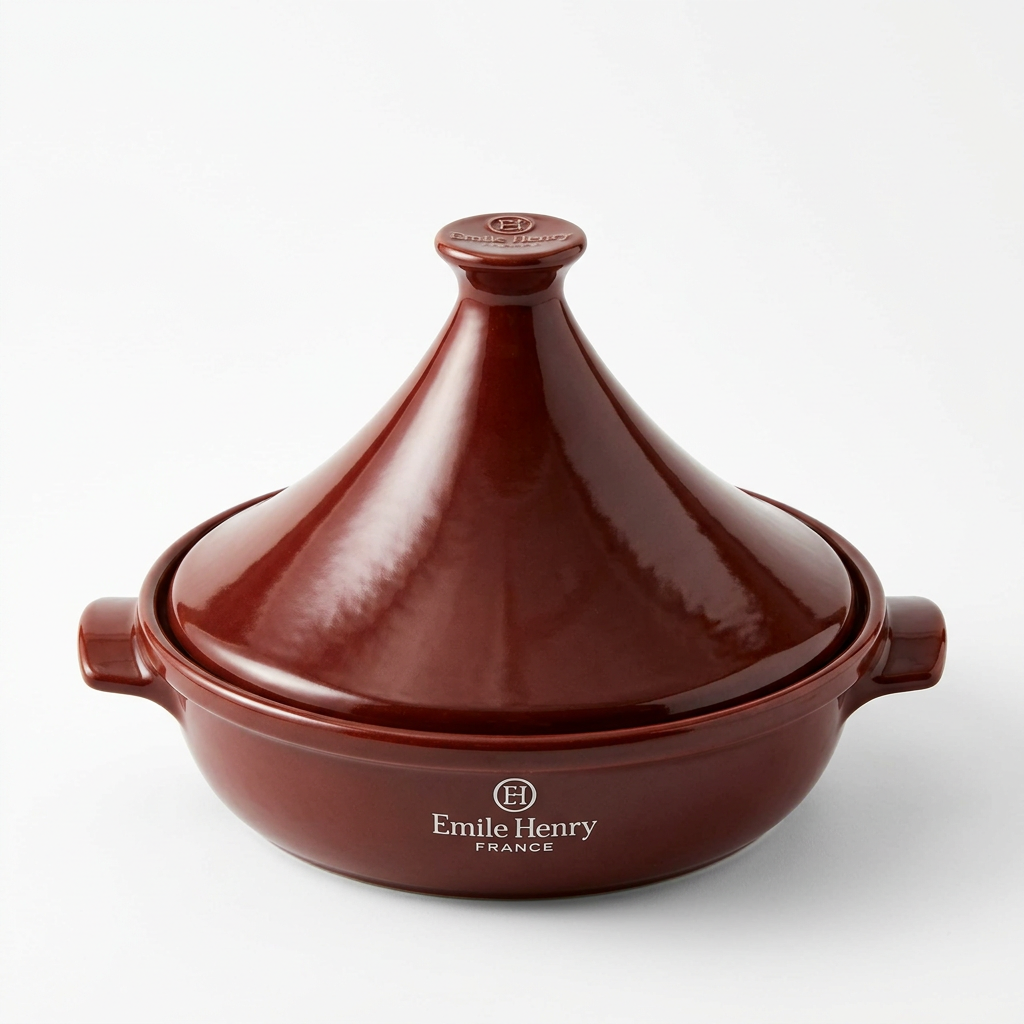
One cannot discuss Moroccan cuisine without mentioning the tagine. Named after the earthenware pot in which it is traditionally cooked, tagines are slow-cooked stews that combine meat, vegetables, and a tapestry of spices. The cooking process is essential for developing rich flavors.

#### Basic Chicken Tagine with Preserved Lemons and Olives

Ingredients:

●1.5 lbs chicken (bone-in, skinless)
●2 tablespoons olive oil
●1 large onion, sliced
●3 cloves garlic, minced
●Zest and juice of 1 preserved lemon
●1/2 cup green olives
●1 tablespoon ras el hanout
●Salt and pepper to taste
●Fresh cilantro or parsley for garnish

Instructions:

1.Heat the olive oil in a tagine or heavy-bottomed pot over medium heat.
2.Season the chicken pieces with salt, pepper, and 1 tablespoon of ras el hanout. Brown the chicken on all sides (approximately 8-10 minutes) and then set it aside.
3.In the same pot, add the sliced onion and garlic, cooking until soft (about 5 minutes).
4.Return the chicken to the pot and add the preserved lemon zest and juice. Stir to combine, then add enough water to cover the chicken halfway.
5.Bring the mixture to a simmer, then cover and cook over low heat for about 1.5 hours, until the chicken is tender and infused with flavors.
6.About 10 minutes before serving, add the green olives. Serve garnished with cilantro or parsley over a bed of fluffy couscous.

Couscous: The Heart of Moroccan Meals

Couscous is often regarded as a staple in Moroccan cuisine, providing a fluffy and nutty base for various dishes. Making couscous from scratch is a simple but rewarding process, allowing you to control the flavor and texture.

#### How to Prepare Traditional Couscous

Ingredients:

●1 cup of fine couscous
●1 cup of boiling water
●1 tablespoon of olive oil or butter
●Salt to taste

Instructions:

1.In a large bowl, combine the couscous with a pinch of salt and the olive oil or butter.
2.Pour boiling water over the couscous and stir to combine, ensuring that all grains are moistened.
3.Cover the bowl with a clean towel or lid, allowing the couscous to steam for about 5 minutes.
4.After steaming, use a fork to fluff the couscous gently, separating any clumps.

Moroccan Meatballs: A Flavorful Bite

These meatballs, known as kefta, are often flavored with spices, fresh herbs, and sometimes even nuts. They can be served in tomato sauce, within a sandwich, or even grilled on skewers.

#### Kefta with Spiced Tomato Sauce

Ingredients:

●1 lb ground beef or lamb
●1 onion, grated
●1 clove garlic, minced
●1 teaspoon ground cumin
●1 teaspoon ground coriander
●1/2 teaspoon cinnamon
●Salt and pepper to taste
●1 can (15 oz) diced tomatoes
●Fresh parsley or cilantro for garnish

Instructions:

1.In a bowl, combine the ground meat, grated onion, garlic, cumin, coriander, cinnamon, salt, and pepper. Mix well and form into small meatballs (about 1 inch in diameter).
2.In a skillet over medium heat, add the meatballs and brown them on all sides (about 6-8 minutes).
3.Once browned, add the diced tomatoes and simmer for about 20-25 minutes to allow flavors to meld.
4.Garnish with fresh herbs and serve with crusty bread or over couscous.

Techniques for Creating Authentic Flavors

Immersing oneself in Moroccan cooking means embracing specific techniques that ensure your dishes pack an authentic punch. We’ll explore marinating, layering flavors, and the importance of slow cooking.

The Art of Marination

Marination is a crucial step in Moroccan cooking. The spices need time to permeate the proteins effectively. Here’s how to maximize flavor through marination:

1.Use acidic ingredients: Ingredients like lemon juice, vinegar, or yogurt help tenderize meat and add zestful flavors. A typical marination for chicken might include lemon juice, garlic, spices, and herbs.
2.Time matters: Allow your meat to marinate for at least 1 hour, but preferably overnight, in the refrigerator. This leads to a greater depth of flavor.
3.Don’t forget the salt: Including salt in your marinade is vital, as it helps in drawing moisture into the proteins, making them juicier.

Layering Flavors

Layering flavors is a technique that enhances the complexity of your dish. Here’s how to do it effectively:

●Start with the aromatics: Begin your cooking process by sautΓ©ing onions and garlic in oil. This builds a flavor base that will enhance the overall dish.
●Add spices in stages: Just as you would add spices while cooking a dish, do so in stages. This way, each layer of spice builds upon the last, creating a robust flavor profile.
●Finish with fresh herbs: Adding fresh herbs at the end of cooking retains their vibrant flavors and aromas. Toss in chopped parsley or cilantro right before serving.

Embracing Slow Cooking

Many Moroccan dishes benefit from slow cooking, which intensifies flavors and tenderizes even tougher cuts of meat. Here’s why slow cooking works so effectively in Moroccan cuisine:

●Temperature control is key: Cook your dishes at a low and steady temperature (around 200-250Β°F) to develop rich flavors without the risk of overcooking.
●Time matters: Slow-cooked dishes like tagines and stews often require at least 1.5 to 2 hours to break down the collagen in meats, yielding tender results.
●Enhancing richness: Slow cooking allows flavors to meld beautifully, leading to a sumptuous bowl of warmth, perfect for sharing with loved ones.

β€œCooking Moroccan dishes is a journey, not a race. Each step reveals new layers of flavor, inviting you to savor the experience.”

A Must-Try Moroccan Dessert

Every memorable meal deserves a sweet ending, and Moroccan cuisine boasts delectable desserts that celebrate the country's culinary heritage. One such treat is Baklava, a rich pastry made with layers of flaky phyllo dough, nuts, and a syrup infused with orange blossom or rosewater.

Making Moroccan Baklava

Ingredients:

●1 package of phyllo dough (16 oz), thawed
●2 cups mixed nuts (almonds, walnuts, pistachios), chopped
●1 teaspoon ground cinnamon
●1 cup unsalted butter, melted
●1 cup sugar
●1/2 cup water
●1 tablespoon orange blossom water or rosewater

Instructions:

1.Preheat the oven to 350Β°F (175Β°C).
2.In a bowl, mix the chopped nuts with cinnamon. Set aside.
3.Brush a 9x13-inch baking pan with melted butter. Lay down one sheet of phyllo, brushing it with more butter. Repeat with 6-8 sheets.
4.Sprinkle a thin layer of the nut mixture over the phyllo. Layer another 2-3 sheets of phyllo dough, again brushing with butter.
5.Repeat the process until you reach the top layer of phyllo, which should consist of 6-8 sheets.
6.Using a sharp knife, cut the baklava into diamond shapes.
7.Bake in the preheated oven for about 45-50 minutes or until golden brown.
8.While baklava bakes, make the syrup by simmering sugar, water, and orange blossom water in a saucepan for 10 minutes.
9.Once removed from the oven, pour the hot syrup over the baklava and let it soak for at least 2 hours before serving.

Final Thoughts

Embarking on a culinary journey through Moroccan cuisine not only introduces you to incredible flavors but also connects you to a rich cultural history. By mastering the essential spice blends and classic dishes, you'll create an inviting atmosphere that celebrates the art of communal dining. Share your experiences with loved ones, encourage experimentation in the kitchen, and allow your taste buds to be your guide on this aromatic adventure.

As you build confidence in using spices and flavors, your ability to create authentic Moroccan dishes will flourish. Trust in the process, embrace the fragrant spices, and watch as your kitchen transforms into a haven of warmth and comfort. With each bite, you'll taste the love, history, and tradition that Moroccan cuisine has to offerβ€”your own culinary journey awaits, and there’s no time like the present to get started.
🧰 Gear for this recipe
Tools our chefs reach for when cooking this
Emile Henry Flame Tagine 2.6qt
Cookware
Emile Henry Flame Tagine 2.6qt
β˜…β˜…β˜…β˜…β˜…4.6
$100-$140
View on Amazon
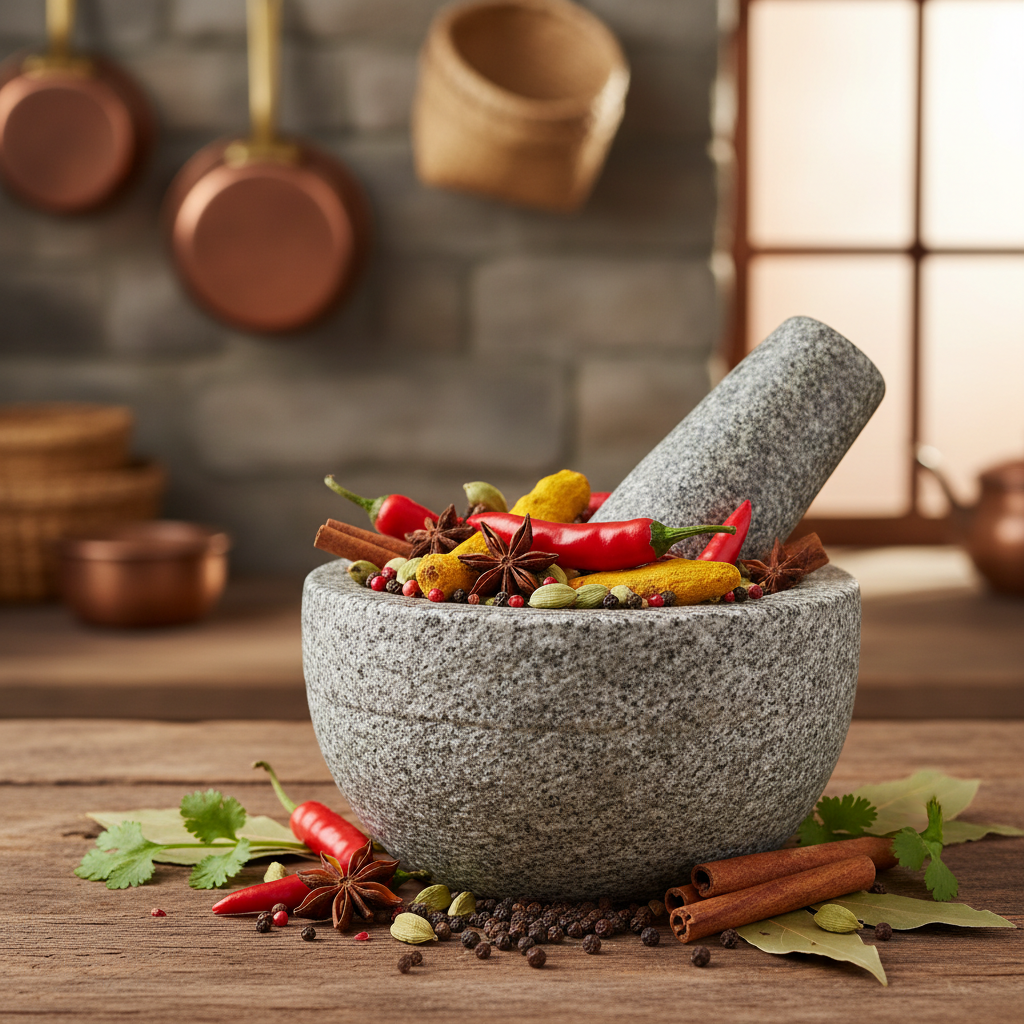
ChefSofi Granite Mortar and Pestle
Measuring & Tools
ChefSofi Granite Mortar and Pestle
β˜…β˜…β˜…β˜…β˜…4.7
$30-$45
View on Amazon
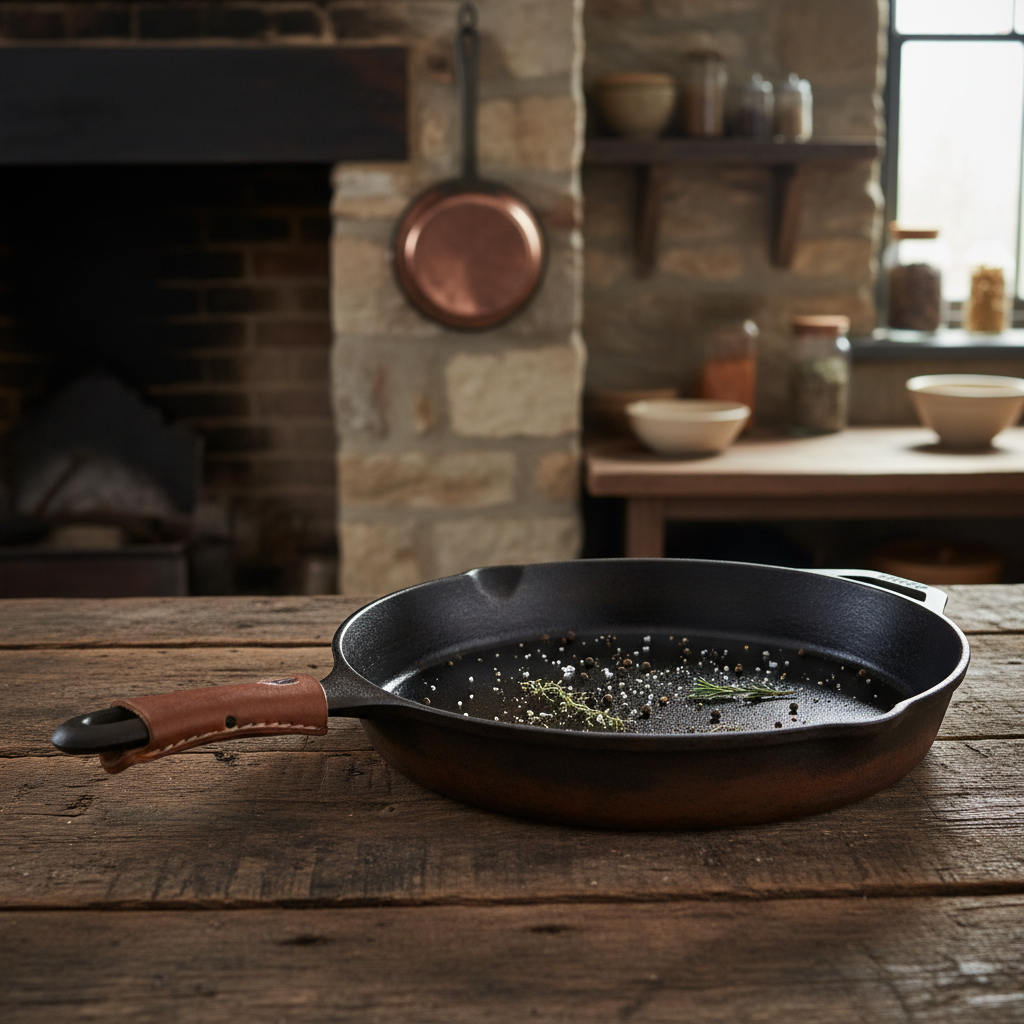
Lodge 12-Inch Cast Iron Skillet
Cookware
Lodge 12-Inch Cast Iron Skillet
β˜…β˜…β˜…β˜…β˜…4.8
$25-$40
View on Amazon
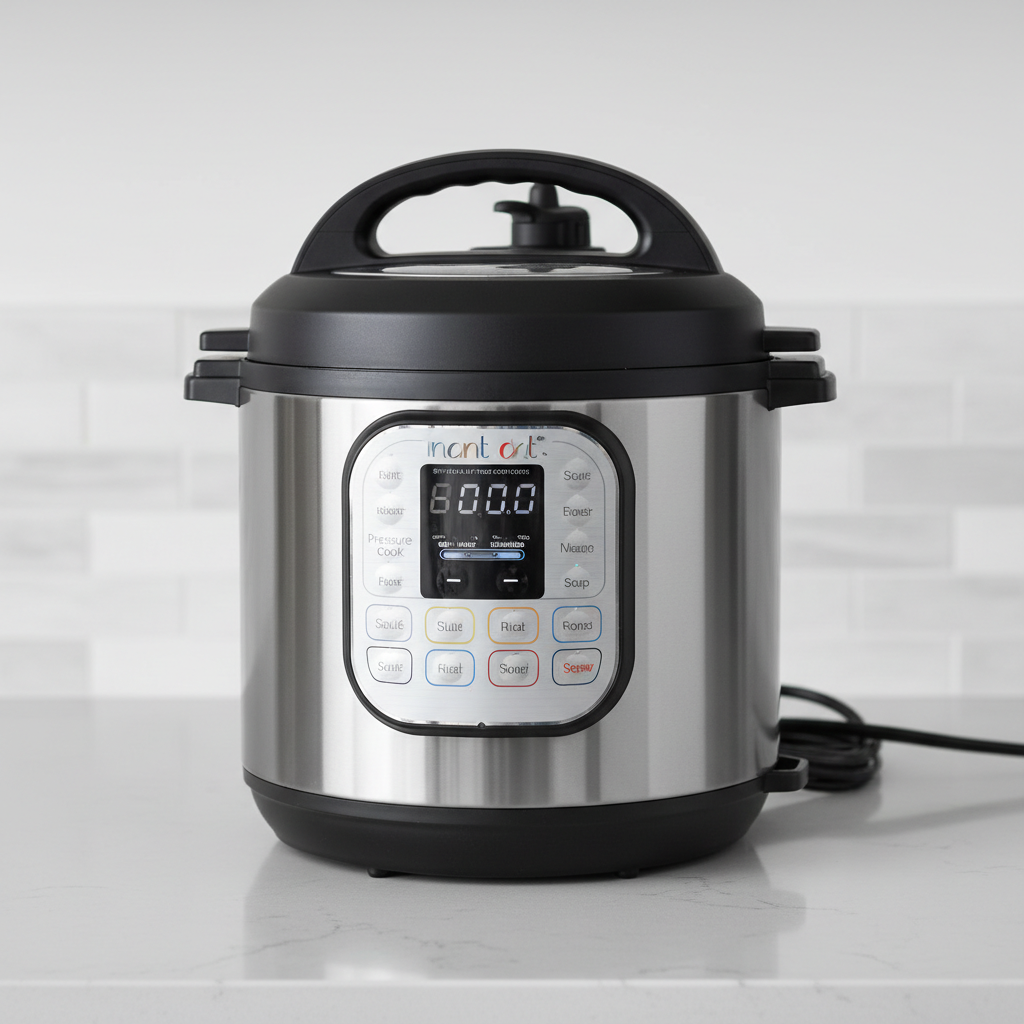
Instant Pot Duo 7-in-1 Electric Pressure Cooker
Small Appliances
Instant Pot Duo 7-in-1 Electric Pressure Cooker
β˜…β˜…β˜…β˜…β˜…4.7
$80-$100
View on Amazon

As an Amazon Associate we earn from qualifying purchases.

🍳

Get the Next Recipe

Weekly recipes, techniques, and gear picks β€” straight to your inbox.

No spam, ever. Unsubscribe anytime.

YesChef - Learn from the world's best chefs
Β© 2026 Blame The Chef
🍳

Never Miss a Recipe

Weekly recipes, kitchen tips, and gadget picks β€” straight to your inbox.

No spam, ever. Unsubscribe anytime.