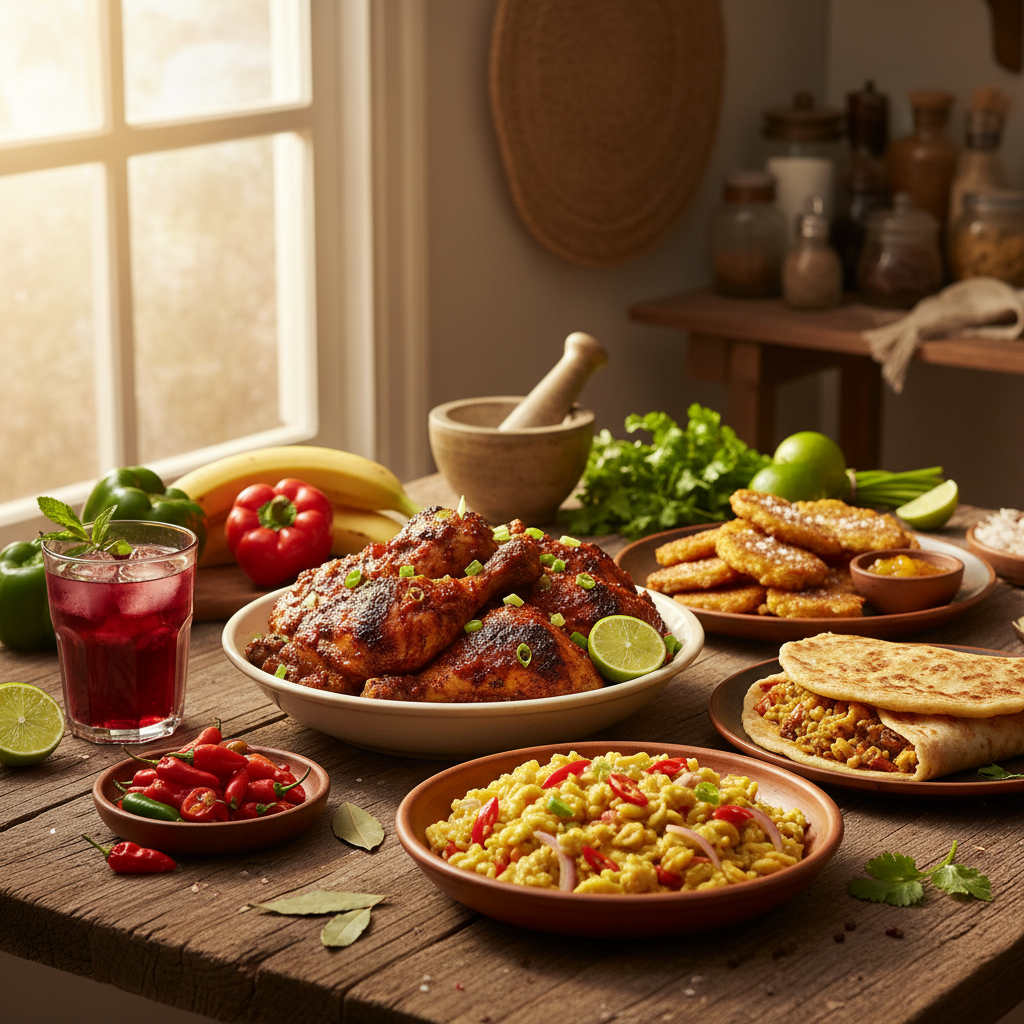
A Journey Through the Flavors of Caribbean Cuisine: Discovering Signature Dishes and Authentic Recipes
Caribbean cuisine is a vibrant mosaic of flavors, colors, and traditions, deeply rooted in the islands' rich histories and cultural influences. The culinary landscape of the Caribbean is a testament to the region's diverse heritage, shaped by the indigenous Taino and Arawak populations, European colonization, African traditions, and later, East Indian and Chinese migrations. Each island boasts its own unique array of ingredients and preparation methods, making it a delightful adventure for the senses. From the bold spices of Jamaica to the fresh seafood of the Caribbean coast, there is a dish waiting to inspire every home cook to explore the depths of this extraordinary cuisine.
Understanding the significance of food in Caribbean culture is essential if one truly wishes to experience the culinary journey it offers. Meals in the Caribbean are often communal affairs marked by laughter, storytelling, and shared memories. Dishes are prepared with passion, often passed down through generations, and they tell a story that connects people with their heritage. Each recipe is steeped in history, representing not just a series of ingredients but a tapestry woven from various cultural threads. The love and attention that goes into cooking Caribbean food can be felt in every bite, transforming a simple meal into a feast for the soul.
As we delve into the heart of Caribbean cooking, we will explore signature dishes, their historical significance, and provide authentic recipes to invoke the spirit of the islands in your kitchen. From the famous jerk chicken of Jamaica to the exquisite seafood dishes from Trinidad and Tobago, you will find not only the methods for preparation but also tips and tricks to achieve the authentic Caribbean taste. Get ready to spice things up as we embark on a flavorful journey through the captivating world of Caribbean cuisine.
The Essence of Caribbean Cooking
At the core of Caribbean cooking lies an appreciation for fresh ingredients and vibrant flavors. The region's agricultural bounty, which includes tropical fruits, vegetables, and seafood, plays a significant role in creating the dishes that embody the island spirit. Whether you're working with local produce or imported items, the key to Caribbean cooking is sourcing the freshest ingredients available. This reliance on seasonality means that dishes change slightly from island to island, dictated by what is fresh and available at any given time.
The Role of Spices and Herbs
Spices and herbs serve as the backbone of many Caribbean dishes, imparting depth and intensity to the flavors. Jerk seasoning, for instance, is a hallmark of Jamaican cuisine, traditionally consisting of a mixture including allspice, thyme, scotch bonnet peppers, and a variety of other spices. The process of marinating meat in a spice rub creates a rich layer of flavor that is both complex and satisfying.
Other commonly used herbs and spices include:
Cooking Techniques: Aside from Grilling
While grilling is perhaps the most well-known cooking method in Caribbean cuisine, various other techniques are equally important. Slow cooking, for instance, allows flavors to meld and develop over time, particularly in stews and soups. Braising is another popular method that tenderizes tough cuts of meat, making them fall-off-the-bone delicious.
When preparing these traditional dishes, it’s essential to:
By understanding these fundamentals and appreciating the cultural significance behind each ingredient, you will be well on your way to mastering Caribbean cuisine.
Signature Dishes of the Caribbean
As we explore the Caribbean culinary landscape, we must delve into the signature dishes that represent the heart of this region's cooking. Each island showcases its own local specialties, bringing unique flavors and culinary techniques to the table.
Jerk Chicken: A Jamaican Classic
One of the most prominent dishes to emerge from Jamaica is the iconic jerk chicken. The unique blend of spices and the traditional cooking method gives this dish its legendary status. The marinade typically includes allspice, thyme, green onions, garlic, and Scotch bonnet peppers, which give it heat and flavor.
To prepare jerk chicken:
"Jerk chicken is not just a dish; it’s a celebration of culture, passion, and culinary heritage."
Curry Goat: A Trinidadian Delight
Originating from the Indian diaspora in Trinidad and Tobago, curry goat has become a favorite at celebrations and family gatherings. The rich, aromatic flavors are a testament to the blend of Caribbean and Indian influences.
To make an authentic curry goat:
Fish Escovitch: A Culinary Masterpiece
Fish escovitch is a flavorful dish typical in Jamaican cuisine. Utilizing fresh fish, typically snapper, this dish is quick, vibrant, and showcases the fresh produce of the islands.
To create an irresistible fish escovitch:
"Fish escovitch showcases the beauty of using fresh, local seafood combined with lively flavors — it's the essence of the Caribbean on a plate."
Caribbean Side Dishes: Enhancing the Experience
No Caribbean meal is complete without the vibrant side dishes that complement the main course. These dishes enhance the experience, showcasing the same bold flavors and regional ingredients.
Rice and Peas: A Staple Side
Rice and peas is a staple in many Caribbean homes. The combination of rice, pigeon peas or kidney beans, and coconut milk creates a comforting side dish that complements any meal perfectly.
To create this classic side dish:
Plantains: Sweet and Savory Goodness
Fried plantains are a beloved side dish across the Caribbean. Sweet or savory, plantains offer a delightful accent to any meal, with their rich flavor and buttery texture.
To fry plantains perfectly:
"Fried plantains can elevate any meal, offering a taste of the islands in every bite."
Desserts: The Sweet Side of Caribbean Cuisine
No exploration of Caribbean cuisine is complete without indulging in its desserts. These sweet treats often feature tropical fruits and bold flavors, capturing the essence of the islands.
Coconut Tart: A Tropical Delight
The coconut tart is a delightful dessert, often enjoyed during holidays and celebrations. The sweetened coconut filling encased in flaky pastry makes for a perfect end to any meal.
To create a coconut tart:
Rum Cake: A Festive Tradition
Rum cake is a beloved dessert celebrated throughout the Caribbean. The cake, infused with dark rum and often containing dried fruits, is rich, moist, and full of festive flavor.
To prepare a classic rum cake:
Myth and Reality: Common Misconceptions About Caribbean Cuisine
As with many regional cuisines, certain misconceptions persist about Caribbean food. Understanding these myths can help broaden your perspective and appreciation of this diverse culinary tradition.
Myth 1: Caribbean Food is All About Spice
While spice is an integral part of Caribbean cooking, many dishes celebrate a range of flavors, including sweet, sour, and savory notes. Not every Caribbean dish is spicy; many are designed to highlight the natural ingredients.
Myth 2: It's Only About Seafood
Although the Caribbean is renowned for its seafood, the cuisine is incredibly diverse, incorporating meat, legumes, and vibrant vegetables. Dishes such as curry goat, ackee and saltfish, and vegetarian options showcase the region's variety.
Myth 3: Caribbean Cuisine is Uniform
Each island has its own unique culinary identity, shaped by cultural influences, local ingredients, and individual cooking styles. For instance, the flavors of Cuban cuisine differ significantly from those of Dominican or Bahamian dishes, making it essential to explore each island's offerings.
Final Thoughts
Exploring the flavors of Caribbean cuisine invites you on a culinary adventure steeped in history and culture. From the exhilarating spices of jerk chicken to the comforting presence of rice and peas, each dish tells a tale—of travel, migration, and blending of cultures.
As you prepare to create these authentic recipes in your kitchen, remember that the key to Caribbean cooking lies not just in the ingredients, but in the love and passion poured into every meal. Invite family and friends to gather around the table, share stories, and enjoy the bold flavors and vibrant dishes that represent the heart of the Caribbean.
Take these recipes as a starting point and encourage your culinary creativity. Experiment with spices, adapt dishes to suit your tastes, and always keep the spirit of sharing and community at the forefront of your cooking. With every flavor explored and every meal shared, you'll find yourself developing a deeper connection to the rich mosaic of Caribbean cuisine.

Get the Next Recipe
Weekly recipes, techniques, and gear picks — straight to your inbox.
