
A Tour Through Indian Spice Markets: Essential Spices Explained
Stepping into an Indian spice market is like entering a vibrant world filled with colors, aromas, and the rich history of culinary traditions. The sight of heaped spices available in burlap sacks, their scents wafting through the air, draws you in with promises of diverse flavors and a rainbow of culinary possibilities. Each spice in these bustling markets tells a story, a testament to myriad culture and tradition that spans thousands of years. For many home cooks eager to explore Indian cuisine, understanding the use and significance of these spices can elevate not just the flavors of dishes but also the overall experience of cooking.
In Indian cooking, spices are not merely flavors; they are foundational elements that imbue dishes with depth and character. The intricate dance of spices creates layers of taste that transform simple ingredients into mouthwatering meals. Whether it’s the earthy warmth of cumin, the sharpness of coriander, or the regal hue of saffron, these ingredients bring an extraordinary complexity that can turn even the most mundane of dishes into something special. This wide variety of spices is often a source of confusion for newcomers, making them wonder how to use these ingredients effectively in their kitchens.
Embarking on this exploration of Indian spices means more than just listing them and their uses; it’s about understanding their essence, their role in cultural dishes, and how they interact with one another. This blog will guide you through some of the essential spices found in Indian cooking, their health benefits, culinary applications, and practical tips for incorporating them into your everyday meals. Whether you’re a novice or an experienced culinary enthusiast, the insights contained herein will help you on your journey to mastering the art of Indian cuisine.
The Role of Spices in Indian Cooking
Indian cuisine is famously complex, and at the heart of its diverse flavors lies an array of spices that form the bedrock of every dish. Spices serve as both seasoning and preservative, enhancing the flavor while also providing health benefits. Historically, spices were utilized not only for their flavoring properties but also for medicinal purposes, aiding digestion and boosting aphrodisiac qualities.
Balancing Flavors
One of the defining characteristics of Indian cooking is its emphasis on balance. Each spice contributes differently when layered and combined, creating a harmonious blend that is greater than the sum of its parts. The fundamental balance is often achieved through the combination of sweet, sour, salty, bitter, and spicy elements, each emphasized by a particular spice or mixture.
This intricate balance not only makes for exciting flavors but also engages the palate in a way that enhances the overall dining experience.
Flavor Pairings
When breaking down the spices used in Indian cooking, it’s helpful to understand how they pair together for various dishes.
The final goal is to inspire satisfaction and delight in every meal, fostering a connection to the culture from which these dishes originate.
Essential Spices: An Overview
This section will guide you through some of the must-have spices in your pantry. Each entry will accompany practical advice on how to use them effectively and enrich your culinary repertoire.
Cumin (Jeera)
Cumin, both in seed and ground form, serves as a cornerstone spice in many Indian dishes. Its earthy, slightly nutty flavor forms the foundation for numerous recipes, from dals to curries.
- Toasting cumin seeds in hot oil before adding them to your dish unleashes their essential oils, intensifying the flavor.
- For a more potent taste, use freshly ground cumin.
Coriander (Dhaniya)
Coriander seeds have a citrusy sweetness that adds brightness to dishes. When fresh, the cilantro leaves are also widely used for garnishing, lending fresh notes to rich meals.
- Ground coriander can lose its flavor quickly, so it’s best to grind whole seeds as needed.
- Use both seeds and fresh leaves for maximum flavor depth—meat marinades and salsas benefit greatly from this duality.
Turmeric (Haldi)
Known for its vibrant yellow color and numerous health benefits, turmeric is often heralded as a superfood. It provides a warm, bittersweet flavor, making it a staple in curries and rice dishes.
- Combine turmeric with black pepper to enhance absorption of its active compound, curcumin.
- It’s wise to add it early during cooking as it performs best when allowed to cook through.
Mustard Seeds (Sarson)
These tiny seeds pack a punch with their strong, pungent flavor, adding a delightful crunch and warmth when used in various Indian cuisines.
- When heating oil, add mustard seeds until they start to pop, which releases their flavor and fragrance.
- Use in pickles, curries, and as a tempering for soups.
Fenugreek (Methi)
Fenugreek is revered for its robust, slightly bitter flavor and health benefits, particularly its ability to aid digestion.
- Use fenugreek leaves (fresh or dried) sparingly, as their flavor is potent.
- Toasting the seeds before grinding enhances their bitterness, which can be tempered by combining with sweet spices.
Chili Powder (Lal Mirch)
Chili powder is indispensable in Indian kitchens, offering a wide range of heat levels depending on variety—from mild Kashmiri chili to fiery Byadagi.
- Add chili powder toward the end of cooking to retain its vibrant flavor and color.
- Balancing heat with sweetness or acidity enhances overall flavor dynamics.
Saffron (Kesar)
Saffron, the golden spice derived from the flower of Crocus sativus, holds a revered position in Indian cooking, particularly in festive occurrences.
- Soak saffron threads in warm milk or water before adding to dishes. This allows its flavor and color to disperse better.
- Use sparingly, as it’s intense in flavor; a little goes a long way.
How to Source Quality Spices
Navigating the spice markets can be overwhelming, given the vast array of options available. Here are some tips for sourcing quality spices that ensure your dishes shine.
Check for Freshness
Since spices can lose potency over time, freshness is key. Inspect spices for vibrant colors and avoid those that appear dull or faded. Aroma is another telltale sign—freshly ground spices should smell intense and fragrant.
Buy in Small Quantities
While it may be tempting to buy in bulk, purchasing spices in small quantities minimizes the risk of them sitting unused for long periods, maintaining their freshness. You can always return to the market to replenish your stock, ensuring you have the best quality spices at your fingertips.
Explore Local and International Markets
Local Indian spice markets can offer an extensive selection, often catering to specific regional flavors. Don’t shy away from international markets, either; they can often stock unique and high-quality spices not readily available in regular grocery stores.
"Exploration of spices is not just culinary; it's a journey into culture, history, and tradition."
Experiment with Spice Blends
Each region of India boasts its own unique blends of spices that enhance specific dishes. For example, Garam Masala is commonly utilized in North Indian cooking, while Rasam Powder is prized in South India.
- Cinnamon
- Cloves
- Cardamom
- Nutmeg
- Black pepper
Making your own spice mixes can add a personalized touch to your cooking, and you can adjust flavors according to your preference.
Cooking Techniques with Spices
Understanding how to incorporate spices is critical in Indian cooking and can significantly impact the outcome of your dish. Below, we explore some essential techniques for using spices effectively.
Tempering (Tadka)
One of the hallmark techniques in Indian cooking is tempering, where spices are fried in heated oil. This method releases their essential oils and flavors, increasing their aromatic qualities.
1. Heat oil in a pan (you can use mustard oil or ghee for added flavor).
2. Once the oil is shimmering (around 350°F/175°C), add your spices (like mustard seeds, cumin, or dried red chilies).
3. When they begin to pop or sizzle, add chopped onions, tomatoes, or other ingredients as desired.
"The art of cooking with spices lies in the fine balance of timing, temperature, and technique."
Using Whole vs. Ground Spices
Both whole and ground spices have unique advantages:
Building Layers of Flavor
Indian cuisine often requires building complexity in flavors. Start with a base, such as onions, garlic, and ginger, and then build on that layering with your spices.
1. Begin by sautéing your base in hot oil until golden brown.
2. Add ground spices or whole spices as per your recipe.
3. Incorporate tomatoes or yogurt for acidity and added components.
4. Finish with fresh herbs or a touch of garam masala just before serving.
Crafting Your Own Spice Blends
Creating your own spice blends not only enhances the flavor of your dishes but also allows for personalization. Here, I’ll guide you through creating two popular Indian spice blends along with variations.
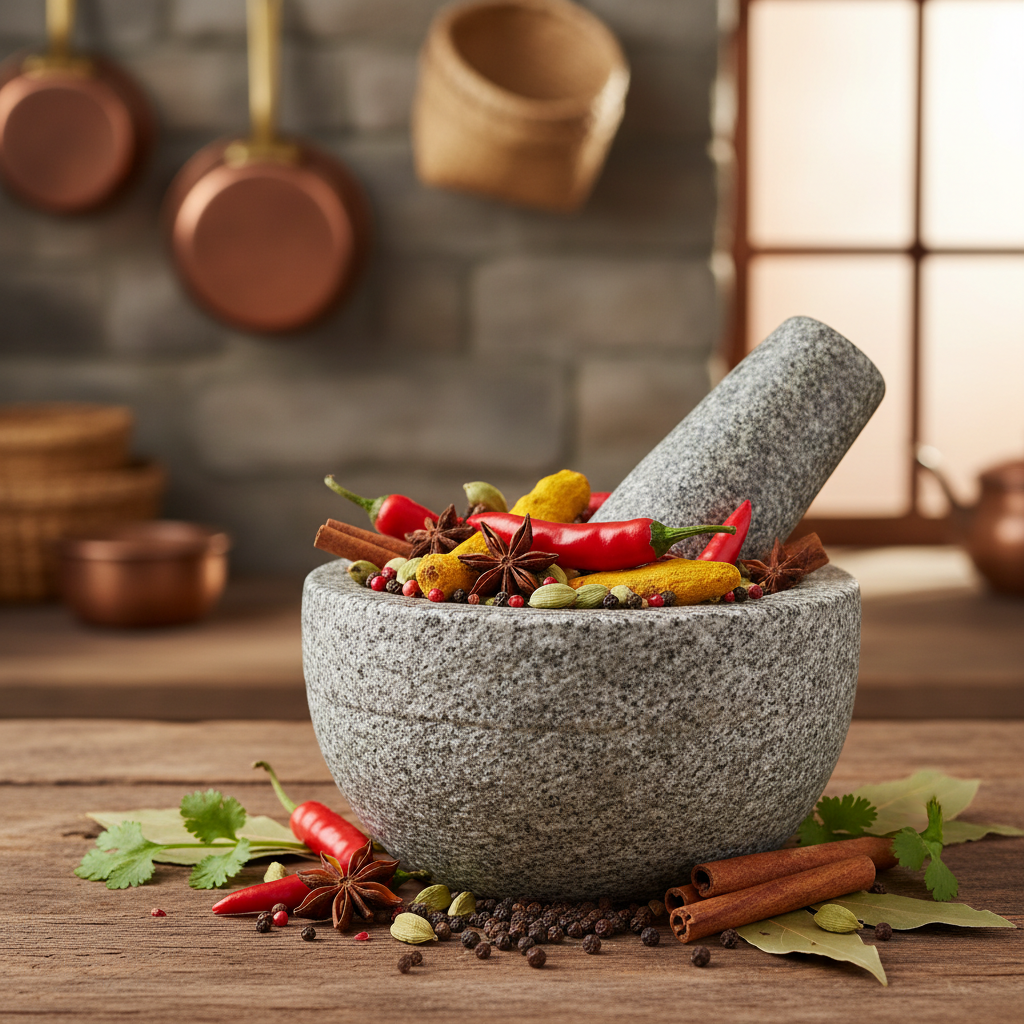
Garam Masala
This aromatic mix is highly versatile and can be tailored to your taste. While every family has its own recipe, the base ingredients are traditional.
- 2 tablespoons coriander seeds
- 1 tablespoon cumin seeds
- 1 teaspoon black peppercorns
- 2-3 green cardamom pods
- 1-2 whole cloves
- A small stick of cinnamon
Steps to Prepare:
Curry Powder
An all-purpose spice blend that can add a distinctive flavor to a variety of vegetable and meat dishes.
- 2 tablespoons turmeric
- 1 tablespoon cumin
- 1 tablespoon coriander
- 1 teaspoon chili powder
- 1 teaspoon black pepper
- 1 teaspoon ginger powder
- Optional: 1 teaspoon fenugreek
Steps to Prepare:
Health Benefits of Indian Spices
Beyond their culinary prowess, many Indian spices also provide significant health benefits—something that has been recognized in Ayurvedic medicine for centuries.
Turmeric
Renowned for its anti-inflammatory and antioxidant properties, turmeric is often lauded for its ability to combat chronic inflammation in the body.
Cumin
Cumin not only adds flavor but also aids digestion and is believed to possess antimicrobial properties.
Ginger
Ginger is known for its anti-nausea properties and its ability to soothe digestive issues.
Cardamom
Known for its fragrant aroma, cardamom has been used to aid respiratory health and is also known to combat bad breath.
Conclusion
Diving into the world of Indian spices offers not merely ingredients but stories, traditions, and health benefits that can transform your culinary journey. By incorporating these diverse and vibrant spices into your cooking, you elevate your dish from ordinary to extraordinary. From tempering spices to crafting your blends, the exploration of flavor builds a bridge between cultures, inviting you to experience the warmth of Indian hospitality right in your kitchen.
As you explore these spices, remember to adjust ratios to suit your taste and don't hesitate to experiment. After all, cooking is an art, and as with any artist, it’s your personal touch that will make each dish uniquely yours. Embrace the journey, let your creativity flourish, and enjoy the flavorful adventure that is Indian cuisine!
Get the Next Recipe
Weekly recipes, techniques, and gear picks — straight to your inbox.
