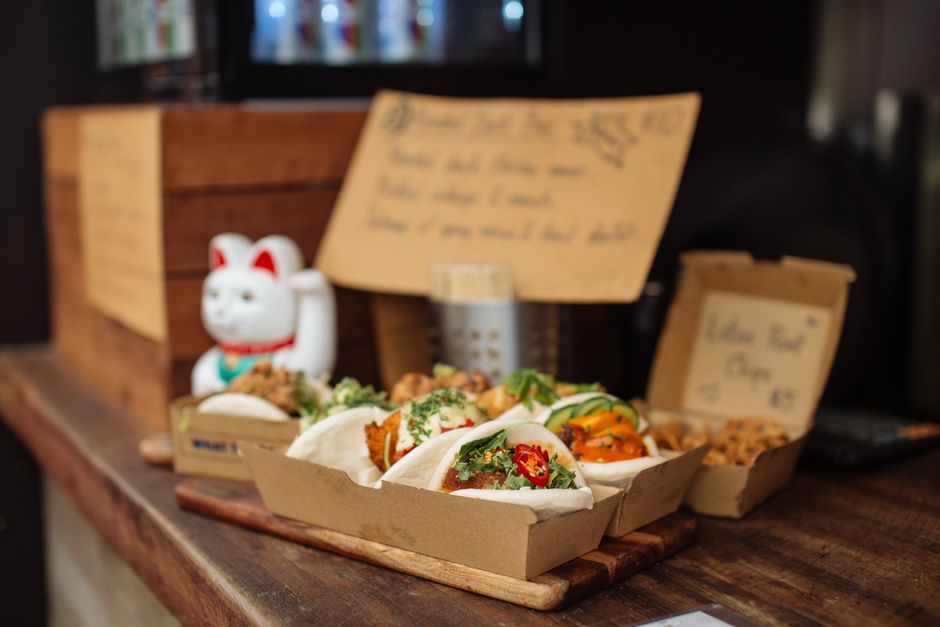
Asian Fusion Street Food: Blending Traditions on Your Plate
Asian fusion street food has been taking the culinary world by storm, merging vibrant flavors and techniques from across the continent into easily digestible dishes. On bustling streets from Seoul to Bangkok, hawker stalls and food trucks have introduced diverse palates to the art of street cuisine, often blurring the lines between tradition and innovation. This culinary movement not only highlights cultural diversity but also gives chefs and home cooks the freedom to experiment, creating new dishes that are bold in flavors and presentation.
At its core, Asian fusion street food combines local ingredients with culinary styles from various Asian countries. Imagine a spicy Korean BBQ taco with kimchi, or a Thai curry ramen dish that warms the soul and excites the palate. Each region has its own unique culinary traditions, and this blending of cultures invites creativity on every plate. For the adventurous cook, the principles of fusion cuisine encourage exploring spices, textures, and presentation methods that honor the roots while daring to innovate.
As you dive into the world of Asian fusion, prepare to embrace new cooking techniques and flavor profiles. Infusing traditional dishes with unexpected twists can elevate your culinary repertoire dramatically. Whether you’re inspired by a bustling night market or an upscale urban eatery, the key to mastering these dishes lies in understanding the foundations of each cuisine, balancing flavors, and leaving room for your personal touch.
The Roots of Asian Fusion Cuisine
Historical Context
Asian fusion cuisine is a response to globalization, cultural exchange, and immigration patterns. The rise of Asian fusion can be traced back to the late 20th century when Asian immigrants began contributing to the culinary landscape in Western countries. Mid-century America witnessed the introduction of Asian ingredients and cooking techniques in mainstream restaurants, paving the way for fusion dishes that blend western and Asian flavors.
In cities with diverse populations like San Francisco, New York, and Los Angeles, the blending of cultures has been particularly vibrant. Restaurants began experimenting with ingredient combinations, such as sushi burritos and Vietnamese pho tacos, creating a culinary dialogue that showcases the versatility of Asian flavors.
A notable figure in the rise of Asian fusion was Chef Roy Choi, who combined traditional Korean BBQ with Mexican street food, leading to the now-famous Kogi BBQ taco truck. This groundbreaking concept not only popularized fusion but also brought food trucks into the culinary spotlight, embodying the spirit of street food culture.
Key Components of Asian Fusion
To craft successful Asian fusion dishes, certain key components should be understood and utilized. Here are some of the most influential ingredients, flavors, and techniques found in Asian cuisines that can be merged into fusion dishes successfully:
Understanding these elements pairs well with creativity, allowing cooks to combine techniques from different culinary traditions while still respecting their roots.
“Cooking is an art, and the best chefs are those who know how to draw from various influences while still respecting the essence of the original.”
Celebrating Street Food Culture
The Atmosphere of Street Food Markets
One of the most exciting aspects of street food is the atmosphere, which is vibrant and full of life. Whether it's the sizzle of meat on a grill or the aroma of spices wafting through the air, street food markets are a sensory delight. The hustle and bustle combined with the endless variety of foods create an experience that embodies the energy of urban life.
Street food markets offer unique dishes that are often not found in traditional sit-down restaurants. Vendors often perfect a single dish over years, creating a craftsmanship that is hard to replicate. When blending traditions into your cooking, think about how you can bring that same level of dedication and authenticity into your home kitchen.
Popular Street Food Dishes to Inspire
Street vendors around Asia share a wealth of inspiration, from tantalizing dumplings to aromatic curries. Here are a few popular street food dishes you can explore and adapt:
Each of these dishes is a starting point for you to innovate further.
“Street food is the heart of the community, a place where flavors and traditions are shared without boundaries.”
Essential Techniques for Fusion Cooking
Marinating and Seasoning
Marinating is integral to many Asian cuisines and can enhance the flavor and texture of proteins and vegetables dramatically. A good marinade typically consists of an acid (like vinegar or citrus juice), oil, and a combination of seasonings.
#### Steps for a Basic Marinade:
Experimenting with this technique allows you to infuse dishes with multiple cultural influences, creating vibrant, flavor-packed meals.
Stir-Frying and Sautéing
Stir-frying is a hallmark technique in many Asian cuisines. It’s quick and preserves the color and crunch of vegetables, making it perfect for creating vibrant fusion dishes.
#### Critical Points for Stir-Frying:
Incorporating Fresh Herbs and Vegetables
Adding fresh herbs and vegetables can elevate any dish, providing both flavor and a pop of color. Ingredients like cilantro, basil, mint, and green onions can complement Asian fusion dishes beautifully.
#### Using Fresh Herbs:
Crafting Your Own Asian Fusion Recipes
Balancing Flavors
When creating fusion dishes, it’s essential to maintain harmony between flavors. Aim for a balance of sweet, salty, spicy, and umami in every dish. For example, if using a sweet component like hoisin sauce, consider balancing it with a bit of acidity from lime juice or vinegar.
Texture is Key
A successful dish often features contrasting textures. For example, if you’re making a noodle bowl, think about adding crunchy vegetables or crispy toppings like fried shallots or seasoned nuts. Incorporating different textures keeps the dish engaging.
A breakdown of texture types might include:
Sample Recipe: Fusion Yakitori Tacos
Here’s a fun recipe you can start with that bridges flavors from Japan and Mexico.
#### Ingredients:
- 1/4 cup soy sauce
- 2 tablespoons sake
- 1 tablespoon brown sugar
- 1 tablespoon sesame oil
- Fresh cilantro, lime wedges, green onions, and spicy mayo.
#### Instructions:
The Role of Ingredients in Fusion Dishes
Finding Quality Ingredients
For the best results in your Asian fusion cooking, sourcing high-quality ingredients is crucial. Fresh, authentic ingredients tend to yield the most vibrant flavors. Many Asian markets or specialty grocery stores often provide fresh herbs, sauces, and spices that might not be found in standard supermarkets.
Everyday Substitutes
Don't be afraid to improvise. If certain ingredients aren't accessible, consider the following substitutions:
Building an Asian Fusion Pantry
Consider stocking your pantry with some essentials to always be prepared for spontaneous fusion cooking:
Stock your pantry thoughtfully, and you will always be one step away from crafting an exciting fusion dish.
Cooking Techniques for Street Food at Home
Deep-Frying and Its Mastery
Deep-frying is a common method used in street food, especially for crispy snacks. The key to successful frying is maintaining the right oil temperature, typically between 350°F and 375°F.
#### Tips for Deep-Frying:
Steaming and Its Versatility
Steaming is another technique frequently seen in Asian cuisine, especially for dumplings. This method preserves nutrients while providing a delicate texture.
#### Steps for Steaming:
Grilling with Tradition
Grilling is ideal for bringing out the smokiness that complements various marinades wonderfully. Yakitori and satay are classic examples where marinated skewered meats are grilled to perfection.
#### Grilling Tips:
The Importance of Presentation
In the world of street food, presentation can elevate a dish immensely. Consider bright, contrasting colors and playful serving styles. Use small dishes, baskets, and vibrant garnishes to add visual appeal to your creations.
Conclusion
The world of Asian fusion street food is vast and full of possibilities. By infusing your dishes with flavors and techniques across different cultural lines, you can elevate your culinary skills while delighting your loved ones. Embrace creativity, experiment with bold flavor combinations, and do not shy away from reinterpreting traditional dishes. Each creation is a new opportunity to blend culinary traditions and share a taste of the world on your plate. So gather your ingredients, ignite your passion for cooking, and let the spirit of fusion guide you to delicious outcomes!
With practice and an open mind, you’ll master these techniques, creating incredible meals that not only satiate your appetite but also impart the stories and histories that shaped them.
Total word count: 2,053.



Get the Next Recipe
Weekly recipes, techniques, and gear picks — straight to your inbox.
