Authentic Thai Green Curry: Building Layers of Heat and Flavor
Southeast Asian Cuisine

Authentic Thai Green Curry: Building Layers of Heat and Flavor

C
By The Chef
|May 3, 2026|11 Min Read
📋
Recipe Card
11 ingredients · 4 steps
Servings
4
Ingredients
Instructions
Progress
0%

Thai cuisine is renowned for its complex flavors, aromatic herbs, and the delicate balance of heat and sweetness. Among its many delightful offerings, Thai Green Curry stands out as a vibrant dish that captivates the palate and ignites the senses. This dish is a harmonious blend of fresh ingredients, deep flavors, and textures that embody the essence of Thai cooking. The layers of heat come not just from the spicy green curry paste but also from the balance of aromatic spices and the sweetness of coconut milk, which adds a luxurious creaminess to the dish.

In this blog post, we will take a deep dive into authentic Thai Green Curry, exploring its origins, the critical ingredients, and the techniques that elevate your cooking to new heights. Whether you are a seasoned chef or a home cook, this guide aims to provide you with a comprehensive understanding of the dish and its nuances. We will also share tips from professional chefs, making this an invaluable resource that will inspire you to experiment and create your own culinary masterpiece.

From the fresh herbs and spices to the method of achieving the perfect simmer, each element plays a vital role in crafting a memorable Thai Green Curry. As we delve into each aspect of this dish, you’ll gain insights into the cultural significance of the ingredients and how they contribute to the final flavor profile. With a little patience and practice, you'll have the tools you need to impress your family and friends with this delightful Asian classic.

The Origins of Thai Green Curry

Understanding the roots of Thai Green Curry enhances your appreciation of its diverse flavors. Originating from Thailand, this dish is often associated with Southern Thai cuisine, where coconut milk and fresh ingredients are more prevalent. Thai cuisine emphasizes balancing five fundamental flavors: sweet, salty, sour, spicy, and bitter. This balance is the hallmark of authentic green curry, resulting from the meticulous blending of aromatic ingredients.

Key Ingredients

The quintessential ingredients of Thai Green Curry include green curry paste, coconut milk, proteins (like chicken, beef, or tofu), and a variety of vegetables. Each ingredient carries its own background and purpose within the curry.

●Green Curry Paste: Made primarily from fresh green chilies, garlic, shallots, lemongrass, galangal, and kaffir lime leaves. The vibrant green color signifies freshness and spiciness, and the balance of these ingredients creates the signature flavor of the dish.
●Coconut Milk: This ingredient is essential, providing both creaminess and a subtle sweetness. It helps mellow out the heat from the curry paste while infusing the dish with rich flavor. Use high-quality, full-fat coconut milk for the best results.
●Proteins: While chicken is the most common choice, beef, shrimp, or tofu can also be used, depending on dietary preferences. Each protein brings its own character to the curry.
●Vegetables: Traditional recipes often include eggplant, bell peppers, peas, or bamboo shoots. The choice of vegetables adds both flavor and texture, making the dish more vibrant.

Cultural Significance

In Thailand, green curry is often enjoyed during family gatherings and festivities, symbolizing generosity and hospitality. The cooking process is more than just a means to prepare food; it reflects a ritual of sharing and connection amongst loved ones. Creating this dish from scratch allows you to participate in this tradition and connect to its cultural roots.

The Essential Green Curry Paste

One of the most critical components of an authentic Thai Green Curry is the green curry paste. Making your own paste ensures that you control the quality and quantity of ingredients, leading to a fresher and more flavorful result.

Ingredients for Green Curry Paste

To prepare homemade green curry paste, you'll need the following ingredients:

●6-10 fresh green bird's eye chilies (adjust according to your heat tolerance)
●1 small handful of Thai basil leaves
●2-3 sprigs of cilantro (roots are preferred if available)
●1 stalk of lemongrass, finely sliced
●1-inch piece of galangal, sliced (or ginger if galangal is unavailable)
●4-5 cloves of garlic
●4-5 shallots, peeled and sliced
●2-3 kaffir lime leaves, finely shredded
●1 teaspoon of shrimp paste (optional for a deeper umami flavor)
●1 teaspoon of cumin seeds
●1 teaspoon of coriander seeds

Method to Prepare the Paste

1.Toast the Seeds: In a dry skillet over medium heat, lightly toast the cumin and coriander seeds until fragrant. This releases the essential oils and enhances their flavors. This should take about 2-3 minutes.
2.Blend the Ingredients: Combine the toasted seeds, green chilies, Thai basil, cilantro, lemongrass, galangal, garlic, shallots, and kaffir lime leaves in a mortar and pestle or a food processor. If using a mortar and pestle, start with the harder ingredients like the seeds and herbs first to break them down before adding the softer ingredients.
3.Pound or Blend: Add a few drops of water if needed to help blend or pound the ingredients into a smooth paste. This can take anywhere from 5-10 minutes, depending on your equipment. The final texture should be slightly grainy but cohesive.
4.Store or Use Immediately: Use the paste right away or store it in an airtight container in the refrigerator for up to a week or freeze it for longer shelf life.

Making your own paste allows for the flexibility to adjust flavors based on your preferences. You might find you prefer a little more garlic or a dash of lime juice. The key is to experiment and adjust accordingly.

Cooking the Perfect Thai Green Curry

Once you've prepared your green curry paste, it’s time to assemble the dish that will impress your taste buds and those of your guests. Cooking a Thai Green Curry involves layering flavors and ensuring the right cooking techniques are employed for optimal results.

Choosing Your Protein

Choosing the right protein is essential, as it influences the overall flavor and texture of your curry.

●Chicken: Boneless, skinless thighs are recommended for their rich flavor and tenderness.
●Beef: Use flank steak or sirloin cut into thin strips.
●Tofu: Firm tofu is great for soaking up the curry flavors; ensure you press it to remove excess moisture.
●Shrimp: Opt for fresh, deveined shrimp, adding them toward the end of the cooking process.

The Cooking Process

1.Sauté the Curry Paste: Heat 2 tablespoons of coconut oil or vegetable oil in a large pot over medium heat. Once hot, add about 3-4 tablespoons of your green curry paste. Sauté for 2-3 minutes until fragrant, stirring continuously to prevent burning.
2.Add Coconut Milk: Pour in one can (about 14 ounces) of full-fat coconut milk. Stir well to combine with the curry paste. The oil should separate slightly, and the mixture should bubble gently. Simmer for about 5 minutes. This step allows the flavors to meld.
3.Add Proteins and Vegetables: Add your choice of protein and cook for about 5-7 minutes, allowing it to absorb the curry's essence. After the protein is nearly cooked through, add vegetables such as Thai eggplants, bell peppers, or zucchinis.
4.Season and Simmer: To enhance the flavor, season with 1-2 tablespoons of fish sauce and 1 tablespoon of palm sugar. Adjust the seasoning to your taste. Allow the curry to gently simmer for another 5-10 minutes. If using shrimp, add them in the last 3 minutes of cooking.
5.Final Touches: Just before serving, fold in a handful of fresh Thai basil and a squeeze of lime juice for a vibrant finish. Taste and adjust seasoning as needed, adding more coconut milk, fish sauce, or sugar if needed.

“The secret of a great green curry lies in the balance – small adjustments can transform the dish.”

Serving Suggestion

Thai Green Curry is traditionally served over steamed jasmine rice. The luscious sauce pairs beautifully with the fluffy rice, soaking in its subtle sweetness. You may also serve it with sticky rice or as part of a larger Thai meal, accompanied by papaya salad or spring rolls. Garnish with additional fresh herbs or lime wedges for an extra touch of freshness.

Selecting Ingredients Wisely

As you embark on creating your Thai Green Curry, the quality of your ingredients matters immensely. Sourcing authentic ingredients can enhance your dish and keep it true to its roots.

Fresh Produce

Visiting a local Asian market or specialty grocery store often yields the best results when it comes to fresh Thai produce. Look for:

●Thai Basil: Distinctive in flavor with a hint of anise; it is integral to authentic Thai dishes.
●Kaffir Lime Leaves: Fresh leaves improve the overall scent and give a signature flavor. Dried leaves can work in a pinch but won’t produce the same result.
●Galangal: This ginger-like rhizome contributes a unique flavor profile. If you cannot find it, use ginger as a substitute—while it won't be identical, it will provide warmth.

Store Bought vs Homemade

If time constraints limit your ability to make the curry paste from scratch, high-quality store-bought versions can also produce a respectable green curry.

●Read ingredient labels to ensure there are no artificial additives. The fewer the ingredients, the better.
●Look for brands that use real herbs and chilies instead of preservatives.

Customizing Your Green Curry

One of the delights of cooking is the ability to personalize dishes according to your taste and dietary preferences. Thai Green Curry is no exception.

Adapting for Dietary Needs

Whether you're cooking for a crowd or just for yourself, you might want to adapt the ingredients to suit dietary lifestyles. Here are some modifications to consider:

●Vegetarian/Vegan: Substitute the proteins with tofu or seitan, and use soy sauce instead of fish sauce. Ensure that your curry paste does not contain shrimp paste, or make your own vegan version.
●Gluten-Free: Most ingredients in Thai Green Curry are gluten-free, but always check your sauce and paste labels to be safe.

Experimenting with Ingredients

Feel free to experiment with various vegetables or alternative proteins. Some popular variations include:

●Mushrooms: Shiitake or oyster mushrooms add a depth of flavor and texture.
●Sweet Potatoes or Butternut Squash: These add an element of sweetness that balances the heat.
●Peas or Green Beans: Seasonal veggies add color and crunch.

The key is to achieve a balance that resonates with your personal taste while respecting the traditional roots of Thai cuisine.

Tips for Cooking Thai Green Curry

To ensure success every time you whip up your Thai Green Curry, keep these tips in mind:

Culinary Techniques

1.Mise en Place: Before you begin cooking, prepare and measure all your ingredients. This organization saves time in the kitchen and prevents last-minute panic.
2.Control Heat Levels: Start with a smaller amount of curry paste if you're unsure about the heat. You can always add more.
3.Let It Rest: Once cooked, let your curry sit off the heat for 10 minutes. This allows the flavors to deepen and meld together.

Kitchen Tools

●High-Quality Chef’s Knife: Essential for chopping and preparing your herbs and vegetables efficiently.
●Cast Iron or Nonstick Skillet: Great for sautéing your curry paste without sticking.
●Immersion Blender: If you prefer a smoother curry, an immersion blender can help smooth out any chunks without needing to transfer to a blender.

Presentation

The visual appeal of a dish can heighten the dining experience. Present your Thai Green Curry creatively:

●Serve in a shallow bowl and garnish with fresh herbs, lime wedges, or chili slices.
●Pair it with a colorful side dish like a Thai cucumber salad for contrast.

Conclusion

Crafting the perfect Thai Green Curry is not just about following a recipe; it’s about embracing the essence of Thai cooking, which is rooted in balancing flavors and textures. By taking the time to make your own green curry paste, selecting high-quality ingredients, and mastering essential cooking techniques, you can create a dish that's both authentic and deeply satisfying.

With this guide, you’ve unlocked the secrets to elevating a beloved classic into a masterpiece that showcases your skills and dedication. There is a world of flavor waiting to be explored, so don your apron, gather your ingredients, and enjoy a culinary journey through Thailand right in your kitchen. Remember, whether you’re adapting the recipe to suit your needs or experimenting with new ingredients, the joy of cooking lies in your creativity and love for the craft.

Serve with confidence, and revel in the compliments that follow! Cooking Thai Green Curry not only nourishes the body but also the soul—today, you're a part of the rich tapestry of Thai culinary tradition.
🧰 Gear for this recipe
Tools our chefs reach for when cooking this
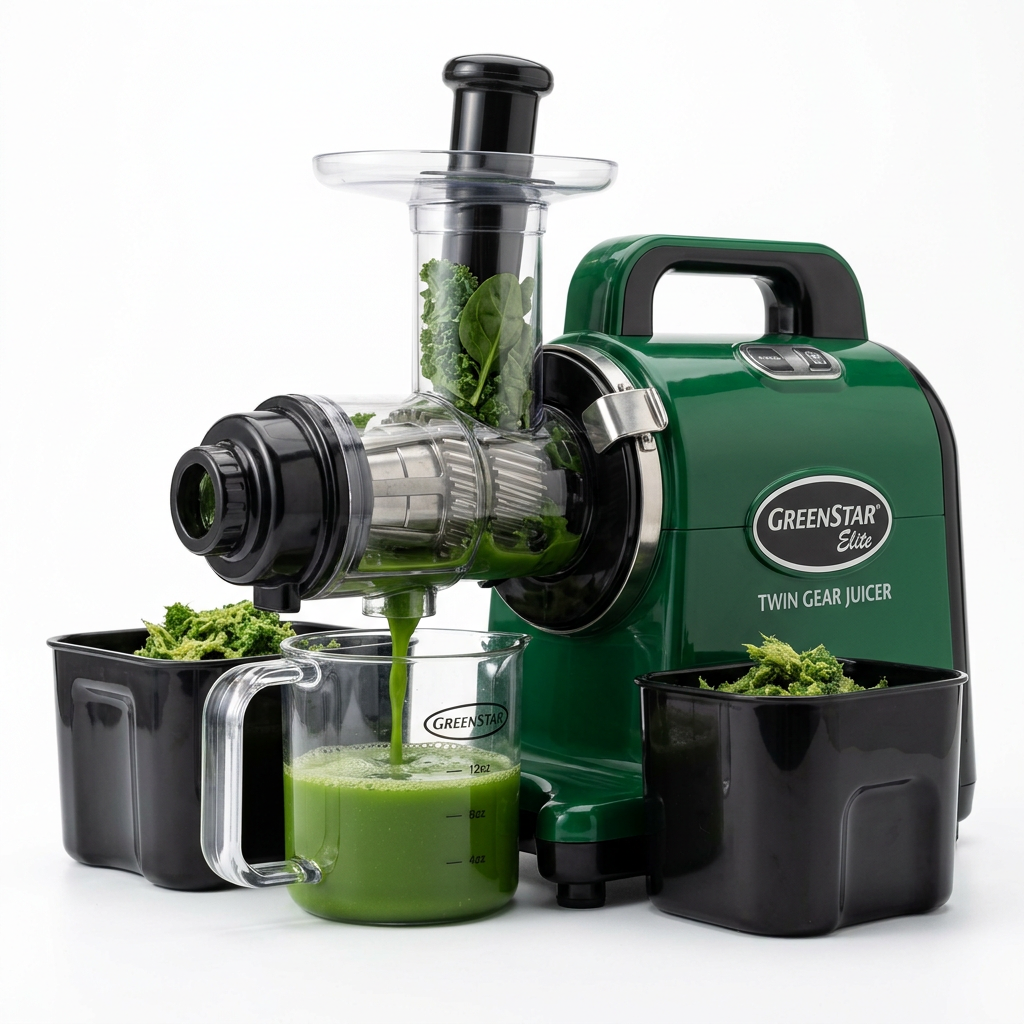
GreenStar Elite Twin Gear Masticating Juicer
Small Appliances
GreenStar Elite Twin Gear Masticating Juicer
★★★★★4.6
$500-$600
View on Amazon
GIR Ultimate Silicone Spatula
Prep Tools
GIR Ultimate Silicone Spatula
★★★★★4.7
$15-$20
View on Amazon

As an Amazon Associate we earn from qualifying purchases.

🍳

Get the Next Recipe

Weekly recipes, techniques, and gear picks — straight to your inbox.

No spam, ever. Unsubscribe anytime.

YesChef - Learn from the world's best chefs
© 2026 Blame The Chef
🍳

Never Miss a Recipe

Weekly recipes, kitchen tips, and gadget picks — straight to your inbox.

No spam, ever. Unsubscribe anytime.