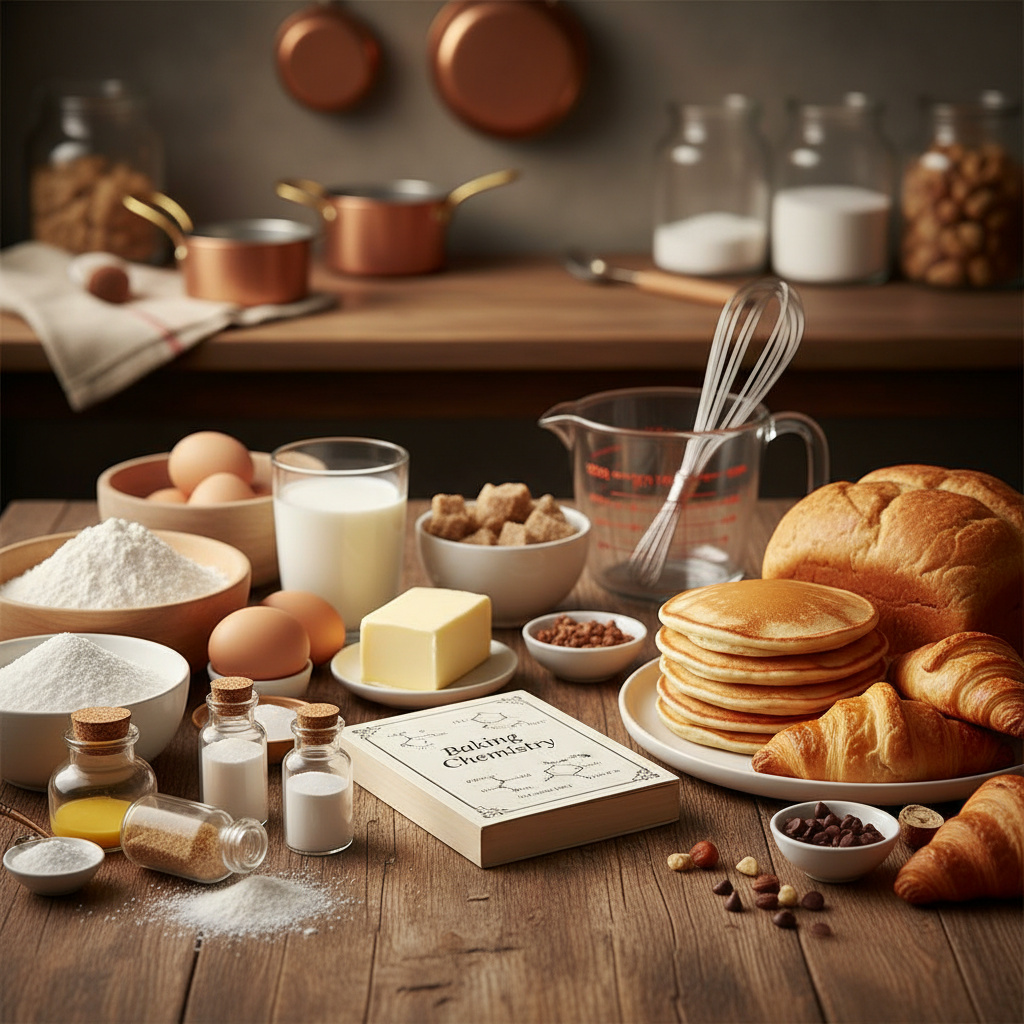
Baking Chemistry: Understanding Your Ingredients
Baking is often viewed as a simple task: measure, mix, and bake. However, beneath the surface lies a complex interplay of ingredients, chemistry, and techniques that play a vital role in the success of any baked good. Understanding these elements can elevate your baking from a mere chore to an art form, allowing you to create not just edible creations, but delightful masterpieces. This blog post will delve into the essentials of baking chemistry, unveiling the mysteries of everything from flour to sugar, eggs to leavening agents, and how each component contributes to the final product.
When you understand the chemistry of baking, you can also begin to fiddle with recipes, turning a traditional chocolate chip cookie into a peanut butter edition or why a soufflé may collapse if not executed under the right conditions. Science may not have been your favorite subject in school, but its principles are at work every time you put on an apron and get ready to whisk, knead, or fold. Harnessing this knowledge will not only improve your baking results but also empower you to become a more confident home chef.
Throughout this post, we will explore the core ingredients in baking and unveil how their interaction can make or break your dishes. The aim is to provide you with the tools and insights needed for successful baking adventures that will leave your friends and family asking for seconds. So roll up your sleeves, preheat your oven, and let’s begin this delicious journey into the world of baking chemistry.
Flour: The Foundation of Baking
Flour is the cornerstone of most baked goods. Its composition, the type of flour you choose, and how you handle it can significantly affect the outcome of your recipes. In this section, we will delve into the different types of flour, their protein content, and how they interact with other ingredients.
Types of Flour
There are various types of flour available, each with specific characteristics suited to different baking tasks. Here are the most common types:
“Understanding flour types allows bakers to select what suits their recipes best—choosing the wrong flour can lead to disastrous results.”
The Role of Gluten
Gluten is a complex network of proteins formed when flour is mixed with water and worked through kneading. The strength and elasticity of gluten are crucial for the texture of baked goods. Here are a few key points about gluten:
To achieve the desired gluten structure, consider these kneading tips:
Understanding how flour and gluten work together forms the backbone of successful baking.
Sugar: Sweet Science
Sugar is not just a sweetener; it plays multiple roles in baking. From influencing texture to affecting browning and flavor, sugar’s impact is profound. Here, we will explore the functions of sugar in baking and the different types you might encounter.
Functions of Sugar in Baking
Sugar serves several important functions in baked goods:
“Sugar doesn’t just make things sweet; it’s integral to the process that makes a cake rise and a cookie crisp.”
Types of Sugar
The type of sugar in your baked goods can affect both flavor and texture. Here are the most common types:
Sweetness Conversion
If you’re experimenting with substituting sugars, keep these conversion basics in mind:
Mastering sugars can lead to impressive results in both taste and presentation.
Eggs: The Binder
Eggs are often referred to as the “super ingredient” in baking due to their versatility and multiple roles—from binding and leavening to contributing rich flavor and color. Understanding the chemistry behind eggs is crucial for achieving exceptional baked goods.
The Role of Eggs
Eggs serve several important functions in baking:
“An egg can change everything—from texture to taste—understanding its role is key to mastering your craft.”
Substituting Eggs
For those with dietary restrictions or allergies, finding substitutes for eggs can be beneficial. Here are some common egg substitutes and their usage:
Egg Handling Tips
When baking with eggs, consider these tips for best results:
Mastering the use of eggs can give you not just better texture but can also elevate the flavor profile of your baked goods.
Fats: Flavor and Texture Enhancers
Fats such as butter, oil, and shortening are fundamental in determining the texture, moisture, and flavor of baked goods. Knowing how to work with different types of fats can take your baking to another level.
Types of Fats
Different fats bring different properties to baked goods:
The Role of Fats in Baking
Fats play multiple roles in baked goods:
“The right type of fat can mean the difference between a dense cake and a light, airy one.”
Tips for Using Fats
When using fats in baking, here are some important considerations and tips:
By mastering the use of fats, you can control the texture and flavor of your final products.
Leavening Agents: The Lift Behind Your Bakes
Leavening agents are ingredients that cause baked goods to rise, creating a light and airy structure. Understanding how they work and when to use them is critical for successful baking.
Types of Leavening Agents
Leavening agents can be categorized into three main types: chemical, biological, and physical.
Chemistry of Leavening Agents
Baking Soda: A base that requires an acid (like vinegar, buttermilk, or yogurt) to activate. The combination produces carbon dioxide, which helps the dough or batter rise.
Baking Powder: This already contains an acid and can be single-acting or double-acting. Double-acting baking powder releases gas at two different stages—once when mixed with liquid and again when exposed to heat.
“The perfect cake is a balance of leavening agents and other ingredients—getting it right can mean the difference between rising to the occasion or falling flat!”
Tips for Using Leavening Agents
By mastering the art of leavening, you’ll ensure your baked goods reach their fullest potential.
Temperature Control: A Baker’s Best Friend
Temperature is a crucial aspect of baking that can significantly affect the final product. Understanding how various temperatures impact your ingredients and the cooking process can elevate your baking from good to great.
Oven Temperature
When preheating your oven, be aware that different baked goods require different temperatures:
“Understanding oven temperatures can make the difference between a soft cake and a dry, baked disaster.”
Ingredient Temperature
The temperature of your ingredients also plays a role in the chemical reactions:
Measuring Temperature
By mastering temperature management, you can control the outcome of your baking endeavors.
Conclusion
Baking isn’t merely about following recipes; it’s about understanding the chemistry behind every ingredient and technique. From flour’s role as the structural backbone to the way sugars caramelize, fats enrich, and leavening agents lift, a proper grasp of these elements can radically enhance your baking skills. Remember, each time you measure, mix, and bake, you're engaging in a delicate dance of science and art that can yield incredible results with a little practice.
As you continue on your journey into baking, embrace the experimentation. Use this knowledge to troubleshoot recipes, adjust flavors, and adapt to new techniques. Whether you’re crafting a delicate soufflé or a hearty loaf of bread, the more you understand about baking chemistry, the more successful and enjoyable your cooking experiences will be. Happy baking!


Get the Next Recipe
Weekly recipes, techniques, and gear picks — straight to your inbox.
