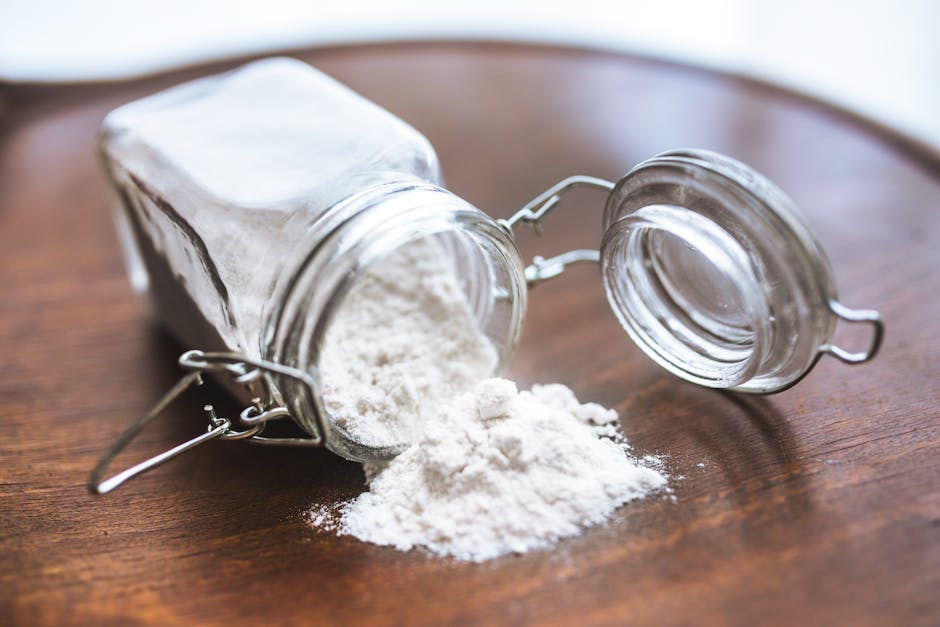
Baking Soda vs Baking Powder: What's the Difference?
Every baker, from the amateur enthusiast experimenting with Sunday morning muffins to the seasoned professional managing a bustling commercial kitchen, has at some point stood in the pantry staring at two identical-looking white powders: baking soda and baking powder. They are the silent workhorses of the baking world, the magical agents that transform a dense, heavy batter into a light, airy, and structurally sound masterpiece. While they might appear interchangeable to the untrained eye, their chemistry is vastly different, and confusing one for the other is a cardinal sin that can turn a beautiful soufflé into a sad, deflated puddle of disappointment. Understanding the fundamental science of these leavening agents is the single most effective way to level up your baking game and ensure that your cakes rise, your cookies spread, and your biscuits puff up with professional precision.
The nuance of these two ingredients lies in how they react with other components in your bowl and when that reaction takes place during the baking process. Baking soda is a pure, powerful alkaline ingredient that requires an acidic partner to create a chemical reaction that releases carbon dioxide bubbles, which are the engine of your lift. Baking powder, conversely, is a pre-mixed, self-contained system that packs its own acid, allowing it to work in recipes where no additional sour or acidic notes are desired. Mastering the balance between these two isn't just about avoiding a flat cake; it’s about controlling the texture, the browning, and the overall flavor profile of your baked goods. Once you peel back the layers of their chemical behavior, you will stop relying on "luck" in the kitchen and start baking with the confidence of a head pastry chef.
In this guide, we are going to dive deep into the molecular mechanics, the proper ratios, and the practical applications of these pantry staples. We will examine why your cookies might turn out bitter, why your cake didn't rise in the center, and how to perform simple at-home tests to ensure your leaveners are still active and potent. Baking is often described as a science, and nowhere is that more apparent than in the interaction between heat, moisture, and chemical leaveners. By the time you reach the end of this deep dive, you will possess the foundational knowledge required to troubleshoot any recipe and understand exactly why your dry ingredients behave the way they do when they finally meet the heat of your oven.
The Chemistry of Baking Soda
What is Sodium Bicarbonate?
Baking soda, scientifically known as sodium bicarbonate, is a base that reacts almost instantly when it comes into contact with an acidic ingredient and a liquid. Common acidic ingredients found in the kitchen include buttermilk, yogurt, sour cream, lemon juice, vinegar, cocoa powder, and even molasses. When these two meet, the resulting acid-base reaction creates carbon dioxide gas bubbles, which get trapped in the proteins of the flour, causing the batter or dough to expand. Because this reaction is immediate, you must get your mixture into a preheated oven quickly; if you let the batter sit on the counter for too long, the bubbles will pop and dissipate, leaving you with a dense, flat final product.
The Importance of Ratios
Using too much baking soda is a classic mistake that home cooks often make, and it usually results in a metallic, soapy, or bitter aftertaste. Generally, the rule of thumb is to use about 1/4 teaspoon of baking soda per cup of flour, but this ratio must always be balanced against the amount of acid in the recipe. If your recipe doesn't contain enough acid to neutralize the baking soda, you will definitely taste it in the finished product. In cases where you want the browning effect of baking soda but don't have enough natural acid, some recipes might call for you to add a small amount of cream of tartar or simply rely on the browning properties of the maillard reaction.
Browning and Texture
Beyond simple leavening, baking soda plays a crucial role in the color of your baked goods. Because it is alkaline, it raises the pH level of the dough, which significantly encourages the Maillard reaction. This is the chemical reaction between amino acids and reducing sugars that gives browned food its distinctive flavor and dark, appetizing color. This is why cookies made with baking soda spread more effectively and take on a beautiful, golden-brown hue compared to those leavened only with baking powder. If you want a deeper brown on your pretzels or bagels, a baking soda bath is the secret technique that creates that signature crust and color.
"Baking soda is a force of nature in the kitchen; it is fast, reactive, and unforgiving. When you utilize it, you must respect the chemistry of the acid-base balance, or you will quickly learn the difference between a golden crust and a bitter, metallic center."
The Complexity of Baking Powder
A Double-Acting System
Baking powder is essentially a pre-packaged convenience product that contains both sodium bicarbonate and an acid, such as cream of tartar or sodium aluminum sulfate, combined with a stabilizer like cornstarch. Most modern baking powders are "double-acting," meaning they go through two distinct stages of activation. The first stage occurs when the powder is mixed with liquid at room temperature, while the second stage occurs only when the mixture is heated in the oven. This dual-action mechanism is a godsend for home bakers because it provides a safety net; even if your batter sits for a few minutes before baking, the second surge of gas in the oven will ensure a consistent rise.
Why Cornstarch Matters
The inclusion of an inert filler like cornstarch is essential for the shelf life and stability of baking powder. By separating the acidic and alkaline components with a starch barrier, the manufacturer prevents the powder from reacting prematurely while it sits in the cool, dry environment of your pantry. Without this stabilizer, the humidity in the air would cause the powder to clump and lose its leavening power long before you ever touched it. This is why it is vital to keep your baking powder in an airtight container in a cool, dark place, as moisture is the absolute enemy of its long-term potency.
Usage in Neutral Batters
Because baking powder contains its own acidic component, it is the leavener of choice for recipes that are naturally neutral or lack acidity. Think of light, fluffy cakes, muffins, and quick breads that don't rely on sour cream or buttermilk for their structure. Using baking powder allows you to achieve a dramatic rise without adding any sour flavors that would otherwise interfere with the intended taste profile. If you were to substitute baking soda in these neutral recipes, the batter would not rise because there is no acid available to trigger the reaction, and the taste would be completely altered by the presence of the unreacted alkaline powder.
Can You Use Them Interchangeably?
The Conversion Dilemma
Substituting one for the other is a common question, but it is rarely a one-to-one swap. If a recipe calls for baking powder and you only have baking soda, you can potentially make it work by adding an acid like vinegar, lemon juice, or cream of tartar to the batter. However, this changes the chemical structure of your dough and can affect the final texture and flavor. The standard ratio for a DIY baking powder substitute is 1/4 teaspoon of baking soda mixed with 1/2 teaspoon of cream of tartar (which provides the necessary acidity). Keep in mind that professional pastry chefs rarely do this because the commercial ratio of cornstarch to acid is meticulously calibrated for stability that is hard to replicate at home.
The Consequences of the Wrong Choice
If you use baking soda when a recipe specifically calls for baking powder, the lack of acidity will result in a lack of lift and a very unpleasant soapy aftertaste. Conversely, if you swap baking powder for baking soda, the leavening effect will be weak and insufficient. Baking powder is roughly one-third to one-fourth the strength of baking soda in terms of pure leavening power. Because baking powder is pre-diluted with acid and starch, you would need to use three to four times the amount of baking powder to achieve the same rise as a small amount of baking soda, which creates a massive imbalance in the chemical makeup and seasoning of the recipe.
When to Use Both
You will often see recipes—especially cookies and muffins—that call for both baking soda and baking powder. This is a strategic culinary choice. The baker uses the baking soda to neutralize the acidity of specific ingredients (like buttermilk or cocoa) and to encourage browning, while using baking powder to ensure there is enough total leavening power for a consistent, lofty rise. This "best of both worlds" approach allows for complex flavor profiles while maintaining the structural integrity of the crumb. When you see both ingredients in a recipe, it is usually a sign of a well-tested, high-quality formula that prioritizes both texture and taste.
Testing for Potency
The Baking Soda Test
Baking soda has a relatively long shelf life, but it can lose its effectiveness over time, especially if it has been exposed to moisture or extreme heat. To test its potency, mix 1/4 teaspoon of baking soda with two tablespoons of vinegar or lemon juice. If the mixture creates a violent, immediate, and high-volume fizz, it is still active and ready for your recipes. If the reaction is weak, slow, or barely bubbling, toss it out. Cooking with expired leaveners is the most common reason for cakes failing to rise, and performing this thirty-second test can save you from a complete disaster.
The Baking Powder Test
Testing baking powder is equally simple and just as important. Take 1/2 teaspoon of baking powder and drop it into a half-cup of hot water. A fresh, active baking powder will create a significant and vigorous amount of bubbles immediately. If it only creates a few lazy, sputtering bubbles, the chemical reaction is compromised and the powder will not be able to lift your dough effectively. Since baking powder is a complex mixture of several ingredients, it tends to lose potency faster than pure baking soda, so testing it before starting a complex project is a hallmark of an organized and diligent baker.
Storage Best Practices
Never store your leaveners near the stove or the dishwasher, as the heat and ambient humidity will significantly shorten their effective life. Ideally, keep them in labeled, airtight glass jars in a cool pantry or a low kitchen cupboard. Always check the expiration date on the bottom of the container, and if you haven't opened your baking powder in more than six months, perform the hot water test. Professionals often label their containers with the date of opening, ensuring that they know exactly when to cycle in a fresh batch to maintain their high standards of production.
"A kitchen without fresh leaveners is like a car without fuel. You might have the best ingredients, the most expensive flour, and the finest butter, but without active chemical agents, your work will never reach its potential height."
Advanced Techniques and Professional Tips
The Impact of Altitude
Baking at high altitudes introduces a new set of challenges regarding gas pressure and leavening. At higher elevations, the atmospheric pressure is lower, which means gases expand more easily and quickly. Consequently, baked goods can rise too fast and then collapse before the structure is set by the heat of the oven. If you are baking above 3,000 feet, many chefs recommend reducing the amount of baking powder or baking soda by 10 to 20 percent. This prevents the "over-leavening" effect that causes a cake to rise rapidly and then sink in the middle, leaving you with a cratered top.
The Role of Mixing
How you incorporate your leavening agents matters just as much as the quantity you use. Always sift your baking soda or baking powder together with your flour and other dry ingredients. This step ensures that the leaveners are evenly distributed throughout the batter. If you don't sift, you run the risk of having a pocket of concentrated baking soda in one part of your muffin or cake, which results in a distinct, unpleasant, and metallic taste. When you whisk the dry ingredients thoroughly, you create a uniform environment where the leavener can do its work evenly as the temperature rises.
Temperature Control
Since the second stage of baking powder activation is heat-dependent, the temperature of your oven is a critical factor. If your oven temperature is off—even by 15 or 20 degrees—the timing of the expansion will be wrong. Always use an oven thermometer to verify the actual internal temperature of your oven, rather than relying on the dial. If you put your batter into an oven that is too cool, the structure won't set fast enough to hold the air bubbles, and the final product will be dense and gummy. Consistent, accurate heat is the partner of the leavener, and together they create the perfect, light crumb.
Troubleshooting Common Failures
Why Did My Cake Sink?
A sinking cake is almost always a result of premature structure collapse. This can happen if you open the oven door too early, letting cool air in and causing the expanding gases to contract. Alternatively, it can happen if you used too much baking powder, which created an excessive amount of gas that the flour structure couldn't support. If the cake rose beautifully and then suddenly deflated, check your ratio of leavener to the weight of your flour. Sometimes, slightly reducing the leavener or ensuring that your oven is calibrated correctly is all it takes to prevent this disappointment.
Why Are My Cookies So Dark?
If your cookies are turning dark brown or even black on the bottom before the centers are finished, you likely have too much baking soda. As we discussed, baking soda is a powerful agent in promoting the Maillard reaction. If your cookie recipe is not balanced, the alkalinity will cause aggressive browning. To fix this, try slightly reducing the baking soda, or swap a portion of the white sugar for brown sugar, which has a natural acidity that can help buffer the reaction. Additionally, ensure you are using parchment paper or a silicone baking mat to prevent excessive direct heat conduction from the pan.
The "Metallic" Taste
If you’ve ever bitten into a muffin and been greeted by a sharp, slightly soapy or metallic sensation, you are tasting unreacted baking soda. This is a major technical failure that usually points to two things: either you didn't have enough acidic ingredients to neutralize the soda, or you simply added too much. If you want to keep the browning properties of the soda but eliminate the flavor, try adding a tablespoon of lemon juice or buttermilk to the liquid ingredients. This gives the soda an immediate target for its chemical energy, preventing it from leaving an unpleasant aftertaste in your finished product.
The Evolution of Leavening
From Sourdough to Chemistry
Before the commercialization of chemical leaveners, bakers relied almost exclusively on natural leavening through wild yeast and fermented starters. While these methods produce incredible, complex flavors, they require significant time and maintenance. The invention of baking soda and later baking powder revolutionized home baking by making it accessible and fast. It allowed for the development of recipes like soft sponges, quick cookies, and light cakes that were once impossible to produce consistently at home. Today, we stand on the shoulders of these chemical advancements, allowing us to combine the speed of modern leaveners with the traditional skills of high-end pastry work.
Precision is Key
The modern baker should view baking soda and baking powder as precise ingredients, just like sugar or eggs. In the era of kitchen scales, measuring by volume can sometimes be imprecise, especially with powders that can settle in their containers. If you are baking a delicate recipe, try measuring your leaveners by weight. A standard teaspoon of baking powder weighs approximately 4 to 5 grams, and keeping track of this measurement ensures that every batch you bake is identical to the last. Professional chefs rely on scales because they take the guesswork out of the chemistry, ensuring that the ratio of base to acid is perfect every single time.
Experimenting with Confidence
Now that you understand the "why" behind these pantry staples, you have the permission to experiment with a newfound sense of clarity. When you look at a recipe, you can evaluate whether it has enough acid to support the leavening. You can identify why a certain cookie recipe produces a chewy edge and a soft center, and you can tweak your own family recipes to be more consistent. Don't be afraid to take notes on your baking sessions. If you try a batch with slightly less baking powder and find that the rise is more delicate, record that for the future. The road to becoming a master baker is paved with small adjustments and a deep, intuitive understanding of the ingredients.
Conclusion
The difference between a baking disaster and a professional-grade masterpiece often comes down to the most minor ingredients in your bowl. Understanding the chemistry of baking soda vs baking powder is not just about memorizing rules; it is about developing an intuition for how your ingredients interact under heat and moisture. Whether you are aiming for the perfect, golden-brown cookie with just the right amount of spread or a light, airy sponge cake that defies gravity, your mastery of these leaveners will be your greatest asset.
Remember the golden rules: treat your leaveners like the active chemicals they are, keep them fresh, measure them with precision, and always provide them with the proper acidic environment to thrive. By doing so, you remove the element of chance from your kitchen and replace it with the reliability of a professional pastry laboratory. The next time you reach for those white canisters, you won’t just be following a recipe—you will be orchestrating a chemical reaction designed to produce the perfect texture, the perfect crumb, and the perfect flavor.
Ultimately, "Blame The Chef" is about empowering you to take control of your culinary destiny. You now have the knowledge to troubleshoot, the confidence to experiment, and the expertise to ensure your oven produces consistently excellent results. Baking is indeed a science, but when you master the fundamentals of leavening, it transforms into an art form that you can replicate in your own home, every single day. So, go forth, preheat that oven, and let the science work for you. Your journey toward becoming a better baker starts with the small, quiet, and powerful powders in your pantry, and now that you know their secrets, there is no limit to what you can create. Happy baking!


Get the Next Recipe
Weekly recipes, techniques, and gear picks — straight to your inbox.
