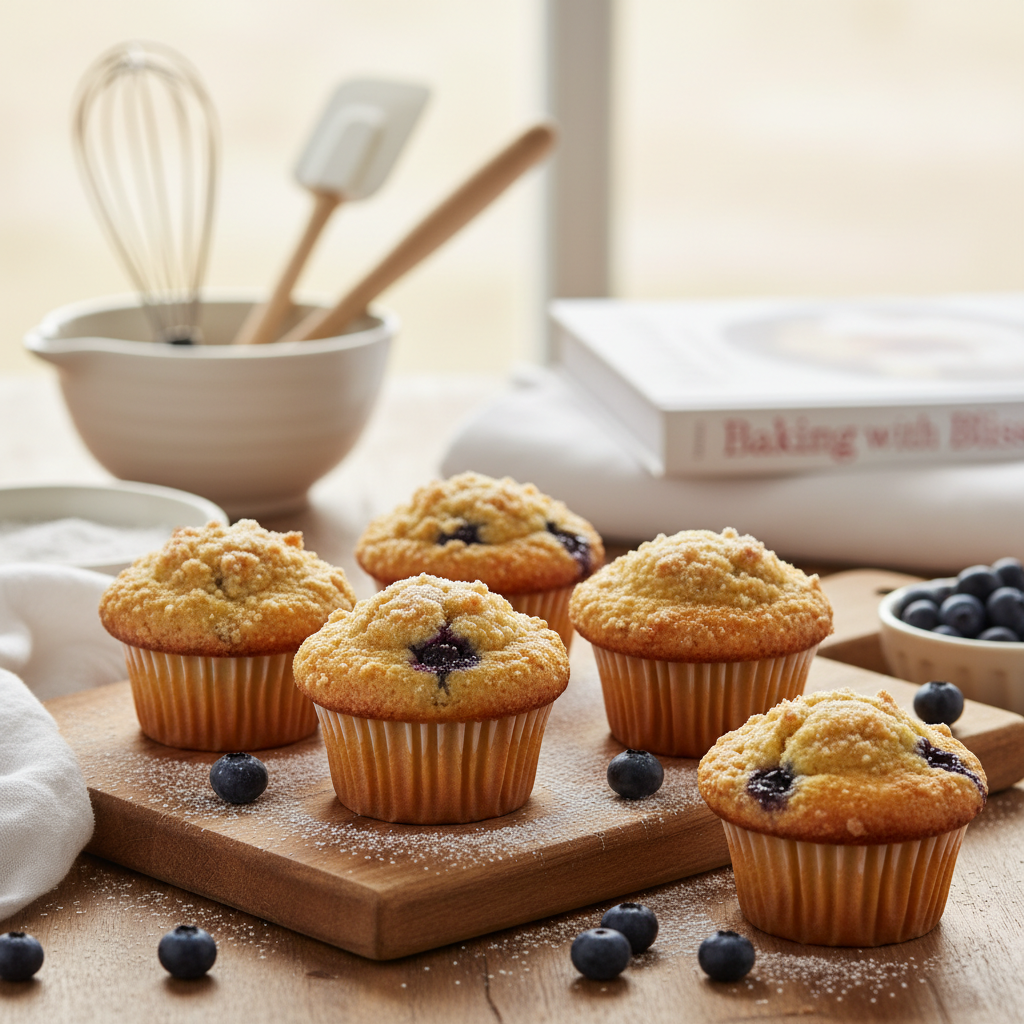
Baking with Bliss: 5 Essential Tips for Crafting Perfectly Fluffy Muffins Every Time
Baking muffins is one of those magical culinary experiences that transforms a simple mix of ingredients into delightfully fluffy bites of joy. Whether enjoyed at breakfast, as an afternoon snack, or even as a sweet treat for dessert, muffins have secured their spot as a beloved staple in kitchens around the globe. However, crafting the perfect muffin can often feel elusive. Many home bakers struggle with achieving that desirable lightness—often resulting in dense, disappointing results. As we explore the elements that contribute to muffin perfection, it’s essential to remember that baking is both an art and a science. By mastering a few fundamental techniques, you can create muffins that are consistently fluffy and irresistibly delicious.
In this blog post, we will delve into the nuances of muffin-making, offering five essential tips that will have you baking like a seasoned pro. From ingredient selection to mixing methods and baking temperatures, each aspect plays a vital role in achieving the perfect muffin. Our goal is to empower you with knowledge and skills that will allow you to express your creativity in the kitchen while simultaneously ensuring that your baked goods impress family and friends alike. So grab your apron and let’s dive into the world of muffins, where a touch of bliss is just a batch away!
Muffins may seem straightforward, comprised mainly of flour, sugar, eggs, and a leavening agent, but the magic lies in the details. Every component, from the type of flour you choose to the temperature at which you bake, can drastically alter the outcome. These subtle differences can make the leap from mediocre to molten perfection. To help guide you through this delicious journey, we will share insights derived from years of baking experience, so you can confidently whip up your desired flavor combinations, whether they be blueberry, chocolate chip, or nothing more complicated than a lovely moist banana muffin. Let’s roll up our sleeves and get baking!
Understanding the Ingredients
Baking exceptional muffins begins with a grounded understanding of the key ingredients that bring these treats to life. Each ingredient serves a specific function, working together in harmony to create the luscious, tender, and fluffy texture that we crave.
Flour: The Foundation of Muffin Making
The choice of flour is crucial to the texture of your muffins. Most muffin recipes typically call for all-purpose flour, which has a moderate protein content of about 10-12%. This protein level creates a balance between structure and tenderness. However, if you're looking for a unique texture or flavor, consider integrating other flour types:
Pro Tip: Always sift your flour before measuring. This process aerates the flour, enhancing the fluffiness of your muffins.
Sugar: Not Just for Sweetness
Sugar does more than just sweeten your muffins; it plays a significant role in texture and moisture retention. Different types of sugars yield different results:
"Quality ingredients lead to quality muffins. Don’t skimp on what you use!"
Eggs and Leavening Agents: The Rising Stars
Eggs provide structure and richness, and they act as a binding agent in muffin recipes. Typically, you'll use one to two large eggs, depending on the size of the batch.
Leavening agents, such as baking powder or baking soda, are indispensable for fluffiness. Understanding the difference is critical:
Fats: Adding Moisture and Flavor
Fats enhance the flavor and moisture of your muffins. Common choices include:
In every muffin recipe, the total amount of fat, typically around ½ cup for a standard batch, should be carefully measured to ensure desired results.
Mastering the Mixing Method
The mixing technique you employ can make or break your muffin game. Too much mixing can lead to chewy, dense muffins, while insufficient mixing may result in lumps of flour. Understanding the mixing method is vital to achieving that light, airy texture we yearn for.
The Muffin Method
The most commonly used method for muffins is the Muffin Method, which consists of combining wet ingredients separately from dry ingredients. Here’s a step-by-step approach:
Folding Techniques
When mixing your ingredients, use a gentle folding method rather than stirring vigorously. Here’s how:
Emphasizing gentleness in this technique helps preserve the air bubbles created by the leavening agents, ensuring your muffins remain fluffy.
"Gentleness is key in muffin making—less is often more!"
Temperature Matters
The temperature of your ingredients and your oven plays an integral role in muffin success. Achieving the right baking temperature can mean the difference between a perfectly baked muffin and one that’s dry or undercooked.
Room Temperature Ingredients
For the best results, always use ingredients that are at room temperature, especially eggs and dairy. Cold ingredients can lead to uneven batter mixing, affecting the overall rise and texture of the muffins.
Pull Quote: "Room temperature ingredients equal uniform baking—better rise, better taste!"
How to bring your ingredients to room temperature:
Preheating Your Oven
Always preheat your oven to the correct temperature before baking muffins. This ensures a quick rise, which contributes to a fluffy texture. Most muffin recipes call for a baking temperature between 375°F and 425°F (190°C to 220°C).
Here’s a recommended approach:
Baking Time and Techniques
Understanding baking times can be another hurdle in your muffin journey. The usual baking time for muffins ranges between 18 to 25 minutes, depending on the recipe and the size of the muffins.
Indicators of Doneness
Many home bakers often wonder how to tell if their muffins are truly done. Here are a few essential tips to determine doneness:
Cooling Properly
Once your muffins are baked, proper cooling is essential.
"Cool muffins on a rack; it’s the secret to avoiding a soggy bottom—no one wants that!"
Flavorful Variations
Muffins are incredibly versatile and can be adapted to suit various tastes and dietary preferences. Let’s explore some popular flavorful variations that you can incorporate into your muffin baking repertoire.
Classic Blueberry Muffins
Blueberry muffins are beloved for their explosion of flavor and vibrant color. Here’s a simple recipe to whip up a batch:
- 2 cups all-purpose flour
- 1 cup granulated sugar
- 2 tsp baking powder
- ½ tsp salt
- 1 cup milk
- ½ cup melted butter
- 2 large eggs
- 1 cups fresh or frozen blueberries
1. Preheat your oven to 400°F (200°C) and prepare a muffin tin with paper liners.
2. In a bowl, mix dry ingredients, then combine them with the wet ingredients while folding in the blueberries.
3. Bake for 20-25 minutes until a toothpick comes out clean.
Savory Muffins: Cheddar and Chive
For a delightful twist, savory muffins such as cheddar and chive can be a game-changer.
- 2 cups all-purpose flour
- 1 tbsp baking powder
- ½ tsp salt
- ½ cup shredded cheddar cheese
- ¼ cup chopped fresh chives
- 1 cup buttermilk
- 1/3 cup melted butter
- 1 large egg
1. Preheat your oven to 375°F (190°C).
2. Mix the flour, baking powder, and salt, then fold in cheddar and chives.
3. Combine wet ingredients and add to the dry mixture, stirring gently.
4. Bake for 18-20 minutes until golden brown.
Seasonal Variations
Muffins are perfect for seasonal flavors like pumpkin in the fall or strawberry in spring. Here’s a quick guide on how to adjust flavors based on seasons, making it easier to experiment with what’s fresh:
Conclusion
Baking muffins is a delightful and rewarding experience that invites you to explore flavors, techniques, and creativity in the kitchen. With these five essential tips under your belt, you’ll be well-equipped to tackle muffin-making like a pro. Understanding your ingredients, mastering mixing techniques, and controlling baking temperatures are key steps toward achieving perfectly fluffy muffins every time.
Remember that practice makes perfect. Don’t be afraid to experiment with flavors and textures to find your personal favorite combination. You might discover that your best muffin creation is just a few tweaks away from a traditional recipe. Happy baking, and may your kitchen be filled with the blissful aroma of freshly baked muffins! It's time to embrace the joy of baking and share your delectable creations with friends and family—who knows, you might be the chef everyone will blame when they eagerly come back for seconds!

Get the Next Recipe
Weekly recipes, techniques, and gear picks — straight to your inbox.
