
Best Cast Iron & Carbon Steel Pans for Steak (2026)
The pursuit of the perfect steak at home is a culinary rite of passage that separates the casual cook from the true home gourmand. We have all stood in front of a scorching stove, heart pounding, hoping to achieve that elusive, deep mahogany crust that looks like it belongs on the menu of a world-class steakhouse. The secret, as any seasoned professional will tell you, rarely lies in a complex recipe or an expensive rub; instead, it is found in the physical interaction between your protein and the metal beneath it. Choosing the right pan is the foundational decision that dictates whether your steak will emerge with a textbook sear or end up gray, steamed, and lackluster. As we move further into 2026, the technology and craftsmanship behind pans have evolved to offer home cooks levels of performance that were once reserved strictly for the commercial line.
When we talk about the chemistry of a steak, we are talking about the Maillard reaction, the complex chemical dance between amino acids and reducing sugars that occurs at high heat. To trigger this effectively, you need a pan that can maintain extreme thermal stability while conducting heat rapidly enough to keep up with the cold mass of a raw steak. Cast iron and carbon steel are the two titans of this domain, each offering distinct advantages in terms of heat retention, weight, and responsiveness. While both are technically iron-based, their performance profiles differ significantly in how they interact with moisture and temperature fluctuations. Understanding these nuances is not just about equipment; it is about taking full control of your kitchen workflow.
Throughout this guide, we will explore the engineering behind the best pans available today, analyze their maintenance requirements, and teach you the professional techniques required to maximize their potential. From the rugged, heavy-duty durability of a classic lodge-style skillet to the sleek, nimble, and highly responsive carbon steel pans favored by line cooks in Parisian bistros, we are going to cover everything you need to know. You should approach your cookware not as a collection of static objects, but as a dynamic toolset that evolves with your skills. By the end of this deep dive, you will have the knowledge to select the perfect vessel for your next ribeye, New York strip, or filet mignon, ensuring that every sear is as consistent as it is delicious.
Understanding the Physics of the Pan
At the heart of every great steak is the concept of thermal mass. When a room-temperature steak hits a cold or thin pan, the temperature of the surface drops instantly, causing the meat to release its juices rather than searing. This results in the dreaded gray band, where the exterior is overcooked before the crust even begins to form. A high-mass pan acts like a battery, storing heat and releasing it steadily into the meat regardless of the ambient conditions. Cast iron is the undisputed king of thermal mass, possessing a thickness and density that keeps the surface hot even when you drop a thick, cold porterhouse onto it.
The Thermal Conductivity Difference
Carbon steel, by comparison, is generally thinner and has a different crystalline structure, which allows it to react faster to changes in stove heat. If you are searing a steak and realize the pan is getting too hot, a carbon steel skillet will cool down noticeably faster than a heavy cast iron piece. This makes it an exceptional choice for cooks who want to bridge the gap between a searing pan and a versatile sauté pan. However, the trade-off is that you must be more active with your heat management, whereas cast iron is a "set it and forget it" powerhouse that demands patience but delivers consistent results.
The secret to a perfect sear is not the heat of the fire, but the ability of the pan to hold that heat against the cooling influence of the protein.
When selecting between the two, consider your burner output. If you are cooking on a standard residential electric range or a low-BTU gas burner, carbon steel often performs better because it heats up more quickly and maintains an even distribution without needing the immense energy required to get a massive cast iron pan up to searing temperature. Conversely, if you have a high-output burner, cast iron will allow you to hold massive temperatures for extended periods, making it the ideal choice for massive, thick-cut steaks that require a longer sear time.
Cast Iron: The Heavyweight Champion
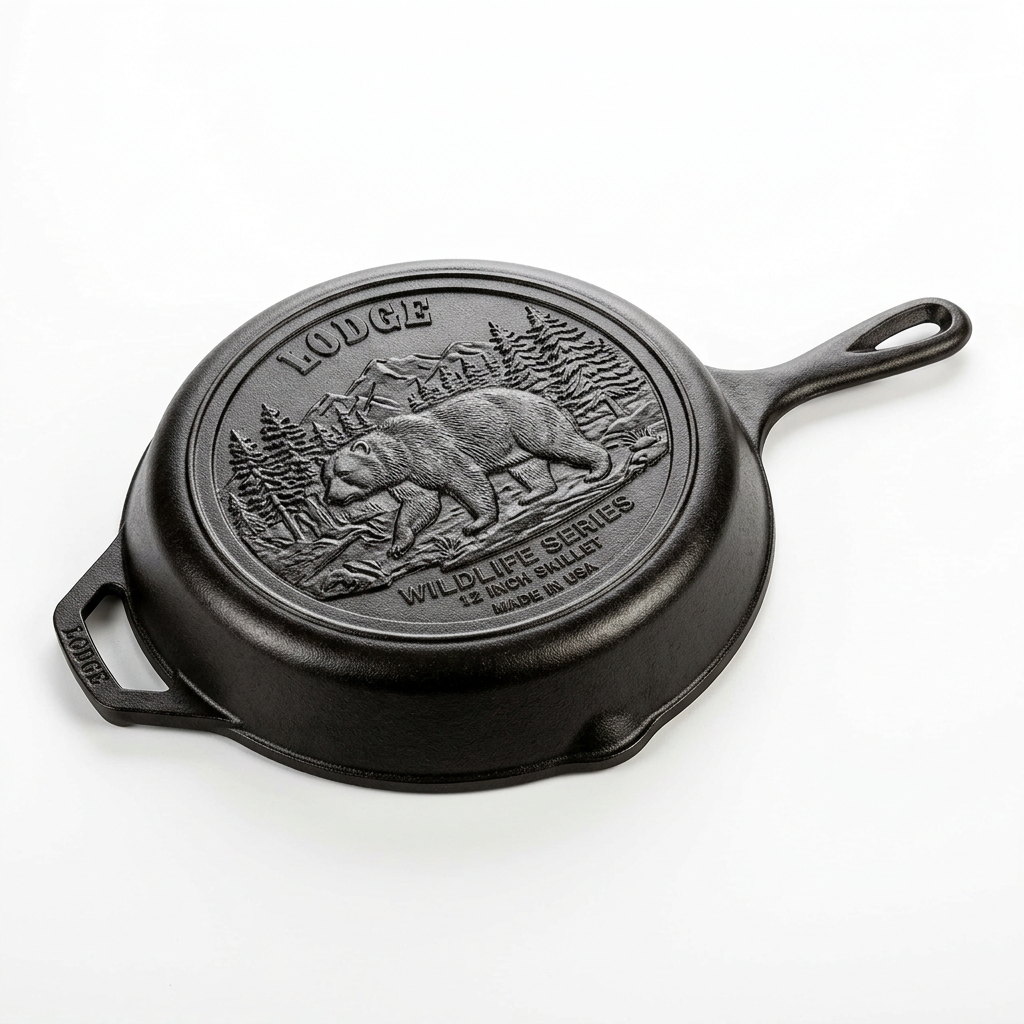
For generations, cast iron has been the backbone of the American kitchen. Its ability to hold heat is unmatched, creating a thermal reservoir that is virtually impossible to crash. Modern advancements have refined these pans significantly; today’s high-end cast iron is often milled to a smooth, non-stick finish that was traditionally only achievable through decades of seasoning. The weight of these pans is their primary feature, acting as a buffer against fluctuations in your stovetop’s temperature, which ensures that your crust is even across the entire surface of the steak.
The Benefits of Modern Surface Finishing
Many vintage cast iron collectors spend years looking for "polished" pans, but today’s market leaders have automated this process. A smooth surface ensures that the entire surface area of the steak makes contact with the hot metal. When a pan is rough or pitted, you are essentially cooking your steak on air pockets, which prevents that uniform, dark crust. When choosing a cast iron pan for steak, look for a heavy gauge—at least 6 to 8 pounds for a 12-inch skillet. This weight is your best friend when trying to achieve that deep, caramelized dark brown color.
Carbon Steel: The Chef’s Secret Weapon
If you ever watch a high-speed service in a restaurant kitchen, you will notice that almost every chef is holding a carbon steel pan. They are light, nimble, and incredibly responsive. Unlike cast iron, which can feel clunky and difficult to maneuver, carbon steel allows you to toss, flip, and move the pan with grace. For the home cook, this means you can easily basting your steak with butter, garlic, and rosemary—the classic arroser technique—without feeling like you are lifting a lead weight.
The Transition to Carbon Steel
Carbon steel requires a similar seasoning process to cast iron, but it is often easier to maintain because it is less prone to cracking under high heat. Because the metal is thinner, it is also slightly more prone to warping if subjected to rapid temperature changes, so never take a screaming-hot carbon steel pan and plunge it into cold water. Treat it with the same respect you would a high-quality knife, and it will reward you with a naturally non-stick surface that improves with every single steak you cook.
A carbon steel pan is not just a tool; it is an extension of the chef’s arm, allowing for the kind of precision basting that makes restaurant-quality steaks possible at home.
When buying carbon steel, look for a thickness of at least 2.5mm to 3mm. This thickness provides the perfect balance between the responsiveness you need for quick flips and the thermal mass necessary to prevent the surface from cooling down during the searing process. Brands like Debuyer or Misen have become industry standards for a reason, offering consistent steel quality that won't buckle under the pressure of a 500-degree sear.
Preparing Your Steak for the Pan
Regardless of which pan you choose, the preparation of the meat is where the battle is truly won or lost. Professional chefs emphasize the importance of moisture management. Surface moisture is the enemy of the Maillard reaction. If the surface of your steak is wet, the energy from the pan will first go into evaporating that water, which turns your sear into a steam. Always pat your steak dry with high-quality paper towels at least 15 minutes before it hits the pan, and ideally, leave it uncovered in the refrigerator for an hour to dry out the exterior even further.
The Salt and Seasoning Protocol
Salting is a science. You should salt your steak at least 45 minutes before cooking, or immediately before it hits the pan. If you salt it 10 to 20 minutes before, you are essentially drawing moisture out of the steak onto the surface, which is the worst possible timing. If you salt long before, the salt will penetrate the meat, drawing moisture out and then reabsorbing it as a brine, which actually improves the seasoning profile of the internal muscle fibers.
Pat dry:* Use thick paper towels to remove all surface moisture.
The Salt Rule:* Salt early or right at the moment of contact.
Oil the meat:* Apply a light coating of high-smoke point oil directly to the steak rather than the pan to prevent smoking and sticking.
The Cold-Start Myth:* While some suggest cold-starting, for a professional crust, you want your pan at least 400°F (204°C).
The Arroser Technique: Basting for Flavor
Once you have established your sear, the next step in the professional process is the butter basting, or arroser. This is where cast iron and carbon steel truly shine. As the internal temperature of the steak approaches 115°F, drop in a knob of high-fat butter, a few smashed cloves of garlic, and fresh sprigs of thyme or rosemary. Tip the pan slightly so the bubbling, aromatic butter pools at the bottom, and use a large spoon to continuously baste the steak.
Why This Technique Works
The fat acts as a thermal conductor, filling in the gaps where the steak might not be making perfect contact with the pan. The garlic and herbs infuse the fat, which then permeates the crust of the steak. This is how you achieve that intense, complex flavor profile that distinguishes a home-cooked steak from one that was simply scorched in a pan. Be careful not to burn the butter; if the butter turns dark brown too quickly, your heat is likely too high, or you have added the aromatics too early in the process.
Maintaining Your Investment
If you invest in a premium cast iron or carbon steel pan, it should technically last a lifetime. Unlike non-stick pans that have a shelf life of a few years due to their chemical coatings, your iron-based pans are essentially immortal. The key to longevity is managing your seasoning. Seasoning is not a one-time event; it is a continuous cycle of polymerization. Every time you cook with fats at high heat, you are effectively adding a new layer of protection to your pan.
Troubleshooting Common Issues
If your pan starts to look dull or sticky, it is likely that you have an uneven buildup of carbonized food or an improper seasoning layer. Do not be afraid to scrub your pan. Using a bit of coarse salt and a stiff brush will remove the grime without stripping the seasoned base. If you ever have a major issue, like rust, simply scrub it back down to bare metal with steel wool, wash it, and restart the seasoning process. It is a forgiving process, and a pan with 50 layers of seasoning is always better than a pan with one.
The Future of Home Cookware in 2026
As we look toward the future, the integration of smart technology with traditional metallurgy is becoming more prevalent. In 2026, we are seeing the rise of pans with embedded thermal sensors that connect to your phone to monitor the exact surface temperature. While this might sound like a gimmick to traditionalists, it provides a level of data that helps home cooks understand exactly when the "sweet spot" of the pan has been reached. However, despite these technological advancements, the fundamental physics of the steak remain the same.
Regardless of whether you are using a 100-year-old cast iron skillet or a state-of-the-art carbon steel pan, the path to the perfect steak remains rooted in the basics. Respect the heat, manage your moisture, and never be afraid to push the limits of your searing temperature. The difference between an okay steak and a life-changing one is the confidence you bring to the stove. With the right pan as your partner, you are no longer just a home cook; you are a technician of heat and protein.
Final Thoughts
The journey to mastering the perfect steak is a marathon, not a sprint. Every time you sear a piece of meat, you learn something new about how your stove reacts to your pan, and how the meat reacts to your heat. There will be nights where the crust is perfect, and there will be nights where you might have left it on the heat for thirty seconds too long. That is the beauty of the craft. Embrace the process, keep your pans seasoned, and remember that "Blame The Chef" is a moniker for taking responsibility for your growth in the kitchen.
You now possess the knowledge to distinguish between the heat-retention heavyweights and the responsive masters of the stovetop. Whether you choose the rugged endurance of cast iron or the nimble precision of carbon steel, your next steak is guaranteed to be a step above the last. Take these techniques, invest in quality equipment that suits your cooking style, and continue to explore the nuances of fire and iron. The perfect sear is waiting for you, and with the right tools in hand, it is closer than you think. Keep cooking, keep learning, and above all, enjoy the delicious results of your hard work.

Get the Next Recipe
Weekly recipes, techniques, and gear picks — straight to your inbox.
