Best Cast Iron & Carbon Steel Pans for Steak (2026)
The pursuit of the perfect steak at home is a rite of passage for every dedicated home cook, yet so many of us stumble at the most fundamental hurdle: the pan. We spend hundreds of dollars on prime ribeye, meticulously dry-brine our cuts, and invest in precision immersion circulators, only to settle for a lackluster sear because our cookware simply isn't up to the task. The difference between a grey, steamed piece of meat and a restaurant-quality, mahogany-crusted masterpiece often comes down to the thermal mass and material science of the surface you choose. In this guide, we are stripping away the marketing fluff to examine the heavy hitters of the culinary world—cast iron and carbon steel—to help you decide which tool deserves the prime real estate on your stovetop for the next several years.
When we talk about steak, we are talking about the Maillard reaction, that complex chemical dance between amino acids and reducing sugars that transforms a bland piece of protein into a flavor-packed experience. To achieve a deep, even crust without overcooking the delicate center, you need a pan that can maintain extreme heat while being subjected to the shock of cold, room-temperature meat. This is where modern non-stick pans fail, and where cast iron and carbon steel truly shine. While they share similar characteristics, they serve different masters in the kitchen, and understanding the nuances of their weight, heat retention, and maintenance will empower you to take full control of your kitchen workflow.
"Blame The Chef" is built on the philosophy that great food isn't just about recipes; it is about mastering the physics of cooking. You don't need a professional brigade behind you to command the heat, but you do need the right foundation. As we look ahead to 2026, the market is flooded with high-end artisanal options and mass-produced imports, making it difficult to discern what is worth your hard-earned money. Throughout this deep dive, we will explore why thermal conductivity and emissivity matter, how to manage your seasoning, and which specific pans will survive the test of time, trial, and fire to provide you with the most consistent, repeatable sear of your life.
The Case for Thermal Mass: Why Cast Iron Reigns
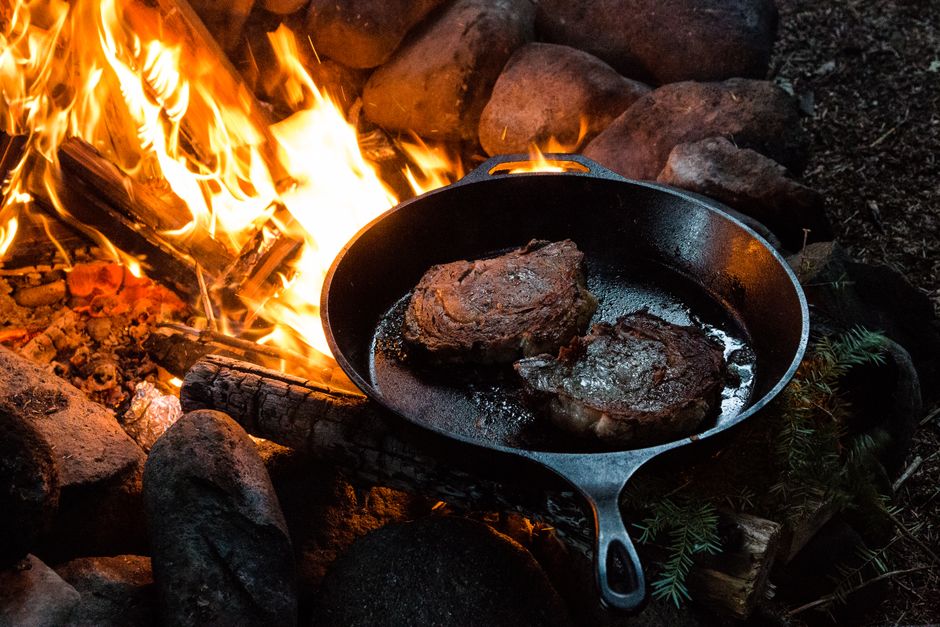
Cast iron is the undisputed heavyweight champion of the home kitchen, a material that has been the backbone of culinary tradition for centuries. Its primary advantage is its immense thermal mass, which refers to its ability to hold a massive amount of energy. When you drop a thick, cold steak into a preheated cast iron skillet, the pan barely notices the change in temperature. This is vital because if the pan's temperature drops too significantly, your steak will release its moisture, effectively steaming itself rather than developing that crisp, delicious crust we all crave.
The surface of cast iron is naturally porous and bumpy, which is actually a benefit when you are building up layers of polymerized oil, otherwise known as seasoning. As you repeatedly heat oil past its smoke point, it turns into a hard, slick layer of carbon that acts as a natural non-stick surface. This seasoning isn't just about sticking; it is about protection. A well-maintained cast iron skillet will become more non-stick with every single steak you cook, essentially becoming a living record of every meal you have prepared for your family.
"A well-seasoned cast iron skillet isn't just a tool; it is a time machine. The more you cook, the better it performs, creating a legacy that you can literally pass down to the next generation of home cooks."
Understanding the Limitations of Cast Iron
While the weight of cast iron is its biggest strength, it is also a significant hurdle for some home cooks. A 12-inch heavy-duty skillet can easily weigh upwards of eight or nine pounds. For those with limited wrist strength or those who prefer to keep their stovetop tools agile, this can be a deterrent. Furthermore, cast iron is notoriously slow to heat up and slow to cool down. If you overshoot your target temperature, there is no quick fix—you are committed to that heat level until the pan naturally loses its energy.
Despite these hurdles, the performance on high-heat searing is unmatched. Because of its thickness, cast iron provides the most even heat distribution across the bottom of the pan, provided you give it enough time to preheat properly. A common mistake is putting a steak in too early; you should always allow your cast iron to preheat over medium heat for at least 8 to 10 minutes before turning it up to high for the final searing stage.
Carbon Steel: The Professional's Agile Alternative
If cast iron is the sledgehammer of the culinary world, carbon steel is the katana. It is made from a composition of roughly 99% iron and 1% carbon, which allows it to be much thinner and lighter than cast iron while maintaining incredible durability. Many professional line cooks prefer carbon steel because it reacts almost instantly to changes in heat. When you need to move from a high-heat sear to a gentle butter-basting stage, carbon steel responds to the dial on your range far more effectively than its thicker, heavier cousin.
Carbon steel requires a similar seasoning process as cast iron, but it often takes a bit longer to build that initial, uniform slick layer. Because the metal is smoother and less porous, the seasoning process requires more patience, but the result is a pan that is incredibly easy to maintain. Once it is properly broken in, it slides eggs and scallops just as well as any Teflon-coated pan, without the risk of toxic chemicals or the fragility of non-stick coatings that lose their efficacy over time.
Why Speed and Precision Matter
In a professional setting, efficiency is the currency. Carbon steel allows the chef to manipulate the pan’s temperature with ease. If your steak is browning too quickly, a simple slide to a cooler burner or a quick adjustment of the flame provides instant feedback. This makes carbon steel an excellent choice for cooks who are still refining their heat management techniques. If you are tired of the "carryover" heat in cast iron resulting in a grey band around the edges of your steak, carbon steel might be the technical upgrade you have been looking for.
"The magic of carbon steel lies in its responsiveness. It bridges the gap between the rugged durability of traditional iron and the agility required to execute delicate pan-sauces or rapid, precise searing in a high-pressure environment."
Building Your Seasoning Routine
Material Science: Cast Iron vs. Carbon Steel
When comparing these two for steak, we must look at the specific thermal conductivity of the metals. Cast iron is brittle and has a lower thermal conductivity than some other metals, but its sheer volume makes up for this. Carbon steel, being thinner, has a higher thermal conductivity, meaning heat transfers from the burner to the food faster. This is why carbon steel is often chosen for stir-fries and searing, where rapid heat response is necessary to keep vegetables crisp or proteins from overcooking.
However, heat retention is the real game-changer for thick-cut steaks. If you are searing a 1.5-inch thick bone-in ribeye, you need a pan that won't lose its heat the moment that cold meat hits the surface. A 12-inch cast iron skillet holds more heat energy than a carbon steel pan of the same size. Therefore, if your priority is the deepest, most aggressive crust on a thick steak, cast iron is the slightly superior choice. If you prefer a thinner cut or a more delicate finish, carbon steel wins on versatility.
The Myth of the "Hot Spot"
Many home cooks fear the dreaded hot spot. While it is true that thinner pans are more prone to uneven heating, a high-quality carbon steel pan (especially one of a decent gauge) will perform perfectly on a standard stovetop. The key is the preheating ritual. Never place your steak in the pan the moment you turn on the burner. Allow the metal to expand and distribute heat evenly. Use an infrared thermometer if you are truly concerned; you want the surface temperature of the metal to be a consistent 450-500 degrees Fahrenheit before the meat makes contact.
Technique: The Perfect Pan-Seared Steak
Regardless of whether you choose cast iron or carbon steel, the technique for the perfect steak remains largely the same. First, start with a dry surface. Pat your steak dry with paper towels to remove all surface moisture. This is the single most important step for achieving a crust. If the meat is damp, the energy of the pan is spent evaporating water, which takes the temperature of the surface down and results in a pale, steamed steak.
Next, season aggressively with kosher salt about 45 minutes before cooking. This allows the salt to draw moisture out and then reabsorb it, seasoning the meat deep inside. When you are ready to cook, add a high-smoke-point oil (grapeseed, canola, or clarified butter) to the pan, just enough to coat the bottom. When the oil ripples and begins to wispy-smoke, lay the steak away from you to avoid hot oil splatter.
The Basting Phase
Once you have achieved a mahogany sear on the first side (about 3-4 minutes), flip the steak. At this stage, lower the heat slightly and add two tablespoons of unsalted butter, two smashed cloves of garlic, and a sprig of fresh thyme or rosemary. This is the aromatic basting phase. Tilt the pan slightly so the butter collects at the bottom, and use a large spoon to continuously bathe the steak in the foaming, herb-infused butter. This process not only adds flavor but also helps the steak reach its internal target temperature (125-130°F for medium-rare) evenly.
Maintenance and the "Forever Pan" Philosophy
Both cast iron and carbon steel are designed to be "forever pans," provided you treat them with respect. Unlike stainless steel or non-stick surfaces, these pans require active engagement. After you finish cooking your steak, clean the pan while it is still warm. Use a nylon brush or a chain-mail scrubber to remove any stuck-on bits. Avoid using harsh soaps or soaking the pan, as this can degrade the seasoning you have spent hours building.
If you do strip your seasoning, don't panic. One of the great joys of these materials is that they are entirely repairable. You can strip them down to the bare metal and restart the seasoning process at any time. This makes them the most sustainable cookware in your home. Instead of buying a new non-stick pan every two years, you are investing in a piece of equipment that will likely perform better in ten years than it does today.
Professional Tips for Longevity
* Always dry your pan on the stovetop after cleaning; never let it air dry, as this invites rust.
* Rub a very small amount of oil onto the surface after drying to keep the metal hydrated.
* If you find a spot of rust, simply scrub it away with steel wool and re-season immediately.
* Do not be afraid to cook acidic ingredients occasionally, but be aware that they can strip a thin seasoning layer; just keep an eye on it.
The 2026 Landscape: Recommended Brands
As we look at the market for 2026, the resurgence of heritage-style cast iron has been fascinating. Brands like Smithey and Field Company have elevated the aesthetic of cast iron, producing skillets that are lighter and smoother than traditional lodge-style pans. While they come at a premium price, the refined finish and lighter weight bridge the gap between traditional cast iron and carbon steel. They are worth the investment for a serious home cook who spends a significant amount of time at the stove.
For carbon steel, brands like Made In and De Buyer have become the gold standard. De Buyer’s Mineral B line is virtually indestructible and offers a consistent gauge that handles high heat beautifully. Made In has focused on a more refined, ergonomic handle design that makes the pan easier to maneuver, which is a major bonus for those who are intimidated by the weight of traditional pans. Both brands offer excellent performance, and the choice between them often comes down to personal preference regarding handle comfort and pan shape.
Selecting Your Size
* 10-inch skillet: Perfect for a single steak or smaller, everyday tasks.
* 12-inch skillet: The industry standard for home cooking; large enough for two steaks without overcrowding the pan.
* 14-inch skillet: Necessary if you are cooking for a family or multiple steaks, but ensure your burner is large enough to heat the entire surface area.
Mastering Heat: A Chef's Secret
The final piece of the puzzle is understanding heat management relative to your specific stovetop. Whether you are using induction, gas, or electric, the goal is to provide a consistent flow of energy to the pan. If you use gas, ensure the flame doesn't lick up the sides of the pan, as this can burn the seasoning on the exterior. If you use electric or induction, be mindful that these surfaces can sometimes create localized heat spots if the pan isn't perfectly flat.
Investing in a high-quality thermometer is just as important as investing in a pan. Never rely on time alone. Use an instant-read digital thermometer to monitor the internal temperature of your steak. For a perfect medium-rare, pull the steak at 125°F and let it rest for at least ten minutes. The carryover heat will bring it to the perfect 130-135°F range while allowing the juices to redistribute throughout the muscle fibers.
Conclusion
Elevating your home cooking game is a journey, not a destination. By moving away from disposable, non-stick convenience and embracing the robust nature of cast iron and carbon steel, you are making a commitment to better food and a better culinary experience. Both materials are masters of heat, capable of delivering that elusive, deep crust that defines the difference between a home-cooked meal and a restaurant-caliber steak.
Choose cast iron if you value raw heat retention and the heavy, traditional feel of a tool that can weather any storm. Choose carbon steel if you value agility, responsiveness, and a slightly more refined handling experience. In either case, remember that the most important element of the process is your own patience. Preheat your pan, dry your steak, and take the time to build and maintain your seasoning.
As we move through 2026 and beyond, continue to experiment with your techniques. Play with different fats, explore dry-aging your own cuts, and never stop refining your understanding of how heat interacts with protein. You have the tools, and now you have the knowledge. The next time you find yourself staring at a grey, uninspired piece of meat, you will know exactly how to fix it. Blame the chef? Not anymore. You are in control of the heat, the crust, and the final, delicious result on the plate. Happy searing, and may your steaks always be perfectly rendered and beautifully crusted.
Your kitchen is your workshop, and your pans are the extensions of your hands. Treating them with the care they deserve will pay dividends in every meal you prepare. Whether you are searing a thick dry-aged ribeye for a special occasion or just quickly searing a flank steak for a weeknight salad, the confidence you gain from mastering these tools will bleed into every other aspect of your cooking. Do not fear the heat; respect it, manage it, and let it work for you to create the flavors that define great cuisine. The path to perfection is paved with well-seasoned metal and a consistent, disciplined technique. Welcome to the elite tier of home cooking.
Finally, remember that the most important component in the kitchen is you. The pans are merely vessels for your intent and your expertise. By mastering the fundamentals outlined in this guide, you have laid the groundwork for years of successful steak dinners. Keep your pans clean, keep your seasoning thick, and never settle for anything less than a perfect sear. With time, these pans will become more than just cookware; they will be the reliable partners in your culinary life, standing by to deliver excellence every single time you fire up the burner. Go forth and cook with confidence, knowing you have the right tools to turn every cut of meat into a spectacular dining experience. We are proud to support you on this journey toward culinary mastery, one steak at a time. The evolution of your technique starts tonight, and the results will speak for themselves in every bite. Keep pushing the boundaries of what you think is possible in your own home, and remember that in the world of "Blame The Chef," we never blame the ingredients—we simply master the fire.
Continue to iterate on your process. Try different types of oil, experiment with different resting times, and challenge yourself to master the temperature of your pans. There is always more to learn and more flavor to extract from the Maillard reaction. By honing your craft, you are not just making dinner; you are creating memories and traditions for those you feed. The skill of perfectly searing a steak is one that will be admired by friends and family alike for years to come. Hold your head high, stand over that stove, and command the heat. You are the architect of your own culinary success. Enjoy the process as much as the final dish, for that is where the true joy of cooking resides. Your journey is only just beginning, and we are thrilled to have you with us in the kitchen. Keep the pans hot, keep the seasoning slick, and keep crafting brilliance. The future of your home kitchen looks incredibly bright, and the standard is set higher than ever before. Cheers to many more delicious, perfectly crusted steaks in your future. Stay hungry, stay curious, and keep cooking with passion and precision. Every session at the stove is an opportunity to improve, and with these foundations, there is no limit to what you can achieve. Whether you are searing a strip, a ribeye, a filet, or a skirt steak, the principles remain consistent. Master the technique, trust your tools, and never shy away from the fire. You have everything you need to be the master of your own kitchen.
Get the Next Recipe
Weekly recipes, techniques, and gear picks — straight to your inbox.
