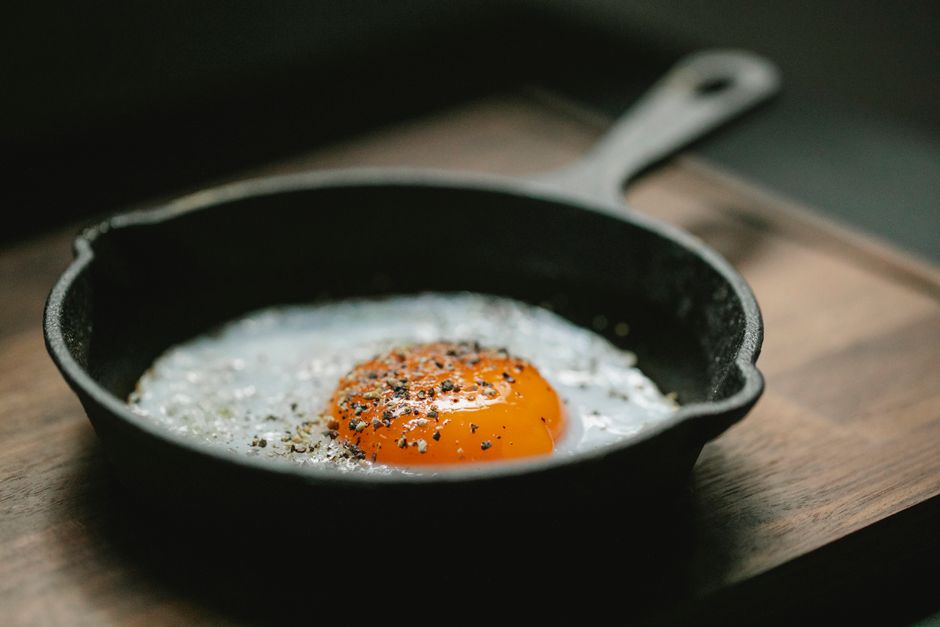
Best Cast Iron Skillet (2026): Top 5 Picks
The cast iron skillet is more than just a kitchen tool; it is a culinary heirloom that defies the ephemeral nature of modern non-stick coatings. In a world where gadgets and fragile pans flood the market, the cast iron skillet stands as a bastion of durability, performance, and versatility. Whether you are searing a thick ribeye to a perfect medium-rare crust or baking a rustic skillet cornbread that crisps beautifully at the edges, this pan is the ultimate workhorse in any serious home kitchen. By choosing the right skillet, you are not just making a purchase; you are investing in a piece of equipment that will likely outlive your own time in the kitchen, becoming a seasoned companion for every meal you create.
To truly understand why the cast iron skillet remains the gold standard for chefs, one must appreciate the science of thermal mass. Unlike thin aluminum or stainless steel pans, a high-quality cast iron skillet holds onto heat with remarkable tenacity. This allows for an even sear, preventing the common kitchen tragedy of cooling down the pan surface the moment cold protein hits the metal. Mastering this pan requires a shift in mindset: it is about learning how to manage heat, understanding the chemistry of the Maillard reaction, and respecting the maintenance ritual that keeps the surface slick and protected against rust.
As we look toward the landscape of home cooking in 2026, the market has evolved to offer everything from heirloom-style hand-poured pans to lightweight, modern hybrids. Navigating these options can be overwhelming, but the criteria for excellence remain consistent. We are looking for superior heat retention, a refined surface texture that encourages polymerization of oil, and a balance of weight that makes maneuvering the pan possible without feeling like you are lifting a lead weight. This guide will take you through the definitive top five picks, helping you cut through the marketing fluff and choose the pan that belongs on your stovetop for decades to come.
The Foundation of Excellence: Understanding Cast Iron
Before we dive into the specific models, we must clarify what makes a pan truly great. The manufacturing process dictates the performance. Most professional-grade cast iron undergoes a process of casting in sand molds, but the final surface finish is where the magic happens. A pan that comes out of the box with a rough, sandpaper-like texture requires significantly more seasoning cycles before it performs at an elite level. Ideally, you want a surface that has been machined or polished down to a smoother finish, which provides less resistance for food and a more consistent release.
Thermal Conductivity vs. Heat Retention
Many home cooks confuse thermal conductivity with heat retention. Cast iron is actually a relatively poor conductor of heat compared to copper or aluminum, meaning it takes longer to get hot. However, its high thermal mass means that once it is hot, it stays hot. This is why it is the superior choice for searing. When you drop a room-temperature steak into a 450-degree Fahrenheit skillet, the pan’s temperature barely flickers. This ensures that you get that deep, dark brown crust on your meat without the risk of the pan cooling down and steaming the protein instead of searing it.
"The true secret to professional searing isn't just the meat; it is the unwavering thermal mass of the cast iron. If your pan temperature drops upon contact, you’ve already lost the battle for the perfect crust."
The Seasoning Ritual
Seasoning is not a one-time event; it is a continuous journey. At its core, seasoning is the polymerization of fats into the pores of the metal. When you heat an oil like grapeseed or flaxseed past its smoke point, it changes its molecular structure from a liquid fat into a solid, plastic-like film that bonds to the iron. This film is what provides the natural non-stick properties. To maintain this, you must avoid aggressive scrubbing and chemical detergents, instead opting for a quick rinse, a gentle wipe, and a light coat of oil after every single use.
1. The Heirloom Standard: Smithey Ironware No. 10
If you are looking for a pan that balances modern engineering with old-world aesthetics, the Smithey Ironware No. 10 is currently unrivaled. This pan features a signature polished interior that is glass-smooth to the touch right out of the box. Unlike cheaper, sand-cast alternatives, the Smithey undergoes a precision polishing process that removes the rough bumps typically associated with cast iron. This means that from your first egg to your thousandth batch of roasted vegetables, the surface is almost non-stick by design.
Aesthetic Meets Functionality
The design of the Smithey is nothing short of intentional. The handle is ergonomic and slightly longer than traditional models, offering better leverage when moving the pan from the stovetop to the oven. Because the interior is so smooth, it is incredibly easy to clean; a quick wipe with a paper towel and a dab of oil is usually all it takes. The aesthetics, featuring a polished bronze-like hue that darkens with age, make this a pan you will be proud to display on a hanging rack in your kitchen.
Culinary Application: The Perfect Sear
For the Smithey No. 10, I recommend preheating the pan on low-to-medium heat for at least eight minutes before adding oil. Because the pan is so efficient at holding heat, you do not need to blast it on high to get a sear. Start with a high-smoke point oil, such as avocado oil, and wait until you see the first wisp of smoke. Place your protein in the center, and do not touch it for at least three minutes. You will find that the lack of surface friction allows the meat to release naturally once the Maillard reaction has completed.
2. The Professional Workhorse: Field Company No. 8
Field Company is famous for its "lightweight" cast iron, which aims to mimic the properties of vintage pans like the sought-after Griswold or Wagner. Many home cooks struggle with the heft of a traditional 12-inch skillet, which can weigh upwards of eight pounds. The Field Company No. 8 provides a much more manageable weight, making it ideal for tossing aromatics, sliding out omelets, or moving the pan with one hand while you stir with the other.
The Physics of Lightweight Cast Iron
Don't let the lighter weight fool you into thinking it loses heat retention. The thinner walls actually allow for a faster response time when adjusting your burner. If you are cooking something delicate, like a pan-seared piece of wild-caught salmon, the ability to control the temperature quickly is a massive advantage. The thinner walls reach the desired temperature faster and allow you to dial back the heat without the pan holding onto an excess of thermal energy for too long.
Maintenance and Utility
Because these pans are thinner, they are a bit more susceptible to thermal shock. Always avoid putting a piping hot pan directly into a sink of cold, soapy water. This can cause the iron to warp or, in rare cases, crack. Instead, follow a three-step maintenance protocol:
"A lightweight skillet doesn't mean a lesser pan; it means a more agile tool. The Field Company skillet allows for the precision of stainless steel with the seasoning benefits of cast iron."
3. The Modern Classic: Stargazer 10.5-Inch Skillet
The Stargazer 10.5-inch skillet is the result of years of consumer feedback regarding handle comfort. One of the most common complaints about traditional cast iron is the short, cramped handle that provides little grip and gets hot quickly. Stargazer redesigned the handle with a flared "forked" base that stays significantly cooler to the touch and provides a wider surface area for your palm, giving you complete control during high-heat maneuvers like searing or deglazing.
Why Surface Finish Matters
Stargazer utilizes a smooth, machine-finished interior. This is a critical factor for home cooks who are tired of "seasoning frustration," where food constantly sticks to the coarse, bubbly texture of entry-level pans. By creating a smooth surface, Stargazer ensures that your oil bonds more evenly. When you are cooking high-moisture vegetables like zucchini or mushrooms, you will notice that the smooth surface prevents the dreaded "gunk" from building up in the microscopic crevices of the metal.
Versatility in the Oven
The Stargazer is a champion of the oven-to-table transition. It is oven-safe to extremely high temperatures—well above 500 degrees Fahrenheit. I often use this pan to make Dutch babies or giant skillet cookies. The edge of the pan is nicely flared, which makes pouring sauces or rendered fats much cleaner, preventing the typical mess that runs down the side of the pan. It is a refined, well-thought-out piece of kit that bridges the gap between boutique, expensive cast iron and mass-market alternatives.
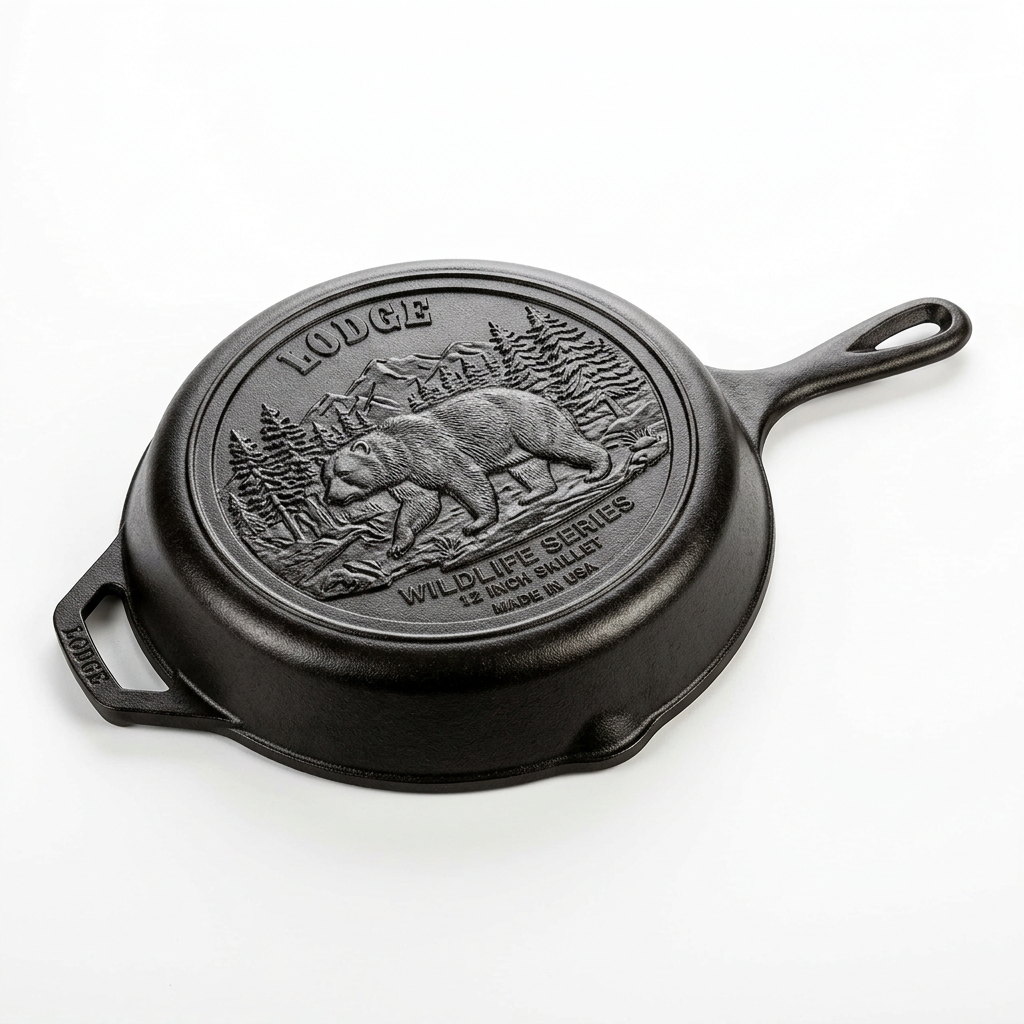
4. The Budget-Friendly Legend: Lodge Chef Collection 10-Inch
We cannot have a "best of" list without acknowledging the undisputed king of affordability and reliability. The Lodge Chef Collection is an evolution of their classic series, featuring rounded edges and a more ergonomic handle design that solves the main grievances people have with the standard, cheaper Lodge pans. While it is still sand-cast and comes with a slightly pebbled texture, it is incredibly robust.
The "Bake-In" Strategy
If you buy a Lodge, you have to embrace the process of building the seasoning. My advice? Do not try to cook delicate fish in it on day one. Instead, use this pan for high-fat frying or roasting root vegetables. The more you fry bacon, sear fatty cuts of pork, or bake cornbread with generous amounts of butter, the faster the seasoning will build up. Over the course of six months, the pebbled texture will naturally fill in with layers of polymerized oil, eventually becoming as smooth as pans costing five times as much.
Troubleshooting Your Lodge
Sticky Surface?* Your oil layer was likely too thick. Always wipe the oil on and then wipe it back off as if you made a mistake and are trying to remove it entirely.
Rust Spots?* Don't panic. Simply scrub the rust with steel wool, wash with mild soap, and put the pan through a rigorous seasoning cycle in a 450-degree oven for one hour.
Uneven Browning?* Ensure you are preheating the pan for a full ten minutes before adding ingredients.
5. The Hybrid Specialist: Finex 12-Inch Cast Iron Skillet
The Finex is, quite literally, a work of art. With its octagonal shape, stainless steel spring handle, and machine-finished surface, it is designed for those who view cooking as a performance. The octagonal shape is not just for looks; it provides excellent pouring spouts at every corner, which is incredibly useful when you are pouring off excess fat from a roast or transferring a pan sauce to a serving boat.
The Spring Handle Advantage
The stainless steel spring handle is a brilliant innovation. It stays remarkably cool even when the pan has been in the oven for an hour at high heat. While you should always use a dry cloth or mitt, the design philosophy behind this handle is all about reducing the stress on the home cook. It feels balanced in the hand, and the heavy-duty lid that often accompanies these sets fits with a precision that allows you to trap moisture, making this pan excellent for braising as well as searing.
Mastering the Deglaze
Because the Finex has such a smooth, high-quality surface, it is the perfect tool for pan sauces. After you sear your steak, do not wash the pan immediately. Add a splash of dry red wine or beef stock to the hot pan and use a wooden spoon to scrape up the browned bits, or fond, from the bottom. The thermal stability of the Finex ensures that the reduction happens quickly and uniformly, resulting in a restaurant-quality sauce that brings your dish to life.
The Art of Heat Management and Maintenance
Regardless of which skillet you choose, your success depends on how you wield it. Most home cooks operate their burners on "High" and then wonder why their food burns on the outside while remaining cold or raw on the inside. Cast iron is a heat-soaking material. It needs to be brought to temperature gradually. If you are cooking on an electric glass cooktop, be especially careful, as sudden temperature spikes can cause the pan to expand too quickly, which is bad for both the pan and your stovetop.
The Preheating Secret
Professional chefs never start cooking until the pan talks back. You should preheat your skillet until a drop of water flickers and dances across the surface, evaporating instantly—this is known as the Leidenfrost effect. Once the pan has reached this level of heat, add your oil, let the oil shimmer for a moment, and then add your food. If you add food before the oil is hot, the pores of the protein will bond with the iron, leading to sticking.
Cleaning Techniques That Extend Longevity
"A well-maintained skillet is not just a tool; it is a living history of every meal you have prepared. Treat it with the respect it deserves, and it will feed your grandchildren."
The Science of Seasoning: A Deeper Look
Let’s get technical for a moment. What exactly is happening on your pan during that high-heat oven session? When you apply a thin layer of oil and bake it at temperatures near or above the smoke point (typically 400°F to 500°F depending on the fat), you are facilitating a process called oxidative polymerization. The oil molecules are breaking down and cross-linking to form a stable, non-reactive layer. This is not just "baked-on oil"; it is a new chemical surface that is hydrophobic, meaning it repels water and prevents the iron from oxidizing (rusting).
Choosing the Right Oil
Grapeseed Oil:* Excellent for its high smoke point and neutral flavor profile. It creates a very hard, durable layer.
Flaxseed Oil:* Often recommended for its ability to create a very dark, glass-like finish, though it can be brittle if you build the layers too quickly.
Lard or Tallow:* Traditional options that offer fantastic non-stick results, though they can go rancid if not used frequently.
The "Less Is More" Rule
The most common mistake people make is adding too much oil during the seasoning process. You want the thinnest possible layer—so thin that you might think you have wiped it all away. If you see a sticky, gummy residue after your seasoning cycle, you have used too much fat. This residue is actually a failed polymerization attempt and will trap food particles the next time you cook. If this happens, scrub the pan back to the base metal and start again with a significantly lighter touch.
Culinary Tips for the Aspiring Home Chef
Now that you have your skillet and you understand the mechanics of maintenance, let’s talk about application. One of the best ways to practice heat management is by cooking vegetables. Try a charred asparagus or blistered shishito peppers. Use just enough oil to coat the bottom, get the pan screaming hot, and toss the vegetables in. The result should be a beautiful black char that tastes sweet and smoky, not bitter. The key is to keep the vegetables moving or in a single layer so that they roast in the pan rather than steaming in their own juices.
Making the Perfect Skillet Cornbread
This is the ultimate test for a seasoned cast iron skillet. The pan should be hot enough to melt a tablespoon of butter, which should instantly sizzle and brown. Pour your batter into the pan—you should hear a distinct hiss immediately. The hot iron ensures that the edges of the cornbread crisp up perfectly while the center remains moist and tender. Because cast iron provides such consistent bottom heat, you will get a crust on the bottom of the cornbread that is impossible to achieve in a glass or ceramic baking dish.
Deglazing: The Pro Technique
Never throw away those charred bits stuck to the bottom of the pan after searing a steak or chicken thigh. That is concentrated flavor. After you remove the meat to rest, toss in some shallots, garlic, and fresh herbs. Let them soften, then pour in a quarter cup of dry wine. Scrape the pan vigorously with a wooden spatula. Once the liquid has reduced by half, mount in a knob of cold butter. This simple technique, known as pan-saucing, turns a basic home dinner into a bistro-style meal.
Conclusion
Choosing the right cast iron skillet for your kitchen in 2026 is about more than just buying a piece of metal; it is about choosing your approach to cooking. Whether you gravitate toward the boutique luxury of a Smithey, the agility of the Field Company, the ergonomic design of the Stargazer, the reliable workhorse status of the Lodge, or the sophisticated engineering of the Finex, you are investing in a culinary future. These pans will adapt to your style, they will become more non-stick with every single meal, and they will become the most reliable assets in your arsenal.
Remember that the pan is only one half of the equation; your technique is the other. By mastering the heat, learning to love the seasoning ritual, and embracing the chemistry of the Maillard reaction, you will unlock flavors that other pans simply cannot deliver. Don't be afraid to experiment, and never worry about a little bit of wear and tear. A cast iron skillet that looks "used" is a sign of a kitchen where real cooking is happening.
Take these picks, choose the one that fits your budget and your physical needs, and start cooking. Season it, use it every day, and clean it with care. In a few years, when you are pulling out that perfectly seared steak or that golden-brown cornbread, you will understand exactly why this humble tool has remained the undisputed champion of the culinary world for centuries. Keep the heat steady, keep the pan seasoned, and above all, keep cooking. Your journey toward the perfect meal starts with that first sear, and with these top-tier pans, you have everything you need to reach the pinnacle of home culinary excellence. Happy cooking, and may your pan always be well-seasoned and your crusts always be perfect.

Get the Next Recipe
Weekly recipes, techniques, and gear picks — straight to your inbox.
