Best Kitchen Knives for Home Cooks (2026)
There is a common misconception among home cooks that a kitchen is defined by the high-tech appliances sitting on the granite countertops. People often obsess over the latest convection ovens, expensive stand mixers, or immersion circulators, thinking these gadgets will magically transform their cooking. However, the true heartbeat of any professional kitchen is found in a drawer or tucked into a wooden block: the kitchen knife. A high-quality blade is an extension of the cook’s hand, a precision instrument that bridges the gap between raw ingredients and culinary art. Without a reliable, sharp knife, even the most expensive groceries will suffer from bruised cells, uneven cooking, and a lack of aesthetic appeal.
When we talk about the "Best Kitchen Knives for Home Cooks (2026)," we are looking for a balance of ergonomics, steel quality, and edge retention. As the culinary world evolves, so does metallurgy, leading to lighter, stronger, and more resilient blades that require less frequent sharpening. A home cook does not need a massive set of twenty blades that collect dust; in reality, you only need three or four essential pieces to handle every task from breaking down a whole chicken to mincing delicate herbs. Investing in one or two superior knives is infinitely better than purchasing a massive, mediocre block set that will dull within months of regular use.
At Blame The Chef, we believe that your knife skills are the foundation of your confidence in the kitchen. When you have a blade that responds perfectly to your grip, your speed improves, your accuracy increases, and your risk of injury drops significantly. A dull knife is a dangerous knife because it requires excessive force, leading to slips and erratic cuts. By upgrading your cutlery and learning how to properly maintain an edge, you are not just buying a tool; you are committing to a lifelong journey of technique, precision, and efficiency. Let’s dive into the essential anatomy and the best picks for the modern home kitchen.
Understanding the Anatomy of Your Knife
Before we look at specific brands or models, you must understand what makes a knife "good." A knife is composed of several critical parts: the blade, the tang, the bolster, and the handle. The most important element for durability is the full tang, which means the metal of the blade runs all the way through to the end of the handle. This provides balance and prevents the handle from snapping off under the pressure of tough ingredients. If you see a knife labeled as having a partial tang, avoid it; these are often poorly balanced and prone to failure during intensive tasks like carving a roast or portioning a squash.
Blade Geometry and Steel Quality
The blade geometry refers to the shape and thickness of the edge, which dictates how the knife travels through food. A thinner blade is better for precision work, such as julienning carrots or chiffonading basil, while a slightly thicker spine provides the necessary sturdiness for chopping root vegetables. The steel type is equally vital. For 2026, we see a heavy reliance on high-carbon stainless steel, which offers the sharpness of traditional carbon steel without the tendency to rust or patina if left wet for a moment. Look for labels like VG-10, SG2, or AUS-10, as these are the gold standards for performance.
The Role of the Bolster
The bolster is the thick band of metal where the blade meets the handle. It serves as a guard, protecting your fingers from slipping onto the edge, and provides structural integrity. Some professional chefs prefer tapered bolsters because they allow the cook to grip the knife in a "pinch grip," which is the professional standard for control. A pinch grip involves holding the base of the blade between your thumb and index finger, with your remaining fingers wrapped around the handle. This technique creates a pivot point that drastically improves your stability when performing rapid, repetitive chopping tasks.
"A knife is not just a tool; it is the physical manifestation of the chef’s intention. When the blade is sharp and the balance is perfect, the food begins to cut itself."
The Essential Collection: What You Really Need
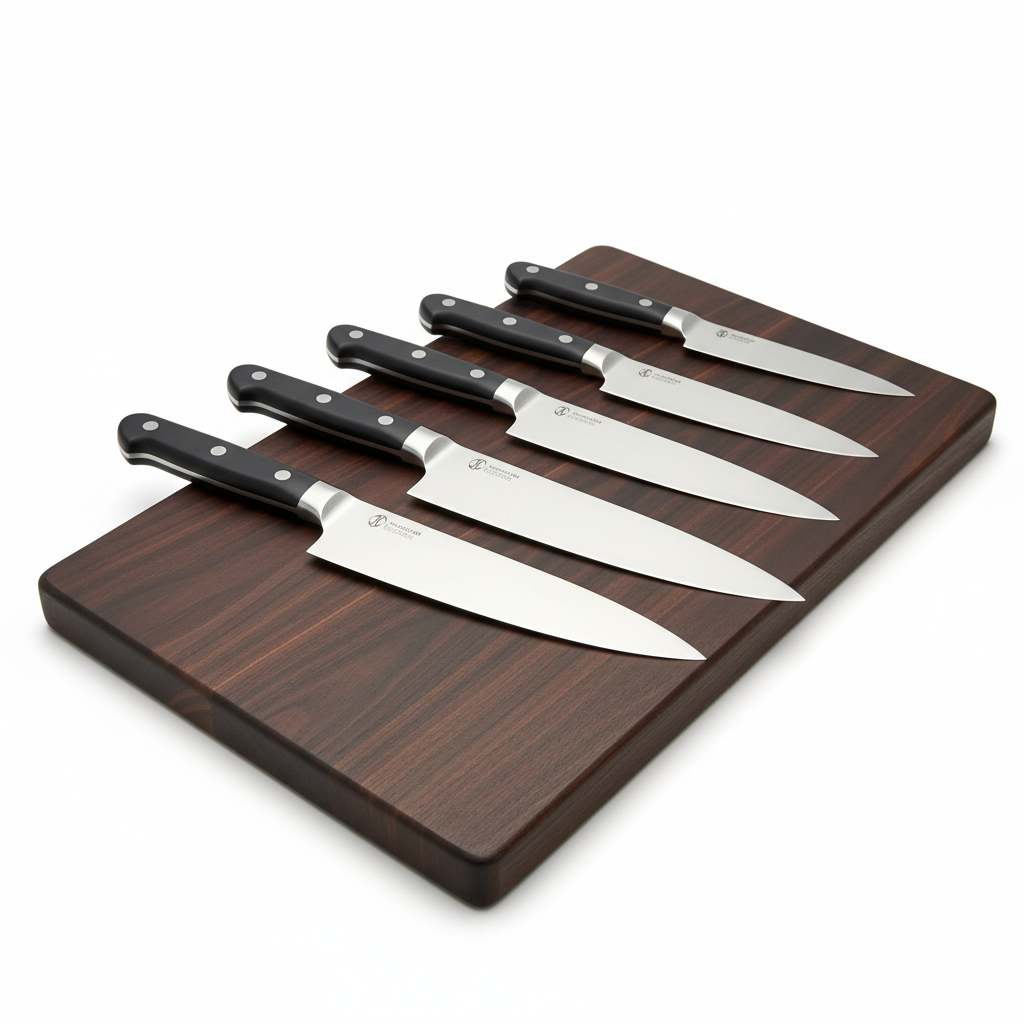
Most kitchen supply stores want you to walk out with a twelve-piece knife block set. Resist this urge. In reality, you only need three core knives to handle 95% of your cooking tasks. This collection includes a chef’s knife (8 or 9 inches), a paring knife (3.5 to 4 inches), and a serrated utility knife or bread knife. Anything beyond these is a luxury, not a necessity. By focusing your budget on these three, you can afford higher-quality steel that will last for decades.
The Chef’s Knife: Your Daily Driver
Your chef’s knife is the workhorse of your kitchen. It should feel like a natural extension of your arm. Whether you are performing a rock chop for herbs or a thrust cut for onions, your chef's knife should have enough weight to do the work for you. Avoid knives that feel "blade-heavy" or "handle-heavy"—you want a neutral balance right at the bolster. In 2026, the trend is moving toward lightweight, nimble blades that allow for all-day prep without causing wrist fatigue.
Paring and Utility Knives
A paring knife is for small, delicate work. You will use this for peeling garlic, hulling strawberries, or scoring fat on a piece of meat. Because you hold this knife in your hand rather than using a cutting board, maneuverability is the priority. A sharp paring knife should feel like a scalpel. Conversely, a serrated bread knife is essential for anything with a hard exterior and a soft interior. Never use your chef’s knife on a crusty loaf of sourdough; the crust will dull your finely honed edge in a matter of seconds.
The Case for Specialized Knives
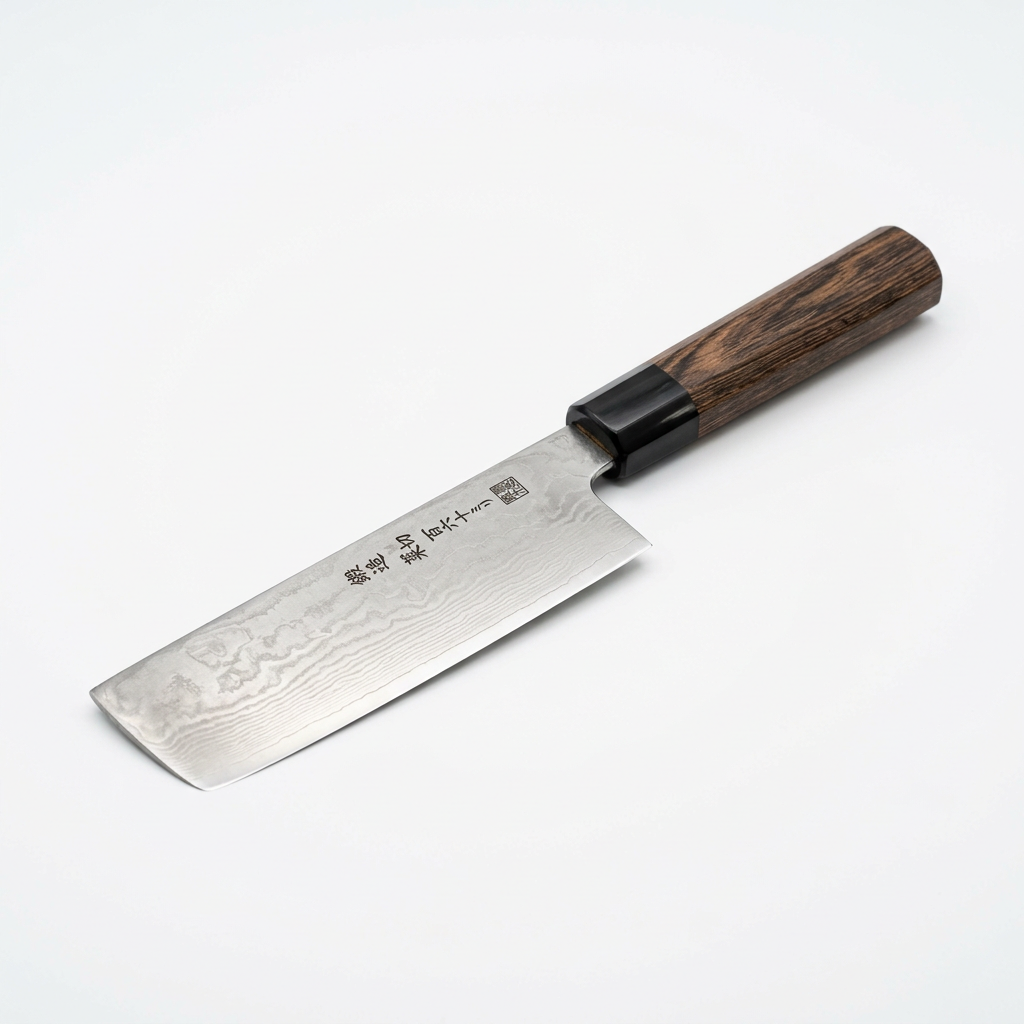
While not strictly essential, there are a few specialty knives worth considering if you cook specific types of food. If you are a fan of sushi or delicate fish, a Yanagiba or single-bevel knife can produce incredibly thin, clean slices. For those who enjoy large-scale prep of meat, a boning knife with a flexible blade allows you to navigate around joints and bones with precision. However, do not buy these until you have fully mastered the use of your primary three knives.
Techniques to Maintain Your Edge
Purchasing a premium knife is only half the battle. If you do not maintain your blade, even a $500 piece of Japanese steel will eventually become as dull as a butter knife. The most important daily maintenance technique is honing. Many people confuse honing with sharpening, but they are very different. Honing uses a honing steel (or a ceramic rod) to realign the microscopic teeth on the edge of your blade that have bent out of place during use.
The Art of Honing
You should hone your knife every two or three uses. Hold your honing rod vertically against a stable surface, then draw the knife blade against the rod at a 15 to 20-degree angle. Perform this motion three to five times on each side of the blade. This does not remove metal; it simply straightens the edge, ensuring that your knife slices through a tomato skin effortlessly. If you feel like the knife is "catching" on the food, it is time to hone.
Sharpening vs. Honing
While honing realigns the edge, sharpening actually removes metal to create a new, fresh edge. You should only sharpen your primary knives every three to six months, depending on how often you cook. For the home cook, water stones are the gold standard for sharpening. They offer the most control and allow you to hone your skills as a true craftsperson. If water stones feel too intimidating, a guided sharpener system is a great alternative that ensures a consistent angle every time.
"To cook is to care, and to care for your tools is to respect the process. A dull knife is a sign of a cook who has stopped paying attention to the details."
Knife Safety and Ergonomics
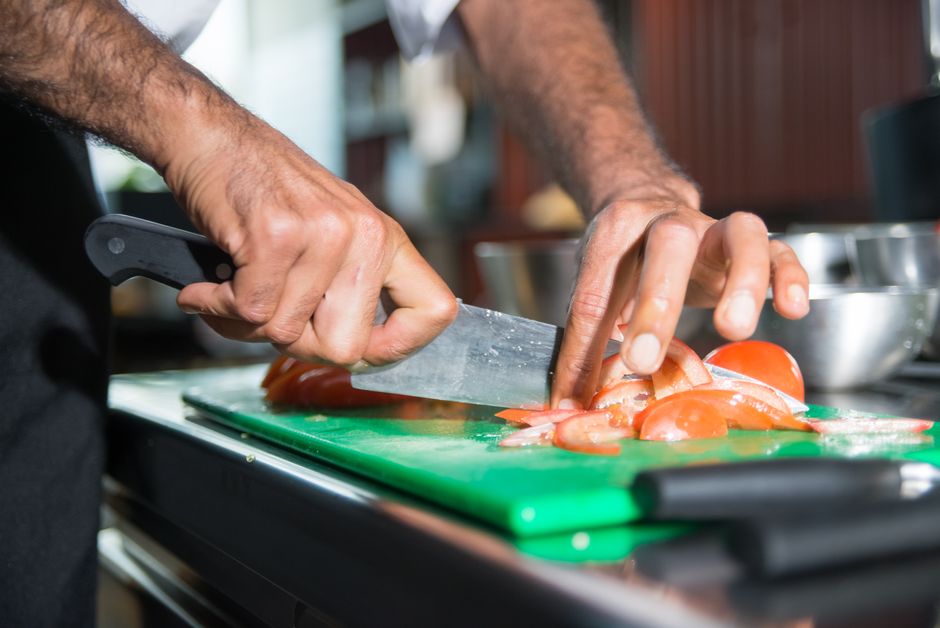
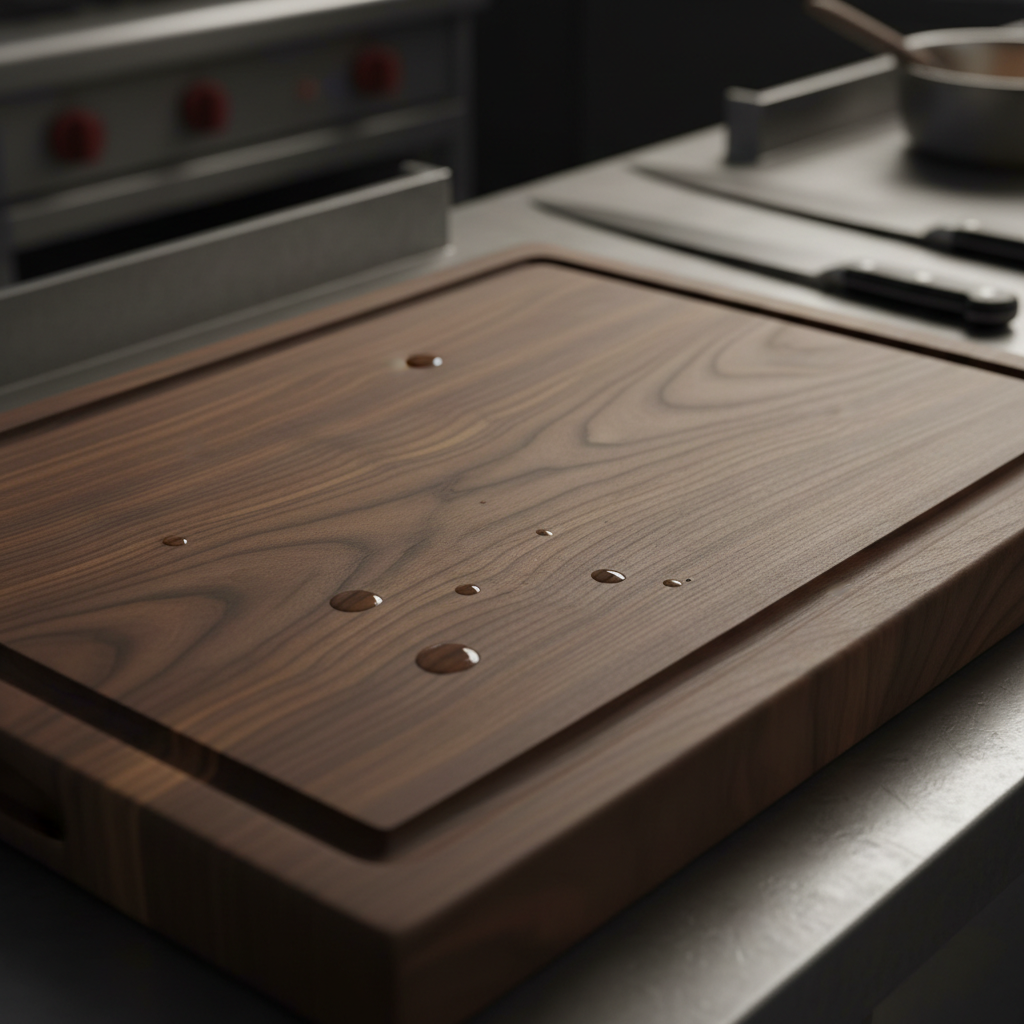
Knife safety is not just about avoiding stitches; it is about working with confidence. Many accidents happen because of poor technique or the wrong surface. Always use a wooden or high-density plastic cutting board. Avoid glass, marble, or ceramic boards at all costs, as these surfaces are harder than your steel and will ruin your edge in a single cut. Additionally, keep your work area organized. A cluttered station is a recipe for a sliced finger.
The Claw and The Bridge
There are two fundamental hand techniques that every chef must memorize. The first is the "Claw." When holding the ingredient you are cutting, tuck your fingertips inward to create a claw shape with your knuckles. The side of the blade should rest against your knuckles as you slice. This prevents the tip of the blade from ever cutting into your fingertips. If your knuckles are vertical, it is physically impossible to cut yourself.
The second technique is the "Bridge." This is used for round or unstable ingredients like cherry tomatoes or grapes. Place the ingredient on the board and form a bridge over it with your hand. The knife travels through the gap under your hand, keeping the ingredient stable and protected. Once you internalize these two techniques, you will find that your speed increases naturally, and your fear of the blade vanishes.
Post-Prep Care
Never, under any circumstances, put your knives in the dishwasher. The high heat, the harsh detergent, and the clanging against other silverware will destroy the edge and cause the handle to warp. Always hand-wash your knives with warm, soapy water immediately after use and dry them thoroughly with a clean towel. Leaving a knife in the sink to soak is a cardinal sin in any kitchen; it is dangerous for the person who reaches in, and it is corrosive to the metal.
Top Recommendations for 2026
When choosing a knife for 2026, we are looking for a blend of historical craftsmanship and modern innovation. For the home cook, brands like Wüsthof, Global, and Shun remain at the top of the list for their reliability and customer support. However, smaller artisanal brands such as Miyabi or Enso are providing incredible value for those looking for that "wow" factor in their knife block.
The German vs. Japanese Debate
The classic German-style knife is generally thicker, heavier, and made from slightly softer steel. This makes it more durable and resistant to chipping, which is perfect if you are chopping through chicken bones or dense root vegetables. A Japanese-style knife is typically thinner, lighter, and made from harder steel. It holds a razor-sharp edge for longer, but it is more brittle and requires a more delicate touch.
For the Heavy-Duty Cook:* Choose a forged German chef's knife with a full tang.
For the Precision Enthusiast:* Choose a Japanese Santoku or Gyuto.
For the Budget-Conscious:* Look for high-quality stamped stainless steel knives that offer 80% of the performance of a forged blade for 30% of the price.
Budget-Friendly Gems
You do not need to spend $400 on a single knife to get professional results. Many restaurant chefs use "budget" professional lines, such as the Victorinox Fibrox series. These knives aren't going to win any beauty pageants, but the steel quality is impeccable, the balance is excellent, and they can be sharpened to a mirror finish. They are perfect for home cooks who are just starting out and want to learn on a tool that won't break the bank.
Elevating Your Culinary Journey
Once you have your core set of knives, your cooking will naturally evolve. You will find yourself experimenting with more complex prep, like brunoise-cut shallots for a reduction or fine-tuning your julienne for a slaw. When your tools stop being a barrier, you start focusing on the ingredients themselves. You’ll notice the difference in texture when you use a sharp knife on delicate herbs—they won't turn brown or "bruise" because the cell walls were sliced clean rather than crushed.
The Impact of Knife Work on Flavor
It may sound like a stretch, but knife work directly impacts the flavor of your food. When you mince garlic finely with a sharp knife, you release the aromatic oils in a controlled way, rather than crushing them into a bitter paste. When you slice a steak against the grain with a sharp, long blade, the meat feels more tender to the palate because you have shortened the muscle fibers cleanly. Culinary technique is about the manipulation of physical matter to create sensory pleasure, and the knife is your primary agent of change.
The Long-Term Investment
Treat your knives as an investment in your own happiness. Cooking is a daily ritual for most of us, and spending twenty minutes a day with a tool you love can turn a chore into a meditative practice. Keep your knives clean, keep them sharp, and keep them stored safely. If you look after your steel, it will look after you, providing decades of service and helping you produce restaurant-quality meals in the comfort of your own home.
"A sharp knife is the chef's best friend. Treat it with respect, maintain it with diligence, and it will elevate every single dish you create for the rest of your life."
Conclusion
Mastering the use of your kitchen knives is one of the most rewarding steps you can take on your culinary journey. It transforms the way you interact with your ingredients and changes your relationship with the time spent in the kitchen. In 2026, there are more options than ever for the home cook, whether you prefer the robust, heavy-duty feel of German engineering or the elegant, razor-like precision of Japanese metallurgy. Regardless of the brand you choose, the key remains the same: choose a tool that fits your hand, maintain it with consistent honing and professional sharpening, and above all, respect the blade.
Remember, the goal is not to have a massive arsenal of specialized knives that never see the light of day. The goal is to develop a deep, intimate connection with a small set of high-quality tools that you can rely on for any task. As you progress, you will find that your hands develop muscle memory, your speed increases, and your cuts become consistent. This consistency is the hallmark of a professional cook. When your prep is consistent, your cooking becomes consistent, leading to better results every single time you step up to the stove.
As you look back on this guide, start by auditing your current kitchen drawer. Pull out the knives you use most and inspect them for damage. If they are dull, take the time this weekend to learn how to sharpen them or find a local service that can do it for you. Feel the difference that a truly sharp edge makes when slicing through a simple onion. Once you experience that effortless glide, you will never want to go back to using a dull blade again. Thank you for joining us at Blame The Chef; we hope this inspires you to sharpen your skills and your steel for years of culinary success to come. Happy cooking!

Get the Next Recipe
Weekly recipes, techniques, and gear picks — straight to your inbox.
