Best Pans for Searing Steak (2026)
The quest for the perfect steak at home is a rite of passage for every serious home cook, a journey that inevitably leads to the realization that your equipment is just as vital as the quality of the beef you select. We have all stood in front of a supermarket ribeye, heart racing, only to see it turn into a grey, unappetizing slab after five minutes in a subpar pan. Searing is not merely a method of cooking; it is a thermal battlefield where the Maillard reaction must be controlled with absolute precision to produce that coveted, mahogany-colored crust. When you understand the physics of heat transfer, the surface of your pan becomes the most important tool in your arsenal. This guide will dismantle the mystery surrounding cookware, focusing on those vessels that can hold the extreme temperatures required to transform a raw cut of protein into a restaurant-quality masterpiece.
Choosing the right pan requires a departure from the convenience of non-stick coatings, which are, frankly, the enemy of a true, deep sear. Most home cooks are held back by the fear of sticking, not realizing that the fond—that beautiful, caramelized crust left on the pan—is the key to flavor, not a cleaning nightmare. In this exploration, we will look at materials that prioritize thermal mass, conductivity, and durability, ensuring that your stove behaves like a commercial range. Whether you are working with a gas flame or an induction cooktop, the vessel you choose dictates the outcome of the steak before the first drop of oil even hits the surface. It is time to stop blaming the cut of meat or the stove and start looking at the metal beneath your steak.
As we step into 2026, the evolution of cookware technology has brought us some incredible options, blending traditional heavy-duty materials with modern ergonomic designs. However, the basics of thermodynamics remain unchanged: you need a pan that doesn't lose its temperature the second a cold, marbled steak hits the surface. We are looking for high-density alloys and well-balanced construction that allows for a rapid, aggressive sear without burning your butter or smoking out the entire house unnecessarily. Prepare to audit your kitchen cabinets, as we are about to dive deep into the science of thermal conductivity and the specific pans that will make you the designated steak chef of your social circle.
The Anatomy of a Perfect Sear
To achieve the "steakhouse crust," you need more than just high heat; you need thermal mass. When a cold steak hits a pan, it creates a localized drop in temperature. A thin pan will struggle to recover, leading to the steak steaming in its own juices rather than searing. This is why professional chefs reach for heavy-duty materials that act as heat reservoirs, maintaining a steady temperature even when a pound of cold meat is dropped onto the surface.
Heat Capacity and Conductivity
The science here is simple: conductivity is how fast a material transfers heat, while heat capacity is how much heat it can store. Copper is the king of conductivity, responding instantly to changes in heat, while cast iron is the titan of heat capacity, holding onto its energy for long periods. A perfect searing pan balances these two qualities. If a pan is too thin, the temperature fluctuates wildly, and you end up with an uneven sear that lacks the depth of flavor only a sustained, high-heat environment can provide.
Managing the Smoke Point
Temperature control is often misunderstood as simply turning the dial to "high." In reality, you are managing the smoke point of your cooking fat. Whether you choose refined avocado oil or high-quality ghee, you must understand that your pan’s material determines how fast that fat reaches its breakdown point. If you have a pan that conducts heat too aggressively, your oil will scorch before the meat has developed a proper crust. This is where a slightly thicker base becomes your greatest ally, providing a buffer that protects the integrity of your lipids.
"The difference between a home-cooked steak and a professional sear is not just the chef; it is the thermal conductivity of the pan and the patience to let the surface do the work without unnecessary poking or prodding."
Cast Iron: The Undisputed Heavyweight
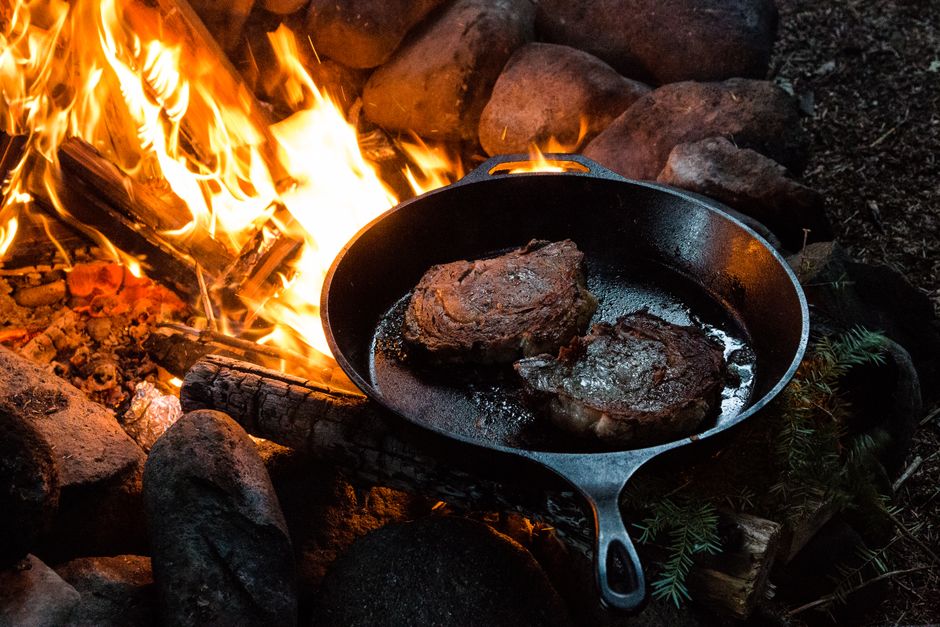
There is a reason your grandmother’s cast iron skillet is still sitting on the stove. It is, quite frankly, the best value-for-performance tool in the culinary world. Cast iron is heavy, dense, and virtually indestructible. When you preheat a cast iron skillet in the oven to 450°F, it becomes a literal battery of heat, capable of delivering a blistering sear that carbon steel or stainless steel simply cannot replicate with the same consistency.
Why Surface Texture Matters
Many newcomers to cast iron complain about the rough texture of new pans. However, once a pan is properly seasoned—the process of polymerizing oil into the metal—it becomes naturally non-stick. This seasoning is crucial for searing. It creates a micro-barrier that prevents the proteins in the meat from bonding directly to the iron. When you sear a steak in a well-seasoned cast iron pan, you aren't fighting the pan; you are working with a tool that wants to release the meat once the crust is perfectly formed.
Proper Maintenance and Storage
Maintaining a cast iron pan is simpler than the myths suggest. You do not need to avoid soap; you just need to avoid the dishwasher. After searing your steak, rinse the pan with hot water and a stiff brush while it is still warm. If there is stubborn residue, a bit of coarse salt acts as an abrasive. Once clean, dry it thoroughly—never let it air dry—and apply a whisper-thin layer of oil before storing it in a dry place.
Carbon Steel: The Professional’s Hybrid
If cast iron is the powerhouse, carbon steel is the sleek, agile cousin. It is composed of the same material as cast iron but with a higher percentage of iron and a lower percentage of carbon, making it thinner and lighter. This allows for a much faster response time to heat adjustments. If you find that your cast iron is too heavy to toss or maneuver, or if you prefer a pan that reacts quickly when you lower the heat to add butter and herbs for basting, carbon steel is your best friend.
The Learning Curve of Seasoning
Carbon steel arrives with a factory coating that must be removed before the initial seasoning process. This involves scrubbing the pan with hot soapy water and then heating it on the stove with a light coat of oil until it smokes. Unlike cast iron, which gets better with years of layers, carbon steel builds a slick, amber-colored patina that is remarkably resilient. It is the preferred choice for chefs who want the non-stick properties of a modern pan with the durability of a traditional one.
Handling Acidic Ingredients
One professional tip to remember: keep acidic ingredients away from your seasoned carbon steel pans if you are not planning to re-season immediately. While a quick sear of a steak is perfectly safe, deglazing with a heavy amount of vinegar or wine can strip your hard-earned seasoning. Save the aggressive pan sauces for a separate saucepan or be prepared to give your carbon steel a quick maintenance session after dinner.
"A well-maintained carbon steel pan is the ultimate tool for a home cook who wants the responsiveness of a commercial kitchen without the heft and hassle of vintage cast iron."
Stainless Steel: Precision and Versatility
Stainless steel pans, specifically those with an aluminum or copper core (often called tri-ply or multi-clad), are the workhorses of the culinary world. While they do not season like cast iron or carbon steel, they are entirely reactive to heat and are perfect for pan-searing steaks that you intend to finish with a complex pan sauce. Because they are not porous, you don't have to worry about flavors lingering from previous meals, making them the most hygienic option for diverse cooking styles.
The Importance of Cladding
When shopping for stainless steel, look for fully-clad construction. This means the core material—usually aluminum—runs from the base all the way up the sides of the pan. A pan that only has a thick disk on the bottom will heat unevenly, leading to "hot spots" where the steak might burn on one side while remaining undercooked on the other. A high-quality tri-ply pan ensures that the sidewalls are also conducting heat, which helps with overall temperature stability.
Mastering the Leidenfrost Effect
To sear on stainless steel, you must master the Leidenfrost effect. Heat the pan until a drop of water dances across the surface instead of evaporating instantly. This is the sign that the pan is at the perfect temperature to accept the fat and the meat. Once the steak hits the pan, do not move it. It will initially stick, but as the crust develops, the proteins will naturally release from the stainless surface. This is the secret to getting the best fond possible, which serves as the base for your classic red wine reduction.
Preheat:* Always preheat your pan before adding oil.
Dry the Meat:* Pat your steak bone-dry with paper towels before searing.
Oil Choice:* Use an oil with a high smoke point, such as avocado, grapeseed, or ghee.
Patience:* If the steak is stuck, it’s not ready to flip. Wait for the natural release.
Mastering the Sear: Technique and Timing
Even with the best pan in the world, your results will suffer if your technique is flawed. The first rule of steak is to ensure the meat is at room temperature before it hits the pan, or at least pulled from the refrigerator 30 to 45 minutes prior. A cold steak will drop the temperature of your pan instantly, resulting in a "grey band" of overcooked meat beneath the surface. We want a distinct, hard crust and a perfectly gradient-free interior.
The Basting Phase
Toward the final two minutes of cooking, introduce butter, garlic, and fresh herbs like thyme or rosemary. This is where the aromatics infuse the steak. Tilt your pan slightly so the butter pools at the bottom, then use a large spoon to continuously bathe the steak in the hot, foaming butter. This process, known as arroser, adds a layer of flavor and ensures that the heat reaches every nook and cranny of the cut, particularly the edges.
The Crucial Resting Period
If you take nothing else away from this guide, let it be this: rest your meat. After taking the steak out of the pan, place it on a warm plate or a wire rack for at least 8 to 10 minutes. Resting allows the muscle fibers to relax and reabsorb the juices that were forced toward the center during the searing process. If you cut into it too early, those juices will run onto the board, leaving you with a dry, disappointing steak.
Advanced Equipment: Why Copper Matters
For the discerning home cook with a higher budget, copper cookware is the pinnacle of performance. Copper is the most conductive material available to home cooks, heating up and cooling down almost instantly. When you are searing a thick-cut ribeye, a copper-lined pan provides the ultimate level of control. If you notice the crust getting too dark, you can turn the heat down, and the pan reacts in seconds, preventing the butter from burning.
The Maintenance of Copper
Copper requires a bit more effort to keep polished, but the performance benefits are undeniable. Modern copper pans usually feature a stainless steel lining, which provides the reactivity of copper with the durability of steel. This combination is arguably the best in the world for pan-searing because you get the thermal precision of copper with a surface that is easy to clean and non-reactive to ingredients like wine, lemon juice, or tomato.
Is It Worth the Investment?
While expensive, high-quality copper is a "buy-it-for-life" investment. When you consider that you are replacing cheap, non-stick pans every two years, a professional-grade copper set starts to look like a bargain. For the steak enthusiast, it offers a level of finesse that allows you to cook your meat to the exact degree of doneness you desire, time and time again, without ever having to worry about pan-induced temperature surges.
"Investing in high-quality cookware is not about ego; it is about providing yourself with the most reliable tools possible so that your skill becomes the only variable in your cooking."
Troubleshooting Common Searing Issues
Every chef, even professionals, encounters a steak that just didn't go right. The most common culprit is the overcrowding of the pan. If you have a massive steak, do not try to cram it into a small skillet. The moisture released by the meat will accumulate, turning the pan into a sauna and preventing the crust from forming. If you don't have a pan large enough to provide at least an inch of space around the meat, cook your steaks one at a time.
Why Your Crust Is Grey
If you find that your steak lacks color, check your moisture levels. Meat is composed mostly of water; when that water hits the pan, it turns to steam. If the pan is not hot enough, the steam prevents the proteins from reaching the high temperatures required for browning. This is why you must pat the meat dry with paper towels until it is tacky to the touch. A dry surface is the prerequisite for a golden-brown sear.
Dealing with Flare-ups
If you are using a gas stove, flare-ups can be intimidating. This usually happens when the fat renders out too quickly or when the oil reaches its flash point. Don't panic. Simply lift the pan off the heat for a few seconds, let the flames subside, and lower your burner setting. It is always better to have a slightly slower sear than a steak that tastes like it has been dragged through a campfire.
The Future of Searing: 2026 and Beyond
Looking ahead, we are seeing a move toward hybrid materials that bridge the gap between heavy cast iron and lightweight stainless steel. Manufacturers are experimenting with laser-etched non-stick surfaces that protect the integrity of the steel, as well as advanced ceramic composites that offer better thermal retention than traditional materials. For the home cook, this means that the barrier to entry for cooking a restaurant-quality meal is lower than ever.
Technology in the Kitchen
In 2026, many of us are also using instant-read thermometers as a standard part of our searing process. Do not rely on "finger testing" or cutting into the meat to check for doneness. A high-quality probe thermometer tells you exactly what is happening inside the steak. Aim for an internal temperature of 120°F-125°F for medium-rare, pulling it off the heat slightly before the target as the internal temperature will rise during the resting phase.
Staying Consistent
Consistency is the hallmark of a great cook. Once you find the pan that suits your stove and your style, stick with it. Learn how your specific burner interacts with the thickness of the metal. If you have a pan that you love, treat it with respect, clean it properly, and it will reward you for decades with the perfect, flavor-packed crusts that make a steak dinner truly special.
Conclusion
The journey to the perfect sear is fundamentally about understanding the relationship between your heat source, your fat, and your metal. There is no single "magical" pan that will make you a chef overnight, but choosing the right material—whether it be the steadfast reliability of cast iron, the quick responsiveness of carbon steel, or the precision of multi-clad stainless—gives you the best possible starting point. As we move further into 2026, the technology behind our cookware is better than it has ever been, but the core principles remain: keep it hot, keep it dry, and be patient.
Refining your steak-searing technique is a practice of attention to detail. From the initial salt-curing of the meat to the final baste with garlic and herbs, every step contributes to the final product. By investing in quality, you are essentially buying time for yourself to develop these skills without the distraction of equipment failure. Do not be afraid to experiment, to make mistakes, and to learn from the fond left in the bottom of your pan. It is the story of your dinner, captured in flavor.
Ultimately, "Blame The Chef" is about taking accountability for the process. When you stop blaming your stove or your budget and start mastering the dynamics of your equipment, you open the door to a world of culinary possibilities. Whether you are searing a humble hangar steak on a Tuesday or a prime dry-aged ribeye for a special occasion, you now have the knowledge to deliver a professional-grade sear in the comfort of your own home. Go forth, heat your pan, and build that crust.
Final Thoughts
As you walk away from this guide, take a look at your kitchen storage. If you are still clinging to a warped, flaking non-stick pan as your daily driver, consider this your permission to upgrade. A heavy-duty skillet is the single most transformative purchase you can make for your culinary development. It is not just about a better steak; it is about having a tool that demands and rewards your focus.
Remember that the best pans are those that you actually enjoy using. If you find a pan too heavy to clean, you won't use it. If you find a pan too difficult to season, you will leave it in the back of the cabinet. Choose the material that resonates with your cooking style, and practice the techniques outlined here until they become second nature. The sizzle of a perfect sear is not just a sound; it is the promise of a delicious meal and the satisfaction of a job well done. Happy cooking, and may every steak you serve be perfectly crusted.

Get the Next Recipe
Weekly recipes, techniques, and gear picks — straight to your inbox.
