Beyond the Basics: Making Fresh Pasta Dough and Mastering Hand-Rolling Techniques
Recipes

Beyond the Basics: Making Fresh Pasta Dough and Mastering Hand-Rolling Techniques

C
By The Chef
|June 7, 2026|11 Min Read

The allure of homemade pasta can transform a simple meal into an extraordinary experience. Each strand of fresh fettuccine or delicate ravioli tells a story of tradition, effort, and creativity. For home cooks, embarking on the journey of pasta-making can seem overwhelming. However, with the right techniques and a few essential ingredients, you can create pasta that rivals what you'd find in Italy's most renowned kitchens. In this guide, we’ll explore not just the basics, but also delve into hand-rolling techniques that will take your culinary skills to a whole new level.

The beauty of making your own pasta dough is that you have complete control over its texture and flavor. Fresh pasta is typically made from just three ingredients: flour, eggs, and a pinch of salt. While these ingredients may seem simple, the magic happens in the handling and crafting of the dough. The texture, elasticity, and final taste are all influenced by the skillful manipulation of these basic components. Moreover, the sensory experience of feeling dough come together in your hands is both therapeutic and rewarding.

In an increasingly fast-paced world, the art of making fresh pasta is an opportunity to slow down and take pleasure in culinary creation. As you knead the dough, listen for the sounds of success—the subtle change in texture, the soft but firm yield of the dough under your hands. With patience and practice, you will find that each attempt will yield improvement, building not just skill but also confidence in your cooking. So, roll up your sleeves and prepare to delve into this wonderful culinary adventure.

Understanding the Ingredients

Flour Types

The foundation of pasta begins with the flour. While there are numerous varieties available, they all contribute unique characteristics to your final product.

●All-Purpose Flour: Commonly used and easily accessible, all-purpose flour is a versatile choice for many home cooks. It provides a good balance of texture and elasticity, making it suitable for simple pasta shapes.
●00 Flour: Known as “doppio zero” in Italian, this finely milled flour is ideal for making pasta. It has a higher gluten content compared to all-purpose flour and yields a silky, elastic dough.
●Semolina Flour: Derived from durum wheat and coarser in texture, semolina flour is often mixed with all-purpose or 00 flour. This combination allows you to create pasta with a firmer bite, perfect for shapes like gnocchi or orecchiette.

Choosing the right flour is crucial, as it impacts the dough's strength and the pasta's final texture. For traditional pasta, many chefs recommend using a combination of 00 flour and semolina flour to achieve a balance of elasticity and firmness.

Eggs and Their Role

Eggs add not only flavor but also richness and color to pasta. When selecting eggs, it's best to use large eggs—they contain a good yolk-to-white ratio, which contributes to a desirable texture. The yolk also introduces fat, which enriches the dough and helps maintain its elasticity.

●Whole Eggs: Using whole eggs gives the pasta a richer color and flavor. Typically, for every 100g of flour, you can use one large egg.
●Yolk-Only Pasta: For a deeply golden pasta, consider using just yolks. This variation is often recommended for tagliatelle or pasta alla chitarra.

Salt and Water

Salt is a crucial ingredient in your pasta dough as it enhances flavor and strengthens the dough. A general rule of thumb is to include about 1 teaspoon of salt for every 100g of flour used.

While water is not always necessary in egg-based pasta dough, its addition can change the hydration level. If the dough feels too dry or crumbly, a tablespoon of water can work wonders. However, aim to perfect your recipe to ensure it remains at a consistent texture.

Preparing the Dough

The Basic Dough Recipe

Creating fresh pasta begins with the perfect dough. Here’s a tried-and-true recipe to get started:

1.Measure Ingredients: For each serving, use 100g of flour and one egg. Adjust the quantities as needed based on how many servings you need.
2.Make a Well: On a clean, dry surface, mound the flour and create a well in the center, resembling a volcano. This is where the eggs will go.
3.Add Eggs and Salt: Pour the eggs into the well and sprinkle the salt over them.
4.Combine: Use a fork to beat the eggs gently, incorporating flour from the edges of the well into the mixture. Keep incorporating until the mixture is too stiff to mix.
5.Knead the Dough: Bring the dough together with your hands, and begin kneading. Knead for about 10 minutes, or until the dough is smooth and elastic. If it feels too sticky, add a touch more flour; if it’s too dry, sprinkle a little water.
6.Rest the Dough: Once kneaded, wrap the dough in plastic wrap and let it rest for at least 30 minutes at room temperature. This resting period allows the gluten to relax, making it easier to roll out later.

“The key to a perfect dough is not just the ingredients, but the loving hands that knead it.”

Signs of the Right Dough Consistency

You’ll want your dough to be slightly tacky but not overly sticky. It should feel smooth and elastic, bouncing back when pressed gently. If you poke the dough and it holds a slight dent, you know you've struck the right balance.

Rolling Out the Dough

Once your dough has rested, the next step is rolling it out. This is where the hand-rolling techniques shine.

Techniques for Hand-Rolling

Rolling out your pasta dough by hand is an art in itself. Here are effective techniques to master:

1.Divide the Dough: Cut the rested dough into quarters. Keep the portions you are not currently using covered to prevent them from drying out.
2.Flatten with Your Palm: Take one piece of dough and flatten it slightly with your palm before rolling. This makes it easier to roll out to a thin sheet.
3.Use a Rolling Pin: Begin rolling from the center outwards, pushing down evenly. Rotate the dough 90 degrees after each roll to ensure uniform thickness.
4.Aim for Thinness: Traditionally, pasta sheets should be thin, around 1mm thick. You’re aiming for a near transparency: you should be able to see your hand through the sheet!
5.Dust with Flour: To prevent sticking, dust the dough with flour as you roll. However, be cautious not to over-flour, as this can affect the pasta's texture.

Using a Pasta Machine

If you find hand-rolling a bit tiring, or if you want a more consistent thickness, a pasta machine is a helpful tool. Here’s how to use one:

1.Set the Thickness: Start with the widest setting on the machine.
2.Feed the Dough: Pass the flattened piece of dough through the machine. Adjust the thickness in steps, rolling through the machine several times at each setting until you reach your desired thickness.
3.Drying Sheets: Lay the rolled-out sheets on a floured surface or a clean kitchen towel to dry slightly before cutting.

Cutting and Shaping Your Pasta

Times and Techniques for Cutting

Once your dough is rolled out, it’s time to cut it into your desired shape. Here are a few popular options:

●Fettuccine: After rolling out, fold your sheet loosely, then cut into strips about ¼ inch wide. Unroll to reveal ribbons of pasta.
●Tagliatelle: Similar to fettuccine, but slightly wider—aim for ½ inch strips.
●Lasagna Sheets: Simply cut rectangular pieces, usually about 2 inches by 4 inches.

“Cutting pasta is like sculpting—it takes patience and finesse, but the results are breathtaking.”

Shaping Stuffed Pasta

If you prefer filled pasta like ravioli or tortellini, the process is slightly different:

1.Prepare the Filling: Common fillings include ricotta and spinach, meat, or even potato. Ensure your filling is well-seasoned and not too wet to prevent soggy pasta.
2.Roll to Thin Sheets: As before, roll your dough to the desired thickness, but not too thin to hold the filling.
3.Cut Circles: Use a cookie cutter or glass to cut out circles of the dough for ravioli.
4.Fill and Seal: Place a teaspoon of filling in the center of each circle. Moisten the edges with water, fold over, and seal tightly, ensuring there are no air pockets.
5.Lifting and Storing: Place filled pasta on a floured surface or a floured baking sheet. If you aren’t cooking them immediately, freeze the ravioli to preserve their shape and freshness.

Cooking Fresh Pasta

Boiling Fresh vs. Dried Pasta

Cooking fresh pasta is vastly different from cooking dried pasta. Fresh pasta requires significantly less time due to its moisture content.

●Bring a Large Pot of Water to a Boil: Use a generous amount of water—typically 4-6 quarts per pound of pasta. Add a generous amount of salt (3 tablespoons is a good rule of thumb).
●Cooking Time: Fresh pasta will only need about 2 to 4 minutes to cook depending on thickness. As soon as it floats, it’s done!
●Taste Test: Always taste a strand to ensure doneness. You want it to be al dente, which means tender but still firm to the bite.

Saucing Fresh Pasta

Pairing fresh pasta with the right sauces can elevate your dish. Choose sauces that won’t overpower the delicate texture of your homemade pasta:

●Butter and Sage: A simple yet classic option—melt butter in a pan, add fresh sage leaves, and toss in your cooked pasta.
●Homemade Marinara: Simmer crushed tomatoes, garlic, onion, and herbs for a rich, flavorful sauce.
●Pesto: Whirl together fresh basil, garlic, pine nuts, Parmesan, and olive oil for a vibrant topping.

Troubleshooting Common Issues

Creating fresh pasta is a labor of love, but it can present some challenges. Here are solutions to common problems:

Dough Too Sticky

If your dough is sticking and difficult to handle:

●Add Flour: More 00 flour can be added gradually during kneading.
●Rest Longer: Let the dough rest longer, wrapped in plastic or covered with a damp towel to relax gluten.

Pasta Breaks or Rips When Rolling

If your pasta tears while rolling out:

●Not Enough Resting: It may need more resting time. Gluten requires time to relax, so ensure it rests adequately after mixing.
●Too Dry: If the dough is cracking, it could have been over-kneaded or there isn’t enough moisture in it.

Underseasoned

To avoid bland pasta:

●Salt Water Generously: Always use plenty of salt in the boiling water.
●Taste as You Go: Taste the dough and filling as you work to ensure flavor is developed.

Pairing Wines and Final Touches

Best Wines for Pasta Dishes

To enhance your pasta experience, consider pairing your dish with the right wine. Here are some classic options:

●Red Sauce Dishes: A medium-bodied red such as Chianti complements tomato-based sauces well.
●Creamy Sauces: Pair creamy sauces with a Chardonnay to match the richness from the sauce.
●Herbaceous Sauces: Consider a Sauvignon Blanc for those vibrant, herbaceous sauces like pesto.

Presentation Tips

Presentation is key in elevating your homemade pasta. Here are a few tips:

●Fresh Herbs: Sprinkle fresh herbs like basil or parsley on finished dishes for color and flavor.
●Parmesan or Pecorino: Grate fresh cheese over the top just before serving for an added hint of umami.
●Garnishing: Use a drizzle of high-quality olive oil or a sprinkle of chili flakes to finish your plates.

Conclusion

Making fresh pasta proves to be an enjoyable and rewarding pursuit for home cooks. From meticulous ingredient selection to mastering rolling techniques, every step nurtures not only the dough but your culinary skills. Take pride in each pieces you create, whether it’s a simple fettuccine or a lovingly filled ravioli. With practice, you will find joy in the process, transforming basic ingredients into artful dishes. As you savor the rich flavors and textures of your homemade pasta, you’ll realize that this is not just cooking; it’s culinary craftsmanship at its finest. So gather your ingredients, put on your apron, and step into a world of endless possibilities with homemade pasta. It's time to roll into this delicious adventure!
🧰 Gear for this recipe
Tools our chefs reach for when cooking this
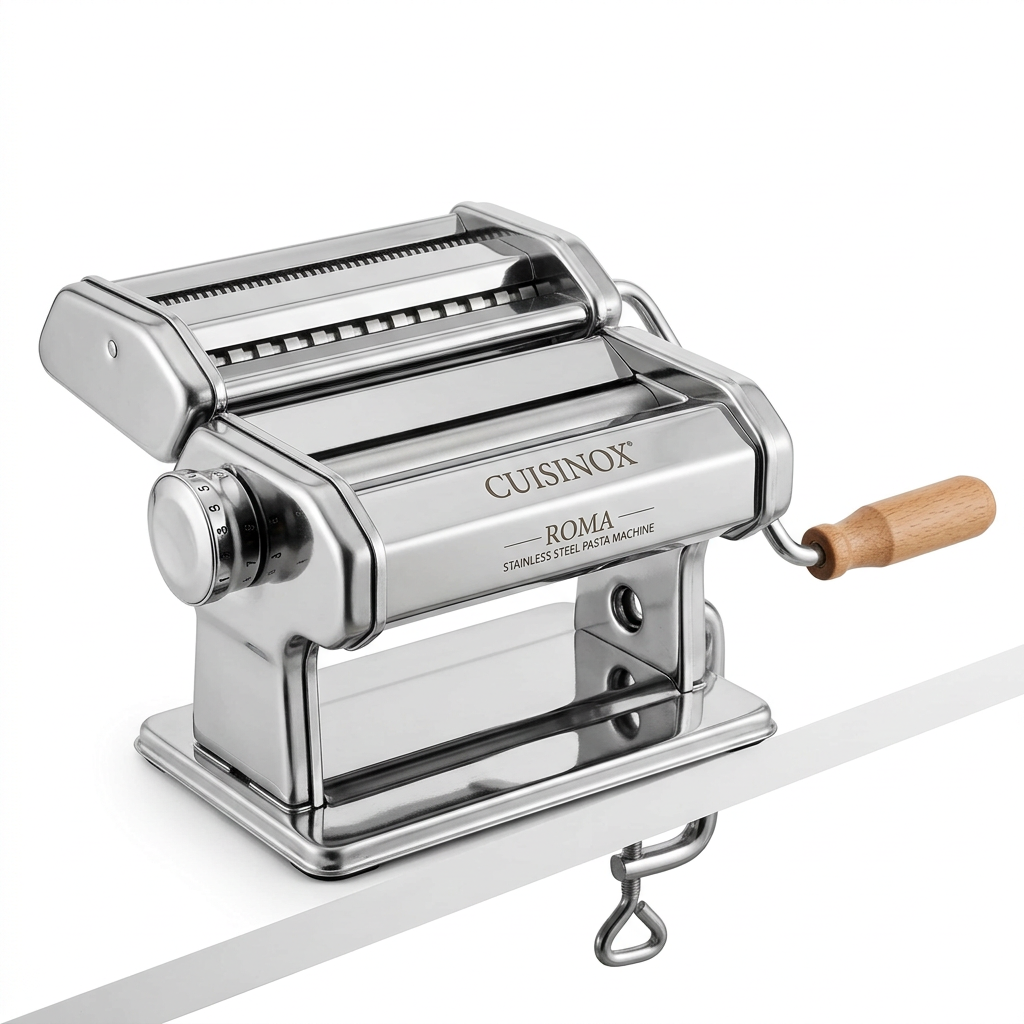
Cuisinox Roma Stainless Pasta Machine
Prep Tools
Cuisinox Roma Stainless Pasta Machine
★★★★★4.5
$60-$80
View on Amazon
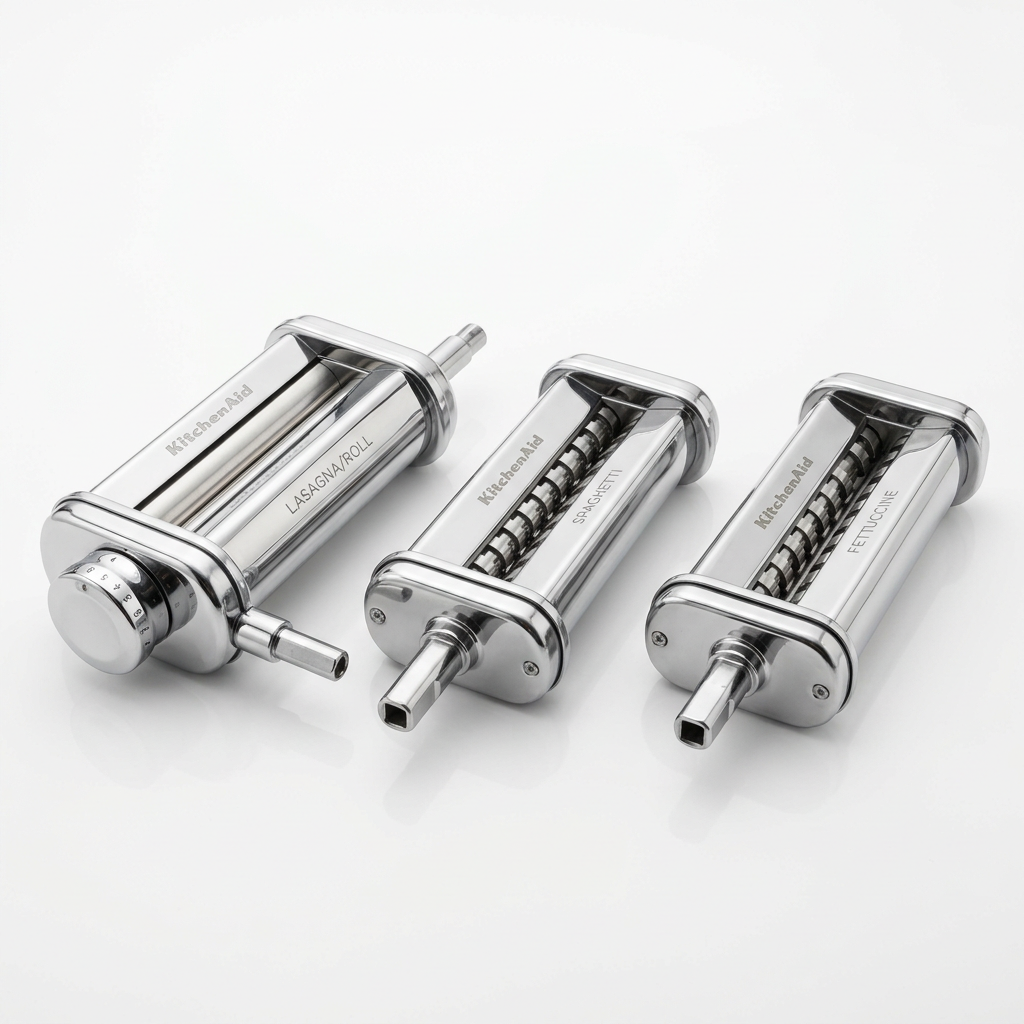
KitchenAid Pasta Roller & Cutter Attachment Set
Small Appliances
KitchenAid Pasta Roller & Cutter Attachment Set
★★★★★4.6
$150-$200
View on Amazon
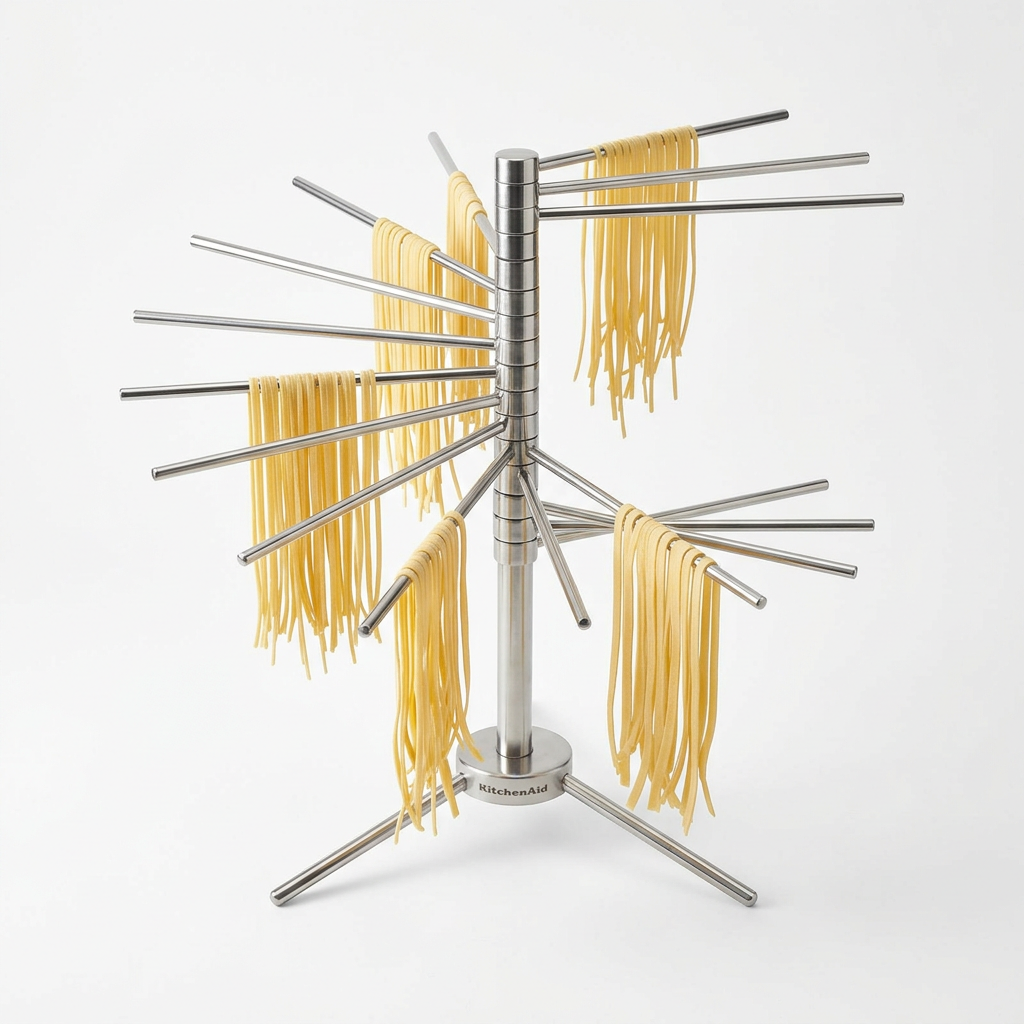
KitchenAid Pasta Drying Rack
Prep Tools
KitchenAid Pasta Drying Rack
★★★★★4.5
$25-$35
View on Amazon
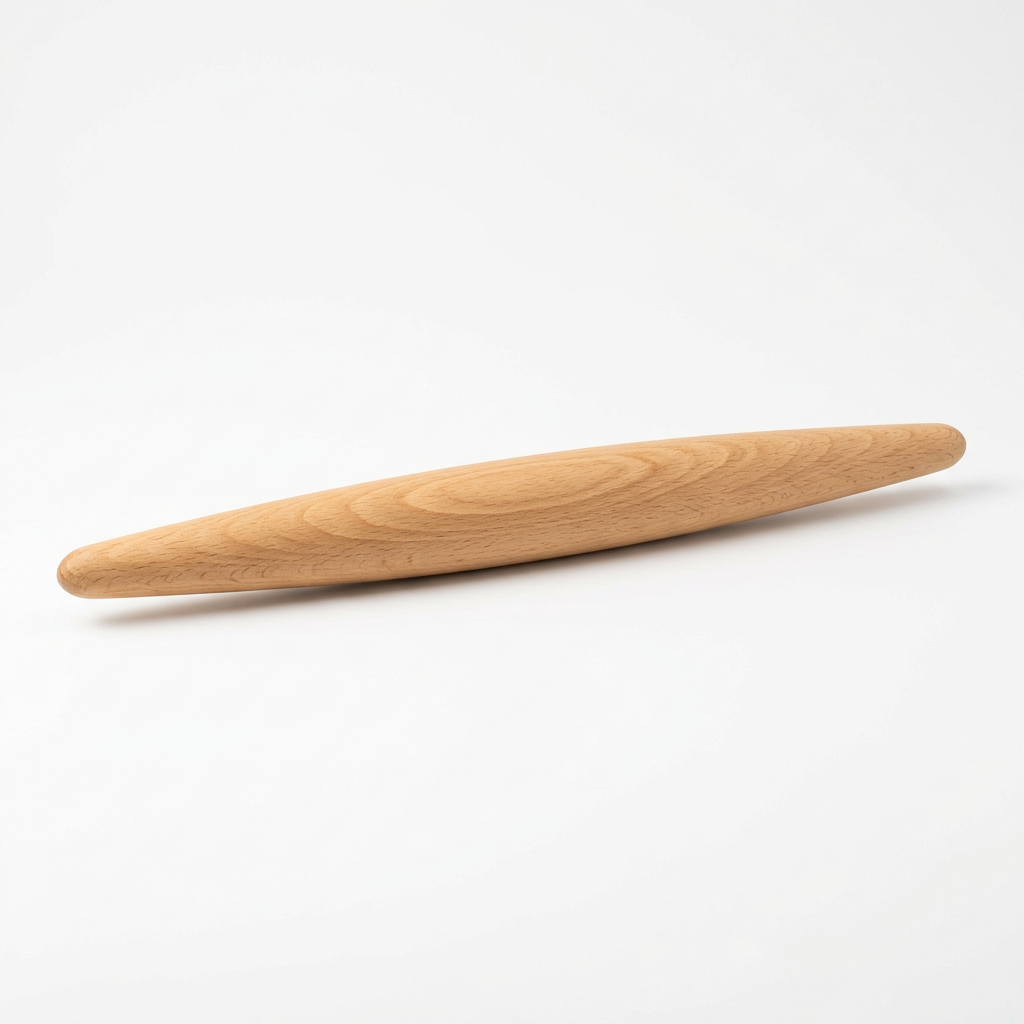
French Tapered Rolling Pin Beechwood
Baking
French Tapered Rolling Pin Beechwood
★★★★★4.7
$15-$25
View on Amazon

As an Amazon Associate we earn from qualifying purchases.

🍳

Get the Next Recipe

Weekly recipes, techniques, and gear picks — straight to your inbox.

No spam, ever. Unsubscribe anytime.

YesChef - Learn from the world's best chefs
© 2026 Blame The Chef
🍳

Never Miss a Recipe

Weekly recipes, kitchen tips, and gadget picks — straight to your inbox.

No spam, ever. Unsubscribe anytime.