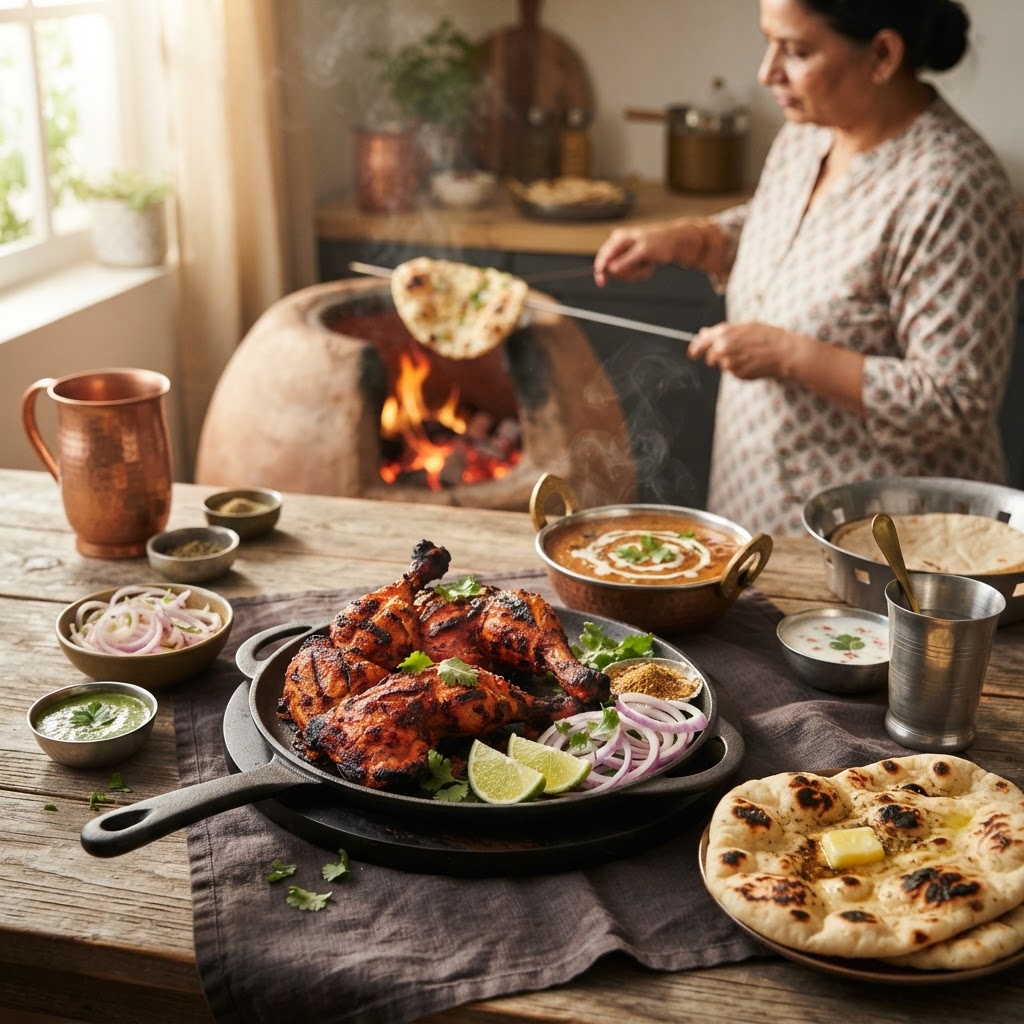
Beyond the Curry: A Home Cook’s Guide to Mastering Authentic North Indian Tandoori Techniques
For many home cooks, the allure of North Indian cuisine begins and ends with the rich, creamy gravies of butter chicken or the aromatic depths of a slow-cooked lamb rogan josh. We often find ourselves leaning on our trusty stovetop pots, carefully balancing spices to mimic the complex profiles we encounter at our favorite neighborhood restaurants. Yet, there is an entire dimension of Indian cooking that feels perpetually out of reach, shrouded in the mystique of heavy iron ovens and searing heat. I am talking, of course, about the tandoori technique, a method that transforms simple proteins and vegetables into smoky, charred masterpieces of flavor. It is time we stop viewing these dishes as strictly "restaurant-only" experiences and start inviting the raw power of the flame into our home kitchens.
The tandoor itself is a cylindrical clay oven, a marvel of ancient engineering that creates an environment of intense, radiant heat. Inside this oven, a fire fueled by charcoal or wood burns at the base, while the walls become scorching hot surfaces that impart a distinct, earthy char to whatever is pressed against them. For the home cook, the lack of a traditional earthen oven might seem like a barrier, but it is actually an invitation to innovate. By mastering the fundamental principles of marination, heat management, and timing, you can replicate the essential qualities of tandoori cooking—the succulent interior and the slightly crisp, spice-crusted exterior—right in your own oven or on a high-heat grill.
In this comprehensive guide, we are going to peel back the curtain on the science of the spice rub and the art of the cook. We will explore how to build the perfect yogurt-based marinade, why the double-marination technique is the secret weapon of the professional chef, and how to harness your kitchen equipment to achieve that elusive smokiness. Forget the heavy reliance on cream and butter for a moment; today, we focus on the raw, bold essence of North Indian grilling. Whether you are aiming for a classic tandoori chicken or a charred paneer tikka, the journey to becoming a master of your own flame starts here, with a little bit of patience and a whole lot of spice.
The Chemistry of the Perfect Marinade
The cornerstone of all tandoori cooking is the marinade. Unlike Western dry rubs or simple oil-based marinades, the North Indian approach utilizes a two-step marination process designed to tenderize meat and penetrate deep into the fibers with flavor. The first stage is usually a shorter, acidic soak—often just lemon juice, salt, and red chili powder—which opens the pores of the protein. The second, more substantial stage involves thick, strained hung curd (Greek yogurt), ginger-garlic paste, and a complex blend of dry spices like garam masala, cumin, coriander, and the vibrant kashmiri red chili powder.
Why Strained Yogurt Matters
Using standard, thin yogurt will lead to a watery mess that slides right off your meat. You want a paste that coats the protein like a velvet glove. To achieve the consistency of professional-grade tandoori marinade, take a large tub of plain yogurt and let it drain in a muslin cloth or a fine-mesh sieve over a bowl for at least two hours in the refrigerator. This process removes the whey, leaving you with a thick, concentrated lactic acid base that helps break down connective tissues without making the meat mushy.
The Role of Ginger-Garlic Paste
If you are using store-bought ginger-garlic paste, you are missing out on the aromatic punch that defines authentic North Indian flavor. The sulfur compounds in fresh garlic and the volatile oils in fresh ginger begin to oxidize and lose their potency almost immediately after processing. By making your own paste—blending equal parts peeled garlic cloves and fresh ginger root with a teaspoon of oil—you ensure that the marinade remains fragrant and sharp. Always pulse them to a fine, smooth paste; chunks of garlic will burn prematurely under high heat, turning bitter.
"A marinade is not merely a bath for your protein; it is a chemical reaction that dictates the final texture and depth of flavor. If you rush the marriage of yogurt and spice, you settle for surface-level taste."
Spice Blending and the Importance of Heat
To achieve the signature color and flavor profile, you must understand your spices. The deep, ruby-red hue seen in authentic tandoori dishes is rarely the result of artificial food coloring in high-end kitchens; it comes from a generous application of Kashmiri red chili powder. This specific variety of chili is prized for its intense color but mild, fruity heat, allowing you to use more of it to build color without rendering the dish inedible. If you cannot source genuine Kashmiri powder, a blend of smoked paprika and a small amount of cayenne will provide a decent substitute.
Mastering the Garam Masala
Your garam masala is your signature. While you can purchase pre-made blends, the aroma of a freshly toasted and ground mix is incomparable. Toast whole black peppercorns, cloves, cinnamon sticks, black cardamom pods, and star anise in a dry skillet over medium heat until fragrant. Once cooled, grind them into a fine powder. Remember that black cardamom is the "tandoori" secret; it offers a smoky, resinous undertone that replicates the flavor of cooking over wood coals, even when you are using an electric oven.
The Balancing Act
The key to North Indian spice balance is the acid-salt-fat triad. The yogurt provides the fat, the lemon juice (or amchur/dried mango powder) provides the acid, and the salt is your flavor carrier. Never skimp on the salt, as it is essential for the osmosis that pulls those spices into the meat. Aim for a salt concentration that feels slightly salty to your palate before marinating, as the protein will absorb much of it during the long resting period.
The Equipment and the "Fake" Tandoor
If you don't have a backyard wood-fired oven, do not despair. You can replicate the intense heat needed for tandoori dishes using a standard home oven equipped with a pizza stone or a heavy cast-iron skillet. The goal is to reach the highest temperature your oven can safely manage—typically around 500°F (260°C) to 550°F (290°C). By placing your chicken or vegetables on a rack situated close to the top heating element, you mimic the radiant heat of the tandoor walls.
The Pizza Stone Method
Place your pizza stone on the highest rack of your oven and preheat it for at least 45 minutes to an hour. This thermal mass acts as a heat battery. When you place your marinated skewers on a rack sitting above or near the stone, the air circulation creates a blistering environment that sears the exterior while keeping the inside succulent. If you are grilling, ensure your coals are piled high and glowing white-hot; the direct infrared heat is exactly what the ancient recipes demand.
Adding the Smokiness: The Dhungar Method
To achieve that authentic "fresh out of the tandoor" smokiness, use the Dhungar method. Once your dish is cooked, place it in a heat-proof bowl. Create a small well in the center of the food and place a small piece of aluminum foil inside. Heat a small piece of natural lump charcoal on your stovetop until it is glowing red. Place the charcoal in the foil, add a half-teaspoon of ghee or mustard oil onto the coal, and immediately cover the bowl with a tight lid. Let it smoke for 2 to 3 minutes. The trapped smoke will permeate the meat, providing an incredible, restaurant-style finish.
Managing Temperatures for Succulent Results
One of the biggest mistakes home cooks make is overcooking lean proteins like chicken breast or paneer. In the intense heat of a tandoori-style oven, these items can go from perfectly charred to leather-dry in minutes. Use a digital instant-read thermometer to monitor your progress. For chicken thighs, aim for an internal temperature of 175°F to 180°F, as the higher fat content will keep the meat moist and tender at these higher temperatures. Breast meat should be pulled at 160°F and allowed to carry over to 165°F.
The Importance of Resting
Just as with a steak, resting is non-negotiable. After removing your tandoori items from the oven or grill, let them rest for at least 5 to 10 minutes. This allows the internal juices to redistribute throughout the meat. If you slice into a hot tandoori chicken the second it leaves the heat, you lose all that precious moisture that the yogurt marinade worked so hard to seal in.
Vegetable Tandoori
Tandoori cooking isn't just for meat. Vegetables like cauliflower (gobi), bell peppers, and paneer cheese are excellent candidates. For vegetables, the cooking time is much shorter. You want a high-heat "blitz" to char the outside while leaving the interior with a slight, pleasant crunch. Paneer is particularly delicate; it needs only 6 to 8 minutes at 500°F to get that beautiful golden crust. Keep a close eye on your vegetables, as they lack the self-basting capabilities of fatty proteins.
"Cooking is not a static endeavor; it is a conversation with the ingredients. When you roast at high temperatures, you are essentially accelerating the Maillard reaction, the secret key to creating savory depth."
Sourcing and Preparing Your Proteins
Whether you are cooking chicken, lamb, or fish, the quality of your protein matters. For traditional tandoori chicken, bone-in, skinless leg quarters are the gold standard. The bone provides flavor and keeps the meat moist during the aggressive cooking process, while the lack of skin allows the spice-laden marinade to come into direct contact with the meat. If you are using lamb, choose cuts with a bit of marbling, such as leg or shoulder, cut into one-inch cubes to ensure even cooking.
The Art of the Skewer
If you use wooden skewers, they must be soaked in cold water for at least 30 minutes before use, or they will ignite in the oven. For a more authentic experience, invest in a set of heavy-duty stainless steel skewers. Metal skewers actually conduct heat into the center of the meat, cooking it from the inside out while the oven heat works on the exterior. This dual-cooking process is what gives authentic tandoori dishes their trademark texture.
Marination Ratios for Success
For every kilogram of protein, follow this rough guide for a balanced marinade:
Strained Yogurt:* 1.5 cups
Ginger-Garlic Paste:* 2 tablespoons
Kashmiri Red Chili Powder:* 1.5 tablespoons
Garam Masala:* 1 teaspoon
Cumin Powder:* 1 teaspoon
Lemon Juice:* 1 tablespoon
Mustard Oil:* 1 tablespoon (the pungent aroma is quintessential to the North Indian flavor profile)
Salt:* To taste (usually 1.5 teaspoons)
Incorporating Traditional Sides and Garnishes
A plate of tandoori food is incomplete without the proper accompaniments. The sharpness of the charcoal-grilled meat needs the cooling influence of a mint-cilantro chutney and the palate-cleansing crunch of a lachha onion salad. To make the chutney, blend fresh cilantro, mint leaves, green chilies, lime juice, and a pinch of black salt. The black salt, or kala namak, is essential; it adds a savory, sulfurous note that perfectly complements the smokiness of the tandoori grill.
The Lachha Onion Salad
This is perhaps the simplest yet most effective side dish in Indian cuisine. Take red onions, slice them into thin rounds (or thin slices), and soak them in ice-cold water for 15 minutes. This removes the harsh bite of the raw onion. Drain them thoroughly, toss with fresh lime juice, a dash of chaat masala, and a sprinkle of Kashmiri chili powder. The contrast between the cool, crunchy onions and the hot, charred protein creates an addictive sensory experience that elevates the entire meal.
Serving with Ghee and Chaat Masala
The final flourish before serving is a brush of melted ghee and a light dusting of chaat masala. The ghee adds a rich, nutty finish that rounds out the heat of the spices, while the chaat masala—a blend containing dried mango powder and black salt—provides a bright, tangy acidity that makes the flavors "pop" on the tongue. Do not serve your tandoori items naked; that final dusting is the mark of someone who truly understands the nuance of the dish.
Troubleshooting Common Tandoori Issues
Even the most experienced home cooks run into hurdles when experimenting with high-heat Indian cooking. If your chicken is coming out too wet, it is almost certainly a result of not straining the yogurt or not properly patting the meat dry before applying the marinade. Excess moisture prevents the Maillard reaction—that beautiful browning process—from occurring. Always ensure your meat is surface-dry before it touches the heat.
Dealing with Burnt Spices
If your spices are burning before the meat is cooked through, your oven is likely too close to the heating element, or your spices are ground too finely. If this happens, tent your meat loosely with a sheet of foil for the first half of the cooking time, then remove it for the final five minutes to allow the exterior to crisp. Alternatively, if using a grill, move the meat to the indirect-heat side of the grill once you have achieved your desired char.
Why Your Meat is Tough
Tough meat is almost always a result of overcooking or improper marination time. While you want the flavors to penetrate, don't marinate for more than 24 hours. The acidity of the yogurt and lemon can eventually break down the meat too far, causing it to become mealy rather than tender. Keep your marination window between 4 and 12 hours for the best balance of texture and flavor infusion.
"Confidence in the kitchen is built on the ruins of failed attempts. If your first batch of tandoori chicken doesn't look like a magazine cover, know that you have still learned how to manipulate heat and acid to your advantage."
Final Thoughts
Mastering the techniques of North Indian tandoori cooking is not about owning a clay oven; it is about respecting the interaction between high heat, aromatic spices, and protein. By taking control of your marinade through the use of hung curd, understanding the chemical importance of ginger-garlic paste, and utilizing the Dhungar method to infuse genuine smoke, you are already miles ahead of the average home cook. Remember that the goal of this cuisine is to create a dish that is bold, fragrant, and deeply satisfying.
Don't be afraid to experiment with your spice levels or the variety of vegetables you use. Tandoori cooking is fundamentally about transformation—the transformation of simple yogurt and spice into a marinade, the transformation of raw meat into a charred delight, and the transformation of your home kitchen into an authentic Indian eatery. As you continue to practice, pay attention to the subtle cues: the sound of the sizzle, the aroma of the spices as they toast in the heat, and the color shift of the marinade as it caramelizes.
As we at Blame The Chef always say, the best meal is the one where you feel the connection between your efforts and the joy on the plates of your guests. Take these techniques, customize your garam masala blend to your own taste, and embrace the heat. You are no longer just making a recipe; you are practicing an ancient, refined art form that brings the complex, vibrant spirit of North India into your home. Happy cooking, and may your grill always be hot and your spice cabinet always full.


Get the Next Recipe
Weekly recipes, techniques, and gear picks — straight to your inbox.
