
Black Garlic: The Fermented Bulb That Transforms Sweetness into Umami
In the landscape of modern culinary arts, few ingredients have bridged the gap between ancient preservation techniques and contemporary haute cuisine quite like black garlic. To the uninitiated, its appearance—a blackened, shriveled clove that looks as though it was unearthed from a volcanic deposit—might seem off-putting, if not downright ominous. However, those who have dared to peel back its papery exterior are rewarded with a flavor profile that is nothing short of alchemical. It is a transformation of simple, pungent white garlic into a sticky, syrupy nugget of pure umami, devoid of the harsh, sulfurous bite that often characterizes the raw bulb.
For the home cook looking to elevate their kitchen repertoire, black garlic serves as a secret weapon. It is the bridge between the sweet, the savory, and the earthy, providing a depth of flavor that is difficult to achieve with any other single ingredient. When you incorporate this fermented treasure into your cooking, you aren’t just seasoning a dish; you are building a complex narrative of taste. From delicate pan sauces to robust vinaigrettes and even decadent desserts, the versatility of this ingredient is bound only by the limits of your own culinary imagination.
Mastering the use of black garlic requires an understanding of how it behaves under heat and how it interacts with other flavor profiles. It does not act like its raw counterpart; you won’t be tossing it into a hot sauté pan to aromatize oil, as it is far too delicate and sugary for that. Instead, it functions more like a paste or a confit, integrating itself into the fabric of a sauce or the crumb of a pastry. Throughout this guide, we will explore the science of its creation, the nuances of its flavor, and the professional techniques required to make it the centerpiece of your next culinary masterpiece.
The Chemistry of Fermentation and Transformation
The transformation of white garlic into black garlic is a process that relies on the Maillard reaction, a chemical reaction between amino acids and reducing sugars that gives browned food its distinctive flavor. Despite the popular moniker of "fermented garlic," the process is actually a form of controlled, long-term aging under high humidity and heat. It involves placing high-quality raw garlic bulbs into a specialized chamber for several weeks, where temperatures are held consistently between 140°F and 170°F. Over this time, the garlic loses its moisture, turns obsidian in color, and develops its signature sweet-savory profile.
The Role of Enzymatic Activity
It is crucial to understand that during this process, the enzymes within the garlic begin to break down the complex sugars and proteins, which is why the sharp, spicy flavor of allicin—the compound responsible for the pungent kick of raw garlic—is neutralized. Instead, it is replaced by S-allyl cysteine, a water-soluble compound that is not only packed with health benefits but is also responsible for the subtle, balsamic-like sweetness that defines the fermented bulb. This is not a haphazard process; it requires time, patience, and precise environmental controls to ensure the garlic does not dry out or develop bitter notes.
Why Quality Matters
When sourcing your garlic, the starting material is paramount. You should seek out fresh, firm, large bulbs of high-quality hard-neck or soft-neck garlic from a reputable producer. Because the aging process concentrates flavors, any imperfections in the raw garlic will be amplified. Avoid bulbs that have started to sprout or show signs of mold, as the long, warm curing process will only accelerate the degradation of those flaws. A premium bulb yields a soft, jelly-like texture that is spreadable, almost like a dark honey mixed with roasted soy sauce.
"Black garlic is not just a condiment; it is a fundamental shift in how we perceive the onion family. It is the point where the vegetal bitterness of the field meets the caramelized luxury of the pantry."
Preparing and Storing Your Black Garlic
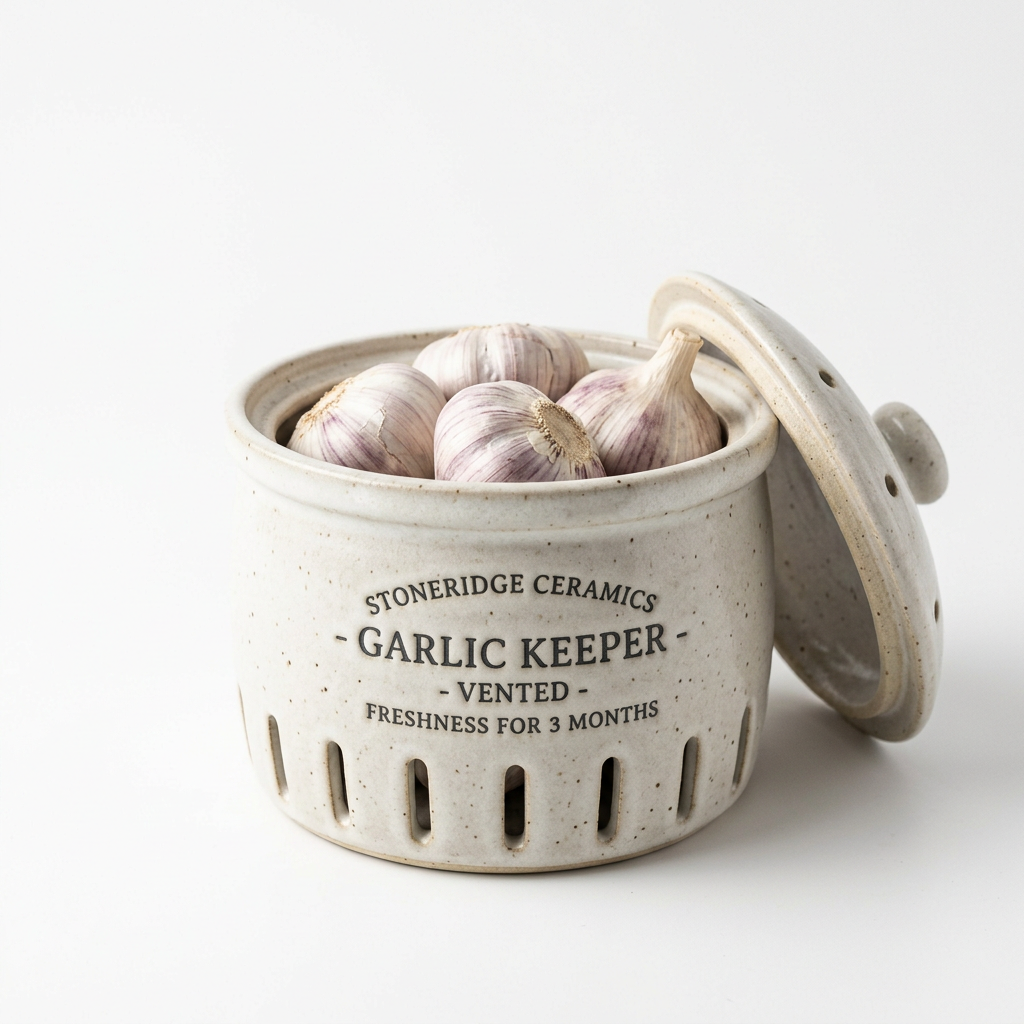
Once you have acquired or prepared your own black garlic, the way you store and prep it will determine how effectively you can use it in your cooking. Because the moisture content has been significantly reduced, the cloves are shelf-stable, but they are best kept in a cool, dark place to maintain their structural integrity. Exposure to air can cause the cloves to harden further, turning them from soft, chewy nuggets into somewhat rubbery, leather-like beads. For long-term use, keep them in an airtight container or even a sealed glass jar at room temperature.
The Technique of Mashing
The most efficient way to incorporate black garlic into sauces, dressings, or compound butters is to turn it into a fine paste. Start by peeling the cloves, which should be relatively easy as the skins will have loosened during the aging process. Place the cloves on a cutting board and, using the flat side of your chef’s knife, press down firmly to smash them. Add a small pinch of high-quality Maldon sea salt to the pile and continue to drag your knife across the paste, pressing and smearing it until you achieve a uniform, creamy consistency.
Essential Ratios for Flavor Balance
When working with black garlic, remember that a little goes a long way. It is a highly concentrated flavor bomb. For a standard vinaigrette intended for four servings, start with two cloves of smashed black garlic mixed into your emulsion. You can always increase the intensity, but because of its sugary content, over-adding can result in a sauce that feels cloying or overly heavy. It pairs exceptionally well with acidic components like sherry vinegar, lemon juice, or even a splash of aged balsamic, which cut through the syrup-like density of the garlic.
Culinary Applications: Elevating the Savory
The most common mistake home cooks make with black garlic is treating it like traditional garlic. If you throw it into a scorching pan of olive oil, the sugars will burn, leading to an acrid, bitter carbonized taste that can ruin an entire dish. Instead, think of it as a finishing ingredient or a base component for slow-cooked dishes. It works best when allowed to dissolve into a liquid, such as a broth, a braising liquid, or a pan sauce made at the very end of the cooking process.
Compound Butters and Finishing Touches
One of the most professional ways to highlight the flavor of black garlic is in a compound butter. Take a stick of high-quality, room-temperature cultured butter and fold in three finely minced cloves of black garlic, a teaspoon of chopped fresh thyme, and a hint of zest from a Meyer lemon. Roll this mixture into a log using parchment paper, chill it, and slice off a disc to place over a medium-rare ribeye steak or a pan-seared piece of wild-caught salmon. The residual heat from the protein will melt the butter, creating an instant, velvety sauce that is incredibly sophisticated.
Enriching Stocks and Braises
If you are preparing a red wine braise—perhaps a classic short rib or a lamb shank—you can add two whole, unpeeled cloves of black garlic to the liquid during the final hour of simmering. The garlic will soften further, acting as a secret thickening agent that adds a deep, mahogany color and a subtle undertone of dried fruit and molasses to your sauce. By the time the meat is tender, the garlic will have essentially melted away, leaving behind a complex, layered flavor profile that keeps your dinner guests guessing as to the source of that mysterious, savory richness.
The Sweet Side of Umami: Baking and Desserts
It might sound counterintuitive to include a garlic product in a sweet dish, but because black garlic lacks the sulfur of white garlic and leans into flavors of balsamic, tamarind, and cocoa, it is actually a surprisingly effective addition to baking and pastry. The profile of black garlic sits comfortably alongside dark chocolate, dried cherries, and caramelized sugars. When used in moderation, it provides a "salty-sweet" contrast that keeps the palate engaged and prevents a dessert from becoming one-dimensionally sugary.
Dark Chocolate and Black Garlic Pairing
Consider a dark chocolate ganache tart. By folding a small amount of black garlic paste into the heavy cream before emulsifying it with high-percentage cocoa, you introduce an earthy, complex undertone that enhances the bitterness of the chocolate. The result is a dessert that feels remarkably grown-up and intellectually stimulating. The secret here is to add just enough so that the diner notices something "different" about the chocolate, without being able to immediately identify it as garlic.
Savory Pastry Components
Beyond ganache, black garlic can be incorporated into shortbread doughs. By grinding the garlic into a fine powder (after drying out the cloves) or creating a very smooth paste, you can fold it into a buttery shortbread base that is then topped with a pinch of fleur de sel. These umami shortbreads make an incredible base for savory cheesecakes or can be served alongside a cheese board featuring aged Gouda or pungent blue cheeses, where the sweetness of the garlic complements the funk of the cheese perfectly.
"The magic of black garlic is its duality; it is a creature of the earth that tastes like the orchard, an ingredient that defies the traditional boundaries of the pantry."
Mastering the Homemade Fermentation Process
If you have a reliable dehydrator or an old-fashioned rice cooker, you can produce your own black garlic at home, though it requires a significant commitment of time and space. The process is a test of patience, as the garlic will need to be in the machine for anywhere from two to four weeks. The key to success here is maintaining a constant temperature and ensuring that the moisture doesn't escape too rapidly, which would turn the garlic into a rock-hard, inedible nugget.
Equipment and Setup
For those using a rice cooker, the "Keep Warm" setting is usually the perfect temperature range. Line the bottom of the cooker with a layer of clean paper towels to catch any moisture that seeps from the bulbs. Place your whole, unpeeled bulbs in the cooker, making sure not to overcrowd them. It is helpful to cover the top of the bulbs with another layer of paper towel and a tight-fitting lid. Do not open the lid for at least the first 14 days; checking on the progress too early causes a loss of the heat and humidity necessary for the transformation.
Troubleshooting Your Fermentation
The Smell Factor:* Be aware that your house will smell strongly of garlic for the first few days of the process. Most people prefer to keep the machine in a garage, a utility room, or a well-ventilated porch.
Dryness:* If you find the garlic is too hard after three weeks, place a small bowl of water inside the chamber (if space permits) or wrap the bulbs in a damp cheesecloth for the final days of the process to reintroduce a bit of suppleness.
Color Check:* The garlic is ready when the cloves are jet black, the texture is soft and jammy, and the taste is sweet with no lingering sharpness.
Elevating Your Culinary Identity
As you grow more comfortable with this ingredient, you will start to see opportunities to use it in everyday cooking beyond just the show-stopping dishes. Think of it as a replacement for anchovies or Worcestershire sauce in recipes where you want a boost of umami but are looking for a vegan or vegetarian alternative. A simple pasta sauce made with olive oil, red pepper flakes, and a tablespoon of black garlic paste creates a dish that feels like it took hours to develop, yet comes together in the time it takes to boil the water.
The Professional Chef's Perspective
In professional kitchens, black garlic is often used to create a "black garlic emulsion" or a sophisticated vinaigrette for raw bar items like scallops or hamachi crudo. By blending the garlic with a high-quality neutral oil, a touch of sherry vinegar, and a bit of honey, you create a dressing that clings to the seafood and provides a beautiful contrast to the clean, oceanic sweetness of the raw protein. It is this level of thoughtful pairing that separates a home cook from a culinary artist.
Creating Your Signature Dish
We encourage you to experiment. Try taking your favorite recipe—perhaps a roasted chicken or a pan of caramelized root vegetables—and introducing a layer of black garlic. Whether you rub a paste under the skin of the chicken or toss the vegetables in a vinaigrette that features a hint of fermented garlic, you are participating in a tradition of flavor exploration. Document your ratios, take note of the results, and do not be afraid of the unconventional. The beauty of cooking lies in the ability to surprise your palate.
Conclusion
Black garlic represents a triumph of culinary patience. It is an ingredient that asks us to slow down, to appreciate the slow march of chemical change, and to respect the nuances that come from controlled aging. When you incorporate it into your cooking, you are bringing a level of depth and complexity that is rarely achieved with pantry staples alone. Whether you are whipping up a simple compound butter to finish a steak or incorporating it into the complex depths of a chocolate tart, you are using one of the most versatile and rewarding ingredients available to the modern cook.
As you integrate black garlic into your repertoire, remember the core principles: treat it as a delicate finish, respect its sugar content, and always seek to balance its intensity with the brightness of acid. It is not meant to overwhelm; it is meant to anchor. It is the subtle, shadowed note in a symphony of flavors that ties the high and low together into a harmonious, savory experience. We hope this guide has inspired you to peel back those papery skins and discover the incredible world of flavor hiding inside.
Your journey into the world of fermented ingredients is only just beginning. As you continue to experiment, remember that the "Blame The Chef" philosophy is built on the belief that every home cook can master the tools and ingredients of the professional world with the right guidance and a bit of curiosity. Keep your kitchen stocked, keep your knives sharp, and never stop looking for ways to transform the ordinary into the extraordinary. The secret to your next great dish might just be sitting in your pantry, waiting for its moment of transformation. Happy cooking, and may your umami be ever-present.

Get the Next Recipe
Weekly recipes, techniques, and gear picks — straight to your inbox.
