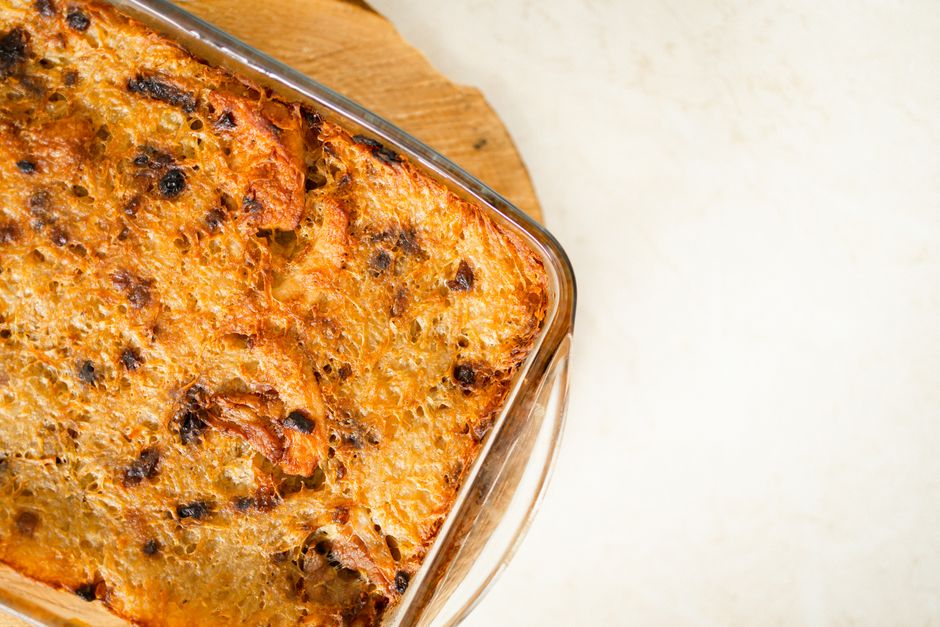
Bread Pudding: The Ultimate Comfort Dessert
Bread pudding is one of those delightful desserts that evoke a deep sense of nostalgia, often conjuring memories of family gatherings and cozy evenings spent together over a comforting dish. Hailing from a history rich with resourcefulness and innovation, bread pudding transformed stale bread—an otherwise wasted ingredient—into a sweet, custardy dessert that could please the palate and fill the belly. This dessert is not just a means to use up leftover bread; it is a canvas for creativity, inviting home cooks to experiment with various flavors, textures, and presentations that celebrate the humble loaf.
As we delve into the art of making bread pudding, we will explore its origins, various recipes, and essential techniques that ensure a successful outcome every time. Whether you prefer a classic version infused with spices like cinnamon and nutmeg, or a chocolatey concoction that appeals to your inner sweet tooth, understanding the foundational aspects of bread pudding will elevate your baking skills. Nostalgia and creativity combine when this dessert is on the table, enabling any home cook to impress family and friends with a delightful treat that warms the heart.
In this post, we will take an extensive look at the ingredients, preparation, and baking methods that characterize outstanding bread pudding. You will discover the nuances of selecting the best bread, the importance of soaking and custard ratios, and ways to add exciting flavors and textures. Together, we will navigate through the essential steps to create a bread pudding that is not only a showstopper but also a heartfelt expression of the comfort that desserts can bring into our lives.
The History of Bread Pudding
Understanding the history of bread pudding enriches our experience of making it. Bread pudding has ancient roots, tracing back to the 13th century when it was first created in Europe as “pouding,” a dish where bread was combined with various ingredients and baked. It was a way to avoid waste, taking leftover bread and combining it with milk, eggs, and sugar to create a nourishing meal. Many cultures have their takes on bread pudding—each with unique ingredients reflecting local tastes and traditions.
Origins and Evolution
In England, for instance, bread pudding was traditionally a frugal dish for the working class, often referred to as "bread and butter pudding." This version employs buttered slices of bread layered with raisins and spices. In the United States, bread pudding developed into a widely loved dessert, particularly in the South, featuring ingredients like bourbon and vanilla. It became a staple in many households, particularly in regions where day-old bread was commonplace.
“Bread pudding is a testament to the beauty of resourcefulness in the kitchen—a dish that turns leftovers into something simply divine.”
As time has passed, bread pudding has evolved, embracing diverse flavors and methods of preparation. When chefs began experimenting with gourmet ingredients, bread pudding transitioned from a humble dessert to a star on restaurant menus around the world. Today, we find variations including fruity versions with berries or apples, boozy versions featuring rum or whiskey, and even savory takes using cheeses or vegetables.
Cultural Variations
Different cultures have put their unique spins on this classic dish:
Understanding these variations can inspire your own recipes and help you incorporate unique twists that honor both tradition and personal preference.
Essential Ingredients for Bread Pudding
The beauty of bread pudding lies not only in its simplicity but also in the versatility of its ingredients. With just a few staple items, you can create a range of flavors and textures in this dessert. Let's break down the essential components.
The Bread
Choosing the right bread is paramount. Stale bread is the best choice because it absorbs the custard without breaking down completely. Opt for bread with texture and flavor, such as:
The general rule of thumb is to have about 8 to 10 cups of diced bread for a standard recipe serving 6-8 people.
The Custard
The custard is what brings moisture and richness to the bread pudding. A classic custard base consists of:
Extras for Flavor and Texture
Incorporating additional elements can transform your bread pudding from standard to spectacular. Consider adding:
Preparing Your Bread Pudding
Now that we have covered the essential ingredients, the next step is the preparation process. Proper preparation ensures even flavor distribution and optimal texture throughout the dessert.
Soaking the Bread
Incorporating Flavor Add-Ins
After the bread has soaked, you can add your flavor extras:
Assembling the Dish
Baking the Bread Pudding
Baking is where the magic happens, transforming your prepared bread pudding from a wet mixture into a warm, fluffy dessert. The baking process also allows the flavors to meld beautifully.
Time and Temperature
Water Bath Method
For a creamier texture, consider using a water bath (bain-marie) to bake your bread pudding:
Baking with the water bath helps to ensure the custard cooks evenly, resulting in a beautifully creamy bread pudding without the risk of dryness.
Letting It Set
Once baked, it can be tempting to dive right into your creation, but patience is key. Allow your bread pudding to set for at least 15-20 minutes before serving. This will help it hold its shape and allow the custard to firm up.
Serving Suggestions
The celebration of bread pudding doesn’t end with the baking process; serving it right can enhance the dining experience. How you present and embellish your bread pudding can be the perfect finishing touch.
Classic Pairings
- Rum sauce: A mix of butter, sugar, rum, and cream creates a rich topping.
- Vanilla cream sauce: A simple mix of heavy cream, vanilla, and sugar makes for a light, sweet contrast.
Creative Twists
Tips for Perfecting Your Bread Pudding
To ensure your bread pudding is consistently pleasing and delightful, here are some chef tips to keep in mind:
“Perfecting bread pudding is less about following a strict recipe and more about understanding the balance of ingredients and techniques.”
Final Thoughts
Bread pudding embodies the essence of comfort food—simple yet satisfying, rich yet approachable. It tells a story of culinary creativity and resourcefulness, allowing home cooks to feel empowered as they take stale bread and transform it into a beloved dessert. The journey from mixing basic ingredients to enjoying a warm, delectable treat that has fused both tradition and innovation is a culinary adventure worth taking.
As you explore the myriad of variations and techniques available in bread pudding, take time to infuse your personality into every bite. Whether it's a family recipe passed down through generations or a new concoction you've dreamed up, every bread pudding you create adds to the rich tapestry of this timeless dessert.
Embrace the process, experiment with flavors, and delight in the comfort of bread pudding—because in the end, it truly is the ultimate comfort dessert. Happy baking!

Get the Next Recipe
Weekly recipes, techniques, and gear picks — straight to your inbox.
