
Building a Balanced Spice Rack: Essential Spices Every Kitchen Needs
A well-stocked spice rack can transform your cooking from mundane to magnificent. Spices possess the power to elevate the simplest of dishes by adding depth, complexity, and distinctive flavors. They can turn a plain piece of chicken into a culinary masterpiece or transform a simple vegetable stir-fry into a delightful feast bursting with flavors. For novice cooks, navigating the world of spices can seem intimidating, but with a thoughtful selection of essential spices, anyone can cook with confidence and creativity. As you embark on this journey through the world of flavors, you’ll discover that the right blend of spices is an essential component of cooking that should never be overlooked.
Understanding the fundamental role of spices in cooking is the first step in mastering your culinary skills. Spices do more than just add taste; they also complement the natural flavors of ingredients, enhance aromas, and can even contribute to the visual appeal of your dishes. When used appropriately, spices can elevate a dish, making it memorable and delightful. The balance of flavors is crucial—too much of one spice can overwhelm a dish, while too little can result in a bland and unexciting meal. Therefore, knowing how to build a balanced spice rack is essential for any home cook looking to elevate their culinary creations.
Creating a comprehensive spice rack does not require an overwhelming budget or an extensive collection of every spice available. Instead, focus on acquiring a curated selection of the most versatile and essential spices that can be used across various cuisines. This blog post will guide you in selecting and organizing these essential spices, ensuring that you have everything you need to create delectable dishes regardless of the cooking style. Whether aiming for the spicy notes of Indian cuisine or the subtle depth of Mediterranean flavors, this guide will serve as your roadmap in building a balanced spice rack.
Understanding Spice Basics
What Are Spices?
Spices are dried seeds, fruits, roots, or bark from various plants that are used primarily for flavoring and seasoning food. They come in countless varieties, each with its unique aroma, taste, and potential health benefits. Spices are typically stronger in flavor than herbs, which are usually the green, leafy parts of plants. While herbs may provide a lighter flavor, spices can deliver profound and concentrated tastes. Understanding the origins, flavor notes, and culinary uses of each spice is integral to utilizing them effectively in your cooking.
Fresh vs. Ground Spices
When it comes to spices, freshness is key. Whole spices tend to retain their flavors longer than ground spices, which can lose potency over time due to exposure to air and light. For instance, whole peppercorns, when freshly ground, have a vibrant flavor profile that surpasses that of pre-ground pepper. This principle applies to many spices, such as cumin, coriander, and nutmeg. Investing in a good spice grinder can enhance your cooking significantly. Not only can you achieve fresher flavors, but grinding spices can release essential oils, boosting their aroma.
It’s essential to store spices properly to maintain their freshness as well. Here are some key storage tips:
Decoding Spice Labels
Understanding how to read spice labels is crucial for choosing quality products. When shopping for spices, look for the following:
Understanding these critical aspects will help you make informed decisions when stocking your spice rack.
Essential Spices for Every Kitchen
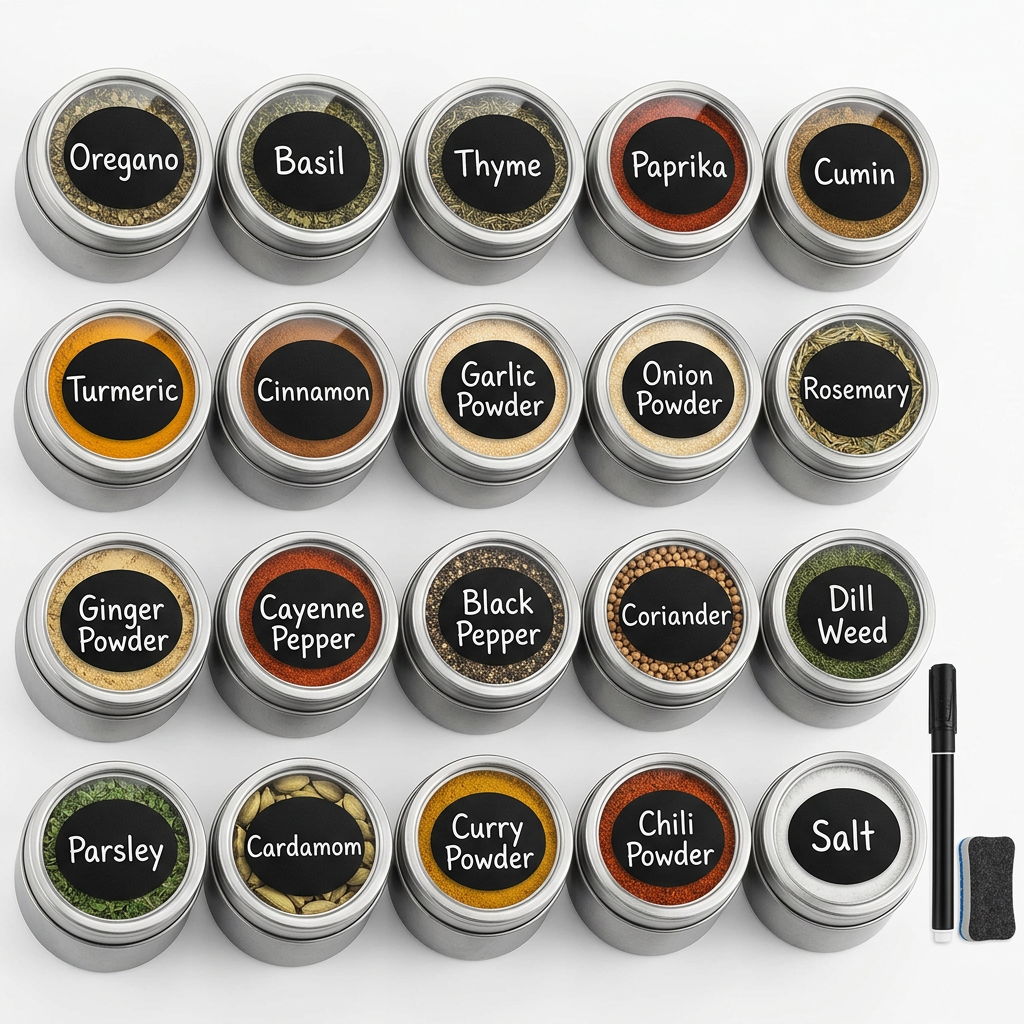
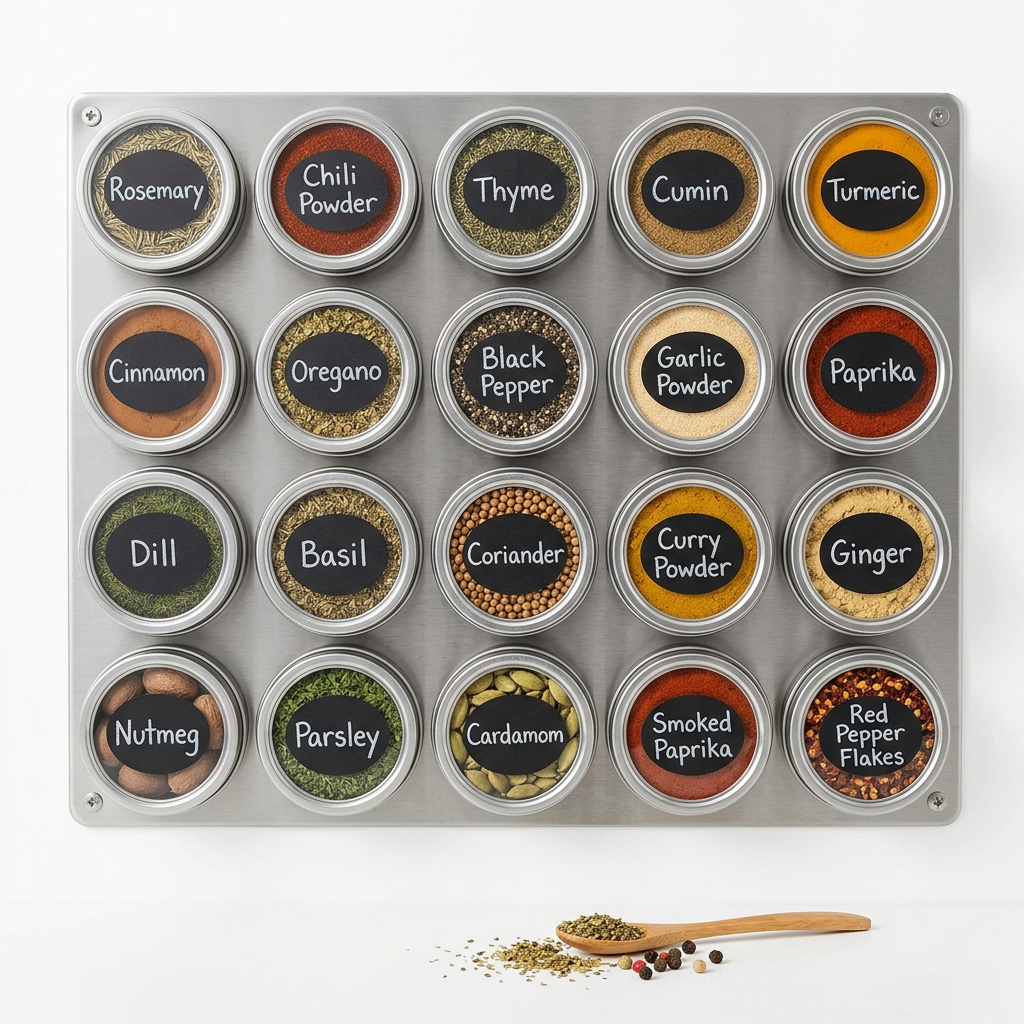
Below is our list of essential spices, organized by category and functionality. Every home cook should ensure that their spice rack includes these staples to provide a solid foundation for flavoring just about any dish.
1. Salt
There’s no kitchen without salt. It enhances flavors and balances out sweetness, sourness, and bitterness in dishes. While table salt is common, consider using kosher salt or sea salt for their more nuanced flavors and textures.
Key points about salt:
2. Black Pepper
Black pepper is often revered as the “king of spices.” It adds warmth and depth to dishes. Whether used whole, crushed, or ground, it’s nearly ubiquitous in savory and some sweet applications.
Tips for black pepper:
3. Cumin
Cumin, with its earthy, nutty flavor, is essential in various cuisines, from Indian curry to Mexican enchiladas. It is available in both whole seed and ground form, though whole seeds are often toasted to elevate their flavor before use.
How to use cumin:
4. Paprika
Paprika, made from ground dried peppers, can vary in flavor and heat level from sweet and smoky to hot and spicy. It’s an essential ingredient in many dishes, including stews, sauces, and as a garnish.
Using paprika effectively:
5. Oregano
Oregano is a staple in Mediterranean and Mexican cuisines. Its peppery and slightly bitter flavor pairs well with tomatoes, meats, and grilled preparations.
Oregano tips:
6. Chili Powder
Chili powder consists of a blend of spices, usually including ground chilies, cumin, garlic powder, and oregano. It’s essential for adding heat and complexity to various dishes from chili con carne to enchiladas.
Incorporating chili powder:
7. Turmeric
Known for its striking yellow color and health benefits, turmeric is known for its anti-inflammatory properties and is a key ingredient in many Indian dishes. Its warm and slightly bitter taste pairs well with other spices, making it an excellent choice for blends.
Using turmeric:
Spices from Around the World
Every kitchen can benefit from a few globally inspired spices to expand the range of flavors. Incorporating unique spices will allow you to experiment with various cuisines, expanding your culinary skills and creativity.
1. Garam Masala
A staple in Indian cooking, garam masala is a fragrant blend of spices, usually including cumin, coriander, cardamom, and cloves. Its complexity and warmth can turn any dish into an aromatic delight.
Tips with garam masala:
2. Coriander
Often considered a twin to cumin, coriander has a bright, citrusy flavor. Ground coriander is made from the seeds of the cilantro plant and is widely used in various cuisines from Middle Eastern to Asian.
Usage tips for coriander:
3. Allspice
With a flavor profile reminiscent of cinnamon, nutmeg, and cloves, allspice works beautifully in both sweet and savory dishes. This versatile spice is often used in Caribbean cuisines but finds itself at home in various types of recipes.
Incorporating allspice in cooking:
4. Saffron
Though it may be expensive, saffron is precious for its distinct flavor and vibrant color. Obtained from the flower of Crocus sativus, saffron adds a luxurious touch to dishes, particularly in Mediterranean and Middle Eastern cooking.
Using saffron effectively:
5. Five Spice Powder
Common in Chinese cuisine, five spice powder typically combines star anise, cloves, cinnamon, Sichuan pepper, and fennel seed, creating a sweet and spicy flavor. Its uniqueness can elevate a dish, providing layers of complexity.
How to utilize five spice powder:
Spice Blending Techniques
Creating custom spice blends is an excellent way to enhance flavors and streamline your cooking process. Blends can be tailored to your taste preferences, allowing for unique combinations that reflect your culinary style and heritage.
How to Create Spice Blends
Popular Spice Blends to Try
Cooking Techniques with Spices
Mastering the use of spices also involves understanding various cooking techniques that enhance their flavors and aromas. From toasting to marinating, let's explore techniques to elevate your dishes.
Toasting Spices
Toasting spices intensifies their flavor by releasing essential oils. This method is particularly effective for whole spices like cumin, coriander, and fennel seeds.
Toasting tips:
Marinating with Spices
Marinating is a powerful technique that allows spices to permeate meats or vegetables, resulting in more flavorful dishes.
Marinating steps:
Infusing with Spices
Infusion brings out spices' essence, adding aromatic flavors to oils, broths, or sauces. This technique is widely used in both sweet and savory dishes.
Infusion process:
Conclusion
Creating a balanced spice rack is an essential step for elevating your cooking from basic to extraordinary. With the right selection of essential spices, knowledge of their proper uses, and an understanding of techniques like toasting, marinating, and infusing, you set the stage for endless culinary possibilities. Not only can spices add flavor, aroma, and color to your dishes, but they can also connect you to the rich tapestry of global cuisines.
As you expand your culinary repertoire, take pleasure in exploring different combinations and blends, adding your personal touch to every dish. Remember that cooking is a journey—don’t rush. Experiment, taste, and adjust to create meals that resonate with you and those you serve. Your spice rack will become a treasure trove of inspiration, ensuring that each meal is an adventure worth savoring.
With these essential spices at your fingertips and the knowledge on how to use them, you can approach cooking with confidence and creativity, transforming simple ingredients into memorable meals filled with flavor and personality. Happy cooking!
Get the Next Recipe
Weekly recipes, techniques, and gear picks — straight to your inbox.
