
Building Better Stocks: The Foundation of Every Great Sauce
In the professional culinary world, the stockpot is often considered the silent workhorse of the kitchen, sitting quietly on the back burner while magic happens beneath the surface. Many home cooks view stock as a mere afterthought—a liquid to be bought in a cardboard carton from the grocery store shelf—but this is a fundamental misconception that limits your potential as a chef. When you learn to craft your own stocks, you are essentially learning how to extract the soul of your ingredients, transforming simple bones, aromatics, and water into a liquid gold that forms the structural backbone of every great sauce, stew, and risotto you will ever make. This process is not merely about boiling water; it is about managing chemistry, patience, and the delicate balance of flavor extraction.
The beauty of building a better stock lies in its simplicity and the profound impact it has on the final dish. A stock is not just a carrier of flavor; it is the environment in which your ingredients live and breathe during the cooking process. Whether you are creating a translucent white chicken stock, a rich and deeply caramelized brown veal stock, or a delicate vegetable fumet, the principles remain consistent across the board. By taking control of the ingredients, the temperature, and the duration of the simmer, you are exerting a level of precision that differentiates a home cook from a true culinary craftsman. It is time to stop blaming the chef for your lackluster sauces and start looking at the foundation you are building.
If you are ready to elevate your cooking, you must be prepared to commit to the process. There are no shortcuts when it comes to gelatin extraction, flavor development, or the clarity of your liquid. This journey requires an understanding of how collagen breaks down into gelatin, how mirepoix affects the sweetness and depth of the broth, and why maintaining a gentle simmer is far superior to a rolling boil. As we delve into the science and the art of stock-making, I encourage you to look at your kitchen not as a space for chores, but as a laboratory for flavor. With the right technique, your kitchen will soon be filled with the intoxicating, savory aroma that only a proper, long-simmered stock can provide.
The Chemistry of Collagen and Gelatin
At the heart of every great stock is the transformation of collagen into gelatin. Collagen is the primary structural protein found in the connective tissues of animals, including joints, tendons, and bones. When you apply heat and moisture over an extended period, the triple helix structure of the collagen unwinds, dissolving into the liquid as gelatin. This is what gives a properly made stock its viscosity and mouthfeel, providing that characteristic "lip-sticking" quality that distinguishes a restaurant-quality sauce from a thin, watery liquid. If your stock is thin, you haven't extracted enough gelatin; if it's overly bitter, you've likely over-extracted minerals or tannins.
Why Bones Matter
The source of your bones is the most critical decision you will make. While meat provides flavor, bones provide the body. For a standard chicken stock, I always advocate for using a mix of carcasses and feet. Chicken feet are exceptionally high in collagen, acting as a natural thickener that creates a luxurious, silky texture in your sauces. Avoid using bones that have been sitting in the freezer for months, as they can develop a "freezer burn" flavor that will permeate your entire stock. Always aim for fresh, high-quality bones—preferably from animals that have been pasture-raised, as the quality of the diet translates directly to the depth of flavor in the broth.
The Role of Temperature
The golden rule of stock-making is to maintain a gentle simmer. If your stock reaches a rolling boil, you will emulsify the fat and impurities into the liquid, resulting in a cloudy, lackluster broth that tastes flat and greasy. You want to see the occasional lazy bubble—a temperature range of approximately 185°F to 195°F (85°C to 90°C) is ideal. This gentle agitation allows for the slow release of flavor compounds without disturbing the suspended particles that create haze.
"A stock is the foundation of cooking; without it, nothing can be done." — Auguste Escoffier. This timeless wisdom reminds us that even the most complex recipes are doomed to mediocrity if the base is not handled with the utmost care and respect.
The Art of the Mirepoix and Aromatics
A mirepoix is the holy trinity of French cooking: onions, carrots, and celery, typically in a ratio of 2:1:1. While this is the classic standard, don't be afraid to adjust based on the protein you are using. For a delicate fish stock, you might omit the carrots entirely to keep the color clear and the flavor light. For a deep, dark veal stock, you might roast your mirepoix in the oven until the edges are charred, adding a layer of roasted sweetness that complements the intensity of the bones.
Sizing Matters
One of the most common mistakes home cooks make is chopping their aromatics too finely. If your vegetables are diced small, they will turn to mush long before the bones have finished releasing their essence. For a stock that needs to simmer for four to six hours, aim for a rough, large chunky chop. This ensures that the vegetables hold their structural integrity throughout the duration of the cook, releasing their flavor slowly and consistently without clouding the stock with excess vegetable fiber.
The Bouquet Garni
Never underestimate the power of a well-constructed bouquet garni. This bundle of herbs—traditionally thyme, bay leaf, and parsley stems tied with kitchen twine—should be added toward the last hour of simmering. Adding herbs too early can lead to a "cooked-out" or medicinal flavor, as the volatile oils in the herbs evaporate or break down. By introducing them at the end, you ensure that the final product retains the bright, herbal top notes that provide balance to the savory depth of the bones.
Techniques for Clarity: The Cold Start Method
Clarity is the hallmark of a professional stock. To achieve a crystal-clear liquid, you must start with cold water. Covering your bones in cold water allows for the gradual release of proteins and impurities, which will coagulate and rise to the surface as scum (or impuretés in French). If you start with hot water, these proteins are shocked and harden instantly, trapping themselves within the liquid and making it impossible to clarify.
The Skimming Process
Once your stock reaches that gentle simmer, you must be prepared to spend the first 20 to 30 minutes with a ladle in hand. You will notice a greyish-brown foam accumulating on the surface; this is primarily coagulated blood and protein. Use a fine-mesh skimmer to remove this foam periodically. This is not just a visual preference; by removing these impurities, you are ensuring that your final stock has a clean, pure flavor profile that won't be tainted by the bitterness of oxidized proteins.
Dealing with Fat
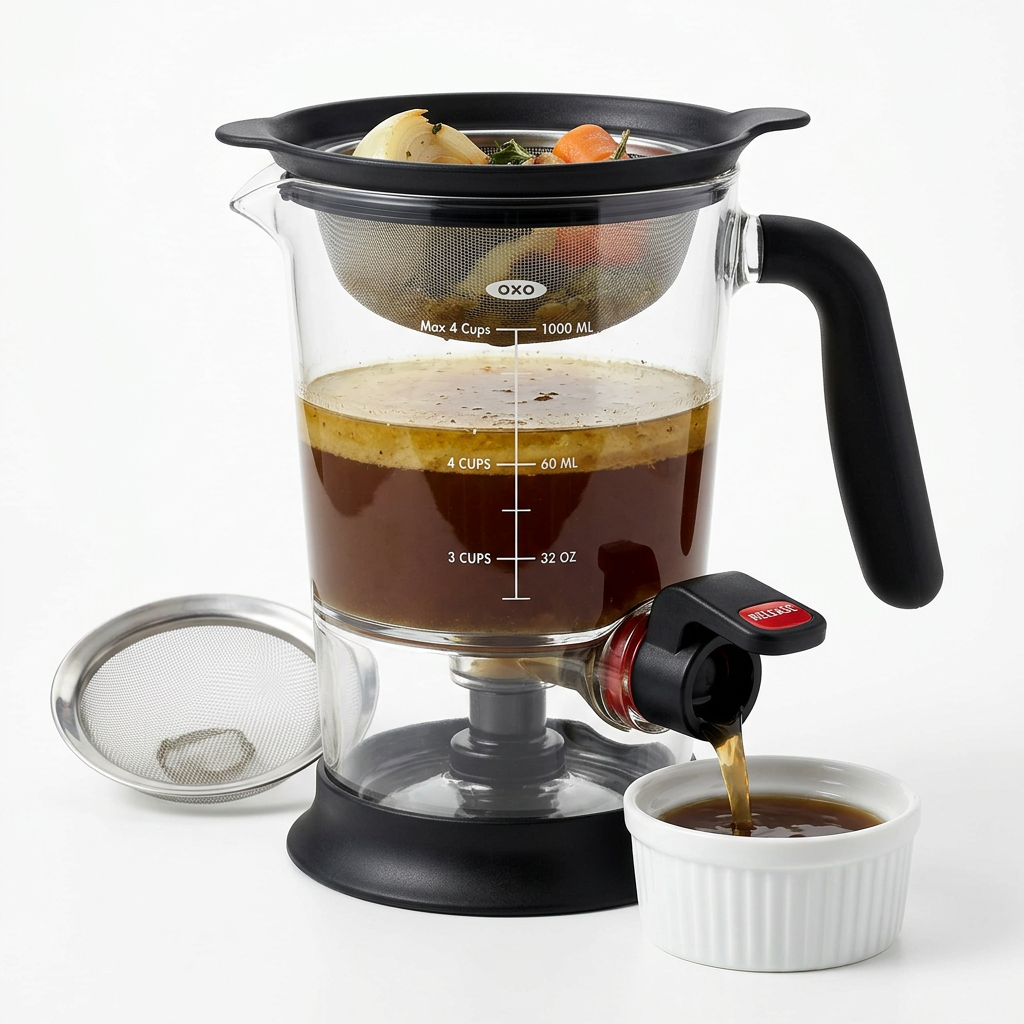
Fat is the enemy of a shelf-stable, clean-tasting stock. Once your stock has finished cooking and you have strained it through a fine-mesh sieve or chinois, it is crucial to chill the liquid rapidly. Place your pot in an ice bath before moving it to the refrigerator. Once the stock is cold, the fat will solidify into a white, waxy cap on the surface. This layer acts as a seal, preserving the stock beneath it, and can be easily lifted off before you use the stock for a sauce or soup.
Brown Stock vs. White Stock: Knowing the Difference
The distinction between white stock and brown stock is essential for any aspiring chef. A white stock is made from unroasted, blanched bones, resulting in a light, neutral, and versatile base. This is the foundation for light sauces, veloutés, and delicate soups. A brown stock, conversely, requires a transformation of the bones through the Maillard reaction. By roasting the bones at high heat—typically 425°F (220°C)—you trigger the chemical reaction that browns proteins and sugars, resulting in a dark, rich, and highly savory liquid.
The Maillard Reaction
The Maillard reaction is the secret weapon of the flavor-focused chef. When you roast bones for a brown stock, you are not just browning them for aesthetics; you are creating hundreds of new flavor compounds. This provides the complex, umami-forward backbone needed for hearty sauces like a red wine demi-glace or a robust beef bordelaise. Without this step, your beef stock will simply taste like salty, hot water. Always ensure the bones are dry before placing them in the oven, as moisture will steam the bones rather than roast them, inhibiting the browning process.
Deglazing the Pan
Never discard the fond left in the roasting pan! The fond (the browned bits stuck to the bottom of the pan) is essentially concentrated flavor. After your bones are roasted, add a splash of water or wine to the pan and scrape up these bits. Incorporate this liquid into your stockpot. This step adds immense depth and color to your brown stock, bridging the gap between the roasted flavor of the bones and the silky mouthfeel of the final liquid.
"Stock is the foundation of all culinary success. If your foundation is weak, the entire structure of the meal will inevitably crumble under the weight of poor seasoning." — Chef’s adage.
Advanced Flavor Extraction: The Double Stock
If you truly want to impress, consider the technique of the double stock (or remouillage). After you have strained your first batch of stock, the bones still retain a significant amount of collagen and flavor. By covering these bones with fresh water and simmering them again, you can extract every last bit of gelatin. While this second extraction is lighter in flavor than the first, it is technically superior in its concentration of gelatin. Professional kitchens often use this liquid as the "water" for the next batch of stock, effectively layering flavor upon flavor.
The Importance of Salt
You might be surprised to learn that you should never salt your stock. Salt should be added only at the final stage when you are preparing your sauce or soup. Why? Because stocks are often reduced to concentrate their flavor. If you salt your stock at the beginning, the reduction process will turn it into a salt lick. By keeping the stock unsalted, you maintain total control over the seasoning of your final dish, allowing the natural savory intensity of the ingredients to shine without the interference of sodium.
Troubleshooting Common Errors
Cloudy Stock:* Caused by a rolling boil or failing to skim the scum. Ensure the liquid barely ripples.
Flat Flavor:* Usually a result of not using enough bones or not roasting them long enough for a brown stock.
Bitter Notes:* Often caused by over-simmering the mirepoix or using too many herbs that have broken down completely.
Weak Body:* Lack of enough connective tissue. Next time, add chicken feet or veal knuckles to increase the collagen content.
Proper Storage and Shelf Life
Once you have crafted your masterpiece, you need to store it correctly. Because stock is a high-protein, moisture-rich environment, it is the perfect breeding ground for bacteria. You must move the stock through the "danger zone" (40°F to 140°F) as quickly as possible. As mentioned earlier, an ice bath is mandatory. Once cooled, store the stock in airtight containers. It will last in the refrigerator for about 3 to 4 days. If you want to keep it longer, freezing is your best option.
Portioning for Success
I recommend freezing your stock in various quantities: quart containers for soup bases, and smaller 4-ounce portions in ice cube trays for finishing sauces. Having a collection of stock cubes in your freezer is a game-changer. Whenever you find yourself needing to deglaze a pan for a quick pan sauce, you can simply pop out a cube of your concentrated, homemade stock. It provides an immediate, high-quality lift to any dish, ensuring that you never have to rely on store-bought alternatives that are often loaded with preservatives and excess sodium.
Labeling and Tracking
It sounds elementary, but in the chaos of a busy kitchen, it is all too easy to forget how long a container has been in the freezer. Always label your containers with the contents and the date. You might think you will remember that "clear container of brown liquid" is a veal stock, but after three weeks in the freezer, it all starts to look the same. Proper organization allows you to use your stocks in the order they were made, ensuring that your ingredients are always at their peak quality.
Final Thoughts: The Philosophy of the Stockpot
Building a better stock is an exercise in mindfulness. It requires you to slow down, pay attention to the subtle changes in the pot, and understand the elemental processes that turn simple scraps into an essential culinary building block. It is a commitment to quality that permeates everything else you do in the kitchen. When you start with a perfect foundation, the rest of your cooking becomes not only easier but fundamentally more delicious.
The next time you are preparing a meal, don't look at the bones as waste. Instead, see them as the dormant potential for a deep, rich, and soul-warming experience. Treat your stockpot with the respect it deserves, maintain your temperatures, be diligent with your skimming, and never rush the process. When you finally taste that first spoonful of your own, perfectly clarified, gelatin-rich stock, you will understand exactly why we consider this the most important technique in the culinary arts. Blame the chef if you must, but after mastering these steps, you will be the one setting the standard for excellence in your own home.
This journey is ongoing. Experiment with different types of bones—duck, lamb, or game—and play with the ratios of your mirepoix. Consider adding aromatics like star anise, peppercorns, or even a piece of kombu for a touch of added umami. The beauty of the stockpot is that it is a canvas, and the technique we have discussed here is merely the frame. Fill that frame with your own creativity, patience, and love for the craft. As you continue to practice, you will find that your sauces take on a new life, your soups gain depth, and your overall confidence as a cook reaches new heights. Keep your knives sharp, your burners steady, and your standards high. Happy cooking, and may your stockpots always be full of potential.
Developing Consistency in Your Kitchen
Consistency is the ultimate goal of any professional kitchen. Even if you have the best ingredients, your results will vary wildly if your technique is inconsistent. To achieve a high level of performance in your own home kitchen, I encourage you to keep a small notebook dedicated to your stocks. Record the ratio of bones to water, the weight of your mirepoix, the exact roasting time for your brown stocks, and the final yield. Over time, this data will allow you to replicate your successes and troubleshoot your failures with surgical precision.
Precision Tools
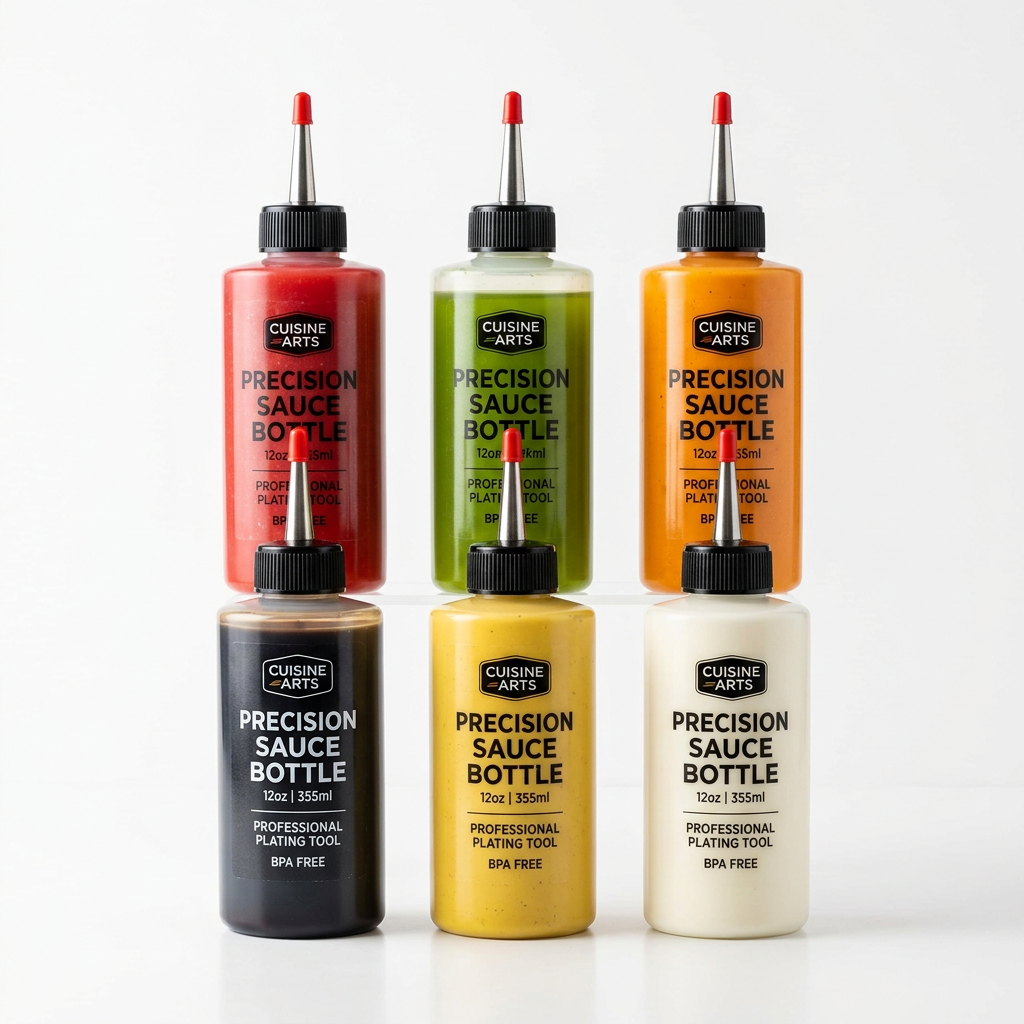
While you do not need expensive equipment to produce a great stock, certain tools will make your life much easier. Invest in a high-quality, heavy-bottomed stockpot with a thick base; this helps to distribute heat evenly and prevents scorching. A chinois or a very fine-mesh conical strainer is an absolute necessity for achieving that restaurant-grade clarity. Additionally, using a kitchen scale to measure your water and aromatics will remove the guesswork from your ratios, ensuring that your stock tastes the same every time you make it.
The Importance of Water Quality
We often forget that water is the main ingredient in our stock. If your tap water has a strong chlorine flavor or is heavily mineralized, it will affect the taste of your stock. Whenever possible, use filtered water. The purer the water, the more it will allow the delicate flavors of the bones and aromatics to come to the forefront without any chemical interference. It is a small detail, but in the world of fine cooking, the sum of these small details is what elevates a dish from good to truly memorable.
Integrating Stock into Daily Cooking
Many people ask me how they can use their homemade stocks beyond just soup. The answer is simple: use them everywhere. Replace the water in your rice cooker with chicken stock for a flavorful side dish. Use a small amount of beef stock to thin out a thick gravy or to provide a moisture boost to a braised vegetable dish. When you are making a risotto, the quality of your stock determines the quality of the dish; using a homemade, gelatinous stock will result in a creamy texture that is impossible to replicate with water or store-bought broth.
Pan Sauces: The Chef's Secret
The quickest way to elevate a simple steak, chicken breast, or pork chop is with a pan sauce. After searing your protein, remove it from the pan and pour off the excess fat. Deglaze the pan with a splash of wine or vinegar, scraping up all those flavorful browned bits. Add 1/2 cup of your high-quality homemade stock and let it simmer until it has reduced by half. Finish the sauce by whisking in a tablespoon of cold, cubed butter—a process known as monter au beurre. This gives the sauce a glossy sheen and a rich, velvety texture that coats the back of a spoon. This is the exact technique used in top-tier restaurants across the globe.
Braising and Poaching
Stock is also the perfect medium for poaching and braising. Whether you are gently poaching fish in a court-bouillon or slow-cooking a beef chuck roast in a rich, dark veal stock, the liquid acts as an infusion chamber. Because your stock is already rich in flavor, it will penetrate the fibers of the meat, ensuring that the final dish is succulent and deeply seasoned. Do not be afraid to use your stock as the primary braising liquid—it is a far more effective way to build flavor than using wine alone.
Sustaining the Culinary Tradition
We live in an age of convenience, where it is easier than ever to pick up a carton of broth or a bouillon cube from the grocery store. While these products have their place in a pinch, they cannot replicate the nutritional value or the depth of flavor found in a homemade stock. By making your own, you are participating in a culinary tradition that dates back centuries, connecting yourself to a lineage of chefs who understood that flavor is not something you buy, but something you build.
Take pride in the process. When you spend the afternoon hovering over a simmering stockpot, you are investing in the health and happiness of those you feed. There is a distinct difference in the quality of a meal prepared with care, and your guests—and your own palate—will undoubtedly notice. Keep experimenting, keep tasting, and keep refining your technique. The more you work with your stock, the more you will understand the nuances of how ingredients interact, providing you with the tools to become a master of your own culinary domain. Your kitchen is the heart of your home, and your stockpot is the heart of your kitchen. Treat it well, and it will never fail you.
Conclusion
Building better stocks is not just a technique; it is a philosophy of cooking that prioritizes the foundation over the flourish. Throughout this guide, we have explored the essential science behind collagen and gelatin, the importance of temperature control, the transformative power of the Maillard reaction, and the vital role of pure ingredients. Whether you are a novice home cook or someone looking to refine their professional skillset, the time spent at the stockpot is never wasted time. It is an investment in your growth as a chef and a commitment to the art of flavor.
As you step away from this post and into your kitchen, remember the primary tenets: start with cold water, maintain a gentle simmer, skim consistently, and prioritize the quality of your bones. By stripping away the shortcuts and embracing the slow, deliberate pace of traditional stock-making, you are building a repository of flavor that will serve you in every culinary endeavor. Your sauces will be richer, your soups more vibrant, and your braises more succulent. You have the tools, the knowledge, and the passion—now it is time to put it all into practice. May your stockpots always be bubbling, your sauces always be silky, and your culinary journey always be filled with discovery. Go forth, build your foundation, and elevate your cooking to the next level. The results, as they say, are always in the soup.


Get the Next Recipe
Weekly recipes, techniques, and gear picks — straight to your inbox.
