Building Flavor: The Art of Layering
The world of cooking is a vibrant tapestry of flavors, textures, and aromas, each interwoven to create an unforgettable dining experience. As home cooks, we often find ourselves striving to replicate dishes that tantalize the senses and evoke warmth, nostalgia, or excitement. At the core of mastering culinary excellence lies one fundamental principle: building flavor. This involves more than simply adding salt and pepper to a dish; it encompasses a myriad of techniques that allow ingredients to shine individually while harmonizing for a balanced, depth-filled flavor profile.
Understanding how to layer flavors transforms your cooking from simple sustenance to an art form. It invites creativity and intuition, enabling you to experiment and discover combinations that elevate your dishes. No longer will you view cooking as following a recipe; instead, it becomes a method of exploration where you learn how to support and accentuate the natural qualities of your ingredients. In this culinary odyssey, you will discover the essential steps to enhance flavors, using familiar staples and exotic elements alike.
As we delve into the intricacies of layering flavors, expect to learn crucial techniques, from the Maillard reaction that delivers that savory, umami kick to the nuances of balancing acidity and sweetness. This blog post serves as your guide to developing a conscious approach to flavor layering, challenging you to think deeper about the ingredients you use and the techniques at your disposal. Let’s embark on a flavorful journey together, equipping you with the knowledge and skills to become a more confident home chef.
Understanding the Fundamentals of Flavor
Before we tackle the specific techniques of flavor layering, it’s imperative to establish a firm understanding of the foundational concepts that influence how we perceive flavor. Flavor itself is a complex interaction of taste, aroma, and even texture. On the palate, we identify five primary tastes: sweet, salty, sour, bitter, and umami. Each taste interacts differently with various ingredients, and understanding this interaction forms the basis of building complex flavor profiles.
The Role of Aromatics
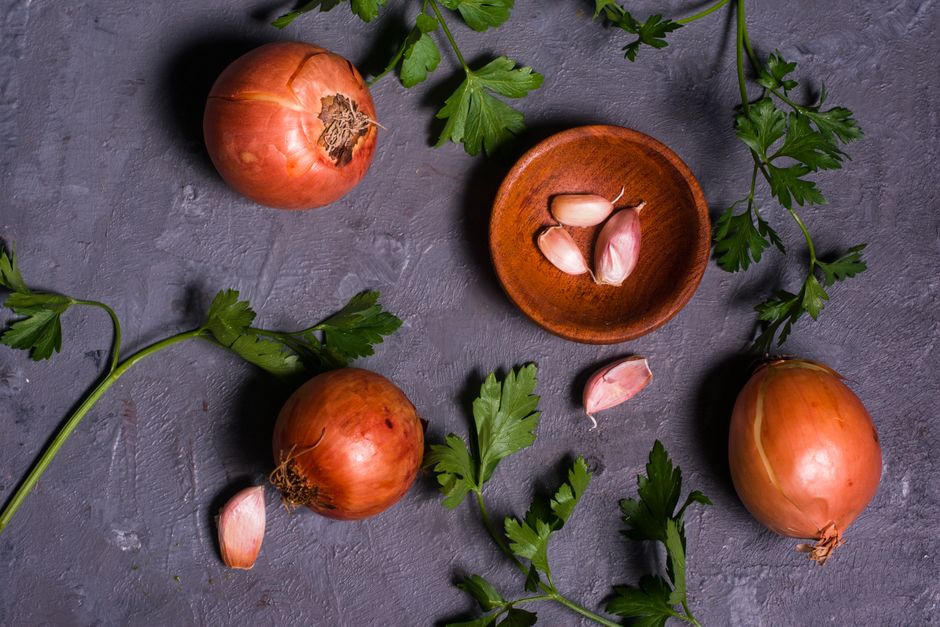
At the heart of many flavor-building techniques are aromatics, which are the foundational ingredients that provide complexity and aroma to your dishes. Common aromatics include:
To properly utilize aromatics, it’s essential to understand the timing of their addition in the cooking process. For instance, sautéing onions until they're translucent before adding garlic allows the flavors to meld without the risk of burning the garlic, which can turn bitter.
The Maillard Reaction and Caramelization
Two fundamental processes that immensely contribute to flavor development are the Maillard reaction and caramelization. The Maillard reaction occurs when proteins and sugars in food interact under heat, resulting in complex flavors and the browning of food. This reaction is vital when cooking meats, vegetables, and even toast.
Caramelization, on the other hand, focuses solely on the breakdown of sugars in the presence of heat, creating that coveted sweet, rich flavor. This is particularly important when preparing desserts or roasting vegetables.
To achieve these reactions:
Mastering these reactions opens the door to complex flavors, enhancing whatever dish you’re preparing.
**“Cooking is about discovery; it’s about understanding what flavors complement each other and how to make the most of them.”**
Achieving Balance: Building Layers of Flavor
Once you’ve grasped the fundamental concepts of flavor, the next step is to understand how to create balance in your dishes. Building layers of flavor involves strategically adding ingredients that can complement, contrast, or enhance one another.
Seasoning: The Foundation of Flavor
Seasoning is a pivotal factor in building flavor. The right amount of salt can elevate a dish, bringing out natural sweetness and balancing acidity. Here’s how to effectively season your dishes:
In addition to salt, other spices can also be employed at varied stages to modify the dish. For instance, adding herbs like thyme or rosemary at the beginning will offer a more subdued flavor, while adding them at the end maintains their vibrant, fresh taste.
The Power of Acid and Sweetness
Another critical layer in balancing flavors is the relationship between acidity and sweetness. Acids (like vinegar, citrus, or even tomatoes) brighten dishes, cutting through richness and adding freshness. Sweetness can be achieved through sugar, honey, or naturally sweet vegetables and fruits. Let’s explore how to effectively utilize them:
**“The secret to a well-rounded dish lies in the subtle balance of every ingredient.”**
Techniques for Layering Flavor
Although we’ve touched on various components that contribute to flavor, the techniques used to combine these elements truly define your culinary repertoire. Let’s dive into specific methods that can elevate your cooking game.
Sautéing and Deglazing
When sautéing aromatics, a fantastic way to amplify flavor is through the process of deglazing. After you’ve sautéed vegetables, the browned bits (fond) left in the pan provide an incredible depth of flavor. Here’s how to do it right:
This technique not only enhances flavor but creates a rich base for soups, sauces, and stews.
Roasting: Concentrating Flavors
Roasting is another powerful technique for building flavor. The high, dry heat develops complex flavors, caramelizing sugars and browning proteins. Here are key tips for efficient roasting:
Once roasted, vegetables can be used in a multitude of dishes, from salads to soups, contributing a hearty depth of flavor that can transform a simple meal.
Slow Cooking and Braising
Slow cooking and braising are techniques that develop flavor over time. By cooking food slowly in a liquid, you enhance the flavor profile significantly. Here’s how to achieve this:
Use this technique sparingly, as it can transform tougher cuts into succulent dishes that melt in your mouth.
Combining Ingredients: The Science of Flavor Pairing
Understanding which ingredients naturally pair well together can unlock an entire universe of flavor possibilities. This section delves into the science behind flavor pairing, allowing you to experiment with confidence.
Classic Flavor Combos
Some combinations are timeless, so here are a few classic flavor pairings to consider:
The Art of Contrast
On the other hand, contrasting flavors can add intrigue to your dishes:
Understanding these relationships will empower you to create dishes that awaken the palate through unexpected and delightful combinations.
**“Great cooking is about making intelligent decisions, often derived from knowing your ingredients, seasonality, and how they interact.”**
Exploring Global Flavors
Global cuisines provide a Pandora’s box of flavor combinations, inviting home cooks to explore the world on their plates. Incorporating global spices and techniques expands your flavor arsenal.
The Spice Spectrum
Spices like cumin, coriander, turmeric, and cardamom have distinct properties that significantly influence flavor:
When using spices, it’s essential to toast them lightly in oil beforehand to release their essential oils and enhance their flavors.
The Influence of Cuisine
Different cuisines also teach us valuable lessons in layering flavors. Take, for instance:
Learning from these various traditions can provide innovative ways to enhance your culinary skills and allow you to craft well-rounded dishes.
Practical Tips and Tricks for Home Cooks
Equipping yourself with the knowledge of flavor layering is just the first step; implementing these insights into everyday cooking requires practice and experimentation. Here are some practical tips to keep in mind:
Keep a Well-Stocked Pantry
Having a variety of staple ingredients can enhance your ability to layer flavors effectively:
Embrace Seasonal Ingredients
Utilizing seasonal produce ensures fresh flavors and often better quality. Delve into local farmers' markets to find inspiration. Seasonal foods not only taste better but are usually less expensive and more sustainable.
Keep Learning and Experimenting
Cooking is an ongoing journey of learning. Embrace the process of trial and error. Make notes on what works and what doesn’t, and always challenge yourself to try new ingredients or techniques.
Conclusion
In the world of cooking, the ability to build layers of flavor transforms the ordinary into the extraordinary. By understanding the fundamental principles of flavor, mastering techniques, and experimenting with global cuisines, you empower yourself as a home cook who can confidently create amazing dishes.
Remember that flavor layering is both an art and a science. Embrace every opportunity to explore and develop your palate, and don’t shy away from mistakes—each one is a step toward improvement. You have the power to elevate your cooking with creativity, insight, and the pursuit of flavor. So grab your apron, gather your ingredients, and get ready to dive into a culinary adventure that will leave your friends and family raving about your delicious creations!
As you continue on this path of flavor exploration, always keep in mind that great cooking is about a balance of flavors, the cooking process, and finally, the joy of sharing and enjoying food with loved ones. Happy cooking!


Get the Next Recipe
Weekly recipes, techniques, and gear picks — straight to your inbox.
