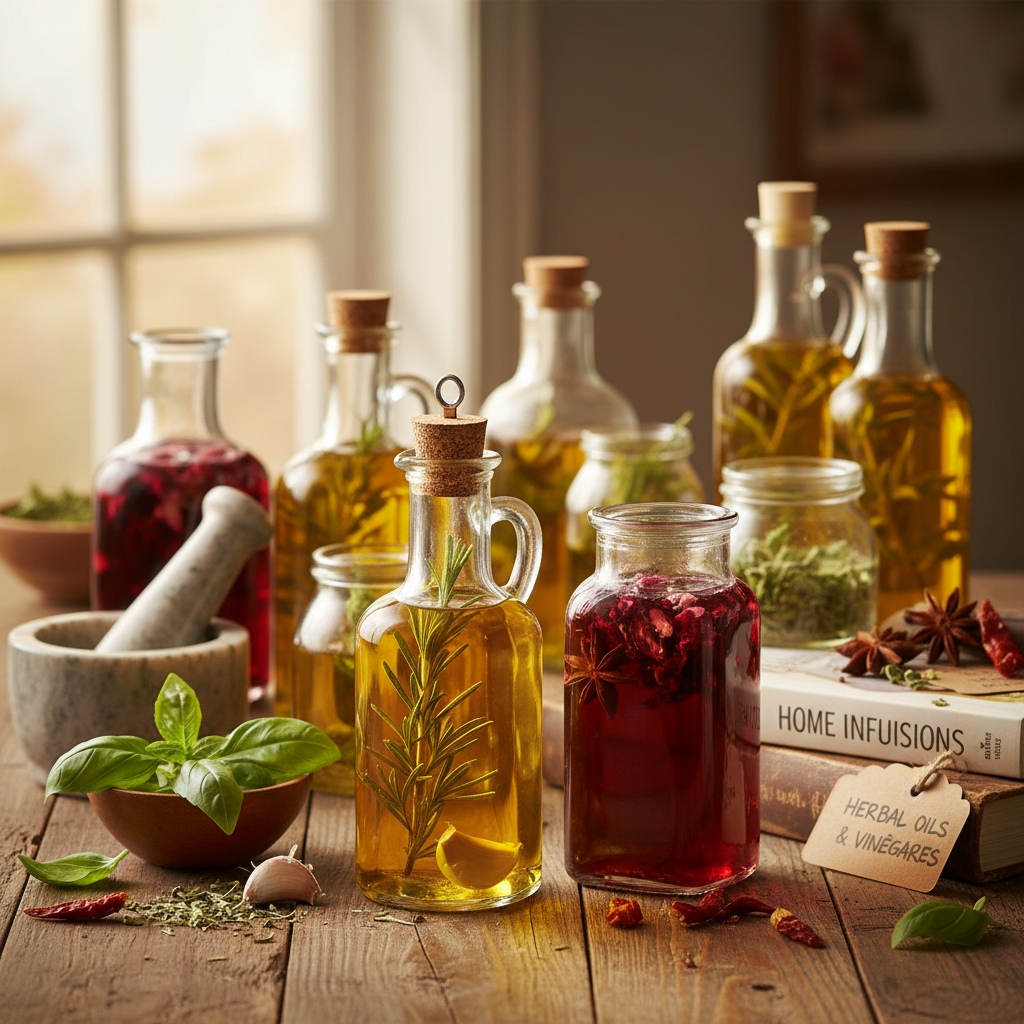
Building Flavor with Infusions: Crafting Herbal Oils and Vinegars at Home
Infusing oils and vinegars with herbs and spices is a remarkable technique that transforms everyday ingredients into gourmet additions. Not only does it elevate your culinary creations, but it also allows you to explore the rich aromas and flavors of the ingredients you cherish. Crafting your own herbal oils and vinegars at home might seem daunting at first, but with a few simple steps and fresh ingredients, you can bring a touch of creativity and sophistication to your kitchen. Plus, this technique is a fantastic way to preserve the bounty of herbs during their peak season.
From drizzling homemade herb-infused oils over salads to adding a splash of infused vinegar to brighten up a sauce, the possibilities are endless. Making your own infusions gives you full control over the flavor profiles, allowing you to experiment with different herbs and spices tailored to your personal taste. Remember, the quality of your base oils or vinegars will greatly influence the final product, so choose freshly pressed extra-virgin olive oil or high-quality balsamic vinegar to ensure a delightful infusion.
Throughout this post, we'll navigate the art and science of infusion to help you create stellar herbal oils and vinegars. We'll explore the best techniques, ingredient pairings, and tips for achieving consistent and robust flavors. Whether you’re a novice or an experienced cook seeking to broaden your repertoire, this guide is designed to inspire and empower you as you embark on your infusion journey.
Understanding the Basics of Infusion
Infusion is the process of extracting flavors from herbs, spices, or other ingredients by soaking them in a liquid, allowing the essential oils and flavors to blend with the base medium. This process requires patience and attention, but the reward is an enhanced flavor profile that can elevate any dish. Infusing oils and vinegars is not only an art but also a science, and understanding the components involved will help you create successful infusions at home.
Choosing Your Base
The foundation of any good infusion starts with selecting your base — be it oil or vinegar. For oils, you might consider extra-virgin olive oil, which has a fruity flavor that complements many herbs, or grapeseed oil, known for its neutral taste and high smoke point. Each type of oil will contribute its unique characteristics to the infusion.
For vinegars, popular choices include white wine vinegar, apple cider vinegar, and balsamic vinegar. Each variety has its distinct taste, which can enhance different flavors of herbs and spices. When choosing your base, consider the final use of the infused product. For example, if you're aiming for a dressing, a milder vinegar may be preferable, while a bolder flavored vinegar would heighten the intensity of a marinade.
Selecting Your Ingredients
When infusing, the choice of herbs, spices, and even fruits plays a crucial role in defining the flavor profile. Fresh herbs are typically recommended over dried, as they retain more oils and moisture. Some fantastic herbs for infusion include:
When it comes to spices and other flavor enhancers, consider ingredients like garlic, shallots, or even citrus peels for an added zing. Always use high-quality ingredients, as they will yield the best results.
The Infusion Process
Once you’ve selected your base and flavoring ingredients, it's time to infuse! Here’s an overview of the process you'll be following.
- Cold infusion: Let the mixture sit at room temperature in a dark place for 1-2 weeks. Shake it gently every few days to encourage the infusion.
- Hot infusion: Heat the oil gently (do not boil) and steep the herbs for about 30 minutes. Allow it to cool before straining.
“Infusing your own oils and vinegars not only broadens your culinary horizons but also allows you to create personalized flavors that spice up your favorite dishes.”
Crafting Flavorful Herbal Oils
Creating herbal oils at home is a delightful endeavor that not only enhances your cooking but also sparks joy in the kitchen. Here, we'll dive deep into various methods of infusion, explore the ratios for success, and highlight some exciting flavor combinations.
Cold Infusion Method
The cold infusion method is simple and requires minimal equipment. This technique captures the delicate flavors of the herbs without the risk of altering their properties through heat.
To create your own basil-infused oil:
Hot Infusion Method
The hot infusion method is ideal if you’re in a hurry or want a more immediate flavor. The heat extracts flavors more quickly than cold infusions and works beautifully with robust herbs and spices.
For a garlic-rosemary oil:
After infusing, allow it to cool, and strain before transferring to an airtight container.
Flavor Pairings and Combinations
The beauty of making infused oils lies in the art of pairing flavors. Here are a few combinations that work beautifully together:
Experiment with your preferences, and take notes on what combinations produce your favorite flavors, as this will help you refine your technique.
Discovering Infused Vinegars
Just as herbal oils heighten your dishes, herb-infused vinegars can add brightness and acidity to any meal. These tangy mixtures can be drizzled on salads, utilized in marinades, or brightened up sauces. The process of creating infused vinegars mirrors that of oils, but with slight nuances.
The Importance of Quality Ingredients
The quality of your vinegar significantly impacts the overall flavor of your infusion. Good-quality vinegars can be tart, sweet, or rich, and selecting one suited for your desired application is key:
Herbal Combinations
Once you’ve chosen your vinegar, consider the herbal combinations you’d like to create. Here are some popular options:
Infusion Process for Vinegars
Infusing vinegars is straightforward, with a few steps to follow:
With infused vinegars, you can create tangy flavor enhancers that elevate any dish.
“Infused vinegars are a kitchen miracle, providing powerful bursts of flavor without overwhelming the dish.”
Practical Uses of Infused Oils and Vinegars
Once your infused oils and vinegars are ready, the real fun begins. Here, we’ll discuss practical cooking applications, creative ideas, and how to incorporate these homemade treasures into your culinary repertoire.
Dressing and Marinades
One of the most common usages for your infused creations is as dressings or marinades. Homemade vinaigrettes are incredibly simple to make and far superior to store-bought options. Here’s a basic guide for crafting your own dressing:
A basic recipe for a vinaigrette using garlic-infused olive oil and herb-infused vinegar might look like this:
Whisk together in a bowl or shake in a jar until emulsified, and drizzle over fresh salads.
Cooking Techniques
Infused oils can also be used in other cooking techniques. Drizzle your herb-infused oil over roasted vegetables, use it for sautéing proteins, or as a replacement for plain oil in baked goods for an unexpected flavor burst.
For deeper flavor, consider finishing your plates with a drizzle of infused oil right before serving. This technique is common in fine dining, where the aroma enhances the eating experience.
Gifting Your Infusions
Homemade infused oils and vinegars make excellent gifts for food lovers. Present them in attractive glass bottles, complete with decorative labels, and include suggested uses. A little personal touch, such as a handwritten recipe card, adds an extra layer of charm that recipients will appreciate.
Storing and Preserving Your Infusions
To get the most out of your infused oils and vinegars, proper storage is crucial. Here are some tips to keep your infusions fresh and flavorful:
Shelf Life
Signs of Spoilage
Always be vigilant for signs of spoilage. Check for any off odors, significant changes in color, or visible mold. If there are any doubts about your infusion's safety, it’s best to err on the side of caution and discard it.
Bottling Tips
To extend the shelf life of your creations:
Creative Applications for Leftover Herbs
After you’ve created your infusions, you may find yourself with leftover herbs that aren’t used. Instead of tossing them, get creative and find ways to utilize every part of your ingredients.
Herb-Infused Salt
One fantastic idea is to make herb-infused salt. Combine table salt with finely chopped leftover herbs, and allow it to dry. This special seasoning can be used to finish dishes, adding a burst of flavor.
Herbal Ice Cubes
Another way to ensure you don’t waste leftover herbs is by making herbal ice cubes. Simply blend your leftover herbs with some water, pour them into ice cube trays, and freeze. These cubes can be added to soups, stews, or even cocktails for an extra flavor kick.
Pesto or Herb Compound Butter
Innovate with your leftover herbs by making a fresh pesto or an herb-infused compound butter. Both options offer versatile ways to use up those extra herbs and elevate your cooking staples.
Final Thoughts
Infusing oils and vinegars is a simple yet impactful technique to enhance your culinary repertoire. Whether you're drizzling homemade herb-infused oil over a fresh salad or adding a splash of tangy vinegar to brighten your favorite dish, your creations will undoubtedly impress.
Throughout this journey, you've learned how to choose the right bases, select fresh and vibrant ingredients, and master the infusion process through various methods. Remember that the power of custom infusions allows you to create flavors tailored to your preferences. Don't hesitate to experiment with different combinations, and most importantly, have fun!
As you develop your skills in infusion, you’ll discover a world of flavors that can transport your home cooking to extraordinary heights. Happy cooking!


Get the Next Recipe
Weekly recipes, techniques, and gear picks — straight to your inbox.
