Building Umami: The Fifth Taste That Transforms Dishes
Umami has often been described as the elusive fifth taste, and while many have experienced its profound impact on flavor, few truly understand its origins and the science behind it. This savory taste, which translates from Japanese to mean "pleasant savory taste," can elevate dishes from ordinary to extraordinary. In every corner of culinary culture, umami plays a crucial role in balancing flavors and enhancing the overall eating experience. For home cooks who are eager to deepen their understanding and application of this integral taste, exploring umami can be a game-changing journey.
Understanding umami starts with its fundamental components and the ingredients that contribute to it. From natural sources like tomatoes to fermented products like soy sauce, the elements that create umami are diverse. By incorporating these ingredients into your cooking, you can unlock depths of flavor that will leave a lasting impression on your guests. Whether you’re simmering a comforting stew or creating a sophisticated sauce, harnessing the power of umami allows you to craft meals that are not only satisfying but also astonishingly rich in flavor.
The journey to mastering umami is a blend of science and artistry. By learning about the amino acids and compounds that create this savory sensation, you can manipulate flavors to suit your culinary needs. With practice, patience, and some go-to ingredients, the complex layers of umami can transform even the simplest dish into a stellar creation. Prepare to dive into this fascinating world, where every ingredient and technique plays a crucial role in crafting unforgettable eating experiences.
What is Umami?
Umami may be regarded as a culinary secret that professional chefs have long known about, yet it still surprises many casual home cooks. As one of the five basic tastes — alongside sweet, sour, bitter, and salty — umami originates from the amino acid glutamate. This naturally occurring compound is inherent in many foods, and its ability to evoke a savory flavor is why it's considered essential for creating balanced dishes. In Asian cuisines, umami is crucial, especially where fish sauces, miso, and fermented ingredients abound.
While many foods can contain umami, it is vital to grasp that this taste is about more than just a single ingredient; it's about the combination of flavors that create a satisfying harmony. Foods like parmesan cheese, mushrooms, anchovies, soy sauce, and ripe tomatoes are all packed with umami-rich compounds. Many of these items contain other amino acids such as aspartate and inosinate, which also contribute to that deeply satisfying flavor. The beauty of umami lies in its ability to round out and enhance other flavors, making it a delightful ally in any chef's toolkit.
Understanding how to identify umami is crucial for any home cook. When tasting food, consider whether it has that savory quality that makes your mouth water and compels you to take another bite. Often, dishes rich in umami create a depth of flavor that lingers, creating a balance and satisfaction that makes you want to savor each bite more slowly. Learning to recognize this taste will help you build better dishes, whether you're frying a steak or preparing a veggie-enhanced broth.
The Science Behind Umami
The Role of Amino Acids
To appreciate umami fully, it's essential to delve into the science of amino acids. As building blocks of protein, amino acids are crucial in both the culinary arts and our biological systems. Glutamate, the primary amino acid responsible for umami, is prominent in many proteins, especially those that are aged or fermented. But glutamate is not acting alone; it works in concert with other amino acids like arginine and glycine to amplify that savory effect.
When cooking, heat releases and amplifies umami in foods, primarily in protein-rich items. For example, when roasting meat or caramelizing vegetables, the heat breaks down proteins and transforms them into more basic amino acids, contributing to the overall umami taste. It’s this transformation that makes properly cooked food so delicious compared to raw foods. For instance, roasting tomatoes brings out their natural sugars and the umami of glutamate, leading to a deeper, richer flavor profile.
As cooks, understanding how to use heat to unlock umami is vital. Cooking methods, such as slow cooking, roasting, or fermentation, should be considered when assigning flavors to your dishes. Experimenting with different temperatures and times will lead to new flavor discoveries that can elevate your culinary creations.
Dissecting Food Hierarchies: Natural vs. Processed Umami
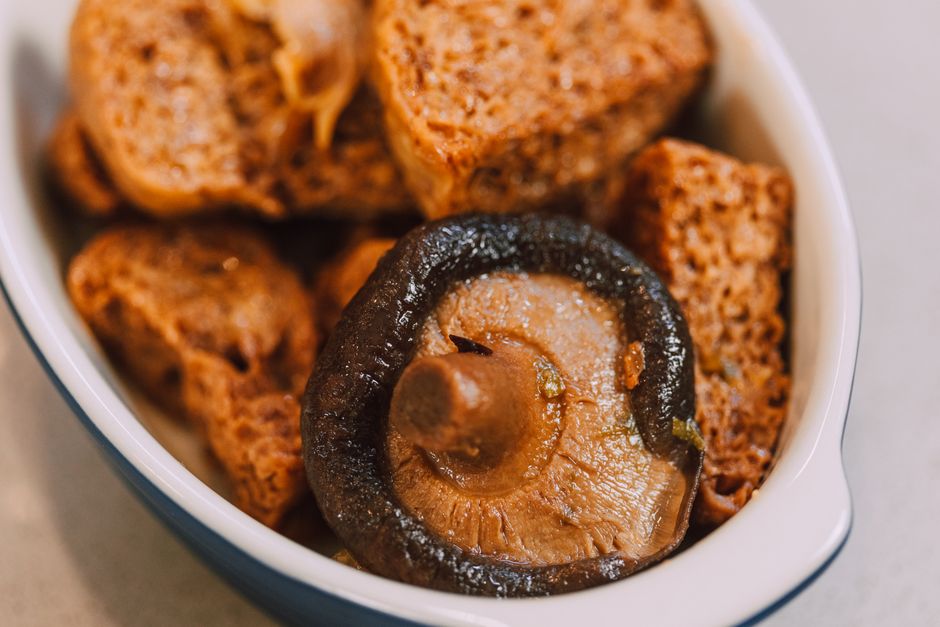
When looking to harness umami in your recipes, you can choose between natural sources of umami and processed options. Natural umami sources include fungi, ripe fruits, aged cheeses, and meats. Foods like shiitake mushrooms, sun-dried tomatoes, and Parmesan cheese exemplify natural umami brilliantly. On the other hand, processed sources may include items like certain sauces, broths, and flavor enhancers such as MSG (monosodium glutamate).
Natural umami sources typically offer complexity in flavor compared to synthetic variants. However, both have their place in the kitchen. Home cooks keen to elevate their dishes often find that incorporating both can amplify flavors tremendously. For instance, adding soy sauce to a mushroom risotto can enhance the dish depth while highlighting its inherent umami qualities.
When substituting or augmenting umami in your recipes, consider keeping a balance of both sources. A little tip for home cooks: when enhancing umami with processed products like soy sauce or miso, start subtly. Too much can dominate the dish's flavors, and the goal is to create balance rather than overwhelm.
Popular Umami-Loaded Ingredients
Fermented Wonders
Fermented foods are treasure troves of umami and flavor and can completely transform a dish. Examples like miso, kimchi, and soy sauce are staples in many cultures. Through fermentation, the natural sugars and proteins in these foods break down, releasing a plethora of flavor compounds that are remarkably vibrant.
Savory Meats and Seafood
Seafood and certain meats are excellent sources of umami due to their natural amino acids. Items like anchovies and bacon are notorious for their rich savory profile. Incorporating these ingredients in moderation can take a dish from bland to masterful.
Vegetables: Roots, Fungi, and the Radiance of Tomatoes
Don’t underestimate the umami power of vegetables. Some achieve a savory quality that rivals meats when prepared correctly. Fungi, in particular, often stand out among the vegetable crowd.
Techniques to Enhance Umami
Cooking Methods that Boost Umami
Once you’ve stocked up on umami-rich ingredients, the next step is to utilize effective cooking techniques to optimize their savory qualities. Here are a few methods you can employ to enhance umami in your home cooking:
“Cooking isn’t just about food; it’s an exploration of flavor. Elevating your dishes with umami can turn a meal into a memory.”
Combining Flavors for Maximum Impact
Creating umami magic isn’t just about individual ingredients—combining specific flavors can amplify that savory quality exponentially. Consider these pairings:
Try crafting a dish where you focus on pairing these umami-rich combinations. For instance, sauté a mix of mushrooms with garlic, then incorporate chopped tomatoes and fresh herbs, creating a sauce that can be paired with pasta or grains for a satisfying meal.
Umami Around the World: Culinary Traditions
Japanese Cuisine: A Deep Appreciation for Umami
Japanese cuisine is perhaps the most renowned for its thoughtful incorporation of umami, focusing heavily on fresh ingredients and Japanese flavors.
Mediterranean Flavors: An Umami Expedition
In Mediterranean cooking, the use of ingredients like olives, aged cheeses, and sun-dried tomatoes creates endless umami possibilities.
Latin American Influence: Embracing Umami Boldly
Latin American cuisines showcase umami through items rich in flavors, especially in dishes like mole, which is a complex sauce made with chili, spices, and often chocolate.
Utilizing Umami in Everyday Cooking
Building a Flavorful Pantry
To make regular use of umami, consider stocking a flavorful pantry filled with essential umami-rich items:
Everyday Umami Hacks
Integrating umami into your cooking can be as easy as a few smart hacks:
“The true magic of cooking lies in understanding how to combine flavors. Umami is the quiet partner in every delicious dish.”
Conclusion
Mastering the art of umami is not just about adding one ingredient but cultivating a deep understanding of flavor harmonies that can elevate your cooking to new heights. By recognizing umami’s role in the taste spectrum, branching into diverse ingredients, and honing techniques that enhance these savory notes, home cooks can create meals full of character and richness. Whether you’re learning to implement fermented ingredients, recognizing the significance of cooking methods, or simply experimenting with new flavor combinations, the possibilities are endless.
Cooking is an adventure, one where umami leads the way to new flavor horizons. As you explore this fifth taste, remember that experimentation is key. Allow your senses to guide you, and soon you’ll find that umami not only enhances your dishes but fosters a greater appreciation for the art of cooking itself. With every meal, may you build deeper connections to the ingredients you work with and the flavors they impart, transforming your culinary practices into joyful, umami-loaded expressions of taste.


Get the Next Recipe
Weekly recipes, techniques, and gear picks — straight to your inbox.