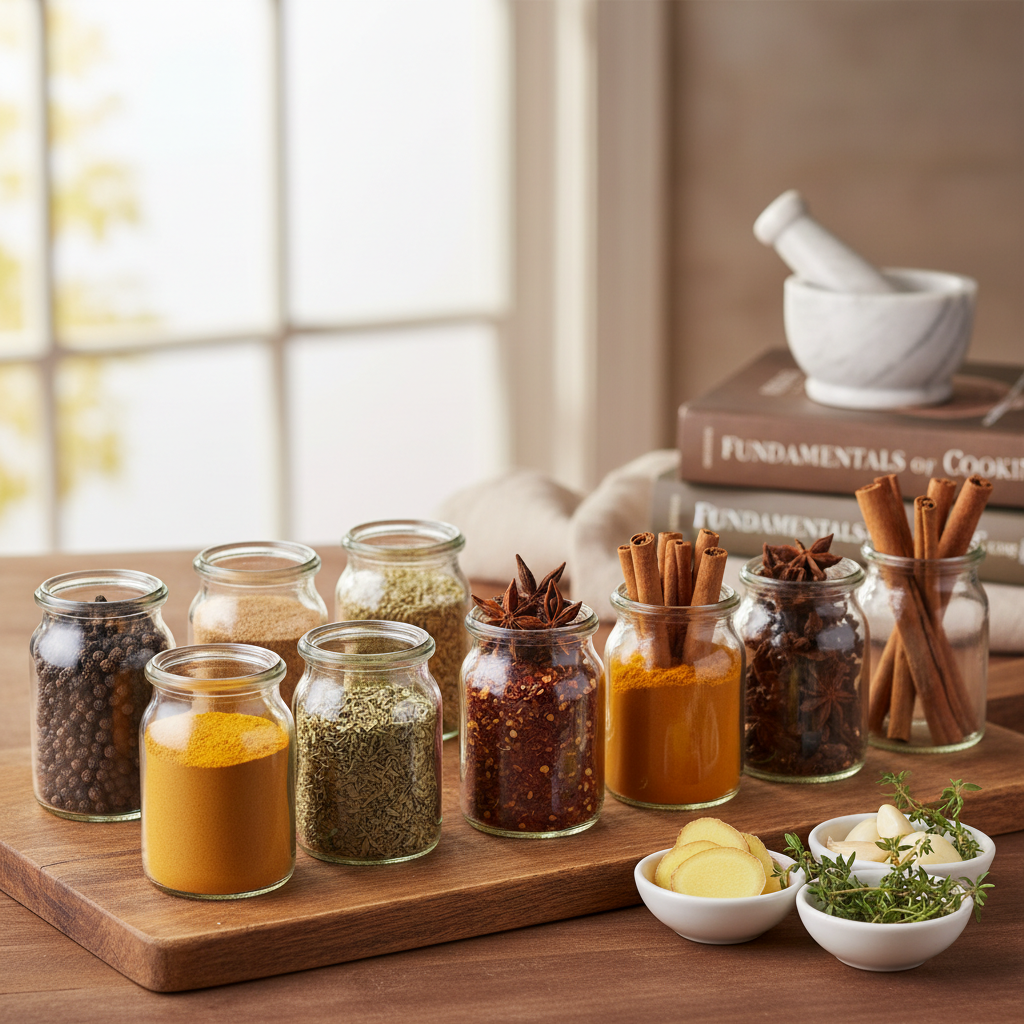
Building Your Spice Cabinet: Essential Flavors
Building a well-stocked spice cabinet is fundamental for any home cook looking to elevate their culinary creations. The spices you use can transform a simple dish into an extraordinary experience, enhancing flavors, aromas, and overall enjoyment. Whether you're a novice experimenting with new recipes or a seasoned chef refining your techniques, a thoughtfully curated spice collection is an invaluable tool in your kitchen arsenal. This post will guide you through the essential spices to consider, how to use them effectively, and what to watch for when incorporating them into your cooking.
As you begin building your spice cabinet, it's essential to understand not only the spices themselves but also their origins and culinary uses. Each spice carries its unique flavor profile and health benefits, and familiarizing yourself with these will greatly enhance your cooking. Furthermore, you’ll learn how to properly store your spices to preserve their potency and freshness, as well as tips on cooking with spices to create balanced flavors in your dishes.
Many home cooks overlook the importance of spices, often relying on pre-mixed seasonings or bottled sauces. However, taking the time to learn about each spice’s characteristics and the nuances of blending them allows you to cater the flavors to your personal preferences and the tastes of those you love to feed. This journey into the world of spices will not only refine your culinary skills but also inspire creativity in your home kitchen. Let’s dive deep into the essential components of a well-rounded spice cabinet!
Understanding Spices vs. Herbs
When discussing flavors in the kitchen, it's important to distinguish between spices and herbs. This differentiation often confuses many, yet understanding their unique qualities is crucial for effective cooking.
Spices Defined
Spices are typically derived from seeds, roots, bark, or fruit. They are often dried and ground to release their flavors, which tend to be stronger and more concentrated compared to herbs. Common examples of spices include:
Spices are generally used to add intense warmth and depth to dishes. They are usually added during different cooking stages depending on the type; for instance, some spices release their flavors better when sautéed in oil, while others may be more vibrant when added at the end of cooking.
Herbs Explained
Herbs, on the other hand, are leafy green plants or their parts that are usually used fresh or dried. They often have a more subtle flavor profile than spices and include examples like:
Fresh herbs are best added towards the end of cooking or as a garnish, while dried herbs can be added earlier in the cooking process to allow them to rehydrate and fully develop their flavors.
The Importance of Freshness
The impact of freshness cannot be overstated. Both spices and herbs lose potency over time, so it’s essential to consider their shelf life. Ground spices typically last about 2-3 years, but whole spices can maintain their flavors for up to 4-5 years. Herbs generally have a shorter shelf life, lasting about 1-3 years. Regularly check your spices and herbs for their aroma and flavor; if they smell dull or lack intensity, it's time to replace them.
“A well-stocked spice cabinet is the heart of a flavorful kitchen. Freshness and quality should never be compromised.”
Essential Spices for Your Spice Cabinet
Now that we understand the basic differences between spices and herbs, let's jump into some of the essential spices every home cook should have. Each of these spices serves a unique purpose and offers various flavors that can enhance a wide range of dishes.
1. Black Peppercorns
No spice collection is complete without black peppercorns. This ubiquitous spice comes from the dried fruit of the Piper nigrum plant and has been cherished since ancient times for its ability to enhance the flavor of any dish.
2. Paprika
Paprika adds a sweet, smoky flavor depending on the variety. This spice is made from ground capsicum peppers and can range from mild to hot.
3. Cumin
Recognized for its earthy flavor, cumin is a staple in cuisines worldwide, particularly in Indian and Mexican dishes.
4. Cinnamon
Widely known for its warm and sweet flavor, cinnamon comes from the bark of cinnamon trees. It's incredibly versatile and can be used in both sweet and savory dishes.
5. Turmeric
Famous for its vibrant yellow hue, turmeric is prized for its health benefits and its warm, slightly bitter flavor. It's a crucial ingredient in many curry powders.
6. Oregano
A must-have in Mediterranean cooking, oregano has a robust, pungent flavor that complements a variety of dishes.
Blending Your Spices: Crafting Spice Blends
Once you have your essential spices, the next step is learning how to combine them to create personalized spice blends. These blends can simplify your cooking process, allowing you to have ready-to-use flavors at your fingertips.
Popular Spice Blends
Here are some classic spice blends you can easily create at home:
- Ingredients: Cumin, coriander, turmeric, mustard seeds, black pepper, fennel, and chili powder.
- Use: Add to vegetable dishes or proteins for a rich Indian flavor.
- Ingredients: Paprika, cayenne pepper, cumin, garlic powder, and oregano.
- Use: Perfect for tacos and chili recipes.
- Ingredients: Oregano, basil, thyme, rosemary, and sage.
- Use: A versatile blend for pasta, marinades, and roasted vegetables.
Crafting Your Own Blends
To craft your blends, start by measuring equal parts of your desired spices. You can adjust the percentages depending on your flavor preferences, but a good starting point is:
“Creating personalized spice blends is an art that allows you to express your flavors. Don’t be afraid to experiment!”
Storage Solutions for Spice Blends
To maintain the integrity of your spice blends, consider these storage practices:
Storing Your Spices: Keep Them Fresh
Proper storage of spices is key to keeping them fresh and potent. Here are some best practices to prolong the life of your spices:
Ideal Conditions
Spices thrive in specific conditions to maintain their flavor and aroma:
Best Storage Practices
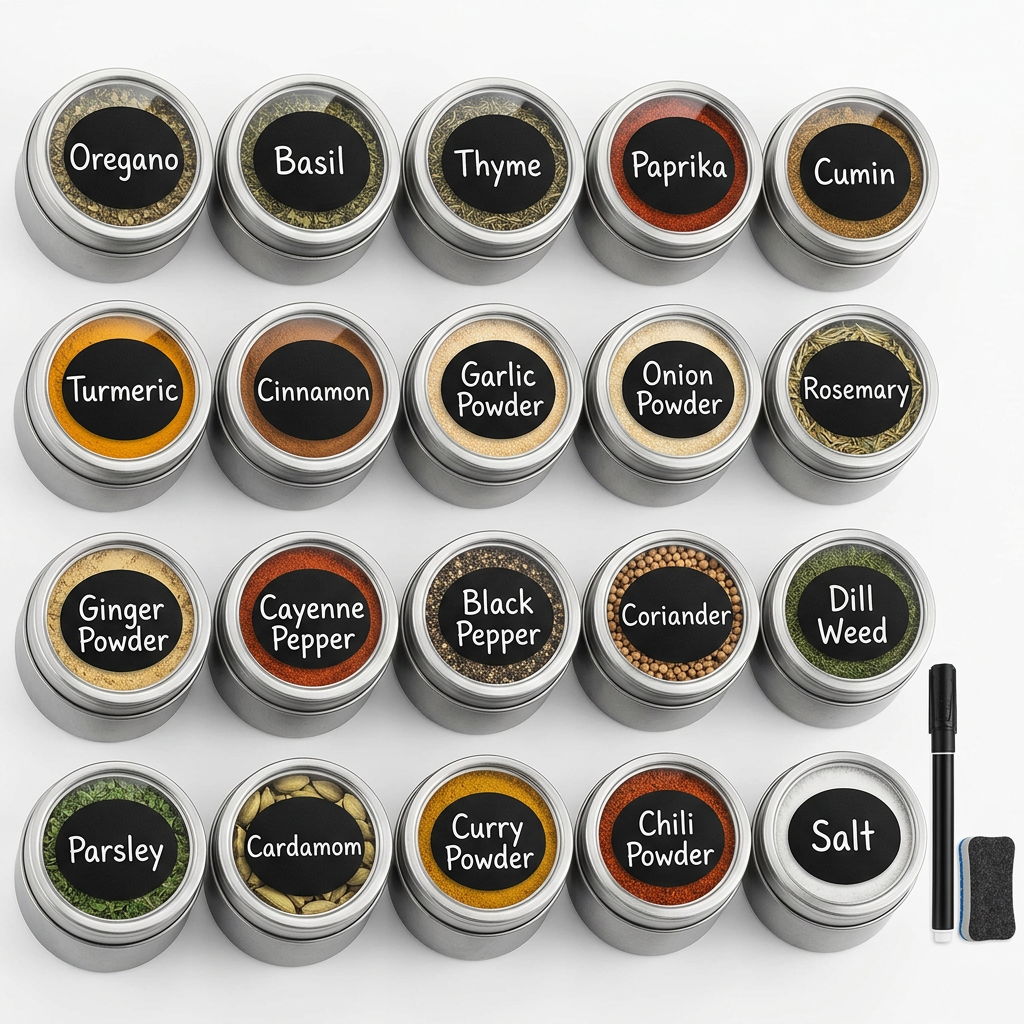
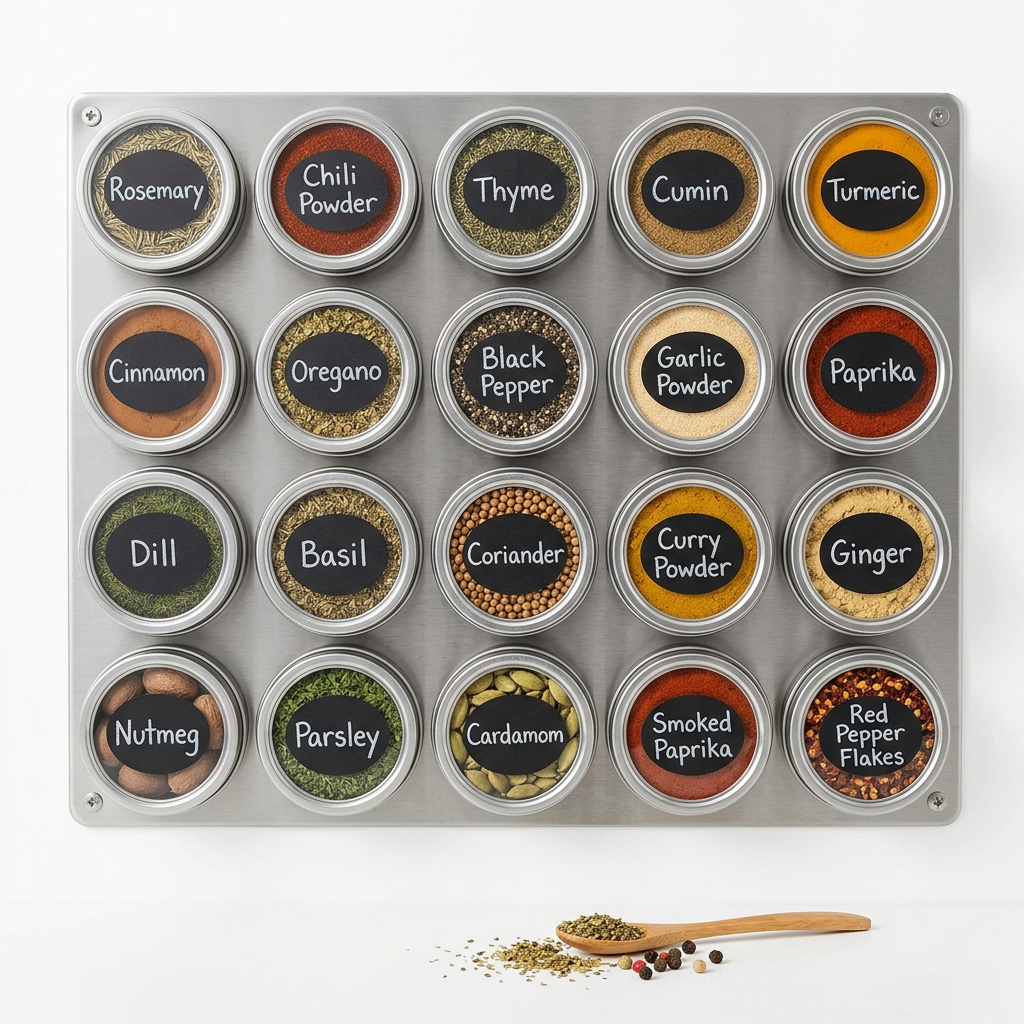
- Glass jars are ideal, providing an airtight seal and visibility.
- Use labels with names and purchase dates.
- Organize by usage frequency. Place the spices you use most often at the front.
- Alternatively, categorize by flavor profiles or cuisines for convenience.
- Smell the spice; it should have a robust aroma.
- Taste a small amount. If the flavor is dull, it’s time to replace it.
Cooking with Spices: Techniques and Timing
Incorporating spices into your cooking requires some knowledge of when to add them for maximum flavor. Generally, spices should be added at different stages of the cooking process depending on their type and infusion capabilities.
Toasting Spices
One effective technique to enhance the flavor of spices is toasting them. Dry toasting releases the essential oils, making the spice more aromatic and flavorful.
#### Steps for Toasting
“Toasting spices unlocks flavors that can elevate even the simplest dish to a culinary masterpiece.”
When to Add Spices
Understanding when to add different spices can create depth in your dishes. Here is a basic guideline:
The Cultural Significance of Spices
Spices are often more than just flavor enhancers; they carry a rich tapestry of cultural significance. They have played vital roles in trade, medicine, and culinary traditions across the globe.
Historical Context
Throughout history, spices have been sought after, leading to exploration and trade routes that shaped economies and cultures. The spice trade was one of the most lucrative commerce of ancient times, with spices like black pepper, cinnamon, and saffron fetching high prices.
Culinary Traditions
Spices are deeply embedded in cultural gastronomies:
Modern Influence
Today, the rise of fusion cuisine embraces the global influence of spices, encouraging home cooks to experiment with traditional flavor profiles. The ability to blend spices from various functions allows for innovative culinary creations that respect tradition while exploring new taste territories.
Conclusion
Building a robust spice cabinet is an invaluable investment for any passionate home cook. By understanding the essential spices and how to effectively use and store them, you empower yourself to enhance your culinary skills and express your creativity in the kitchen. This journey into spices not only enhances the flavors of your dishes but also connects you to a world rich with history and tradition.
As you experiment and create unique flavor profiles, remember that the art of cooking—like the blending of spices—is all about balance, exploration, and a dash of creativity. So, embrace your spice cabinet, routinely check in on your ingredients, and don't hesitate to try new blends and techniques as you continue to grow in your culinary adventures.
Get the Next Recipe
Weekly recipes, techniques, and gear picks — straight to your inbox.
