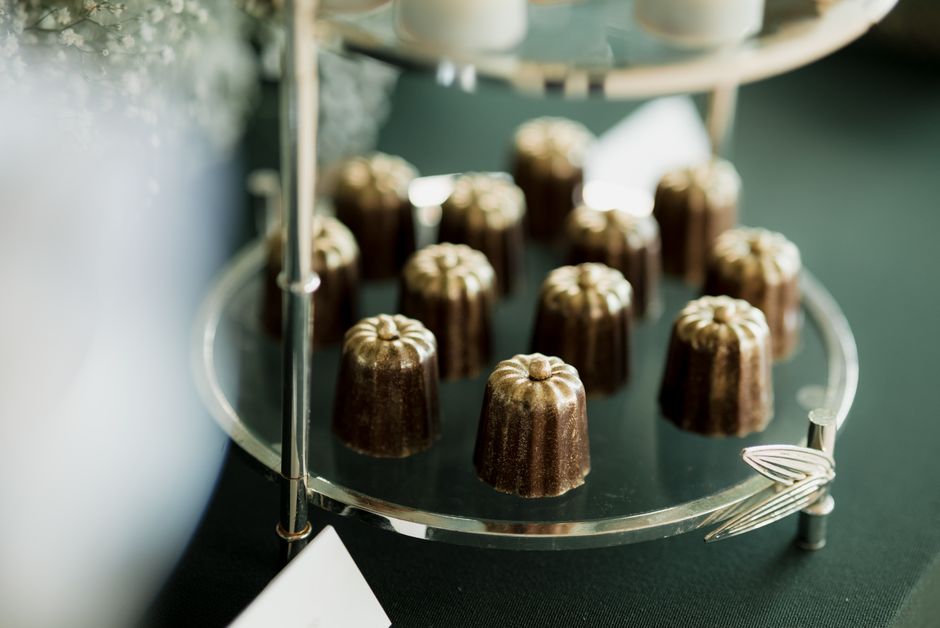
Canelé de Bordeaux: The Caramelized Pastry with a Custard Heart and a Cult Following
There are few pastries in the world that command the same level of obsessive devotion as the Canelé de Bordeaux. To the untrained eye, it might look like a simple, unassuming dark cylinder, perhaps even a bit burnt at a glance. However, those who have tasted a perfectly executed version understand that this humble appearance hides a complex, ethereal interior. It is a study in contrasts: a thick, glass-like shell of caramelized sugar that shatters upon contact, giving way to an interior that is as supple, damp, and custard-like as a high-end vanilla bean flan.
Mastering the canelé is often considered the "final boss" of French home baking. It is not necessarily difficult because the ingredient list is short or the method is overly complex; rather, it is a lesson in patience, temperature management, and the chemistry of the Maillard reaction. Every home baker who embarks on this journey will eventually find themselves staring into their oven, willing the batter to rise and the sugars to darken just right. It is a labor of love that demands respect for the craft, yet the reward—a warm, rum-scented bite of history—is unparalleled in the culinary world.
In this guide, we are going to peel back the curtain on why this pastry has developed a cult following across the globe. We will navigate the necessity of high-quality copper molds, the importance of a prolonged maturation period for the batter, and the specific thermal gymnastics required to achieve that elusive dark, crisp crust. Put on your apron, sharpen your senses, and prepare to elevate your baking repertoire to a professional level. Blame the chef if you become obsessed, but trust the process, and you will eventually produce the perfect canelé in your own home kitchen.
The History and Myth of the Canelé
The origins of the Canelé de Bordeaux are shrouded in a mix of historical fact and local legend. Some accounts trace the pastry back to the 18th century, suggesting it was created by nuns at the Couvent des Annonciades in Bordeaux. The nuns were said to collect spilled flour from the nearby port warehouses and combine it with egg yolks donated by local winemakers—who used large quantities of egg whites to clarify their barrels—to create a nutrient-dense pastry for the poor. While this romanticized tale highlights the resourcefulness of the era, the modern canelé is a highly refined descendant of those early, simpler versions.
The Role of Bordeaux Wine
The connection to the wine industry is not merely a fairy tale; it is baked into the very soul of the pastry. Because winemakers in the Bordeaux region relied heavily on egg whites for the process of "fining" their wines, they were left with a surplus of yolks. It was logical to utilize these yolks in a rich, custard-based pastry. Furthermore, the inclusion of dark rum and Madagascar vanilla reflects the historical trade routes that defined the prosperity of the Bordeaux port, bringing exotic ingredients from the Caribbean directly into the local pantry.
"A canelé is not merely a cake; it is a thermal paradox where the fire kisses the sugar until it turns to obsidian, while the center remains protected in a cool, creamy embrace."
From Obscurity to Cult Status
For many years, the canelé was a well-kept secret of the Aquitaine region. It wasn't until the 1980s, when a group of Bordeaux pastry chefs formed the Confrérie du Canelé to standardize the recipe and quality, that the pastry began to gain international acclaim. Today, you can find boutiques in Tokyo, New York, and Paris dedicated exclusively to this one item. The allure lies in its perfectionist nature; it is a pastry that cannot be mass-produced without losing its soul. The reliance on copper molds and precise baking times ensures that it remains a specialized craft.
The Chemistry of the Perfect Batter
If you try to bake a canelé the same day you mix the batter, you will almost certainly fail. The chemistry of the canelé relies heavily on the maturation process. During the 24 to 48 hours the batter spends in your refrigerator, the starches in the flour hydrate fully, and the proteins begin to relax. This prevents the pastry from rising too quickly and "exploding" out of the mold, ensuring that the final product retains its structural integrity and that signature, dense, honeycomb texture inside.
Essential Ingredients and Ratios
The ingredient list is deceivingly simple: whole milk, high-quality butter, granulated sugar, all-purpose flour, egg yolks, whole eggs, dark rum, and vanilla bean. The ratio of yolks to eggs is the most critical factor here. Yolks provide the emulsification and the rich, velvety mouthfeel, while the whole eggs provide just enough structure to keep the custard from turning into a puddle. Do not skimp on the rum or the vanilla; the rum acts as a preservative and aids in the browning process, while the vanilla is the primary flavor profile that balances the intense caramelization of the exterior.
The Importance of Emulsification
When mixing your batter, use an immersion blender or a whisk to incorporate the ingredients thoroughly, but be careful not to introduce too much air. Air bubbles in the batter can cause the canelé to rise unevenly and create large, undesirable holes in the final structure. The goal is a homogeneous, silky batter that pours like heavy cream. Once mixed, you must strain the batter through a fine-mesh sieve to ensure there are no lumps of flour or pieces of egg white, which would lead to an inconsistent crumb.
The Hardware: Why Copper Matters
If you are serious about mastering the canelé, you must address the issue of the copper mold. While silicone, aluminum, and non-stick alternatives exist, they simply cannot replicate the thermal conductivity of tin-lined copper. Copper heats up rapidly and evenly, which is essential for creating the immediate sear on the outer layer of the batter. This initial shock is what forms the glass-like crust. Without copper, you are essentially just baking a muffin in a shell, losing the very essence of the pastry.
Seasoning Your Molds
New copper molds require a process called seasoning. Before their first use, they must be cleaned, dried, and then treated with a thin, uniform coating of beeswax mixed with food-grade butter. This mixture serves two purposes: it prevents the pastry from sticking to the metal and contributes to the incredibly glossy, deep-brown finish of the exterior. Over time, your molds will develop a patina that makes the release process easier, but the initial treatment is a rite of passage for the serious home baker.
Maintenance and Care
Never wash your copper molds with harsh detergents or in the dishwasher. Copper is a reactive metal, and the tin lining is delicate. After each use, simply wipe the molds out with a soft cloth while they are still slightly warm to remove any remaining beeswax or residue. If they must be washed, use only hot water and a gentle brush. Proper storage is also key; keep them in a dry place to prevent the copper from oxidizing, which can affect the heat distribution in future batches.
"True perfection in baking is found in the struggle against the variables of your oven; the canelé is the ultimate teacher of patience and precision."
Mastering the Bake: Thermal Management
The baking process for a canelé is a two-stage event. You start with a high temperature—usually around 450°F to 475°F—to trigger the rapid caramelization of the sugar on the surface. This is the stage where the exterior becomes the dark, brittle "cortex." After 10 to 15 minutes, you must drop the oven temperature to 375°F for the remainder of the time. This lower temperature allows the interior custard to cook through gently without the outer crust becoming bitter or burnt.
The "Rising" Phenomenon
During the first stage of baking, you might see your canelés rise significantly in their molds, almost as if they are about to overflow. Do not panic! This is a natural reaction to the heat, and in a well-chilled, properly rested batter, they will settle back down as the temperature is lowered. If they remain risen and start to flow over the edges, it is usually a sign that your oven temperature was not high enough at the start to seal the exterior, or your batter was not chilled long enough.
Determining Doneness
How do you know when they are finished? The answer lies in the color and the resistance. You are looking for a deep, dark mahogany—almost black—color. If the canelé is golden brown, it is not a canelé; it is a muffin. When you pull them from the oven, they should feel firm to the touch, and when you tip them out of the mold, they should slide out with ease, revealing a shiny, perfectly browned exterior. If they stick, your oven wasn't hot enough or your bees-waxing technique needs adjustment.
Troubleshooting the Common Pitfalls
Even professional chefs struggle with canelés from time to time. The most common issue is the "white top" or the "soggy bottom." A white top usually indicates that the mold was not properly filled or that the heat is not circulating evenly in your oven. A convection oven is highly recommended for canelés because it ensures that the airflow hits every side of the mold, creating a uniform, caramelized finish across the entire cylinder.
Managing the Rum Ratio
Another frequent point of contention is the rum. Some recipes call for a significant amount, while others call for only a teaspoon. I recommend using a high-quality dark rum. The alcohol burns off during the long bake, but the complex, molasses-heavy notes remain, providing the necessary depth to counter the sweetness of the sugar. If you are baking for children, you can substitute with a high-quality vanilla extract or even a bit of dark tea, but be aware that the flavor profile will shift significantly.
The Cooling Rack Strategy
Once they are out of the oven, do not be tempted to let them sit in the molds. The steam trapped inside the mold will cause the crust to soften instantly. You must unmold them immediately and place them on a wire cooling rack to allow air to circulate around all surfaces. The crackle you hear as they hit the rack is the sound of success. If they aren't crunchy within 30 minutes of cooling, you have failed the Maillard process, but don't be discouraged—every batch provides more data for the next attempt.
The Art of Serving and Consumption
The canelé is best consumed within a very specific window of time. In France, they say a canelé is at its peak between two and four hours after leaving the oven. This is when the internal temperature has dropped to a level where the custard is perfectly set but still warm, and the outer shell is at its absolute maximum crunch. If you store them in an airtight container, the moisture from the inside will migrate to the shell, causing it to lose that signature snap.
Pairing Suggestions
Because the canelé is quite rich and carries deep notes of caramel, vanilla, and rum, it pairs beautifully with beverages that provide a bit of bitterness or acidity to cleanse the palate. A strong, dark roast coffee is a classic pairing, as is a glass of Sauternes, the sweet dessert wine from the same region as the pastry. The acidity in the wine cuts through the richness of the egg yolk and butter, while the honeyed notes complement the rum and vanilla.
Elevating the Presentation
If you are serving these at a dinner party, skip the elaborate garnishes. The beauty of the canelé is in its minimalism. A simple dusting of powdered sugar is unnecessary, as it masks the beautiful, dark glaze of the exterior. Instead, serve them on a dark slate board or a simple white plate to let the rich, mahogany color take center stage. If you must add something, a dollop of unsweetened whipped cream or a fresh raspberry on the side is enough to elevate the plate without detracting from the star of the show.
Final Thoughts: The Cult of the Canelé
Ultimately, the journey to the perfect canelé is a testament to the idea that the simplest ingredients, when treated with enough technical precision, can become a masterpiece. There is a profound sense of satisfaction that comes from mastering a pastry that so many find intimidating. Every time you unmold a cylinder of perfectly caramelized sugar and reveal a honeycomb heart, you are participating in a tradition that spans centuries, connecting the humble kitchens of Bordeaux to your own.
Do not be discouraged by your first, second, or even third attempt. Baking is a science, but it is also an art that relies on the intuition of the baker. Observe your oven, smell the transformation of the sugar as it darkens, and learn the rhythm of your own equipment. When you finally bite into a canelé that shatters with a crisp crack and dissolves into a warm, creamy custard, you will understand exactly why this pastry has earned its cult following. It is not just a cake; it is a reward for the patient, the diligent, and the obsessed.
Thank you for joining me in this deep dive into the world of French pastry. Remember, if it doesn't turn out perfect on the first try, just blame the chef—or better yet, keep practicing until the chef is you. There is no greater joy in the kitchen than the moment you move from follower to creator. Continue to explore, continue to experiment, and most importantly, keep your copper molds polished and your oven preheated. Happy baking!
Get the Next Recipe
Weekly recipes, techniques, and gear picks — straight to your inbox.
