Carbon Steel vs Cast Iron for Steak: Which Wins?
Every home cook eventually hits a wall in their culinary journey where the equipment they own no longer seems to match the ambition of the food they want to produce. You start with non-stick pans because they are forgiving, but soon you find that they lack the thermal integrity required to achieve that elusive, mahogany-colored crust on a high-quality ribeye. You look toward the pro kitchens, seeing seasoned, blackened pans that seem to hold the secret to perfection, and your eyes inevitably land on the two heavyweights: carbon steel and cast iron. Both are prized for their durability, their ability to take high heat, and their knack for developing a non-stick patina, yet they behave like entirely different creatures under fire. Understanding the nuances of these materials is the difference between a grey, steamed piece of meat and a restaurant-quality steak that commands respect.
The debate between these two materials is almost religious in the culinary world, often colored by sentimentality and ingrained habits. Some swear by the sheer, unyielding mass of cast iron, arguing that it is the only way to maintain heat consistency when a cold slab of protein hits the surface. Others favor the agility and lightning-fast response of carbon steel, which offers a sleeker interface with your stove’s burner. Because I spend my days in a professional kitchen, I have seen both pans put through the wringer, and I can tell you that neither is objectively better in every situation; they are simply tools with unique personalities. If you want to elevate your home cooking, you need to stop asking which pan is "better" and start asking which pan is the right match for your specific cooking style, your patience level, and the type of steak you happen to be preparing.
In this deep dive, we are going to strip away the myths and look at the physics and chemistry behind searing a steak. We will examine how thermal mass affects your crust, why the geometry of the pan dictates how your butter and aromatics behave, and how to maintain these pans so they last for generations. Whether you are a beginner looking to buy your first piece of "buy-it-for-life" equipment or a seasoned enthusiast looking to refine your searing technique, this guide will provide the clarity you need. We are going to explore the maintenance, the performance, and the psychological satisfaction of working with carbon steel and cast iron, helping you choose the perfect partner for your next Saturday night dinner. Let’s get into the heat of the matter and discover why these pans remain the undisputed champions of the steakhouse.
The Physics of Searing: Thermal Mass and Heat Retention
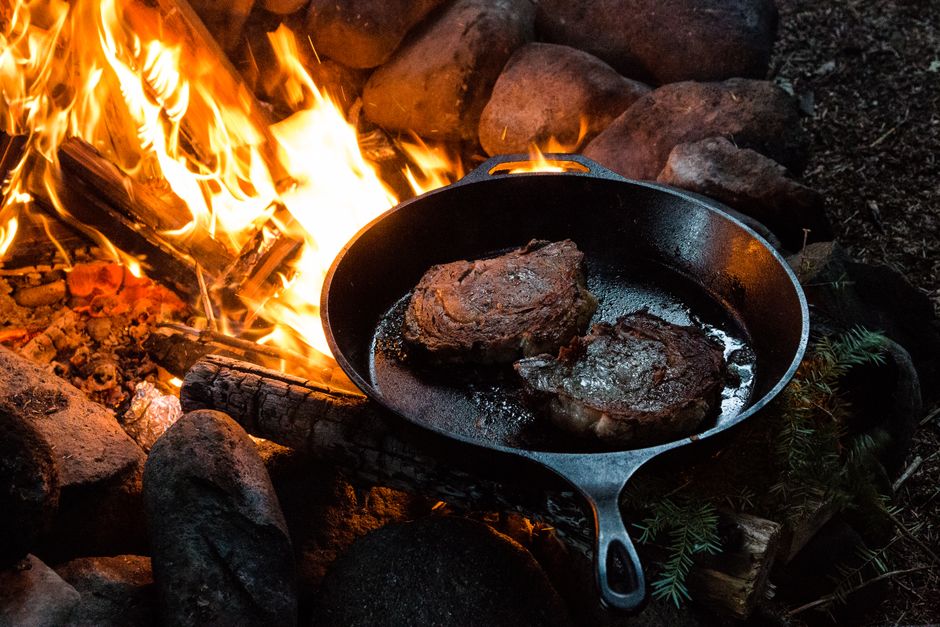
The primary goal when searing a steak is the Maillard reaction, that complex chemical dance between amino acids and reducing sugars that creates the deep, savory flavors we crave. To achieve this, you need a pan that can provide intense, localized heat the moment the meat touches the surface. This is where thermal mass becomes the defining factor. Cast iron, due to its sheer thickness and density, acts like a heat battery. Once it is fully preheated—which can take up to ten minutes—it holds onto that energy with a tenacity that makes it nearly impossible to shock, even when you drop a cold, thick-cut ribeye or porterhouse onto it.
Carbon steel, conversely, is significantly thinner and lighter. It responds to changes in the burner setting almost instantly. If you find your pan is getting too hot and you risk burning your garlic or herbs, a carbon steel pan allows you to modulate the temperature with far more precision. However, this lack of mass means it can lose heat faster if you crowd the pan. For the home cook, this means that while cast iron is more forgiving if your technique is slightly off, carbon steel requires a bit more vigilance to ensure your searing surface stays in the "sweet spot" of 450 to 500 degrees Fahrenheit.
Why Surface Temperature Matters
When you place a steak in a pan, you are effectively creating an insulating layer of moisture that must be evaporated before the crust can form. If your pan lacks sufficient thermal mass or heat retention, the temperature of the surface will drop significantly upon contact. This leads to the steak steaming in its own juices rather than browning. A well-seasoned cast iron skillet is the gold standard for maintaining that temperature, but if you have a carbon steel pan with a heavy gauge, you can achieve nearly identical results. The key is preheating discipline and ensuring you have enough oil—a high-smoke-point fat like grapeseed oil or avocado oil—to create a thermal bridge between the metal and the meat.
"A steak is only as good as the crust you give it, and the crust is only as good as the pan you choose. Treat your pan as an extension of your own hand—know its temper, its heat capacity, and its limits."
Cast Iron: The Heavyweight Champion of Consistency
For most home cooks, the cast iron skillet is their first foray into high-performance cookware. Its legendary status is well-earned. Because it is cast from molten iron, it possesses a crystalline structure that retains heat better than almost any other common kitchen material. This makes it ideal for the reverse-sear method, where you bring your steak up to temperature in the oven before finishing it in a screaming hot pan. A cast iron skillet placed in that same oven ensures the entire vessel is ready to sear the second the meat comes out, providing an unparalleled edge-to-edge crust.
The surface of cast iron is naturally textured, which is actually a benefit for seasoning. Over time, layers of polymerized oil—the patina—fill in those microscopic pores, creating a surface that is naturally non-stick and highly resilient. If you treat it right, a piece of cast iron can last for a century. In fact, many chefs argue that a vintage skillet, handed down through generations, has a superior surface simply because it has been seasoned for decades. It is a slow-burn relationship, but one that pays massive dividends in the quality of your seared proteins.
Maintaining Your Cast Iron
Carbon Steel: The Agile Professional's Choice
Carbon steel is often described as the middle ground between stainless steel and cast iron, but that undersells its utility. It is composed of roughly 99% iron and 1% carbon, making it lighter and smoother than cast iron. Because it is rolled rather than cast, it has a flat, uniform surface that feels much more refined. Professional chefs often prefer carbon steel because of its ergonomic handle and its ability to jump from high-heat searing to delicate pan-sauce preparation in seconds. If you are the type of cook who likes to move the pan, toss your butter-basted steak, and manipulate the heat constantly, carbon steel is your best friend.
One of the most fascinating aspects of carbon steel is how it changes over time. When you first buy it, it is usually a dull, grey color. As you season it—often by heating it with oil until it browns or turns blue-black—it develops a dark, sleek patina that rivals the best non-stick surfaces. While it is not as heavy as cast iron, it is incredibly durable and essentially indestructible in a home kitchen. You could drop a carbon steel pan on a concrete floor and it would be perfectly fine, whereas a cast iron skillet might actually crack due to the brittleness of the metal.
Performance Under Pressure
Because carbon steel is thinner, it reacts to your stovetop’s output like a precision instrument. If you are using a professional-grade gas range, you will find that carbon steel can reach searing temperatures in a fraction of the time it takes for cast iron. This makes it excellent for quick, weeknight dinners where you want a high-quality steak but do not have thirty minutes to preheat a heavy skillet. It also excels when making pan sauces after the steak is done; the reaction time allows you to deglaze and emulsify butter without the pan holding so much residual heat that you risk burning your delicate aromatics like shallots or fresh thyme.
"The beauty of carbon steel lies in its responsiveness. It is a pan that listens to you. When you turn the flame down, it reacts immediately, sparing your garlic and herbs from the bitterness of a scorching pan."
The Art of the Sear: Techniques for Both Pans
Regardless of which pan you choose, the technique for a perfect steak remains consistent. The Dry Brining technique is perhaps the most underrated step in the entire process. By salting your steak at least one hour before cooking—or ideally leaving it uncovered in the fridge overnight—you draw out moisture, allow the salt to penetrate the muscle fibers, and dry out the surface of the meat. A dry surface is the prerequisite for a great crust. If the steak is wet, the energy of the pan is wasted on evaporating water instead of browning proteins.
Once the steak is dry, get your pan hot. I recommend using an infrared thermometer to ensure your pan surface is sitting at roughly 450 degrees Fahrenheit. Add a tablespoon of high-smoke-point oil, swirl it to coat, and lay the steak into the pan away from you to avoid splashing. Don't touch it. Let the steak develop that deep, mahogany sear for two to three minutes before flipping. This is where the pan's thermal integrity is tested. If you have done your prep correctly, the steak should release naturally from the surface.
Essential Steps for the Perfect Finish
The Flip:* Aim for consistent color. If one side is dark and the other is light, you didn't have enough surface contact.
The Butter Baste (Arroser):* When the steak is nearly at your target internal temperature (around 120-125°F for medium-rare), turn the heat down slightly and add three tablespoons of unsalted butter, two cloves of crushed garlic, and several sprigs of fresh rosemary or thyme.
The Spooning:* Tilt the pan slightly so the butter pools at the bottom. Using a large spoon, repeatedly pour the foaming, nut-brown butter over the steak for the final sixty seconds. This infuses the crust with flavor and carries heat to the center.
The Rest:* Remove the steak to a wire rack. Let it rest for at least ten minutes. This allows the internal juices to redistribute, ensuring that the first bite is just as succulent as the last.
Seasoning: The Chemistry of Non-Stick Performance
Whether you choose carbon steel or cast iron, the concept of seasoning is identical. You are essentially baking a thin layer of oil onto the metal, which then polymerizes into a durable, plastic-like coating. This coating does two things: it protects the metal from rust and creates a slick barrier that prevents proteins from bonding to the iron. When you heat oil past its smoke point, it breaks down and forms long-chain polymers that bond to the metal surface. This process isn't a one-time event; it is a cumulative practice that evolves with every meal you cook.
For a new pan, you want to build up a base layer of seasoning. Many enthusiasts like to do this in the oven: rub a tiny amount of flaxseed oil or grapeseed oil over the entire pan, wipe it clean until it looks dry, and bake it at 450 degrees for an hour. Repeat this three or four times. However, the best seasoning is the kind that comes from daily use. Cooking bacon, frying eggs, and yes, searing fatty ribeyes, will add microscopic layers to your pan that no laboratory experiment could ever replicate.
Common Seasoning Mistakes to Avoid
Ergonomics and Handling: The Chef’s Perspective
In a professional kitchen, ergonomics matter. A heavy, twelve-inch cast iron skillet is a beast. If you are doing a dinner service and searing forty steaks, a cast iron pan will wreck your wrists by the end of the shift. This is where the Carbon Steel pan shines. It is balanced, lighter, and often features a longer, more ergonomic handle that stays cooler for longer. If you enjoy tossing your food or using high-speed techniques, the weight of cast iron becomes a significant physical obstacle.
Cast iron typically requires two hands or a very strong grip to maneuver. If you have any issues with wrist or forearm fatigue, you should factor this into your decision. A carbon steel pan is often a joy to handle; it feels like a precision tool, whereas the cast iron skillet feels like a piece of infrastructure. However, for the home cook who isn't searing dozens of steaks a night, the weight of cast iron can actually be a sign of quality. It reminds you that you are working with something substantial and serious.
Choosing Your Pan Size
10-inch pans:* Perfect for single steaks or cooking for one to two people. Easy to maneuver on small burners.
12-inch pans:* The workhorse. This size allows you to cook two steaks comfortably without crowding, which is essential for maintaining heat.
14-inch pans:* Only recommended if you have a wide-range burner. On a standard home stove, a pan this large will often have cold spots on the edges because the heat doesn't distribute far enough.
The Verdict: Which One Should You Buy?
At the end of the day, both carbon steel and cast iron are phenomenal investments. If I had to choose only one for a home kitchen, the answer would depend on your cooking habits. If you love the idea of building a legacy piece of equipment that feels indestructible and you enjoy the slow, methodical process of cooking, choose cast iron. It is the king of thermal retention and the best tool for those who want that "steakhouse crust" with minimal effort. It is robust, affordable, and practically immortal.
If you are a cook who values speed, agility, and precision—or if you find heavy cast iron too cumbersome to handle—choose carbon steel. It offers a professional feel that allows for more dynamic cooking. It handles everything from delicate fish to high-heat steaks with ease, and it rewards the proactive cook who understands how to manage heat intensity. Many professional chefs actually end up with both: a large carbon steel pan for quick searing and a smaller cast iron skillet for secondary tasks.
The Final Comparison Table
| Feature | Cast Iron | Carbon Steel |
| :--- | :--- | :--- |
| Weight | Very Heavy | Moderate |
| Heat Up Time | Slow | Fast |
| Heat Retention | Excellent | Good |
| Durability | High (but can crack) | High (dents only) |
| Response Time | Slow | Instant |
| Maintenance | Moderate | Moderate |
Conclusion
Choosing between carbon steel and cast iron is not about finding the "best" pan, but about finding the best tool for the way you interact with your kitchen. Both materials are capable of delivering a world-class steakhouse experience in your own home, provided you respect the fundamentals of high-heat cooking. The Maillard reaction is waiting for you, regardless of the metal you choose. Whether you opt for the heavy, heat-retaining embrace of cast iron or the nimble, responsive performance of carbon steel, you are taking a massive step toward culinary mastery.
Remember that these pans are not just kitchen equipment; they are living surfaces that improve with every single use. The patina you build today is the foundation for the perfect sear you will achieve next year. Don't be intimidated by the maintenance or the learning curve. Treat your pan well, feed it high-quality fats, and it will return the favor by producing the most flavorful, perfectly crusted steaks you have ever tasted. The kitchen is your laboratory, and these pans are your most reliable collaborators. Now, go out there, get that pan smoking hot, and get to work on that perfect sear. The quality of your dinner is entirely in your hands, and with the right tool, it is well within your grasp. Happy cooking, and remember: if the steak isn't perfect, just blame the chef—or in this case, make sure the chef knows exactly how to handle the heat.

Get the Next Recipe
Weekly recipes, techniques, and gear picks — straight to your inbox.
