
Carbonara Perfection: Why Italian Grandmothers Guard This Recipe
Carbonara, a dish that hails from the heart of Italy, is an exquisite amalgamation of simple ingredients: pasta, cheese, egg, guanciale, and black pepper. However, while the ingredient list may seem straightforward, creating the perfect carbonara requires a mastery of technique and a deep understanding of each component's role in the dish. This is why many Italian grandmothers go to great lengths to guard their family recipes—the nuances passed down through generations are what elevate a bowl of carbonara from mere sustenance to an experience that speaks of tradition, love, and culinary skill. The subtle dance between the silky sauce and the al dente pasta, enhanced by the rich saltiness of the guanciale, creates a harmony that is truly divine.
In a world that often features quicker, shortcut recipes, it is essential to honor the time-tested methods that have made traditional Italian carbonara a staple in homes and restaurants alike. To create an authentic carbonara, one must embrace not just the ingredients but also the process—the careful emulsification of egg and cheese, the precise cooking of the guanciale, and the timing of when to combine the components. These steps will ignite the flavors and transform your beloved pasta dish into a comforting bowl of perfection that would make any Italian grandmother proud.
Yet, carbonara is much more than a pasta dish; it's a cultural phenomenon steeped in history. Each bite carries the weight of Italian heritage and the philosophy of “less is more.” With its origins in Rome, various tales have emerged about how this dish came to be, weaving its way through time and romanticized folklore. While recipes differ from household to household, the essence of carbonara remains unchanged—a reverence for quality ingredients and the technique behind their union.
The Origins of Carbonara: A Culinary Legacy
Understanding the roots of carbonara enhances the appreciation for this beloved dish. The origins of carbonara are steeped in mystery, with several theories competing for attention. Italian lore suggests that carbonara was a creation of the Italian charcoal workers (carbonari) in the Apennine mountains, who would prepare meals with simple and easily transportable ingredients, ideally suited for their rustic lifestyle. This theory resonates with the use of guanciale, which was preserved meat, that offered sustenance and flavor, echoing the resourceful nature of the people.
Another prevalent narrative suggests that carbonara made its debut during World War II. American soldiers stationed in Rome enjoyed a versions of pasta with eggs, cheese, and bacon. The iconic dish evolved when they combined their military rations of bacon with local ingredients—spaghetti, eggs, and Pecorino Romano cheese. This blend of cultures resulted in a dish that is both authentically Italian yet touched by American influences, showcasing the adaptability of carbonara.
Regardless of its true beginnings, one thing is certain: *carbonara, in its purest form, reflects the Italian culinary philosophy of simplicity. It is a dish that showcases how the quality of ingredients can shine through when prepared with care and respect. Italian grandmothers, in particular, have a reverence for their family recipes—often treating the method and ingredients as sacred. Their nuances, such as the right cheese or the precise timing of adding the eggs, make all the difference between a good carbonara and an extraordinary one.
The Essential Ingredients of Carbonara
A hallmark of authentic Italian cooking lies in the quality of ingredients used. While the recipe is straightforward, each element plays a pivotal role in achieving that creamy, unctuous texture and well-balanced flavor profile. Here’s what you need to know about the essential components of carbonara:
Pasta: The Foundation of the Dish
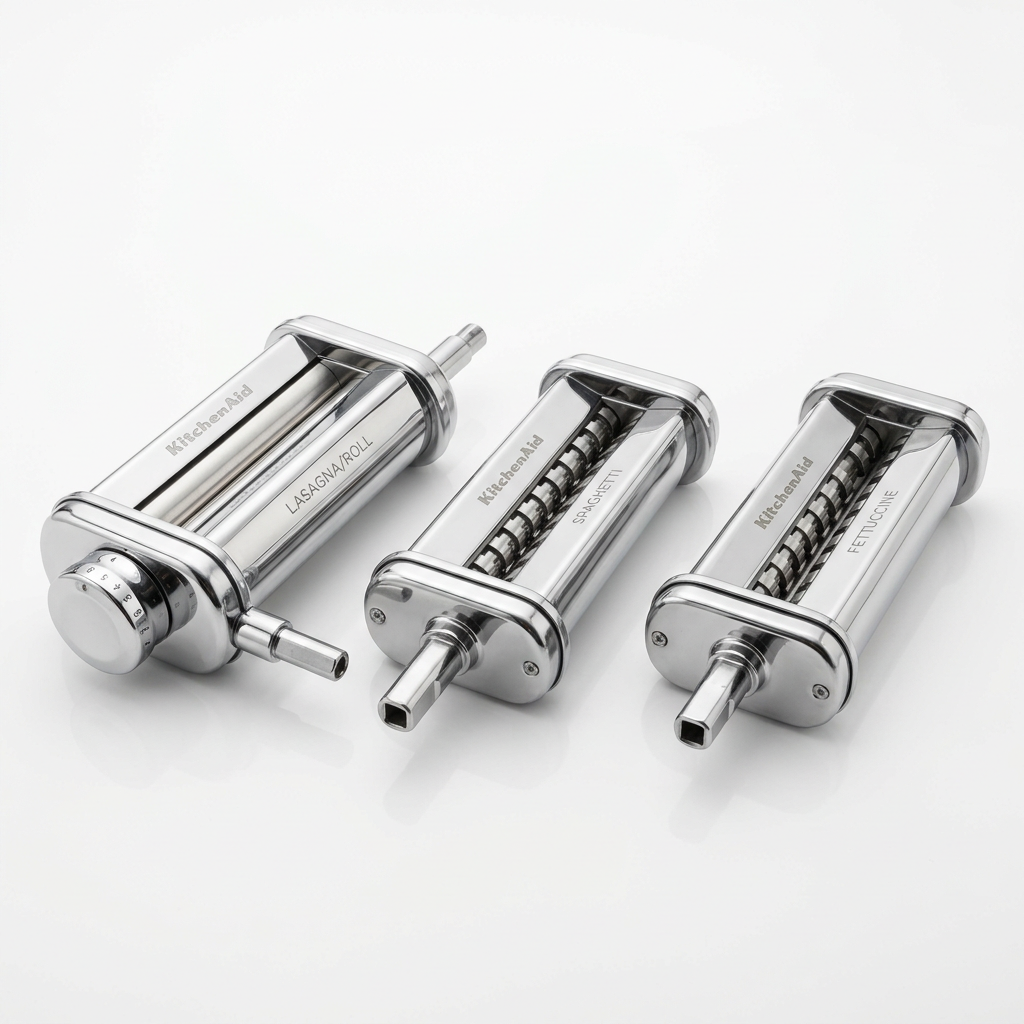
The type of pasta is crucial in carbonara preparation. Traditional pasta choices include spaghetti, bucatini, or fettuccine. While there is a range of noodle shapes, spaghetti remains the most classic choice due to its ability to hold the sauce effectively. Choosing high-quality pasta is imperative; the best options will be made from 100% durum wheat semolina, which ensures a firm bite when cooked.
- Spaghetti
- Bucatini
- Fettuccine
Cooking Tip: Always salt your boiling water generously; it should taste like the sea. The pasta will absorb some of this salt, enhancing the overall flavor of your dish.
Guanciale: The Flavor Bomb
Next is guanciale, which is an Italian cured meat made from pork cheek or jowl. Unlike its more familiar relatives, pancetta and bacon, guanciale has a unique flavor profile that is richer, more complex, and less smoky. Using authentic guanciale is key to achieving the dish’s signature taste. If guanciale is unavailable, pancetta or a high-quality unsmoked bacon can serve as a substitute, but be prepared for a slight divergence in flavor.
- It renders fat beautifully, contributing to the creaminess of the sauce.
- Its rich, porky flavor balances perfectly with the other ingredients.
Cooking Tip: Cut the guanciale into small cubes or strips and render it over medium heat to draw out the fat, which will combine with the pasta and egg to create that silky sauce.
Cheese: A Creamy Indulgence
When it comes to cheese, the classic pairing for carbonara is Pecorino Romano. This hard, salty, sheep’s milk cheese offers a zesty punch that elevates the dish and complements the richness of the guanciale. A careful balance is essential; too much cheese can overwhelm the dish, while too little can leave it lacking.
- Pecorino Romano: Provides authentic flavor and a sharp, salty kick.
- Parmesan: A milder alternative; can be blended with Pecorino for a smoother taste.
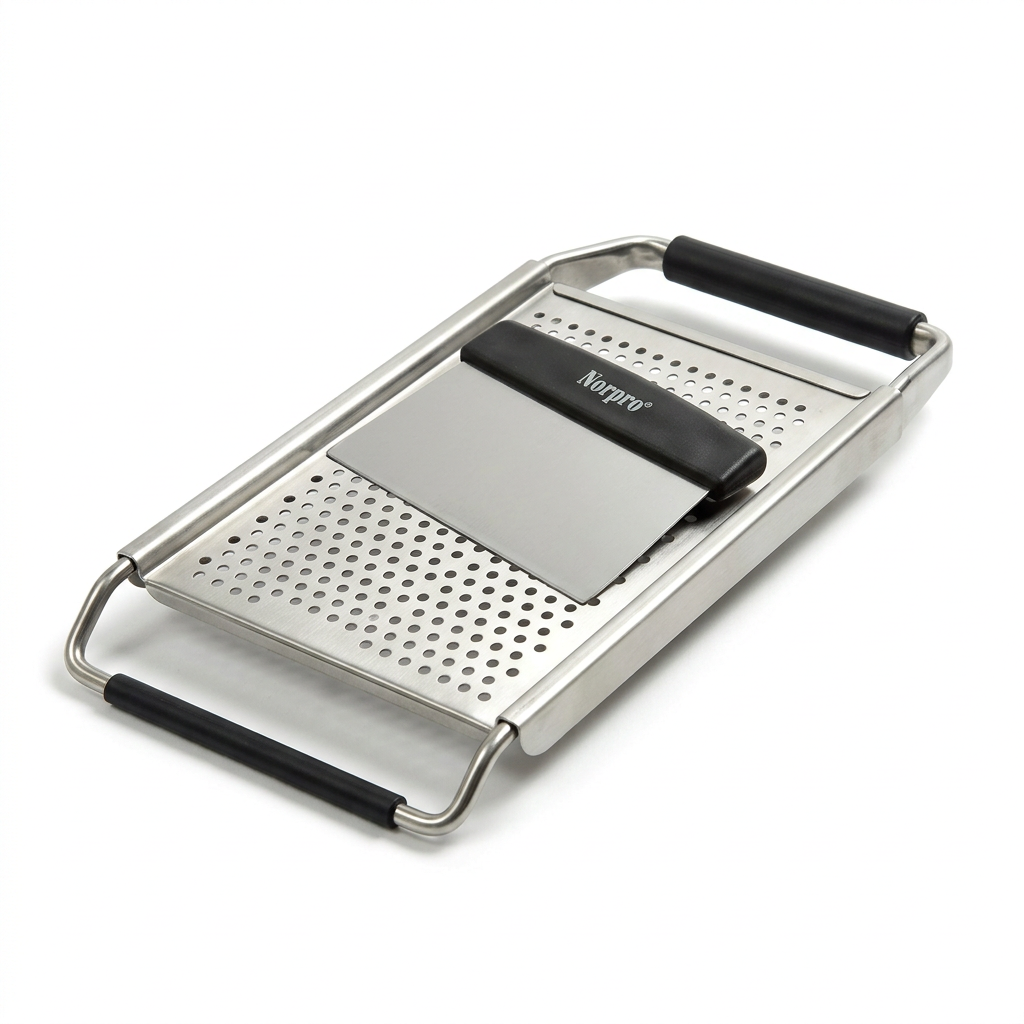
Cooking Tip: Grate the cheese finely before adding it to the pasta; this will ensure it melts evenly and incorporates well into the sauce.
Eggs: The Secret to Creaminess
The eggs are what create the velvety sauce in carbonara. Traditionally, the recipe uses egg yolks, which are richer and thicker than the whites, creating a luxurious mouthfeel. Some variations use whole eggs, which can lighten the sauce while maintaining creaminess.
- Freshness is Key: Use the freshest eggs available, preferably from pasture-raised hens for richer flavor.
- Ratio: For every 100 grams of pasta, you generally want 1 yolk and a whole egg.
Cooking Tip: Temper the eggs by mixing them with hot pasta gradually; this technique prevents the eggs from scrambling and allows for a creamy texture without curdling.
Black Pepper: The Final Touch
Finally, no carbonara is complete without black pepper. Not just for garnish, fresh-ground black pepper adds a necessary piquancy that cuts through the richness of the dish. The contrast enhances the overall flavor and gives the dish its signature finishing touch.
Cooking Tip: Use a pepper mill with adjustable coarseness settings to find the perfect texture that suits your palate.
The Perfect Technique: Creating Carbonara
Now that we've explored the essential ingredients, let’s delve into the technique that transforms these ingredients into the perfect carbonara. The process involves precise timing and careful preparation to create that luxurious, creamy, and indulgent sauce without the use of cream.
Step 1: Preparation is Key
Before you start cooking, have all ingredients prepped and within reach. This ensures that everything comes together seamlessly.
- 400 grams of spaghetti
- 150 grams of guanciale, cubed
- 4 egg yolks + 1 whole egg
- 100 grams of grated Pecorino Romano cheese
- Freshly cracked black pepper
- Salt for pasta water
Tip: Use a large pot of water (4 liters) for cooking pasta to allow it plenty of room to move and cook evenly.
Step 2: Cooking the Pasta
Cooking Tip: Taste the pasta a minute before the package instructions; al dente pasta should have a slight bite to it.
Step 3: Simmering the Guanciale
While the pasta cooks, place a skillet over medium heat and add the guanciale.
Step 4: Creating the Sauce
Step 5: Combining It All
Once the pasta is cooked and drained:
Cooking Tip: The secret to a successful carbonara is to combine everything off the heat, ensuring that the residual heat from the pasta cooks the eggs without scrambling them.
Common Mistakes to Avoid
Creating carbonara is a labor of love, but even seasoned cooks can encounter pitfalls. Here are some common mistakes to avoid when preparing this delicate dish.
Mistake 1: Overcooking the Eggs
One of the most frequently made errors is overcooking the eggs, leading to scrambled textures rather than a creamy sauce. Ensure to combine the egg mixture off the heat to control the cooking time.
Mistake 2: Using the Wrong Pasta
While it’s tempting to opt for whatever pasta is in your pantry, using the wrong shape can compromise the dish. Stick to traditional varieties like spaghetti or bucatini for the best results.
Mistake 3: Skipping the Pasta Water
Failing to reserve pasta water means missing out on an essential tool to emulsify the sauce. Always save some, as it will help create that smooth consistency.
Mistake 4: Overloading on Cheese
While cheese is key to carbonara, overdoing it can overwhelm the dish's delicate balance. Grate your cheese finely for better integration and stick to the recommended amounts.
Mistake 5: Neglecting Fresh Ingredients
Using stale or poor-quality ingredients can downgrade your carbonara significantly. Fresh eggs, quality guanciale, and authentic cheese make all the difference.
Variations on Carbonara: Playing with Tradition
While traditionalists advocate for the classic Roman carbonara, variations have emerged that offer a new twist on the classic flavors without straying too far from the essence of the dish. Here are a few creative takes:
1. Vegetarian Carbonara
It’s possible to enjoy carbonara without meat. A vegetarian version can incorporate smoked mushrooms or caramelized onions in place of guanciale for a rich, savory flavor.
2. Carbonara with Truffle Oil
For a decadent twist, a drizzle of truffle oil can elevate your carbonara to luxurious heights. This addition plays beautifully with the earthy flavors of the dish.
3. Lemon Zest Carbonara
Adding a little zest enhances the freshness of the dish. Incorporate the zest of a lemon before serving for brightness against the richness of the egg and cheese.
4. Seafood Carbonara
In coastal areas of Italy, seafood carbonara has gained popularity. Replacing guanciale with cooked shrimp or clams presents a lighter take without sacrificing the creamy texture.
Conclusion
Crafting the perfect carbonara is not just about following a recipe; it’s about understanding the history, respecting the ingredients, and mastering the techniques that bring this simple dish to life. The golden alchemy of pasta, guanciale, eggs, cheese, and black pepper creates a harmony that embodies the essence of Italian cuisine.
The next time you find yourself yearning for a comforting bowl of pasta, remember that cooking carbonara is an opportunity to connect with tradition, culture, and family. As you stir that creamy sauce and twirl your fork, may you embrace the joy of cooking and the love that Italian grandmothers bestow upon their famous recipe. So grab your ingredients and your best pasta pot, and let’s make a dish that would make even the oldest Italian grandmother proud.
At its core, carbonara is about simplicity and bringing people together over food. Whether you enjoy it on a quiet evening or serve it at a special gathering, remember: each bowl is an homage to the centuries of culinary wisdom passed down through generations. Make it with care, enjoy it with loved ones, and always, blame the chef for this exquisite culinary delight!
Get the Next Recipe
Weekly recipes, techniques, and gear picks — straight to your inbox.
