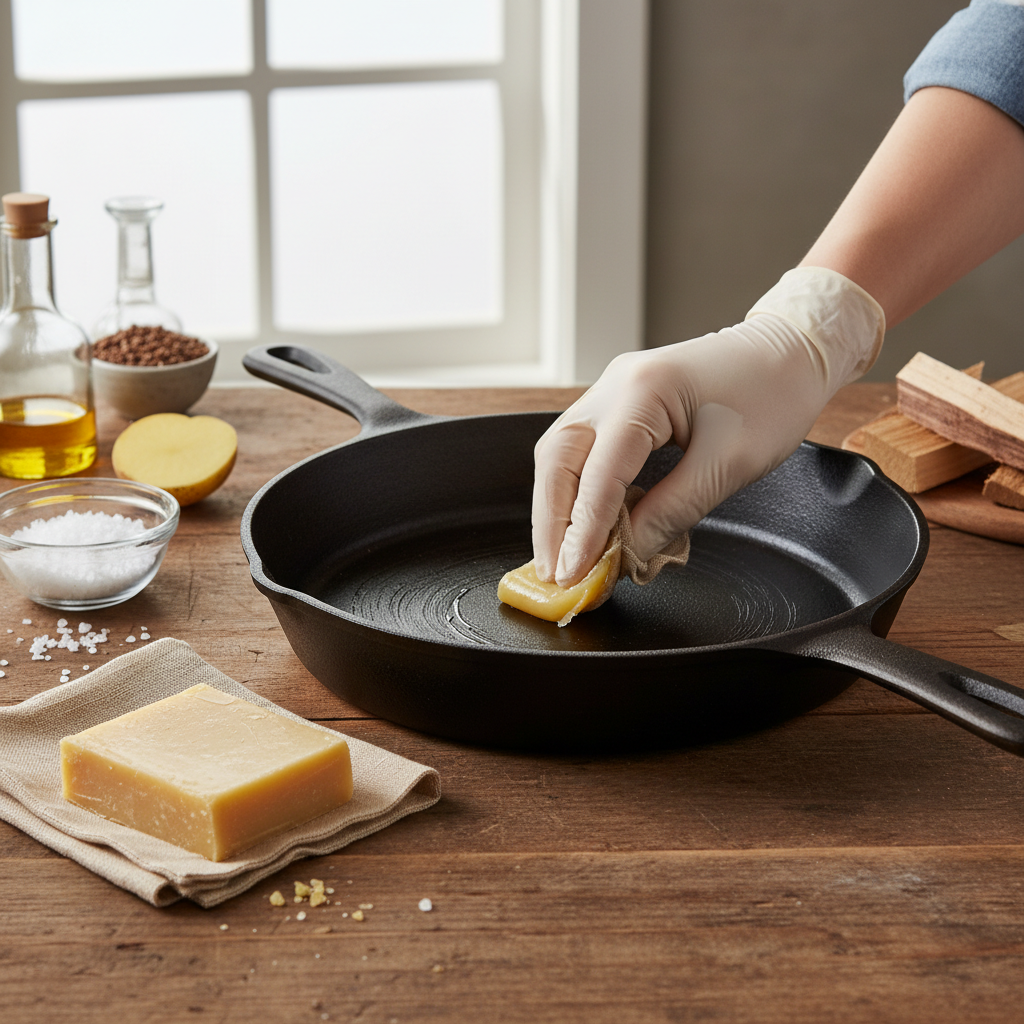
Cast Iron Care: Seasoning and Maintenance
Maintaining and seasoning cast iron skillets and pans is a culinary tradition steeped in history, often considered an essential skill for any home cook looking to elevate their kitchen game. With their ability to retain heat and develop a natural, non-stick surface over time, cast iron cookware is not only durable but also incredibly versatile. From frying eggs in the morning to baking cornbread for dinner, mastering the art of cast iron care can transform your cooking experience. However, like any cherished cooking tool, these skillets require attention and love to keep them performing at their best.
The unique charm of cast iron lies in its capability to improve with use when cared for properly. Many home cooks might worry that cast iron maintenance seems daunting, prompting them to shy away from investing in such cookware. Yet, the truth is that developing a proper seasoning and maintenance routine is relatively straightforward, and the effort pays off with years of culinary enjoyment. With just a little time and the right techniques, you can create a beautifully seasoned pan that rivals even the best non-stick alternatives.
In this guide, we will dive deep into the intricacies of cast iron care, covering everything from initial seasoning to effective cleaning methods, and troubleshooting common issues. Whether you are a novice or a seasoned culinary wizard, our comprehensive approach will arm you with the knowledge and confidence you need to keep your cast iron in tip-top shape.
Understanding Cast Iron
To truly appreciate the nuances of cast iron cookware, it’s essential to understand what makes it different from other types of cookware. Cast iron is made from molten iron poured into molds, which gives it a unique structure and porosity that distinguishes it from stainless steel or non-stick pans. This porosity allows the iron to absorb and retain heat exceptionally well, making it ideal for tasks that require consistent high temperatures.
The Benefits of Cast Iron
The advantages of cooking with cast iron go beyond just its heat retention capabilities. Here are a few key benefits that make this cookware a must-have in any kitchen:
Understanding these benefits is crucial for any cook looking to maximize their culinary endeavors. With cast iron, the possibilities expand, providing an avenue for creativity that other cookware might limit.
The Drawbacks of Cast Iron
While there are numerous advantages, there are also a few considerations to keep in mind when using cast iron.
With these considerations in mind, it is clear that using cast iron requires both commitment and appreciation for its unique properties.
Seasoning Basics
The seasoning process is fundamental to the performance of cast iron cookware. It involves applying oil to the frying surface of the pan and heating it to form a polymerized layer that creates a non-stick finish. Seasoning not only enhances the cooking surface but also helps to protect the iron from rusting.
Choosing the Right Oil
One of the first steps in seasoning is selecting the right oil. Here are popular options for seasoning cast iron:
The Seasoning Process
Now that you’ve selected your oil, it is time to season your cast iron. Follow these steps for effective seasoning:
Following these steps will ensure that your cast iron skillet has a strong non-stick surface ready for use.
“A well-seasoned cast iron pan is not just a tool; it’s an investment in flavor and tradition.”
Maintenance Protocol
Now that we’ve covered seasoning, we must discuss the daily maintenance that will prolong the life of your cast iron cookware. Unlike other types of cookware, cast iron requires special attention to keep it in good condition.
Daily Cleaning
After using your cast iron, cleaning is essential to maintain the seasoning layer. Here’s how to properly clean your skillet:
Deep Cleaning
Occasionally, you may need to perform a deeper cleaning to address stubborn residue or buildup. Here’s how you can do that safely:
Storing Your Cast Iron
Proper storage is essential to keep your cast iron in prime condition. Here are some tips:
By adhering to these maintenance techniques, your cast iron cookware can last for generations while providing an enjoyable cooking experience.
Troubleshooting Common Issues
Even with the best intentions and regular maintenance, issues can sometimes arise with cast iron. Understanding how to troubleshoot these problems can eliminate frustration and extend the lifespan of your cookware.
Rust Formation
Rust is a common issue that can occur if the skillet isn’t dried thoroughly or is stored improperly. If you notice rust, here’s how to address it:
Flaking Seasoning
Flaking seasoning can occur due to improper seasoning methods or hot spots while cooking. Here’s how to manage flaking:
Sticky Surface
When the surface of your cast iron becomes sticky, it indicates that too much oil was used during seasoning or that the oil hasn’t polymerized correctly. Here's how to remedy this situation:
“Caring for cast iron is like keeping a pet; with love and attention, it gives back more than what you invest.”
Specialty Seasoning Techniques
While the basic seasoning technique is effective for most cases, there are additional methods to achieve specific cooking results or address unique circumstances.
Using Flaxseed Oil for Premium Seasoning
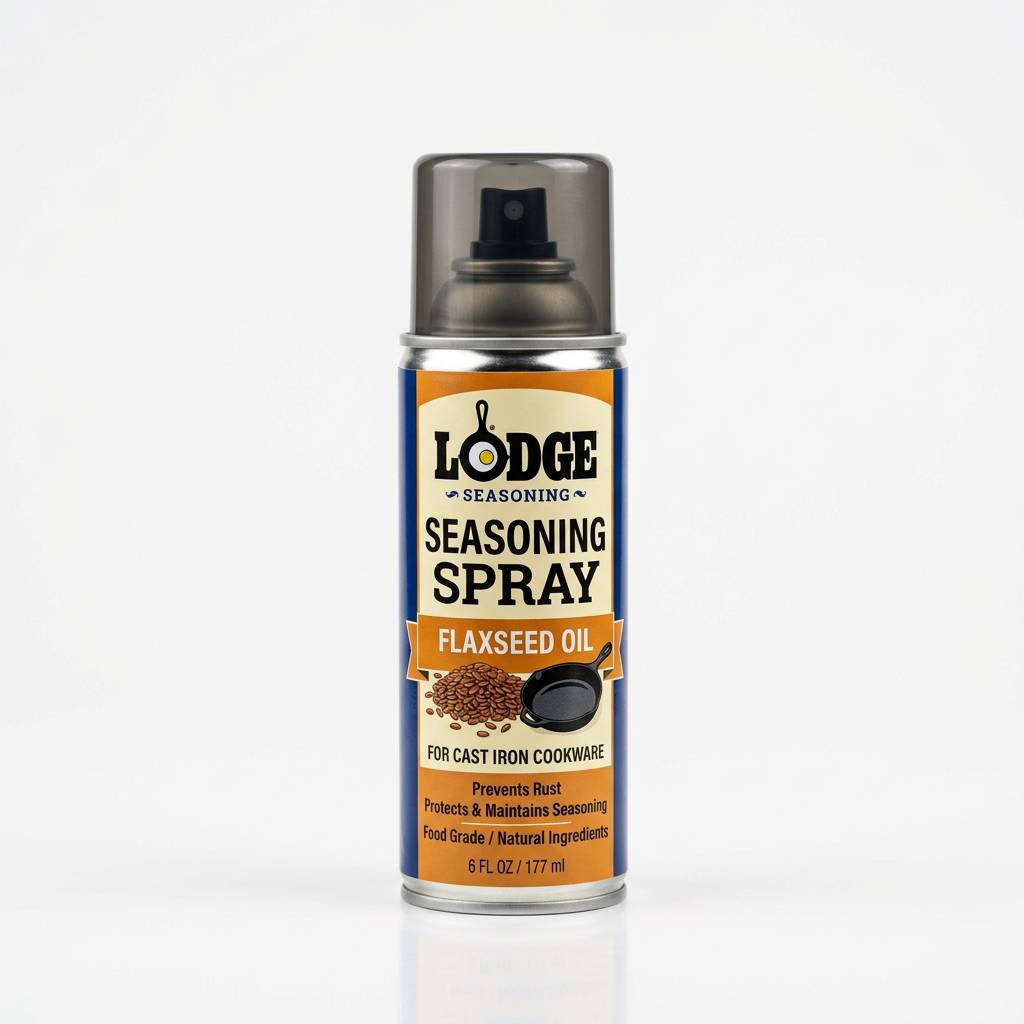
For those who want to maximize the performance of their cast iron, using flaxseed oil provides excellent results due to its high smoke point and ability to create a hard, durable surface. Here’s how to incorporate it into your routine:
Seasoning with Animal Fats
Many traditionalists swear by using animal fats like lard or bacon grease for seasoning. These fats can provide excellent flavor and a unique seasoning layer:
When to Re-Season
Determining when to re-season your cast iron can vary based on usage. Signs that your skillet may need re-seasoning include:
When these signs appear, it's time to refresh the seasoning through the aforementioned techniques.
Cooking with Cast Iron
Once you’ve mastered the essentials of care and maintenance, it’s time to start cooking with your cast iron skillet. The versatility of cast iron opens a wide range of culinary possibilities, making it a favorite among skilled chefs and home cooks alike.
Searing and Sautéing
Cast iron is renowned for its ability to achieve high temperatures, making it perfect for achieving a beautiful sear on meats. Here’s a quick guide to searing properly:
Baking in Cast Iron
Cast iron isn’t just for stovetop cooking; it’s also fantastic for baking! From cornbread to frittatas, the possibilities are endless. Here’s a technique for baking cornbread:
Cooking Acids Safely
When cooking with acidic ingredients, it’s crucial to allow the seasoning to handle the tartness without affecting the dish's flavor. To ensure your cast iron is not reactive:
Final Thoughts
Caring for cast iron cookware is a labor of love that yields incredible culinary rewards. Understanding how to properly season, clean, and maintain these timeless pieces will ensure they serve you well for many years to come. Cast iron pans are more than just tools; they are heirlooms that carry the flavors and stories of countless meals shared over generations.
By integrating these practices into your kitchen routine, you elevate not only your cooking skills but also your appreciation for this exceptional cookware. Embrace the joys of cooking with cast iron, and remember that each meal enhances your skillet’s seasoning and character. Your cast iron will thank you with delectable dishes and a legacy of its own.
As you continue to explore the world of cast iron, don’t hesitate to experiment and make it your own. With time, patience, and a little care, you can turn your cast iron into a culinary masterpiece that not only performs beautifully but also tells a story with every meal.
Get the Next Recipe
Weekly recipes, techniques, and gear picks — straight to your inbox.
