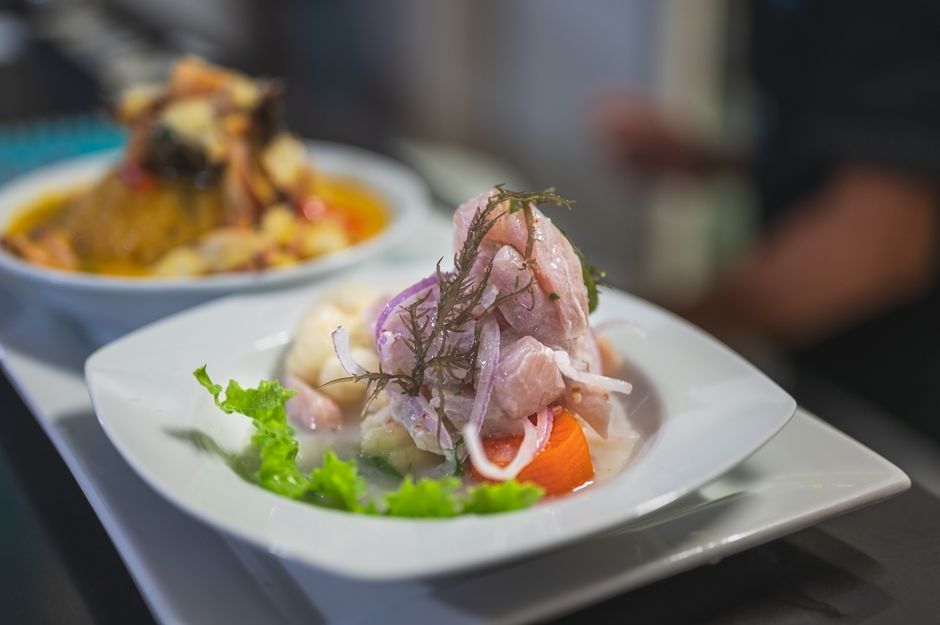
Ceviche: The Science of Cold Cooking
Ceviche is more than just a dish; it's an art that marries the freshness of seafood with the tanginess of citrus, yielding a culinary delight that has attracted food lovers and chefs alike for centuries. Originating from coastal regions in Latin America, particularly Peru, this dish showcases the transformation of raw fish through a process known as cold cooking. Unlike traditional cooking methods that utilize heat, ceviche relies on the acidity of citrus juices to denature proteins in fish and seafood. This transformative process can lead to incredible textures and flavors, making it essential for any home chef seeking to elevate their culinary repertoire.
The beauty of ceviche lies not only in its simple preparation but also in its ability to allow fresh, high-quality ingredients to take center stage. The choice of seafood, the balance of acidity, and the layering of flavors all contribute to the final dish, making each ceviche unique. Home cooks can experiment with various combinations, from classic recipes to innovative interpretations, thus connecting with the dish on a personal level. This flexibility, combined with a few foundational techniques, empowers anyone to create a ceviche that can transport diners to sun-soaked beaches and bustling market stalls.
Understanding the science behind cold cooking is vital for successfully executing a ceviche that dazzles the palate. The central ingredient—the fish or seafood—must be handled with care to ensure safety and flavor integrity. Additionally, achieving the right balance of seasoning and garnishes can elevate this dish from simple to sublime. As we embark on this culinary journey into ceviche, we’ll explore the technique, the science, and of course, how to create an unforgettable dish that you can be proud of.
The History of Ceviche
Ceviche has deep historical roots that trace back thousands of years. It is believed that ancient Peruvian civilizations, such as the Moche and the Inca, utilized fish marinated in aguar de lima (a traditional lime juice) to preserve seafood without refrigeration. This adaptation allowed these cultures to benefit from the abundant resources of the Pacific Ocean, ensuring that food could be enjoyed even when it was not freshly caught.
As the centuries have passed, ceviche has evolved significantly. It has transcended its humble beginnings, incorporating various regional ingredients and techniques that reflect the agricultural and cultural diversity of Latin America. As the dish spread from Peru to neighboring countries like Ecuador, Mexico, and beyond, it received unique twists—varying from the addition of sweet potatoes in Peru to the use of tomato in Ecuadorian styles.
Today, ceviche is celebrated not only in South America but throughout the globe. Chefs worldwide have adopted this technique, placing their distinct spin on the classic recipe. Cevicherías, or ceviche restaurants, have sprung up in major cities, serving both traditional takes and contemporary innovations that illustrate ceviche's versatility and lasting power in global cuisine.
The Science of Cold Cooking
At the heart of ceviche’s unique flavor profile and texture is the concept of denaturation, the process by which proteins lose their natural structure when subjected to acidic ingredients. In ceviche, the citrus juices, primarily lime or lemon, serve as the catalyst for denaturing the fish’s proteins, resulting in a firm yet tender texture. The fish absorbs the acidity, essentially “cooking” it without the application of heat—a fascinating example of how science can intersect with culinary artistry.
The Role of Acidity
Understanding the role of acidity in ceviche is crucial. The pH level of the marinade can have a profound effect on how the fish reacts. Here’s a basic rundown of how acidity works in ceviche:
Choosing the Right Ingredients
To execute a fantastic ceviche, the quality of your ingredients is paramount. Here are key components and recommendations:
- Snapper
- Tuna
- Halibut
- Sea Bass
- Mahi-Mahi
- Ginger
- Tomato
- Mango or avocado for creaminess
Proper selection ensures not only safety but also enhances the overall dish.
Preparing Your Ceviche
Now that you have an understanding of the ingredients and the science behind ceviche, let’s delve into the preparation process. While ceviche may seem simple, attention to detail can make all the difference.
Step-by-Step Guide to Ceviche Preparation
- Combine fish with lime and lemon juice (approximately 1 cup of juice for every pound of fish) in a glass or ceramic bowl to avoid any reactions with metal.
- Allow the fish to marinate in the refrigerator for around 15-30 minutes, depending on the thickness of the fish.
This step-by-step approach ensures that your ceviche not only tastes authentic but also preserves the integrity of your ingredients.
Common Mistakes to Avoid
Embarking on your ceviche-making adventure can be a delightful experience, but like any culinary technique, there are potential pitfalls to be aware of. Here are some common mistakes and how to avoid them:
1. Using Low-Quality Fish
Using fresh, high-quality seafood is non-negotiable. Buying pre-packaged, frozen fish or fish that has a strong “fishy” smell will compromise both the taste and the safety of your dish. Always opt for sushi-grade fish when making ceviche.
2. Over-Marination
While the acidity of the citrus is essential for flavor and texture, leaving fish in the marinade for too long can lead to a mushy texture. A general rule of thumb is 15-30 minutes, depending on the type of fish used. If you prefer your fish with more texture, err on the side of caution and check frequently.
3. Skimping on Seasoning
Seasoning is key to coaxing out the flavors in ceviche. Failing to adequately salt your dish can lead to bland results. Don’t shy away from seasoning your fish before marinating and adding additional seasoning after mixing in the aromatics.
4. Ignoring Temperature
Ceviche should be served chilled for optimal enjoyment. Ensure that all ingredients are kept refrigerated before assembly, and serve it immediately or keep it on ice until ready to dish out.
5. Neglecting Fresh Ingredients
Ceviche thrives on fresh ingredients. Whether it's vibrant herbs, crunchy vegetables, or ripe fruits, using stale or subpar components will detract from the dish. Always choose local and seasonal produce when available.
By being mindful of these common pitfalls, you'll be better prepared to create a ceviche that both looks beautiful and tastes incredible.
Pairing with Sides and Beverages
Ceviche can be a star on its own, but pairing it with the right sides and beverages can amplify the dining experience. The fresh, tangy flavors often demand a companion that complements rather than competes.
Best Sides for Ceviche
Beverage Pairings
Pairing ceviche with beverages can enhance harmony among the flavors. Here are some options to consider:
Choosing the right sides and beverages can play a significant role in elevating your ceviche experience, creating a meal that's truly memorable.
Elevation and Innovation in Ceviche
As with all culinary traditions, ceviche is subject to creativity and innovation. Chefs worldwide have taken this classic preparation and infused it with modernized flavors, techniques, and presentations.
Global Inspirations
Exploring international influences can open doors to exciting new ceviche variations. Here are a few ideas:
Creative Presentations
Presentation can elevate a simple dish to an art form. Consider these visual enhancements:
Experimenting with Techniques
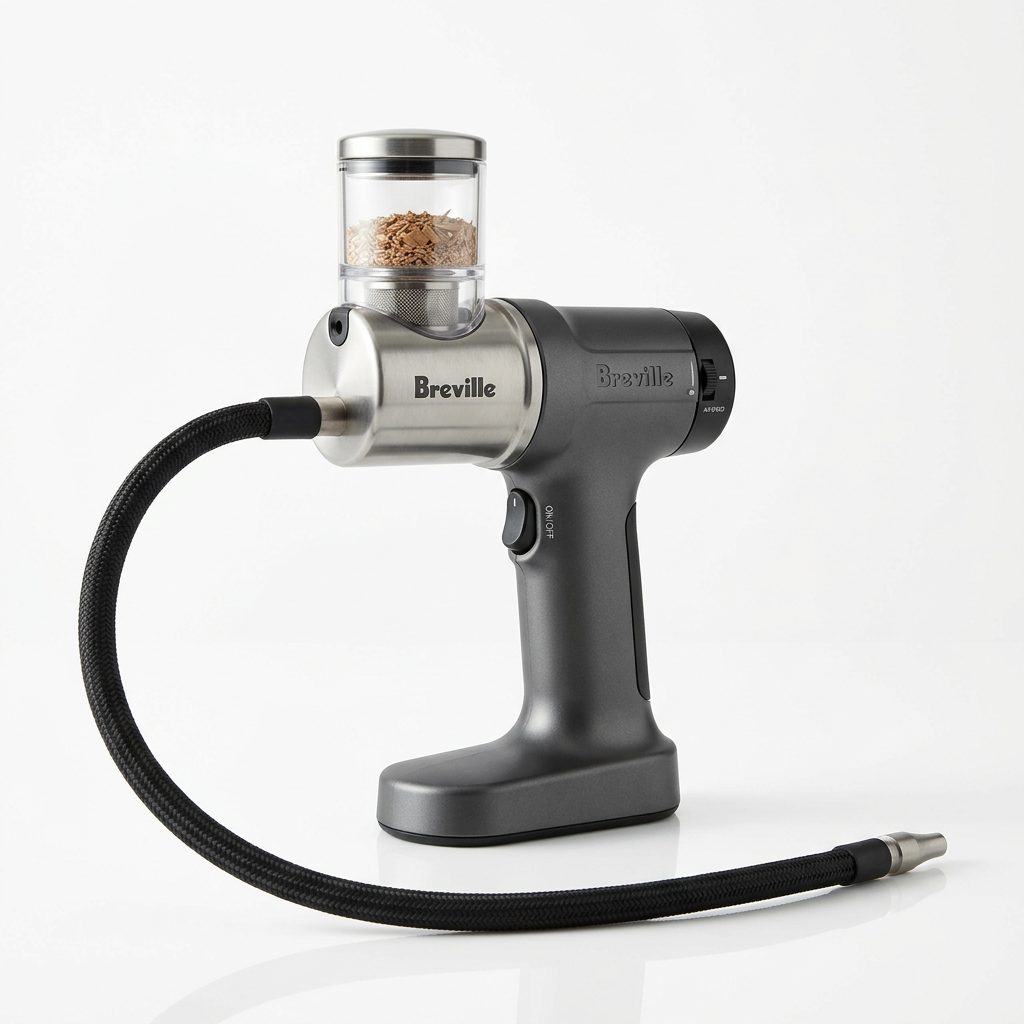
Don’t hesitate to push boundaries. For instance, try smoking your fish lightly for added complexity and depth of flavor, or utilize a sous-vide technique to marinate fish under controlled temperature, ensuring an even, precise texture.
The world of ceviche is limitless, and each cook can make their mark by experimenting with flavors and presentations that resonate personally.
Conclusion
Ceviche is a brilliant culinary technique that invites creativity while deeply rooting itself in cultural tradition and scientific principles. As you embark on your ceviche-making journey, embrace its fundamentals—the quality of fish, the balance of acidity, and the meticulous preparation of both ingredients and seasoning are crucial. Let the vibrant flavors shine, and don’t shy away from experimenting with global inspirations and contemporary techniques.
Ultimately, ceviche is a celebration of freshness, a dish to be shared and savored among friends or enjoyed solo on a quiet evening. With a seamless blend of technique, quality ingredients, and an adventurous spirit, you can become a maestro of ceviche, impressing friends and family alike. So roll up your sleeves, grab some fresh fish, and let the science of cold cooking transform your kitchen into a tropical escape. Dive in and let your ceviche adventures begin.
Get the Next Recipe
Weekly recipes, techniques, and gear picks — straight to your inbox.
