
Chraime: The Sephardic Spicy Fish That Anchores Shabbat Tables Across the Middle East
The aroma of frying garlic, cumin, and caraway hitting hot oil is the olfactory equivalent of a warm embrace, a scent that defines Friday afternoons in Sephardic households from Tripoli to Casablanca. Chraime, a vibrant, spicy tomato-based fish stew, is far more than a simple weeknight meal; it is a sacred anchor for the Shabbat table, carrying the weight of history, migration, and the resilience of a diaspora. When the sun begins to dip low on a Friday, the kitchen becomes a theater of transformation where humble white fish is elevated by a complex, fiery sauce that balances heat, acidity, and earthiness. This dish does not merely feed the body; it tells a story of survival and cultural preservation that has persisted through centuries of wandering and adaptation. For the home cook, mastering this recipe is an invitation into a world where spices are measured by heart and the final result is a testament to the beauty of slow, deliberate cooking.
The brilliance of Chraime lies in its deceptive simplicity and the sophisticated interplay of its ingredients. Unlike many other fish preparations that rely on delicate butter sauces or light herb infusions, Chraime is bold, unapologetic, and profoundly aromatic. The backbone of the dish is a robust harissa or a homemade paste of dried chilis, garlic, and caraway, which provides the deep, resonant heat that characterizes the North African palate. When this concentrated spice base is combined with high-quality tomatoes and allowed to simmer until it reaches the consistency of a velvety glaze, it creates a flavor profile that is both intense and harmonious. It is a dish that rewards patience, demanding that the cook respect the transition of the spices as they bloom in the oil, releasing essential oils that permeate every component of the stew.
In "Blame The Chef," we believe that every home kitchen should be a laboratory of tradition, and Chraime is the perfect starting point for exploring the culinary heritage of the Sephardic world. Whether you are a seasoned pro or a novice just finding your footing with fish, this recipe offers a masterclass in layering flavors and managing heat. We will walk you through the selection of the freshest firm-fleshed fish, the precise technique for blooming your spices, and the nuanced balance of acidity required to keep the sauce vibrant. By the time you serve this dish, you will understand why it has remained a centerpiece of Jewish culinary life for generations, a spicy, savory reminder that the most delicious meals are those that connect us to the generations that came before us.
The Foundations of a Perfect Chraime
To achieve the signature depth of a traditional Chraime, one must start with the quality of the base. The spice foundation—specifically the combination of cumin, caraway, and sweet paprika—is the soul of the dish. While some might be tempted to cut corners with pre-ground spices, there is a marked difference when you toast your whole seeds in a dry pan for 30 to 60 seconds before grinding them into a fine powder. This process of toasting releases the volatile compounds trapped within the seeds, resulting in a fragrance that is exponentially more potent than the stale, store-bought alternatives.
Selecting the Right Fish
The texture of the fish is paramount. Because Chraime is a stew, you need a fish that can withstand a simmer without disintegrating into mush. Firm-fleshed white fish are the gold standard. Look for fillets of snapper, sea bass, or grouper. These varieties have the structural integrity to hold up against the robust, acidic sauce while remaining moist and tender. If you prefer a more budget-friendly approach, cod or hake also work beautifully, provided you do not overcook them during the final poaching stage.
The Role of Acid and Heat
The balance in a great Chraime is a delicate tightrope walk between the heat of the chilies and the acidity of the tomatoes and lemon. Always ensure your tomato paste is caramelized—meaning you cook it in the oil with your aromatics until it darkens to a deep brick red—before adding any liquids. This technique removes the raw, metallic edge of the paste and deepens the sweetness of the dish. If the sauce becomes too acidic, a small pinch of sugar or a splash of fresh olive oil will round out the edges without compromising the integrity of the dish.
The secret to the most vibrant Chraime isn't just the quantity of the spice, but the length of the simmer. The sauce should be cooked until it begins to separate, with the bright red oil floating on top, signaling that the garlic and peppers have fully surrendered their flavor to the tomatoes.
The Art of the Spice Paste
The heart of the Chraime is the spicy paste, often referred to as the Chraime base. This is not a task to be rushed. Whether you are pounding your ingredients in a mortar and pestle or using a food processor, the goal is to achieve a uniform, paste-like consistency where the garlic, caraway, chili, and cilantro are perfectly emulsified into the oil. This paste acts as the primary seasoning agent for the entire dish and determines the intensity of the finished stew.
Preparing the Aromatics
Garlic is the unsung hero of this dish, and it should be used liberally. For a standard four-person serving, you should use at least 6 to 8 cloves of fresh garlic. Avoid the pre-minced jars found in supermarkets, as they often contain preservatives that interfere with the natural sweetness of the garlic. Instead, crush the garlic cloves with the flat side of a knife and mince them finely, or smash them with a bit of sea salt until they form a smooth, fragrant cream.
Customizing Your Heat Levels
The level of heat is entirely subjective, but traditionally, Chraime should be spicy enough to be noticeable without obscuring the delicate flavor of the fish. Use a combination of dried chili flakes, fresh jalapeños or serranos, and perhaps a dollop of high-quality harissa paste. Remember that heat intensifies as the sauce reduces, so it is always safer to start with less and adjust toward the end of the cooking process. Adding a teaspoon of ground caraway seeds is non-negotiable for that authentic North African profile; it adds a floral, slightly nutty complexity that pairs perfectly with the heat.
Techniques for The Perfect Simmer
Once your base is prepared, the cooking process shifts to the stovetop. Temperature management is crucial here. You want to maintain a gentle, consistent simmer rather than a rolling boil, which could cause the fish to break apart or the sauce to scorch. The goal is to reduce the liquid until it coats the back of a spoon, creating a thick, glossy blanket for your protein.
The Stages of Sauce Reduction
Incorporating the Fish
When your sauce is thick and flavorful, gently lay the fish fillets into the pot. Be careful not to crowd the pan. Using a spoon, gently nudge the sauce over the top of the fillets. Cover the pot and reduce the heat to the lowest possible setting. Depending on the thickness of your fish, it should only take 8 to 12 minutes to poach to perfection. You are looking for the point where the fish is opaque throughout and flakes easily with a fork.
The Sephardic Heritage and Shabbat Culture
Chraime is the heartbeat of the Shabbat meal in many Sephardic communities, serving as the bridge between the hustle of the work week and the serenity of the Sabbath. It is a dish of preparation, often made hours before the sun sets, allowing the flavors to meld and deepen over time. In many households, the scent of Chraime wafting through the house is the signal that it is time to put away the responsibilities of the week and welcome the rest of the day.
The Social Nature of the Table
Traditionally, Chraime is served in the center of the table in the same heavy-bottomed pot or ceramic vessel in which it was cooked. It is common to serve it with crusty bread—challah or pita—to mop up every drop of the spiced sauce. This communal style of eating emphasizes the importance of shared experience, encouraging diners to linger over the meal and converse long after the fish has been eaten. It is not a dish meant for solitary consumption, but rather a celebratory centerpiece that demands company.
Symbolism and Resilience
For the diaspora populations who carried this recipe across borders—from the markets of Tripoli to the neighborhoods of Jerusalem and eventually to kitchens worldwide—Chraime represents a survival of culture. By keeping the culinary traditions of their ancestors alive, Sephardic families have ensured that their history remains tangible. Every ingredient in the stew represents a stop on a journey, from the heavy use of spices influenced by the Silk Road to the Mediterranean reliance on fresh fish and olive oil.
The beauty of the Sephardic table is in its lack of pretension. Chraime is a rustic dish that relies on the quality of its components rather than complicated plating or avant-garde techniques. It is an honest meal that feeds the soul as much as it feeds the belly.
Chef’s Tips for Troubleshooting
Even the best chefs encounter challenges when working with complex stews. If your sauce feels too thin, increase the heat slightly and continue to reduce it without the lid, but be mindful of the salt content as it concentrates. If the sauce becomes too thick, add a small amount of warm water or stock to adjust the consistency. Always taste your sauce at the 15-minute mark; if it lacks "pop," a fresh squeeze of lemon juice or a pinch of extra salt can often solve the problem instantly.
Handling Over-Seasoning
If you accidentally added too much heat, do not panic. The best way to balance an overly spicy sauce is to introduce a small amount of sweetness or creaminess. A tablespoon of honey or a splash of coconut milk can mute the intensity of the chilies without ruining the flavor profile. However, be conservative; you want to maintain the dish’s signature boldness, not turn it into a mild cream sauce.
Storing and Reheating
Chraime is famous for tasting even better the next day, once the flavors have had time to settle. If you are preparing it in advance, slightly undercook the fish. When reheating, place the stew in a wide skillet over very low heat and cover, allowing the residual heat to finish cooking the fish gently. This prevents the delicate flesh from turning tough or rubbery, which is the most common mistake home cooks make with reheated seafood.
Enhancing the Experience with Sides
While the Chraime is undoubtedly the star, the supporting act of side dishes can elevate your meal from a standard dinner to an extraordinary culinary event. Because the sauce is so rich, it pairs best with starch-heavy sides that can handle the intensity. A classic couscous is the traditional choice, as it acts as a sponge for the sauce, but you shouldn't feel limited by convention.
Creative Pairings
Crusty Challah:* Freshly baked, slightly sweet challah is perfect for mopping up the sauce.
Herbed Couscous:* Stir fresh parsley, cilantro, and toasted almonds into your couscous for added texture.
Roasted Vegetables:* Fennel or cauliflower, roasted until caramelized, provides a beautiful, earthy contrast to the spicy, acidic sauce.
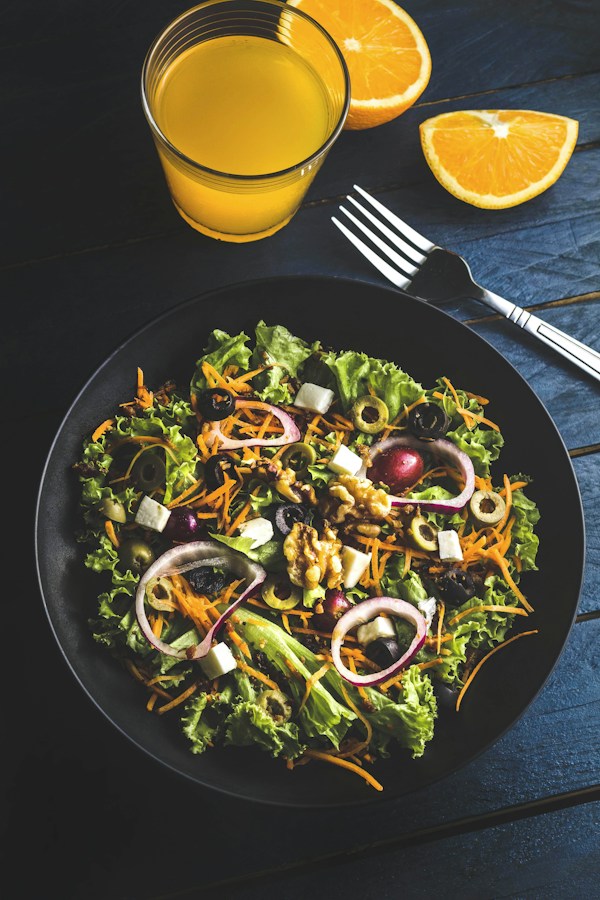
Fresh Herb Salad:* A simple salad of parsley, mint, and radish tossed in lemon juice and olive oil provides a bright, refreshing palate cleanser that cuts through the richness of the stew.
Drink Pairings
When choosing a beverage to serve alongside Chraime, you want something that can stand up to the heat of the chilies and the acidity of the tomatoes. A dry rosé or a crisp, mineral-forward white wine like a Sauvignon Blanc works wonders. For those who prefer non-alcoholic options, a sparkling water with a generous squeeze of fresh lemon and a sprig of mint provides a refreshing contrast to the spicy depth of the stew.
Conclusion
Mastering Chraime is a journey into the heart of Sephardic culinary tradition, a process that teaches the home cook the value of patience, the importance of ingredient quality, and the art of balancing bold flavors. As you spend time in your kitchen sautéing the aromatics, caramelizing the paste, and watching the sauce reduce to its perfect, glossy finish, you are participating in a ritual that has spanned centuries. You are not just cooking a piece of fish; you are honoring the generations of cooks who kept this tradition alive through migration, change, and the passage of time.
The true reward of this dish is found at the table, shared with friends and family. There is something profoundly satisfying about watching guests reach for another piece of bread to dip into the remains of the sauce, confirming that you have achieved the perfect balance of heat, acid, and savoriness. Do not be intimidated by the number of spices or the time required; embrace the process and allow yourself to be guided by your senses. The scent of the kitchen, the sight of the shimmering sauce, and the taste of the first bite are all parts of the experience that make Chraime so uniquely special.
At "Blame The Chef," we encourage you to make this recipe your own. Add your own flair to the spice blend, experiment with different types of firm-fleshed fish, or serve it with sides that reflect your own cultural background. Cooking is an evolving language, and Chraime is a vocabulary that allows for endless expression. Whether you are preparing it for a Friday night Shabbat table or simply a quiet Sunday dinner, remember that the most important ingredient is the intention you put into the pot. So, turn up the heat, sharpen your knife, and enjoy the process of creating something truly remarkable. Your kitchen is the heart of your home, and with a pot of bubbling Chraime on the stove, it becomes a place of connection, history, and warmth that lingers long after the plates are cleared.
As you look back on the process, realize that you have moved beyond the basic instructions. You have learned how to manage heat, how to balance acidity, and how to respect the delicate nature of seafood in a robust environment. These skills will serve you well in countless other recipes, providing a foundation for your continued growth as a chef. The story of Chraime is one of resilience and flavor, and now, it is part of your story as well. Keep cooking with passion, stay curious, and never be afraid to blame the chef when the meal turns out just a little bit better than anyone expected. It is, after all, the secret to a happy kitchen.
Refining your culinary repertoire takes time, but by dedicating yourself to dishes like Chraime, you ensure that the skills you learn are grounded in tradition and depth. Every time you serve this dish, you are sharing more than just a meal; you are sharing a piece of history and a commitment to quality. The depth of the spices, the tenderness of the fish, and the rich, complex sauce all come together to prove that even the most humble ingredients can be transformed into something extraordinary with the right technique. Enjoy the process, savor the flavors, and continue to explore the vast, delicious world of global cuisine, one pot at a time. The kitchen is waiting, and the journey is just beginning.
Finally, remember that the best way to improve is to iterate. Don't be discouraged if your first attempt isn't exactly the vision you had in mind. Every cook, regardless of their skill level, is constantly learning and refining their craft. If your spice paste isn't quite right, adjust the ratios next time. If you think the fish could have been more tender, adjust your poaching time. The beauty of this profession, and indeed this hobby, is that there is always another meal to prepare, another flavor to discover, and another story to tell. Keep your spices fresh, your knives sharp, and your passion for cooking alive. Your table—and your guests—will thank you for it. Until next time, keep exploring the vibrant, spicy, and deeply nourishing world of the Sephardic table. The tradition is yours to keep, and the flavors are yours to define. Happy cooking to all the home chefs who aren't afraid to take on the classics.
Get the Next Recipe
Weekly recipes, techniques, and gear picks — straight to your inbox.
