
Clay Pot Cooking: How Unglazed Earthenware Transforms Flavor and Texture
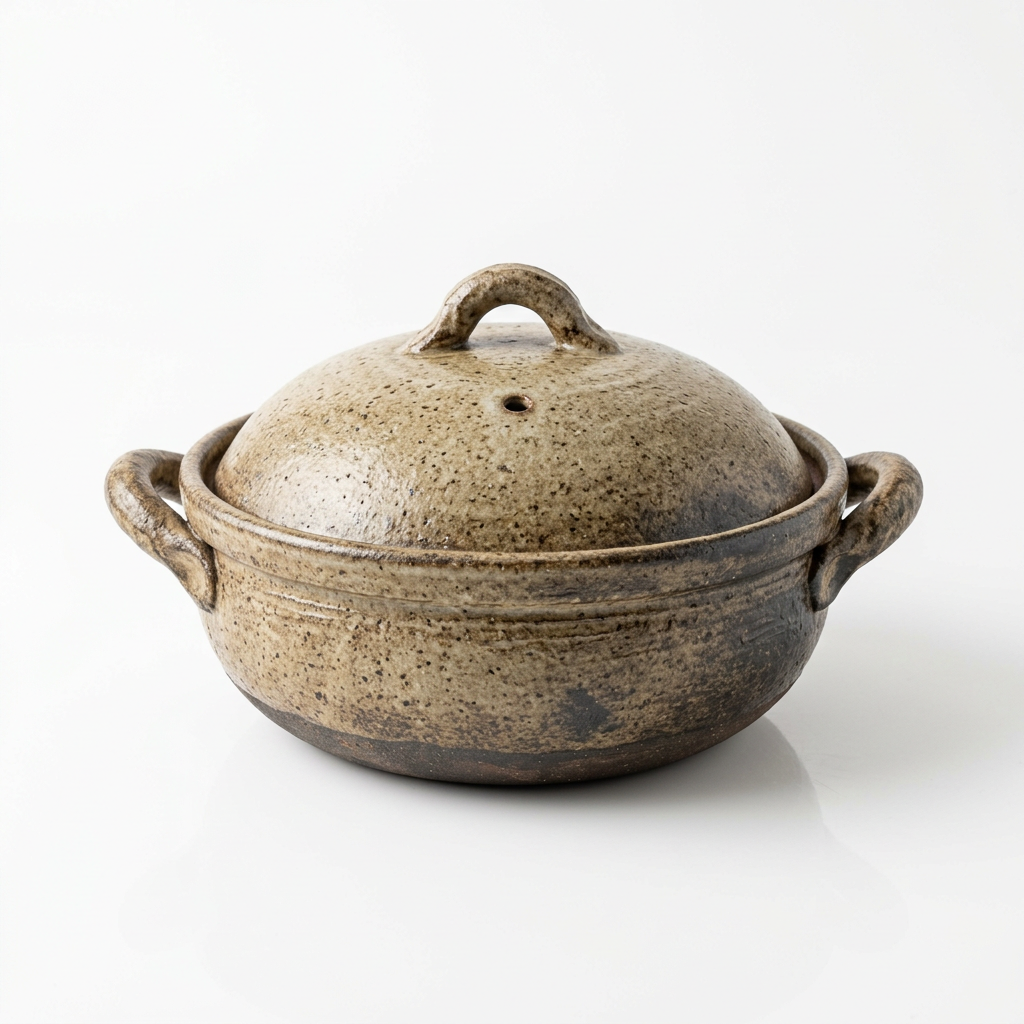
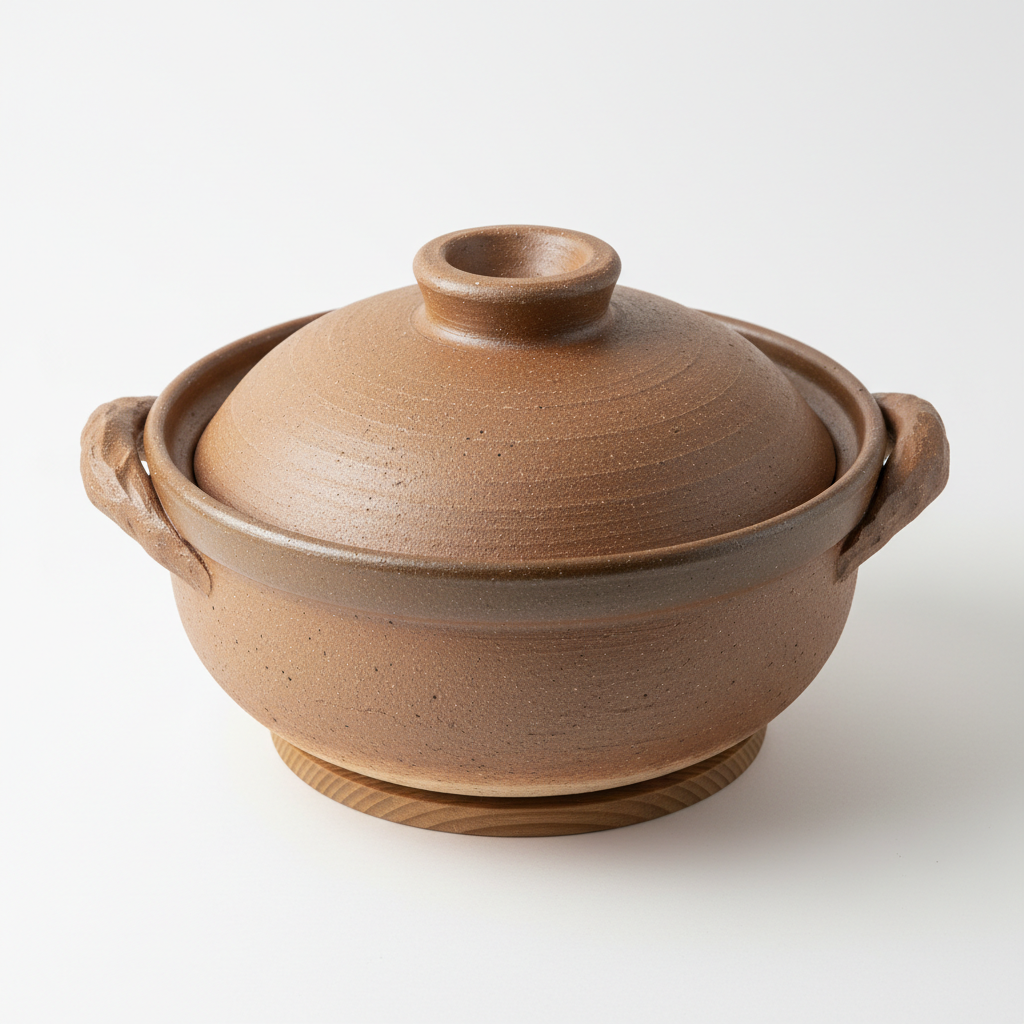
The art of cooking is often reduced to the simple application of heat to raw ingredients, but true culinary mastery lies in understanding the vessel that facilitates this transformation. For centuries, across nearly every major civilization from the Mediterranean to East Asia, the unglazed clay pot has been the silent partner of the home cook. Unlike the modern convenience of stainless steel or non-stick surfaces, unglazed earthenware is porous and alive, interacting with your food in a way that creates textures and flavor profiles impossible to replicate with metal. When you introduce heat to a clay pot, you are not just warming ingredients; you are engaging in a slow, rhythmic exchange of moisture and aromatics that tenderizes proteins and intensifies vegetable sweetness.
To cook with clay is to embrace the philosophy of patience, as these vessels require a level of attentiveness that modern high-speed cooking often discards. The thermal mass of clay allows for incredibly gentle, consistent heat distribution, which acts as a safeguard against the scorched edges or uneven cooking often seen with thin-bottomed pans. As the pot warms, it releases moisture absorbed from previous uses, creating a pressurized steam environment within the vessel that keeps meats succulent and root vegetables perfectly velvety. Understanding the nuance of this tool means letting go of the need for immediate results and instead trusting in the alchemy that happens behind the lid.
Welcome to the world of "Blame The Chef," where we believe that every tool in your kitchen should tell a story and serve a higher purpose in your pursuit of excellence. By incorporating earthenware into your repertoire, you are not just acquiring another piece of cookware; you are reclaiming an ancient technique that honors the integrity of your ingredients. Whether you are crafting a traditional Moroccan tagine, a slow-simmered clay pot rice, or a rustic European stew, the unglazed clay vessel will provide a depth of flavor that lingers on the palate. Let us pull back the curtain on this transformative method and learn how to master the temperamental yet rewarding nature of porous clay.
The Science of Porosity and Thermal Mass
The defining characteristic of unglazed earthenware is its inherent porosity. Unlike enameled cast iron or glass, which create a sealed barrier between the heat source and your ingredients, unglazed clay acts as a semi-permeable membrane. Before you use a new clay pot, it must be soaked in water for at least 30 to 60 minutes. During this time, the vessel absorbs moisture into its microscopic air pockets. When the pot is placed in the oven, that stored water turns into steam, effectively poaching the ingredients from the inside out while the dry heat of the oven crisps the exterior.
The magic of the clay pot is not found in the heat alone, but in the conversation between the water trapped within the walls of the vessel and the ingredients seeking to be transformed.
This dual-action heating process is the secret behind the legendary tenderness of slow-cooked meats in clay. Because the steam is trapped inside the vessel, the collagen in tougher cuts of meat—such as beef chuck, lamb shoulder, or pork butt—breaks down slowly without evaporating the precious juices. The result is a texture that is impossibly buttery, yet the exterior remains structurally sound rather than becoming stringy or mushy, as often happens in a rapid-boil braise.
Managing Thermal Shock
One of the most important technical aspects of using unglazed clay is the prevention of thermal shock. Because clay is a natural material, it cannot withstand drastic, sudden temperature changes. If you take a cold pot directly from a refrigerator and place it into a hot oven, the expansion of the material will cause the vessel to crack. Always start your clay pot in a cold oven and allow it to come up to temperature gradually with the heat. Similarly, when removing your pot from the oven, place it on a wooden board or a thick cloth rather than a cold stone countertop to ensure the temperature drops as slowly as possible.
Selecting and Seasoning Your Vessel
Not all clay pots are created equal, and your choice of vessel should be dictated by the types of dishes you intend to prepare most frequently. Traditional terracotta is the most common and versatile, perfect for stews and slow roasts. However, you may also encounter zisha (purple clay) pots from Yixing, which are highly prized for their ability to season over time, much like a cast-iron skillet. The more you cook with high-quality, porous clay, the more the vessel absorbs the oils and aromatics of your ingredients, creating a "memory" that enhances the flavor of every subsequent dish you create.
The Initial Curing Process
Before your first real cook, you must perform a seasoning or curing process to seal the pores slightly and prepare the clay for high heat. Begin by filling the vessel with water and letting it soak for several hours. Drain the water, wipe the interior dry, and rub the entire surface—inside and out—with a neutral oil, such as grapeseed or avocado oil. Place the empty, oiled pot into a cold oven and set it to 300°F (150°C) for about two hours. This process creates a stable foundation that prevents the clay from absorbing too much liquid and ensures a non-stick surface develops over time.
Maintenance and Cleaning
Cleaning a clay pot requires a departure from the "soak and scrub" mentality. Because the pot is porous, you must never use soap. Detergents will seep into the clay and ruin the flavor of your future meals. Instead, clean your pot using only hot water and a firm brush. If you have stubborn, burnt-on bits, create a paste of baking soda and water and gently scrub the affected area. Once finished, ensure the pot is completely air-dried in a well-ventilated area before putting the lid on for storage. If you store a damp clay pot with the lid on, you invite mold growth, which can be difficult to remove from the porous walls.
The Art of the Clay Pot Braise
When we speak of braising in clay, we are discussing a method that emphasizes the preservation of moisture. In a standard metal pot, liquid evaporates rapidly, requiring frequent monitoring and replenishment of stock or wine. In an unglazed clay pot, the steam generated by the pot’s porous walls creates a self-basting environment. The moisture rises to the lid, condenses, and drips back down onto the meat, essentially basting the dish continuously throughout the cooking duration.
Temperature and Timing Ratios
For most braises, you will want to aim for a long, low temperature. An oven setting of 325°F (165°C) is ideal for most clay pot applications. Because clay holds heat so efficiently, your cooking times will often be 20% to 30% longer than they would be in a heavy metal Dutch oven. Plan for at least three to four hours for tougher cuts of meat. The key indicator of doneness is not the clock, but the structural integrity of the protein; the meat should be yielding and easily pulled apart with a fork while retaining its shape on the plate.
By slowing down the thermal reaction, you allow the complex sugars in your aromatics to caramelize perfectly, infusing the protein with a depth of flavor that is simply not achievable in a quick-searing, high-heat environment.
To optimize the results, follow these guidelines for your braising liquid:
Clay Pot Rice and Grains
One of the most spectacular uses of a clay pot is the preparation of rice. In Cantonese cooking, clay pot rice (bo zai fan) is an iconic dish characterized by a thin, crispy layer of toasted rice at the bottom known as socarrat or guoba. The moisture-regulating properties of the clay are essential here; they ensure the top layer of rice is fluffy and steamed, while the bottom layer is gently toasted to a golden, nutty perfection without becoming bitter or burnt.
The Technique for Perfect Grains
To achieve this, you must control your heat source carefully. If you are cooking on a gas stovetop, use a heat diffuser to ensure the flame does not create a single hot spot. Start by rinsing your rice thoroughly until the water runs clear to remove excess starch. Combine the rice with a ratio of 1:1.25 (rice to water) in the clay pot. Bring the water to a boil, then turn the heat to its lowest setting, cover, and cook for roughly 15 to 20 minutes.
Once the water is absorbed, uncover the pot, drizzle a small amount of sesame oil around the inner edges of the clay, and cook for another five minutes on low heat. This addition of fat will slide between the rice and the clay wall, creating that signature golden crust. The result is a textural contrast that elevates a simple bowl of grains into a culinary experience. Remember, never lift the lid during the initial steaming phase, as you need that captured steam to finish the grains perfectly.
Vegetables: Transforming the Humble Root
Often, vegetables are treated as an afterthought in the culinary process, boiled into submission or roasted into oblivion. Clay pot cooking invites a different approach. Because of the gentle, indirect heat, root vegetables like beets, parsnips, and carrots retain their individual character while becoming meltingly tender. The natural sugars within these vegetables are drawn out through the slow release of steam, resulting in a flavor profile that is remarkably sweeter and more intense than traditional roasting.
Root Vegetable Confit
For a simple yet elegant side dish, pack your clay pot with chunks of seasonal root vegetables, a few cloves of smashed garlic, fresh sprigs of rosemary, and a generous pour of high-quality extra virgin olive oil. Cover the pot and place it in a cold oven set to 300°F (150°C) for 90 minutes. The vegetables will effectively "confit" in their own juices and the oil, emerging as soft, flavorful, and aromatic masterpieces.
This technique works particularly well for vegetables that have a high density, as the clay pot helps bridge the gap between their initial hardness and their final, creamy texture. You might consider adding a dash of balsamic vinegar or honey halfway through the cooking time to encourage a beautiful glaze that clings to the vegetables once removed from the pot. The result is a dish that highlights the purity of the produce, honoring the farm-to-table philosophy that "Blame The Chef" advocates.
Troubleshooting Common Clay Pot Issues
Despite its many advantages, using unglazed clay comes with a learning curve. Perhaps the most frequent issue home cooks face is the sticking of ingredients. While seasoning helps, sometimes protein or rice will still adhere to the bottom of the vessel. If this happens, do not panic. Simply fill the pot with warm water after it has cooled and let it soak for an hour. The steam-releasing property of the clay works in reverse, gently lifting the stubborn bits without the need for aggressive scraping that could damage the interior surface.
Another common concern is the transfer of flavors. Because the pot is porous, it will hold onto the essence of what you cook. If you make a heavily spiced curry, that scent will linger. Most of the time, this is a benefit, as it adds layers of complexity to future meals. However, if you want to cleanse the pot, fill it with water and a few slices of lemon or a handful of baking soda, bring it to a slow simmer on the stovetop (if your pot is stove-top safe), and let it cool. This will neutralize most lingering aromas.
When to Retire a Pot
While a well-cared-for clay pot can last for decades, there comes a time when you must retire it. If you notice a deep hairline fracture that runs through the entire thickness of the wall, the pot is no longer safe to use, as it could shatter under heat. A surface-level "craze"—the fine, spiderweb-like cracks that appear on the exterior glaze or surface—is perfectly normal and is often considered a sign of a "broken-in" vessel. Do not mistake minor crazing for structural failure; it is simply the clay showing its age and history.
The Philosophical Connection to Slow Food
Choosing to cook with clay is an act of resistance against the culture of instant gratification. In a world of microwaves, pressure cookers, and high-speed air fryers, the clay pot demands that we slow down. It forces us to plan ahead, to understand the thermal properties of our kitchen tools, and to appreciate the subtle changes that occur during a long, slow cook. This is the heart of the Slow Food movement: taking the time to source quality ingredients, treating them with respect, and allowing the natural chemistry of the cooking process to yield a superior result.
The clay pot is a teacher of patience. It reminds us that the best things in life—be it a rich, complex stew or a perfectly steamed grain—cannot be rushed.
Every time you pull that heavy, warm pot from the oven, you are participating in a tradition that spans generations. You are not just preparing a meal for your family; you are engaging in a craft that relies on the elemental nature of earth, fire, and water. When you serve food directly from the clay pot, you maintain that connection to the source. The dish stays hot much longer than it would in metal, allowing for a leisurely dining experience where the conversation can flow as freely as the wine, undisturbed by the need to rush back to the kitchen to reheat the food.
Final Thoughts
The journey into clay pot cooking is one of exploration and refinement. You will have nights where the temperature was slightly too high, or the rice didn't crust quite the way you envisioned, and that is where the beauty lies. Much like the vessel itself, your skills as a cook will mature and gain complexity with every use. By focusing on the fundamentals—soaking, temperature control, and the respectful treatment of the material—you will unlock a dimension of cooking that elevates your home kitchen into a professional-grade environment.
Do not be intimidated by the care the pot requires; instead, see it as a ritual. The act of soaking the pot, the careful arrangement of ingredients, and the slow, steady hum of the oven all contribute to the final product. When you finally lift that lid to reveal a perfectly braised roast or a pot of fragrant, golden-crusted rice, you will realize that no stainless steel or modern composite could have achieved the same result. The clay pot does not just hold the food; it participates in the creation of it, ensuring that every meal is imbued with a rustic authenticity that is hard to find in the modern age.
As you continue your culinary journey with "Blame The Chef," remember that the best recipes are often those that allow the ingredients to shine with minimal interference. The unglazed clay pot is the ultimate tool for this philosophy, acting as a gentle shepherd for your proteins and vegetables. It is time to clear a space in your pantry, invest in a quality piece of earthenware, and rediscover the joy of slow, deliberate cooking. Your kitchen, and your palate, will thank you for the transformation. Happy cooking, and remember: if the meal is divine, take the credit, but if it needs just a little more time to reach perfection, you can always blame the chef.
Get the Next Recipe
Weekly recipes, techniques, and gear picks — straight to your inbox.
