Cold Brew, Pour Over, and the Science of Coffee
The allure of coffee transcends the mere act of waking up in the morning; it’s a ritual that captivates the senses and fuels creativity. From the familiar aroma that beckons from the kitchen to the cozy café ambiance that invites thoughtful conversations, coffee acts as both a mood booster and a comfort. Whether enjoyed slowly on a Sunday morning or taken as a quick caffeinated jolt before a busy day, coffee has cemented its place in the cultural fabric of societies around the globe. For many, it’s not just a drink; it’s an experience steeped in art, tradition, and — as we’ll discover — science.
Understanding the nuances of coffee preparation is akin to exploring a vast universe of flavor, aroma, and texture. The methods for brewing coffee have evolved over centuries, with each approach offering a distinct profile that can amplify or mute various characteristics of the beans themselves. Today, we'll dive deeply into some popular methods — Cold Brew and Pour Over — dissecting the specifics behind each process and examining the scientific principles at play. Our aim is not only to equip you with practical skills but also to foster a deeper appreciation for what goes into your daily cup of brew.
To achieve mastery in these techniques, home cooks and coffee enthusiasts alike should pay close attention to factors such as water temperature, grind size, and brewing time — each of which can drastically affect your cup. By understanding these elements and the chemistry behind them, you’ll be better positioned to craft exceptional beverages that will impress your palate and those of your guests. Grab your favorite mug, and let’s embark on this flavorful journey through coffee’s most exciting methods!
The Science of Coffee Brewing
Before we delve into the specific brewing techniques, it’s essential to understand the science of coffee extraction. Coffee is extracted from the beans when water interacts with the ground coffee, allowing soluble compounds to dissolve into the liquid. The factors that influence this extraction include:
By understanding these foundational elements, we create a canvas on which to craft our masterpiece — a cup of coffee that is well-balanced, rich in flavor, and truly delightful.
Cold Brew Coffee
What is Cold Brew?
Cold brew coffee is a method of brewing coffee that uses cold or room temperature water and infuses the coffee grounds over a long period — typically 12 to 24 hours. Unlike traditional brewing methods, which utilize heat to extract flavors rapidly, cold brewing emphasizes prolonged steeping, which results in a smoother, less acidic beverage.
The Brewing Process
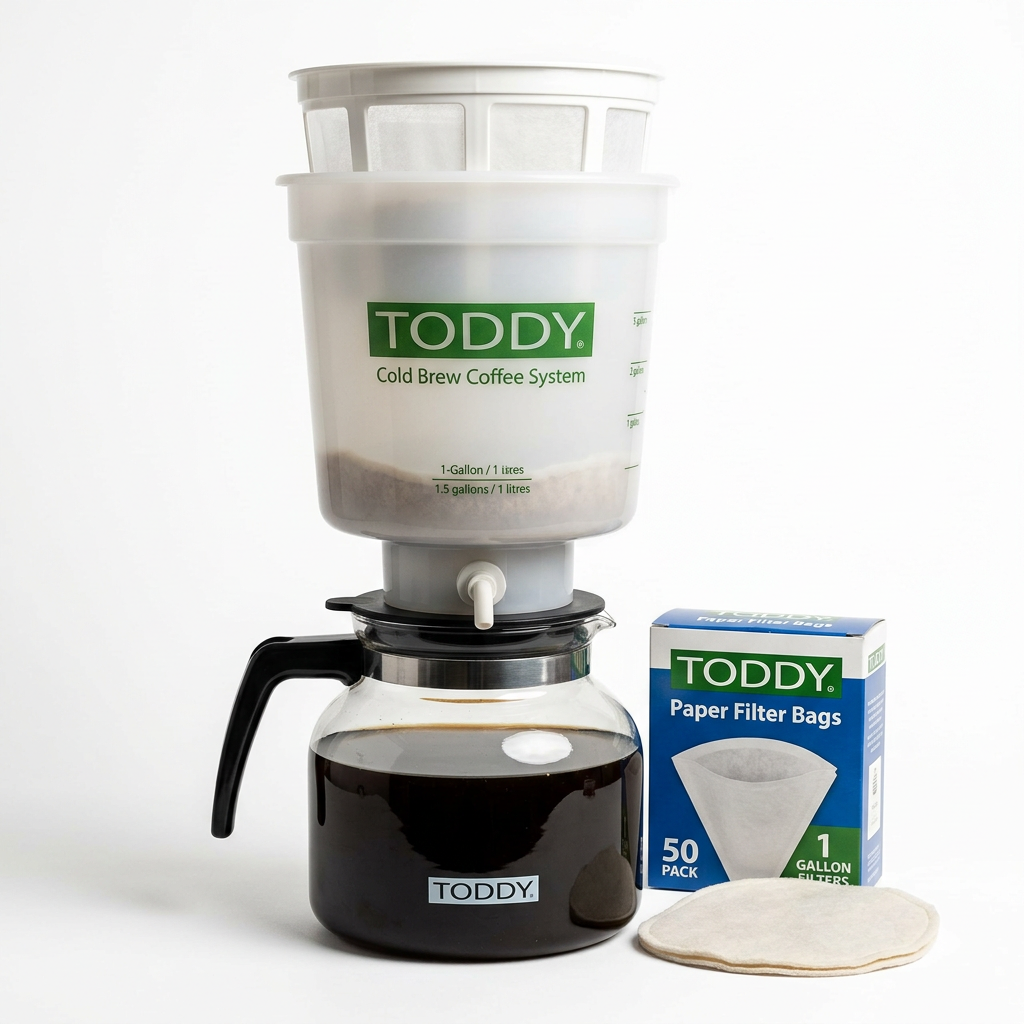
To make cold brew coffee at home, you will need:
Steps to Brew Cold Brew:
“Cold brew coffee offers a low-acid experience that can be enjoyed at any time of the day, providing a refreshing alternative to traditional brews.”
Flavor Profile
Cold brew tends to have a sweeter, more rounded flavor profile with chocolaty or nutty notes. This is often due to the lower acidity and different extraction process involved. Since cold brewing doesn’t extract certain bitter compounds that hot brewing does, the result is a rich beverage that can be sipped slowly or served over ice on a hot day.
Expert Tips
Pour Over Coffee
Introduction to Pour Over
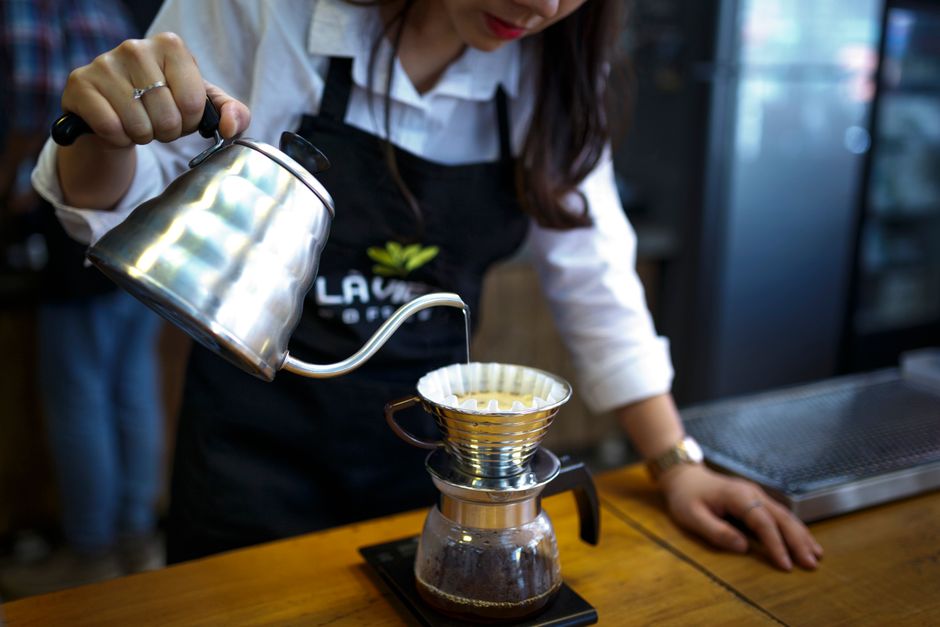
Pour over coffee is a method that allows for more control over the brewing process and is often celebrated for producing a clean, complex cup. Unlike cold brew, pour over utilizes hot water to extract flavors quickly through a precise technique of water pouring in phases. This method gives the barista or home brewer a unique opportunity to manipulate variables and highlight different flavor notes in the coffee beans.
Essential Equipment
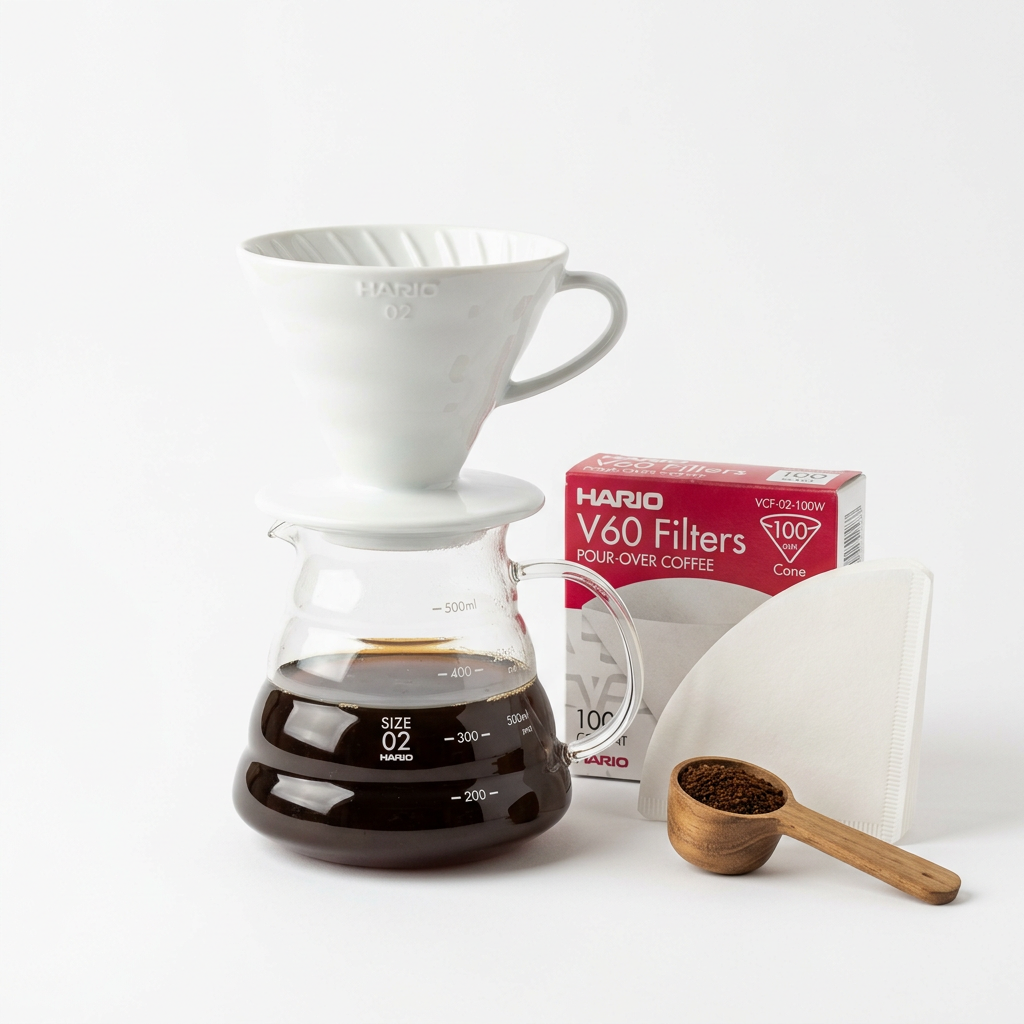
To brew the perfect pour over coffee, you will need:
Brewing Steps
Here’s a simple guide to making pour over coffee:
“Pour over coffee allows for precision and creativity; it’s a rewarding method for those looking to experiment with taste.”
Flavor Notes
The pour over brewing method enhances various aspects of the coffee’s character, highlighting acidity, sweetness, and intricate floral or fruity notes. Because of the precise control over brewing time and water distribution, you can achieve a delightful balance in flavor.
Pro Tips
Coffee Bean Selection
Choosing Quality Coffee Beans
The foundation of any great coffee starts with the beans themselves. Depending on your brewing method, the selection of coffee beans can significantly impact flavor. Whether you prefer light, medium, or dark roasts, here are some aspects to consider:
- Ethiopian coffees often deliver fruity and floral notes.
- Colombian beans are recognized for their balanced acidity and rich flavors.
- Sumatra beans tend to be earthy and full-bodied.
Storage Tips
Pairing Coffee with Food
Finding Harmony
Like wine, coffee can pair beautifully with food. Understanding how flavors complement each other can elevate both your coffee and dining experiences.
Here are some classic pairings to consider:
Flavor Profiles and Food Pairing
Understanding coffee's flavor components can help you select food that enhances your brew:
Coffee Culture Around the World
A Global Perspective
Coffee has evolved from its humble beginnings into a global phenomenon rich in history and tradition. Every culture has its unique approach to coffee, each steeped in customs that highlight the importance of this beloved beverage.
Some notable coffee cultures include:
Embracing Local Styles
As a home cook, embracing global coffee practices can greatly expand your palate. Try exploring:
By learning different brewing methods and cultural traditions, you can develop your approach and style.
Conclusion
Through our exploration of Cold Brew, Pour Over, and the intricate art and science behind coffee, it’s clear that brewing is not merely a practical routine, but an engaging process that combines precision, creativity, and culture. Mastering these techniques opens the door to creating delightful coffee experiences, and as you experiment, you’ll find flavors and methods that resonate with your personal taste.
The beauty of coffee is that it is deeply personal and universally shared, inspiring discussions, creativity, and simply a moment of calm in our busy lives. With detailed attention to the variables of water temperature, grind size, and extraction time, you can elevate your skills and brew exceptional coffee at home.
As you embark on your coffee journey, remember: whether sipping on a cold brew in the warm summer sun or relishing the rich nuances of a pour-over on a crisp fall morning, coffee is best enjoyed mindfully. Keep exploring, learning, tasting, and appreciate every drop. The world of coffee is vast, and with every cup, there’s an opportunity for discovery.
In the end, every cup invites you to take a pause, appreciate the craftsmanship, and revel in the flavors that have crossed continents and cultures. Cheers to your coffee journey!
---
Word Count: 2,143 words.
Get the Next Recipe
Weekly recipes, techniques, and gear picks — straight to your inbox.
