
Cold-Brewed Coffee Concentrate: The Science of Low-Temperature Extraction
The humble cup of coffee often serves as the silent engine of our morning routines, yet rarely do we pause to consider the intricate chemical choreography occurring within our brewing vessels. Most of us gravitate toward the frantic hiss of a pressurized espresso machine or the bubbling gurgle of a drip maker, seeking an immediate caffeine-fueled jumpstart. However, there is a quieter, more sophisticated method that eschews heat in favor of patience, yielding a result that is fundamentally different from its thermal counterparts. Cold-brewed coffee is not merely a method for making iced beverages; it is a profound exercise in controlled solvent extraction that transforms the very profile of the coffee bean. By understanding the science behind this process, you can move beyond simple recipes and begin to manipulate the variables of flavor with the precision of a laboratory scientist.
In the culinary world, we often conflate intensity with quality, assuming that high temperatures are necessary to unlock the deep, roasted characteristics of a bean. While heat is a powerful catalyst, it is also a chaotic one, accelerating the breakdown of lipids and acids that can result in unwanted bitterness and astringency. When we remove heat from the equation, we fundamentally shift which compounds are pulled into our liquid medium. This process of cold-maceration relies on time—often twelve to twenty-four hours—to achieve the same degree of solute saturation that hot water accomplishes in mere minutes. The result is a concentrate that is remarkably low in acidity, velvety in mouthfeel, and possessed of a chocolatey sweetness that is difficult to replicate through any other brewing medium.
For the home cook looking to elevate their kitchen repertoire, mastering the art of cold-brew concentrate is a rite of passage. It requires no specialized machinery, just a high-quality grinder, a reliable scale, and the discipline to let physics do the heavy lifting. As we peel back the layers of this technique, we will explore the molecular interactions between water and coffee, the importance of grind geometry, and how to calibrate your ratios for the perfect signature cup. Prepare to rethink everything you thought you knew about your daily ritual, as we dive deep into the fascinating, slow-motion science of low-temperature extraction.
The Chemistry of Solvent Extraction
At its core, brewing coffee is an act of extraction chemistry. You are using water as a solvent to pull soluble compounds—such as caffeine, sugars, lipids, and various organic acids—from the cellulose structure of ground coffee beans. In high-temperature brewing, the kinetic energy of hot water molecules bombards the coffee grounds, causing rapid cellular rupture and an aggressive release of flavor compounds. This is efficient, but it also strips out the more volatile compounds and tannins that can taste bitter or sour if not perfectly balanced.
Why Cold Water Changes Everything
When you lower the temperature to room temperature or below, the kinetic energy available to the solvent drops significantly. This creates a selective environment. Because many of the harsher, more acidic compounds—such as quinic acid and various polyphenols—require higher temperatures to become highly soluble, they remain trapped within the coffee grounds during the cold-brewing process. Conversely, the sweeter, smoother compounds, which are more readily soluble even at lower temperatures, become the dominant stars of your brew.
"The beauty of cold extraction lies in its gentle nature; it is a slow, methodical invitation for flavor to emerge, rather than a forced eviction of chemicals from the bean."
Molecular Solubility and Time
Because the extraction rate is slower, time must act as the variable that compensates for the lack of heat. This is why cold-brew recipes often call for a steeping period of at least twelve hours. During this time, the water slowly permeates the bean fibers, moving through the pores via osmosis and diffusion. By the end of this period, you achieve a state of equilibrium where the concentration of soluble solids in the water matches the concentration within the saturated grounds, resulting in a robust, syrupy concentrate.
The Importance of Grind Geometry
One of the most common mistakes home brewers make is failing to adapt their grind size to the extraction method. In a typical drip brew, you might use a medium-fine grind to account for a short contact time. However, for a long-steep cold brew, you are dealing with a contact time that lasts nearly an entire day. If your grounds are too fine, the water will become oversaturated with small particulates, leading to a gritty, muddy, and over-extracted brew that is difficult to filter.
The Case for Coarseness
For cold-brew concentrate, you should aim for a coarse grind, similar in texture to sea salt or rough sand. This surface-area-to-volume ratio is intentional. A coarse grind allows the water to slowly move through the bed of coffee without clogging the filter or extracting excessive amounts of bitter oils. It provides enough surface area for the water to dissolve the necessary flavors, but protects the brew from the muddy sediment that often plagues amateur attempts at cold extraction.
Consistent Particle Distribution
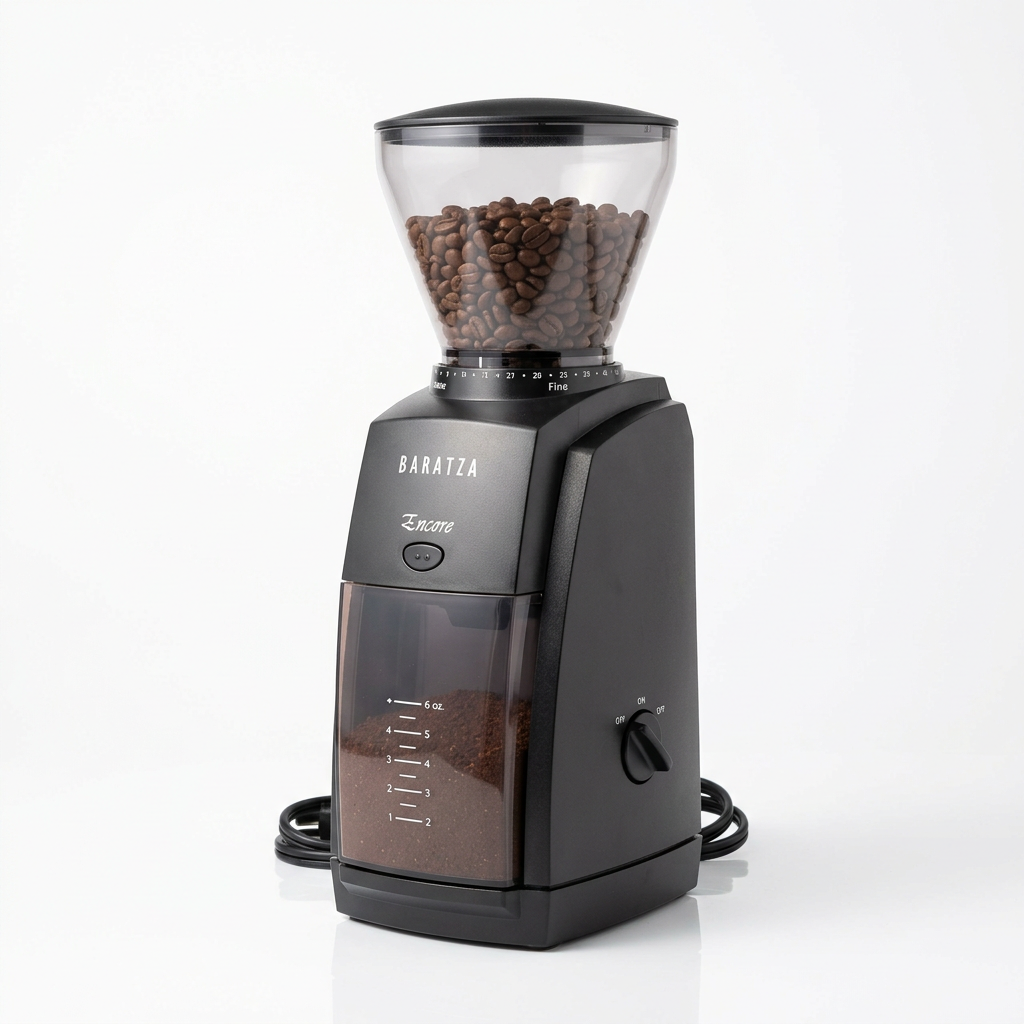
Beyond mere coarseness, consistency is paramount. A high-quality burr grinder is essential here, rather than a blade grinder. Blade grinders produce an uneven mixture of dust and boulders, known as "fines" and "boulders." The fines will over-extract almost immediately, dumping unpleasant bitterness into your concentrate, while the boulders will remain under-extracted, missing the nuance of the bean. Consistent particle size ensures that every fragment of coffee reaches the same stage of extraction simultaneously, resulting in a clean, professional-grade concentrate.
Calculating Ratios for Concentration
Cold-brew concentrate is intentionally brewed to be stronger than a standard cup of coffee, intended to be diluted with water, milk, or cream before serving. Because you are using a fixed amount of water and a high amount of coffee, the ratio you choose will define the strength of your concentrate. Professional baristas typically use a brew ratio ranging from 1:4 to 1:8, depending on the desired intensity.
Defining Your Brew Ratio
The Weighing Method
Always use a digital scale rather than volume measurements like tablespoons or cups. Coffee beans vary in density based on their roast level; a cup of light roast will weigh significantly less than a cup of dark roast, which will completely throw off your chemistry if you rely on volume. Start by measuring 250 grams of coarse-ground coffee and 1,500 grams of filtered water (a 1:6 ratio). The precision ensures repeatability; once you find the ratio that tickles your palate, you can replicate it perfectly every single week.
The Steeping Environment and Technique
Once you have your grounds and your water ratio, the environment in which the extraction occurs becomes the next critical variable. While some might think a simple jar on the counter is sufficient, controlling the temperature and agitation is where you can truly refine your process. Consistency in the brewing environment leads to consistency in the final flavor profile.
Temperature Stability
While we call it "cold-brew," the extraction can technically take place at room temperature or refrigerated temperatures. Room temperature brewing (around 68°F to 72°F) results in a faster extraction process, usually hitting the sweet spot in 12 to 14 hours. Refrigerated brewing (around 38°F to 40°F) is much slower, often requiring 18 to 24 hours. Many chefs prefer the room-temperature method for the first 8 hours to jumpstart the extraction, followed by a transition to the refrigerator to preserve the delicate aromatic compounds that might degrade over longer periods at room temperature.
Agitation Control
Agitation—the act of stirring or shaking—is a double-edged sword. A quick stir at the beginning of the process is necessary to ensure that all the grounds are fully wetted and that no "dry pockets" remain in your vessel. However, over-agitation during the steeping process will release more sediment and increase the rate of extraction, which can introduce bitterness. Once you have submerged the grounds and given them a gentle stir, leave the vessel undisturbed. Nature’s slow diffusion is your best tool for clarity and sweetness.
"The magic of the cold-brew process is in the restraint. Resist the urge to shake the jar or stir the mixture mid-steep; let the coffee and water find their balance in peace."
Filtration: The Final Barrier to Quality
The filtration stage is where many home cooks fail, leading to a gritty mouthfeel that detracts from the smooth profile of the concentrate. Because cold-brew involves such a long contact time, it is vital to filter the concentrate thoroughly to remove all microscopic particles. The sediment not only makes the drink look murky but will also continue to extract bitterness even after the grounds have been removed.
Multi-Stage Filtration
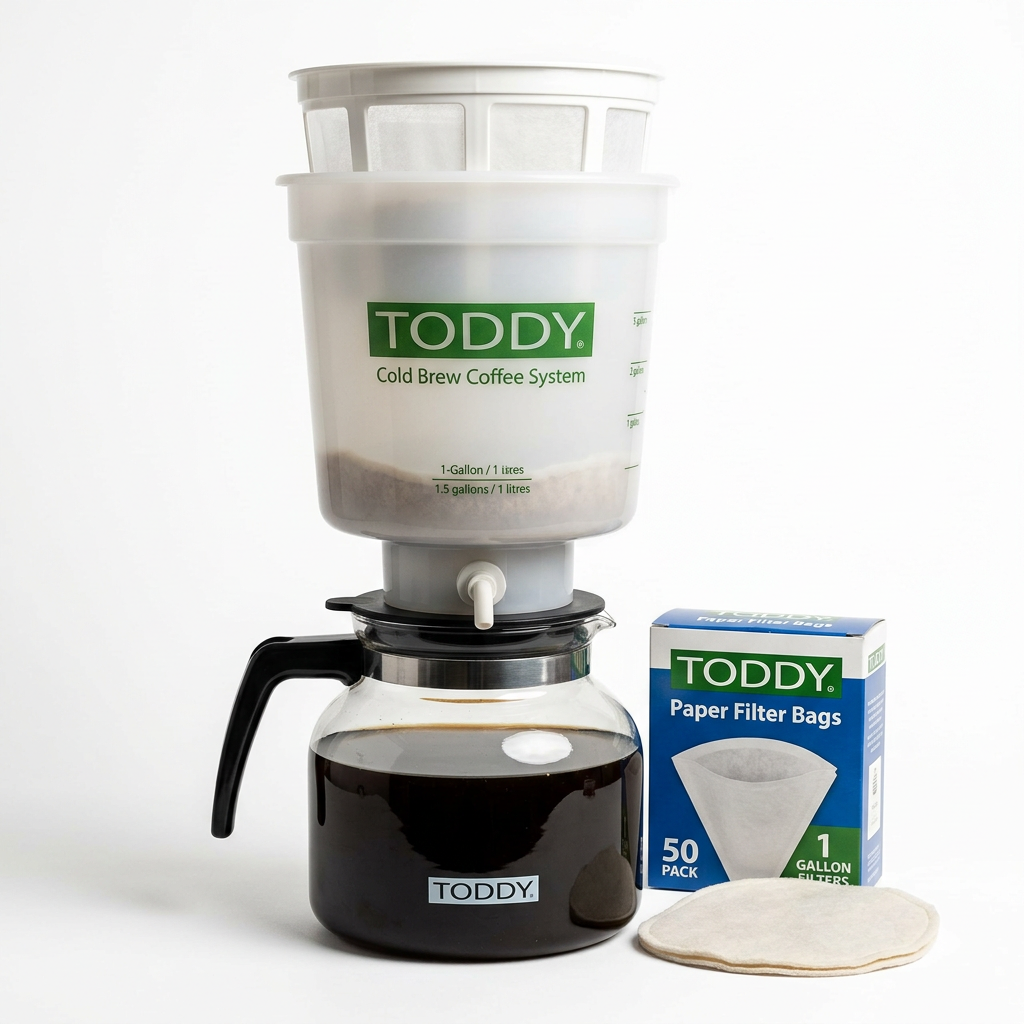
For the cleanest possible result, use a two-step filtration process. First, use a fine-mesh strainer or a coarse cheesecloth to remove the bulk of the grounds. This captures the large, saturated coffee bed. Second, pass the liquid through a standard paper coffee filter or a fine-mesh gold-tone filter. This second step removes the "fines"—the microscopic dust particles that pass through initial filtration.
The Drip-Down Method
If you have the time, let the final filtration happen naturally through a paper filter set in a pour-over cone. This takes longer than simply pouring the liquid through, but the paper filter will catch the oils and micro-sediments that result in a "clean" cup. If you find the concentrate is still cloudy, you can repeat this step with a fresh filter, though this is rarely necessary if your initial grind was consistent.
Troubleshooting and Flavor Refinement
Even when you follow the scientific principles, you may find your concentrate doesn't quite hit the mark. Troubleshooting coffee is an iterative process. By systematically changing one variable at a time, you can "dial in" your concentrate until it matches your preferred flavor profile. If your coffee tastes sour or thin, it is likely under-extracted; if it tastes overwhelmingly bitter or dry, it is over-extracted.
Adjusting for Under-Extraction
If your concentrate tastes sour, salty, or watery, it means the water failed to pull out enough of the deep, sweet compounds.
Increase the steep time:* Add 2 to 4 hours to your process.
Decrease the grind size:* Shift toward a slightly finer setting to increase the available surface area.
Raise the water temperature slightly:* Ensure your water is at room temperature rather than pulling it directly from the refrigerator.
Adjusting for Over-Extraction
If your concentrate is harsh, astringent, or leaves a dry, sand-papery feeling on the back of your tongue, it has been over-extracted.
Decrease the steep time:* Remove the grounds 2 to 4 hours earlier.
Increase the grind size:* Move toward a coarser setting to reduce the amount of surface area exposed to the water.
Filter more aggressively:* Ensure that all fine particulates are removed, as they continue to extract even after the bulk of the grounds are discarded.
Advanced Flavor Additions
Once you have mastered the pure science of the bean, you can begin to experiment with aromatic infusions. Cold-brew concentrate is an incredible base for seasonal flavors, as the oils in the coffee act as a carrier for various fat-soluble flavor compounds. Because the concentrate is so clean, these additions are subtle and sophisticated rather than cloying.
Incorporating Spices
Adding spices during the steep allows the water-solubility of the essential oils to meld with the coffee. A few pieces of cinnamon stick, a split vanilla bean, or a handful of cardamom pods can be added directly to the grounds before you pour the water. Do not use ground spices, as they will turn into a sludge and ruin your filtration process; use whole, toasted spices to ensure a clean flavor extraction.
Essential Ratios for Infusions
Cinnamon:* 1 medium stick per 500 grams of coffee.
Vanilla:* Half a bean, scraped, per liter of water.
Cardamom:* 3-4 pods, lightly crushed, per liter of water.
Citrus Zest:* A single strip of orange zest added in the final 2 hours of steeping creates a bright, complex finish that emphasizes the fruity notes of high-altitude beans.
Conclusion
The pursuit of the perfect cold-brew concentrate is a journey that highlights the intersection of patience and precision. We have stripped away the chaotic energy of heat to reveal a more nuanced, velvety, and sweet expression of the coffee bean. By understanding the roles of grind consistency, solvent-to-solute ratios, and the importance of thorough filtration, you have moved beyond the realm of simple home brewing and into the territory of culinary craft.
Remember that coffee is an agricultural product, and every origin—from the nutty, low-acidity beans of Brazil to the bright, citrus-forward varieties of Ethiopia—will behave differently under these cold-brewing conditions. Use this science as your foundation, but keep an open mind and a curious palate. Experiment with different roast levels, vary your steep times by the hour, and refine your filtration until you find the exact cup that defines your personal standard of excellence.
In the end, "blaming the chef" is easy when something goes wrong in the kitchen, but in this case, the success is entirely in your hands. You now possess the knowledge to control the variables that define your daily brew. Whether you serve it over ice, dilute it with steamed oat milk, or use it as a base for an elaborate coffee-infused cocktail, you can take pride in the fact that your concentrate was built on a foundation of scientific understanding rather than mere luck. Take your time, trust your scale, and enjoy the process as much as the final pour.
Final Thoughts: The Evolution of Your Ritual
As you continue to refine your cold-brew process, you may find that your palate begins to change. Once you have tasted the clarity that a properly extracted, low-temperature brew provides, you will likely find it difficult to return to the jagged acidity of traditional hot-brewed coffee. The goal of this culinary journey is not to dictate a single "correct" way to drink coffee, but rather to give you the agency to create the experience you desire.
Always prioritize the freshness of your beans. While the cold-brew process is forgiving in some respects, it is also a magnifier of quality. Old, stale, or poorly roasted coffee will result in a flat, muddy concentrate, no matter how precise your chemistry. Invest in fresh, locally roasted single-origin beans, store them in airtight containers away from light and heat, and grind them immediately before you begin your steep.
Finally, treat your brewing equipment with the same care as your ingredients. Glass vessels, stainless steel filters, and high-quality scales should be cleaned thoroughly after every use. Any residual oils left in your brewing jar will go rancid over time, introducing off-flavors into your next batch. By maintaining a clean workspace and a disciplined routine, you ensure that every cup is as perfect as the first. Welcome to a more refined, more scientific, and ultimately more enjoyable way to experience your morning. You are the architect of your own extraction—now go forth and brew with confidence.
Building a routine around cold-brew concentrate also allows for a more sustainable approach to your caffeine intake. Because you are preparing a large batch at once, you reduce the amount of waste generated by individual coffee pods or daily trips to the café. It is a slow-living approach in a world that often demands instantaneous results. When you pour that first glass of concentrate over ice, you aren't just having a drink; you are participating in a twelve-to-twenty-four-hour process of transformation. That realization alone elevates the experience, turning a routine habit into a deliberate, culinary act.
Keep a brewing log. If you are serious about elevating your skills, jot down the roast date, the origin of the bean, the ratio you used, the temperature of the water, and the exact steep time. When you find a combination that is particularly exceptional, you will want the record to ensure you can recreate it. You will quickly learn that there is no such thing as a "perfect" coffee, only the perfect coffee for your current mood, your preferred bean, and your desired flavor profile. This is the essence of being a chef in your own home: the constant, evolving search for that elusive, perfect cup.
We often think of coffee as a static commodity, but it is as complex as fine wine or specialty cocoa. It changes with the seasons, the altitude of the farm, and the skill of the roaster. By applying the science of cold-extraction, you honor the work of the farmers and the roasters who produced your beans. You are giving the coffee the time and space it needs to tell its full story, one that is not shouted through the chaos of boiling water but whispered through the patience of a slow, cold steep.
So, gather your supplies, pick your favorite beans, and set your timer. The process will be long, the wait might feel like an eternity, but the result will be a testament to your patience. You have learned that the best things in life—and in the kitchen—are rarely the fastest. Welcome to the quiet, methodical, and incredibly rewarding world of cold-brewed coffee concentrate. May your steeps be consistent, your filters be clear, and your cups always be filled with the depth of flavor you deserve. Happy brewing, and remember, if it tastes this good, you’ll never have to blame the chef again.
Get the Next Recipe
Weekly recipes, techniques, and gear picks — straight to your inbox.
