Cold-Smoking at Home: Building Deep Flavor Without Cooking the Food
There is a distinct, almost primal satisfaction that comes from mastering the art of the smoke. For many home cooks, smoking begins and ends with the backyard barbecue—a frenetic affair of managing fireboxes, babysitting internal temperatures, and racing against the sun to get a brisket pulled before the neighbors start asking for plates. However, there is a quieter, more sophisticated side to this craft that relies not on the intense heat of a roaring flame, but on the gentle, transformative power of the cold-smoke. When you remove the heat from the equation, you open up a world of culinary possibilities that extend far beyond your typical weekend ribs. From delicate cheeses and silky butter to raw proteins that retain their structural integrity, cold-smoking is the secret weapon of the professional kitchen, and it is time you brought it into your own.
To understand cold-smoking, one must first appreciate the delicate balance of dehydration and infusion. Unlike hot-smoking, which serves the dual purpose of cooking meat while adding flavor, cold-smoking is purely about the application of wood-derived phenols and compounds to a raw or cured product. The goal is to keep the ambient temperature within your smoking chamber strictly below 90°F (32°C), ideally hovering in the 60°F to 80°F range, to prevent the fat from rendering out or the proteins from coagulating. This requires a shift in mindset: you are not cooking the food, you are layering it with an invisible, aromatic blanket of flavor that will persist long after the smoker is extinguished. It requires patience, precision, and an unwavering commitment to the cold.
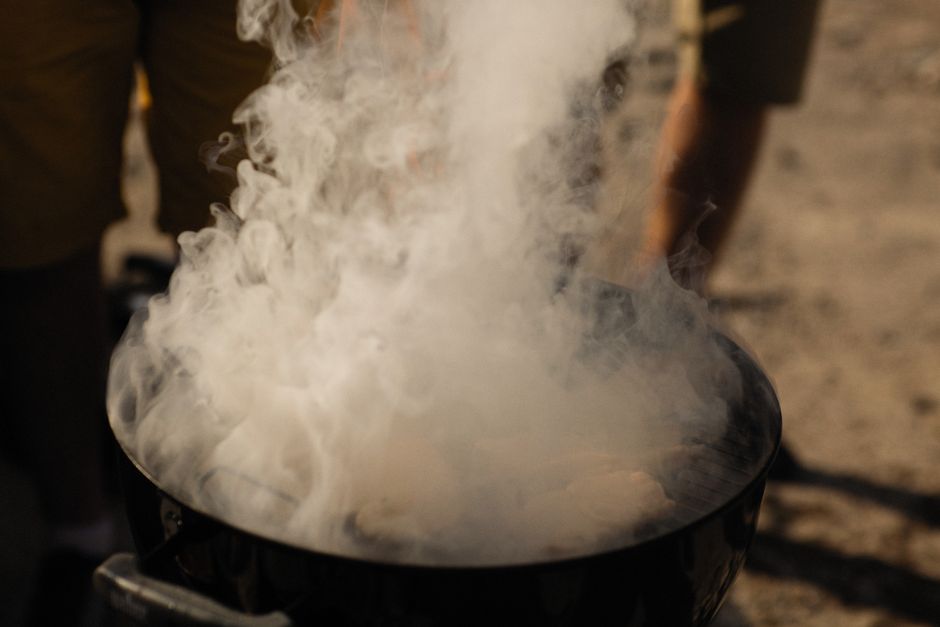
As you embark on this journey, it is vital to remember that the quality of your smoke is directly proportional to the quality of your wood and the control of your airflow. We aren't looking for the thick, billowing, acrid grey clouds that ruin perfectly good ingredients; we are searching for a "thin blue smoke"—a wispy, translucent vapor that carries the true essence of hickory, apple, or cherry wood. By mastering the environmental variables, you will transform everyday pantry staples into gourmet ingredients that carry the signature of a seasoned pro. Whether you are a novice looking to impress at your next dinner party or a seasoned pitmaster seeking to refine your technique, the art of cold-smoking will undoubtedly redefine your relationship with the ingredients you keep in your kitchen.
The Science and Safety of Cold-Smoking
At its core, cold-smoking is a process of preservation and flavor enhancement that has been utilized for centuries. Because you are not reaching the high temperatures required to kill bacteria—typically above 140°F—the risks of food-borne illness are inherently higher. This is why you must prioritize food safety through proper preparation. Before a piece of salmon or a block of cheddar ever touches the smoke, it must be properly cured or dried to create a hostile environment for unwanted microorganisms.
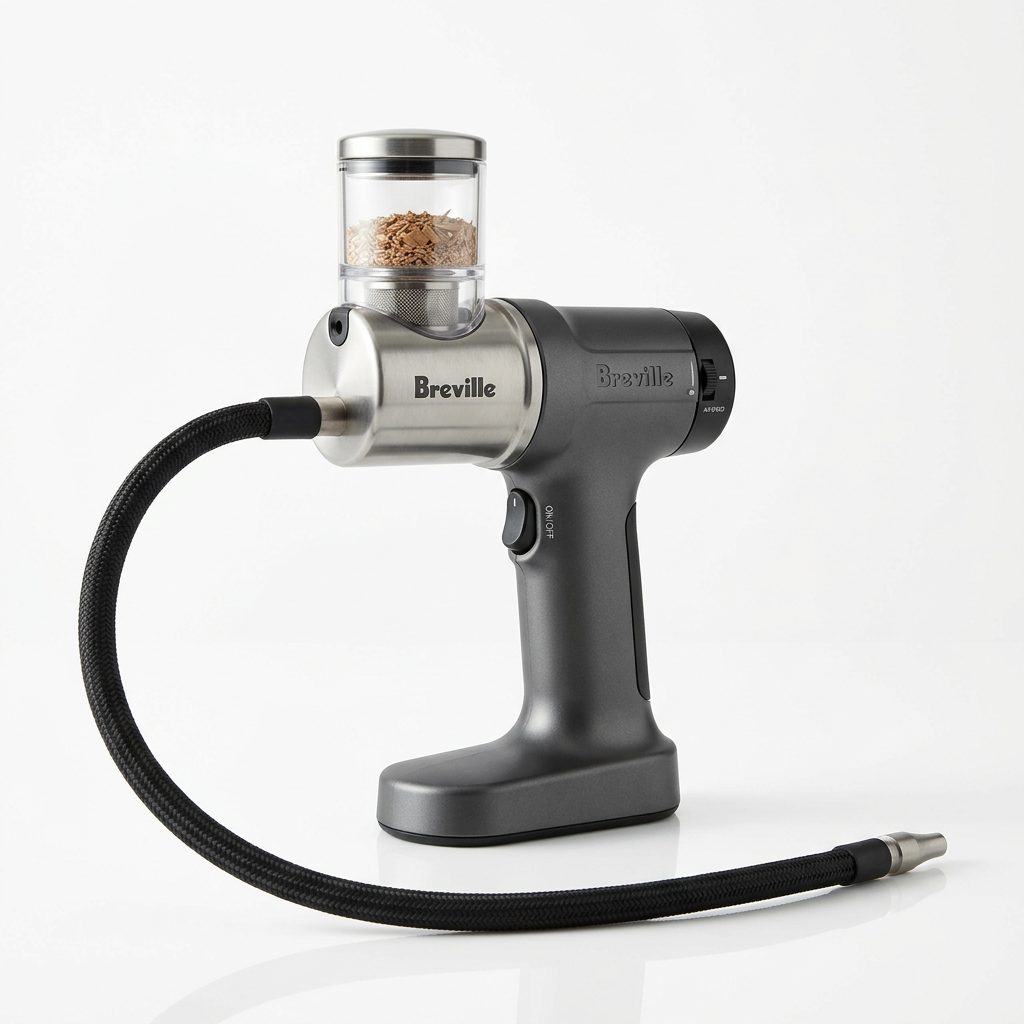
Temperature control is your primary defense. If your chamber exceeds 90°F, you risk entering the "danger zone" where bacterial growth accelerates. Most home smokers, particularly offset models, struggle to keep the heat down because the firebox is connected to the chamber. To mitigate this, many chefs utilize a smoke tube or a cold-smoke generator—a small, perforated metal device that burns wood pellets slowly and independently of the main firebox. This allows the smoke to travel through a long duct, cooling significantly before it reaches the food.
The Importance of Curing
Before you smoke raw protein, curing is non-negotiable. Using a precise ratio of salt, sugar, and optional curing agents like Prague Powder #1 ensures that moisture is drawn out of the food. A dry surface, known as a pellicle, is essential for the smoke to adhere correctly. Without this tacky, protein-rich layer, the smoke will simply pass over the surface, leaving you with an uneven, bitter flavor profile that lacks depth.
"Cold-smoking is not merely a cooking method; it is an act of patience. It is the culinary equivalent of a slow-release fragrance, where the smoke is invited into the fibers of the food, never forced, but gently integrated over several hours."
Mastering the Equipment: From Tube to Chamber
You do not need an industrial-grade smokehouse to achieve professional results at home. Many home cooks find success by repurposing a gas grill or even a cardboard box setup, provided they can control the airflow and the heat source. The key is to keep the smoke source external and the airflow steady. Ventilation is critical; if smoke stagnates, it turns heavy and acidic, which will leave a metallic, off-putting aftertaste on your food.
If you are using a standard charcoal kettle grill, the "snake method" with a cold-smoke attachment is often effective. However, the most consistent results come from dedicated equipment that allows for a steady stream of wood dust or pellets. Apple and cherry woods are excellent starting points for beginners because of their mild, fruity profiles, whereas hickory and oak should be reserved for heartier, more assertive ingredients like hard cheeses or heavy-duty curing projects.
Essential Tools for the Cold-Smoker
The Art of Smoking Cheese: A Beginner’s Masterclass
Cheese is perhaps the most rewarding project for the aspiring cold-smoker. Because it requires no curing and is ready to eat almost immediately (though resting is encouraged), it provides instant feedback on your technique. When cold-smoking cheese, the most important factor is the ambient temperature. If it is too warm, your block of sharp cheddar will turn into a puddle of goo. Perform these sessions in the early morning or late evening, or even inside a refrigerator box if the weather is hot.
Always choose high-quality, hard or semi-hard cheeses like Gouda, sharp cheddar, or Manchego. Soft cheeses like Brie or goat cheese are difficult to manage because they absorb smoke very aggressively and can become overwhelming. Cut your cheese into manageable blocks, usually 4 to 6 ounces each, to ensure the smoke penetrates uniformly. A light smoke for 2 to 3 hours is usually plenty.
The Resting Phase
Do not consume your cheese immediately after removing it from the smoker. The smoke profile will be harsh and "ashy" initially. Wrap the cheese tightly in parchment paper and then plastic wrap, placing it in the refrigerator for at least 24 to 48 hours. This allows the smoke compounds to mellow and distribute evenly throughout the paste of the cheese, resulting in a smooth, professional flavor that rivals store-bought smoked varieties.
Elevating Raw Proteins: Salmon and Beyond
Cold-smoked salmon is the gold standard of the technique. Unlike the hot-smoked or "kippered" versions you find in the grocery store, cold-smoked salmon retains a raw, silky texture that is perfect for bagels, salads, or thinly sliced appetizers. The process requires a dedicated curing stage of at least 12 to 24 hours in a mixture of salt, sugar, dill, and black pepper.
Once cured, you must rinse the protein thoroughly and pat it dry with paper towels. Let it sit in the refrigerator on a rack for another 12 hours until the surface feels tacky—the pellicle. Once the surface is ready, set your smoker to 70°F. Smoke the fish for 6 to 12 hours, depending on the thickness of the fillet and your personal preference for intensity.
"The true test of a cold-smoked ingredient isn't how strong the smoke is, but how beautifully it complements the base flavor of the food. You want to enhance, not mask, the natural character of your ingredients."
Professional Tips for Fish
Keep it Cold:* Place a tray of ice inside the smoker, near the food, to ensure the internal temp never spikes.
The Slicing Technique:* Always chill the salmon thoroughly before attempting to slice it. Use a razor-sharp, thin-bladed slicing knife to achieve those translucent, deli-thin ribbons.
Rotation:* If your smoker has hotspots, rotate the racks every two hours to ensure the smoke reaches all sides of the salmon evenly.
The Secret World of Smoked Pantry Staples
Once you have mastered fish and cheese, you will start looking at your entire pantry as potential fodder for the smoker. Cold-smoking ingredients like sea salt, peppercorns, butter, and olive oil can elevate your everyday cooking to a restaurant-quality experience. These items don't require the strict temperature oversight that proteins do, making them low-stress projects for a rainy afternoon.
Smoked butter is a game-changer. Take a stick of high-quality, unsalted European-style butter, slice it into medallions, and place them on a parchment-lined tray. Smoke for 45 minutes to an hour. Afterward, you can whip the butter back into a log or keep it as is. Spread a bit on a hot steak or stir it into a pan of sautéed mushrooms, and you will immediately understand why this technique is a favorite among top-tier chefs.
Creative Ideas for the Home Cook
Smoked Sea Salt:* Place coarse salt on a baking sheet and smoke for 4 hours. Use this as a finishing salt for steaks or chocolate desserts.
Smoked Nuts:* Smoke almonds or pecans, then toss them with a little maple syrup and cayenne pepper for a snack that is addictive and complex.
Smoked Garlic:* Place whole, unpeeled heads of garlic in the smoker for 2 hours. The smoke will permeate the peel, adding a deep, wood-fired flavor to the cloves when roasted later.
Troubleshooting the "Too Much Smoke" Syndrome
One of the most common mistakes in cold-smoking is over-exposure. It is a misconception that "more smoke equals better flavor." In reality, too much smoke results in food that tastes like an ashtray—bitter, acrid, and completely lacking in the subtle nuances you worked so hard to achieve. If you find your food is consistently bitter, you are likely dealing with "stale" smoke, which occurs when the airflow is restricted and the smoke settles on the food for too long.
Always maintain a clean smoke. If you are using pellets or wood chips, ensure they are burning completely. A yellow, sputtering flame is a sign of incomplete combustion, which produces soot and bitter compounds. If the smoke appears dark, immediately check your vents. You want a constant, gentle flow of air that pulls the smoke through the chamber, past the food, and out the exhaust.
Signs You Have Over-Smoked
If you find yourself in this position, all is not lost. Often, letting the product sit vacuum-sealed in the refrigerator for an extra week can help the smoke compounds distribute and mellow out. However, learn from the experience: dial back the smoke time by 30% on your next attempt.
Advanced Techniques: The Science of Smoke Density
As you advance, you may want to experiment with different wood species and even "infusion" techniques. Some chefs mix herbs like rosemary or thyme into their wood chips to add an extra layer of aromatics to the smoke. The oils in these dried herbs release into the smoke, creating a complex, forest-like flavor profile that works beautifully with game meats like venison or duck breast.
Remember, wood choice matters significantly. Alder wood is the classic choice for salmon because it provides a very mild, sweet smoke that doesn't overpower the delicate fish. Mesquite is intense and aggressive—use it sparingly, and only for very short bursts of time on robust proteins. If you are ever unsure, start with a blend of fruit woods. They are forgiving, accessible, and generally preferred for most home projects.
Wood Selection Guide
Fruit woods (Apple, Cherry, Peach):* Mild, slightly sweet, perfect for cheese, fish, and poultry.
Hardwoods (Oak, Hickory, Pecan):* Stronger, savory, excellent for beef, pork, and nuts.
Niche Woods (Alder, Maple):* Very light, clean-burning, the gold standard for delicate seafood.
Maintaining Your Equipment and Your Skills
The final piece of the puzzle is maintenance. A clean smoker produces a cleaner flavor. Over time, creosote—a sticky, black, tar-like residue—builds up on the walls of your smoking chamber. This residue is not only a fire hazard, but it also carries the bitter flavors of every single smoke session you have ever performed. Scrub your chamber after every 5 to 10 uses with a mild detergent and hot water to ensure your flavor profile remains pure.
Furthermore, keep a smoking log. Culinary excellence is rooted in iteration. Document the type of wood used, the ambient temperature outside, the duration of the smoke, and the final results. When you find that perfect combination for your signature smoked trout or your custom blend of smoked paprika, you will be able to replicate it with precision.
The Lifecycle of a Smoking Session
Conclusion
Cold-smoking is an exercise in culinary restraint. It invites us to slow down, to respect the chemistry of our ingredients, and to embrace the quiet alchemy of wood and time. By choosing to step away from the high-heat intensity of the grill and into the cool, controlled environment of the smoker, you are gaining access to a spectrum of flavor that simply cannot be replicated through other means. You are learning to build depth, to layer complexity, and to craft food that is distinctly your own.
Start with the simple projects—a block of cheddar or a tray of sea salt—and allow yourself the space to fail and to learn. The nuance of the craft lies in the details: the consistency of the airflow, the patience of the rest, and the intentionality of the wood choice. As you grow more comfortable with these variables, you will find that the boundary between "home cook" and "artisan" begins to blur. You are no longer just making dinner; you are preserving the very essence of flavor.
So, gather your wood, calibrate your sensors, and look toward the cold-smoking method as your next great culinary frontier. Whether you are creating a gift for a friend or elevating a simple breakfast, the knowledge you have acquired here serves as the foundation for a lifetime of flavorful experimentation. Never be afraid to adjust, to taste, and to refine your process. After all, the best smoke is the one that tastes like your own dedication and craft. Keep your temperatures low, your smoke thin, and your patience high. Your kitchen will thank you for it, and your guests will certainly be asking for the secret to your success. Welcome to the world of the cold-smoke; it is a beautiful, aromatic, and deeply rewarding place to be.



Get the Next Recipe
Weekly recipes, techniques, and gear picks — straight to your inbox.
