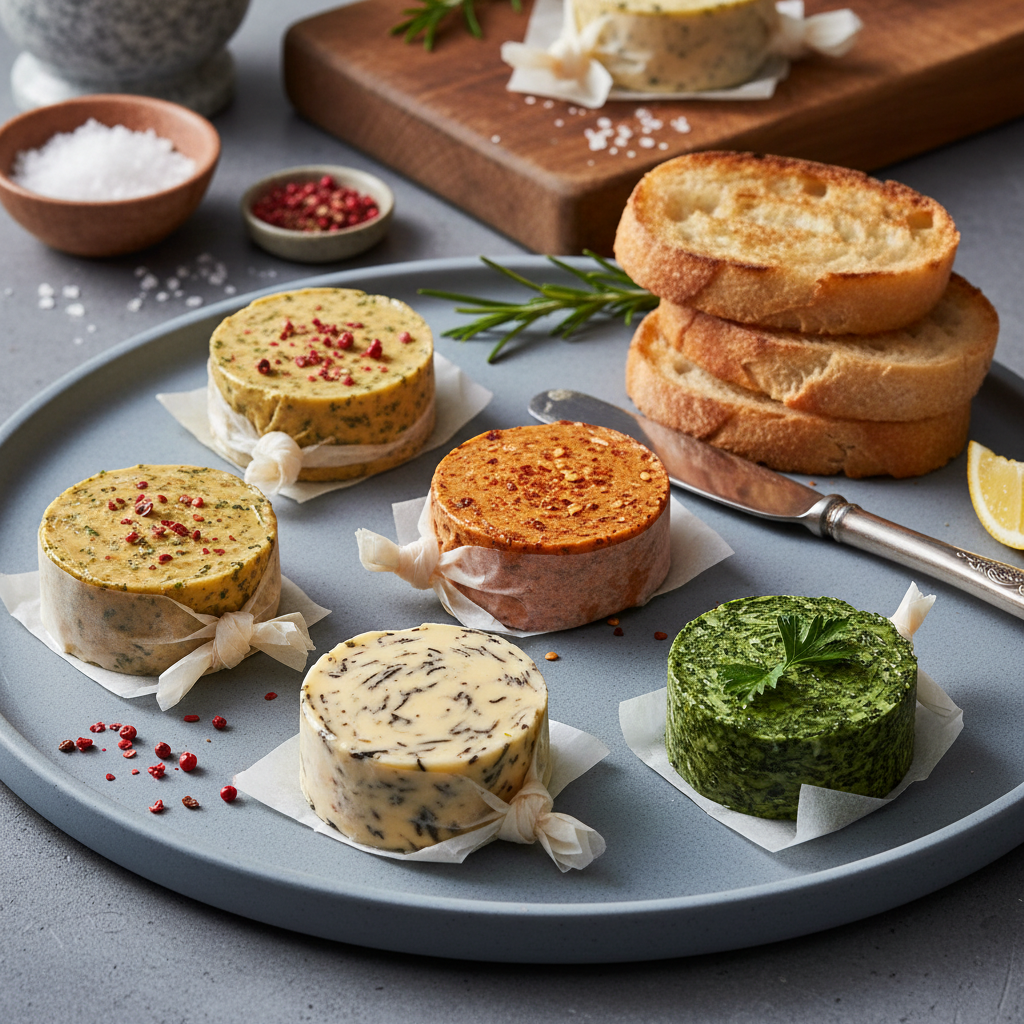
Compound Butters: Elegance in Every Pat
In the world of culinary arts, the pursuit of flavor and finesse often leads us down various tantalizing paths. One pathway that can elevate your dishes from mundane to magnificent is through the art of creating compound butters. By incorporating various flavors into butter, you can transform a simple pat into a burst of taste that can enhance everything from a casual dinner to an elegant feast. This versatile culinary technique allows for creativity, personalization, and the ability to impress your guests with minimal effort.
At its core, a compound butter is simply butter mixed with additional ingredients, ranging from herbs and spices to fruits and zests. What makes compound butter particularly appealing is its ease of preparation and the depth of flavor it can add to a wide variety of dishes. Whether it’s dolloping a rich herb butter onto freshly grilled steak or stirring a citrus-infused compound butter into freshly cooked pasta, the possibilities are as infinite as your imagination. Moreover, the beautiful aesthetics of a perfectly molded wheel of compound butter or a delicate pat atop a dish adds a touch of elegance that can elevate your presentation.
As you dive into the world of compound butters, you'll find not only a plethora of recipes but also a deeper understanding of how flavor combinations work together. This post will guide you through the process of creating your own compound butters, exploring various flavor profiles, and demonstrating how to incorporate them into your cooking seamlessly. With some simple techniques, you'll be able to impress yourself and your diners, transforming your culinary repertoire one delectable pat at a time.
What is Compound Butter?
To grasp the charm of compound butter, we first need to understand its fundamental concept. Essentially, compound butter is softened butter mixed with flavoring agents. It can be used as a finishing touch, a cooking medium, or a flavorful spread. The beauty of this preparation lies in its diversity; you can infinitely customize the flavor profile based on your needs or what you have on hand.
The Basics of Butter
Before delving into the specifics, let's talk about butter itself. Traditionally, butter is made by churning cream until the fat separates from the buttermilk. This process creates a smooth, creamy product that is rich in flavor and forms the base for many German, French, and Italian cuisines. The type of butter you choose can significantly impact the compound butter you create. Here are key types of butter to consider:
The Science Behind Flavored Butters
The science of blending flavors in compound butter revolves around the principle of food pairing. Ingredients that share flavor compounds, aromas, or complementary taste profiles tend to balance synergistically. For instance, the sweet nuttiness of brown butter pairs delightfully with herbs like thyme or sage, while citrus zests can brighten rich, fatty butters. Here’s why flavor balancing is crucial:
“The beauty of compound butter lies in its extraordinary versatility, turning simple meals into gourmet experiences with just a pat.”
Essential Tools for Making Compound Butters
Having the right tools makes the process of making compound butters efficient and enjoyable. A few essential items will streamline your work and ensure excellent results every time.
Must-Have Kitchen Tools
“To master the art of compound butter, equip yourself with the right tools, making the process smooth, efficient, and enjoyable.”
Creating Your Foundation: Basic Compound Butter Recipe
Let’s explore the fundamental process of creating a basic compound butter. This recipe serves as a jumping-off point for endless flavor possibilities.
Ingredients
Basic Method
- Herb Butter: 2 tablespoons of chopped fresh herbs (like parsley, chives, or dill) and 1 teaspoon of lemon zest.
- Garlic Butter: 3 minced garlic cloves and 1 teaspoon of chopped parsley.
- Sweet Butter: 1 tablespoon honey or maple syrup and optional spices like cinnamon or nutmeg.
This recipe provides a basic foundation that can be easily adapted by varying your choice of flavorings.
Flavor Variations and Combinations to Explore
Once you’re comfortable with the basics, it’s time to explore various flavors and combinations that can make your compound butters unique.
Herb and Garlic Butter
Herb and garlic butter is perhaps the most versatile compound butter you can make. This version enhances everything from meats to vegetables.
- 1 cup unsalted butter
- 4-5 garlic cloves, minced
- 3 tablespoons fresh parsley, chopped
- Salt and pepper to taste
1. Combine the softened butter with minced garlic and chopped parsley in a mixing bowl.
2. Add salt and pepper to taste, ensuring even distribution.
3. Shape, chill, and serve—it’s as simple as that.
Citrus and Dill Butter
Perfect for fish dishes, this bright and inviting butter pairs wonderfully with grilled or roasted seafood. It’s fresh and vibrant.
- 1 cup unsalted butter
- Zest and juice of 1 lemon or lime
- 2 tablespoons fresh dill, chopped
1. In a bowl, combine the softened butter with lemon or lime zest, a little juice to taste, and chopped dill.
2. Season lightly with salt, then shape, and chill as usual.
Spicy Chipotle Butter
For those who enjoy a kick, the spicy chipotle butter brings a smoky heat to meats and veggies.
- 1 cup unsalted butter
- 2 tablespoons chipotle in adobo sauce, minced
- 1 tablespoon lime juice
- 1 teaspoon smoked paprika
1. Blend the softened butter with the minced chipotle, lime juice, and smoked paprika.
2. Adjust salt to taste for a balanced flavor, then shape and chill.
Sweet Cinnamon Honey Butter
A perfect companion for biscuits or pancakes, sweet cinnamon honey butter adds a delightful twist to breakfast.
- 1 cup unsalted butter
- 1/3 cup honey
- 1 teaspoon ground cinnamon
1. In a bowl, mix softened butter with honey and cinnamon until well combined.
2. For added sweetness, taste and adjust the honey amount before shaping and chilling.
The Applications of Compound Butters in Cooking
Understanding how to incorporate compound butters into your cooking elevates their utility beyond simple spreads. Here are several ways you can use compound butters creatively in your kitchen.
At the Grill: Adding Flavor While Cooking
Using compound butter while grilling meats ensures a juicy, flavorful experience. When grilling steaks or chicken, baste the meat with compound butter just before removing it from the grill for a rich finish.
In the Oven: Elevating Breads and Vegetables
Compound butters can add moisture and flavor to baked items.
In Sauces and Dressings
Adding compound butter to your sauces can provide creamy richness and depth. For instance, a dollop of lemon-dill butter stirred into a simple pan sauce for fish creates a smooth, flavorful finishing touch.
On Top of Finished Dishes
Simply placing a pat of compound butter atop a finished dish can create an appealing presentation while providing a burst of flavor. It melts beautifully, creating an elegant sauce right before your eyes. Consider using this technique with:
Troubleshooting Guide: Common Mistakes and Solutions
Creating compound butters should be straightforward, but sometimes mistakes happen. Here’s a troubleshooting guide to help you correct common issues:
Common Mistakes
Helpful Tips for Success
Conclusion
Mastering the art of creating compound butters can significantly enhance your culinary skills and transform your home cooking experience. By understanding the fundamentals of butter, flavor combinations, and various applications, you can add layers of complexity and elegance to your meals. From simple weeknight dinners to lavish gatherings, the versatility of compound butter makes it an essential technique for any home cook looking to impress.
As you explore the depths of flavor that compound butters can provide, remember: the only limitation is your imagination. Whether you are launching your culinary journey or refining your skills, these buttery creations will invite appreciation and entice taste buds. The next time you're prepping a meal, think of compound butter as your secret weapon—an elegant touch that makes every bite memorable. With this knowledge and skill, you hold the key to blurring the lines between routine cooking and extraordinary culinary artistry. So grab your tools, gather your flavors, and start patting your way to greatness!


Get the Next Recipe
Weekly recipes, techniques, and gear picks — straight to your inbox.
