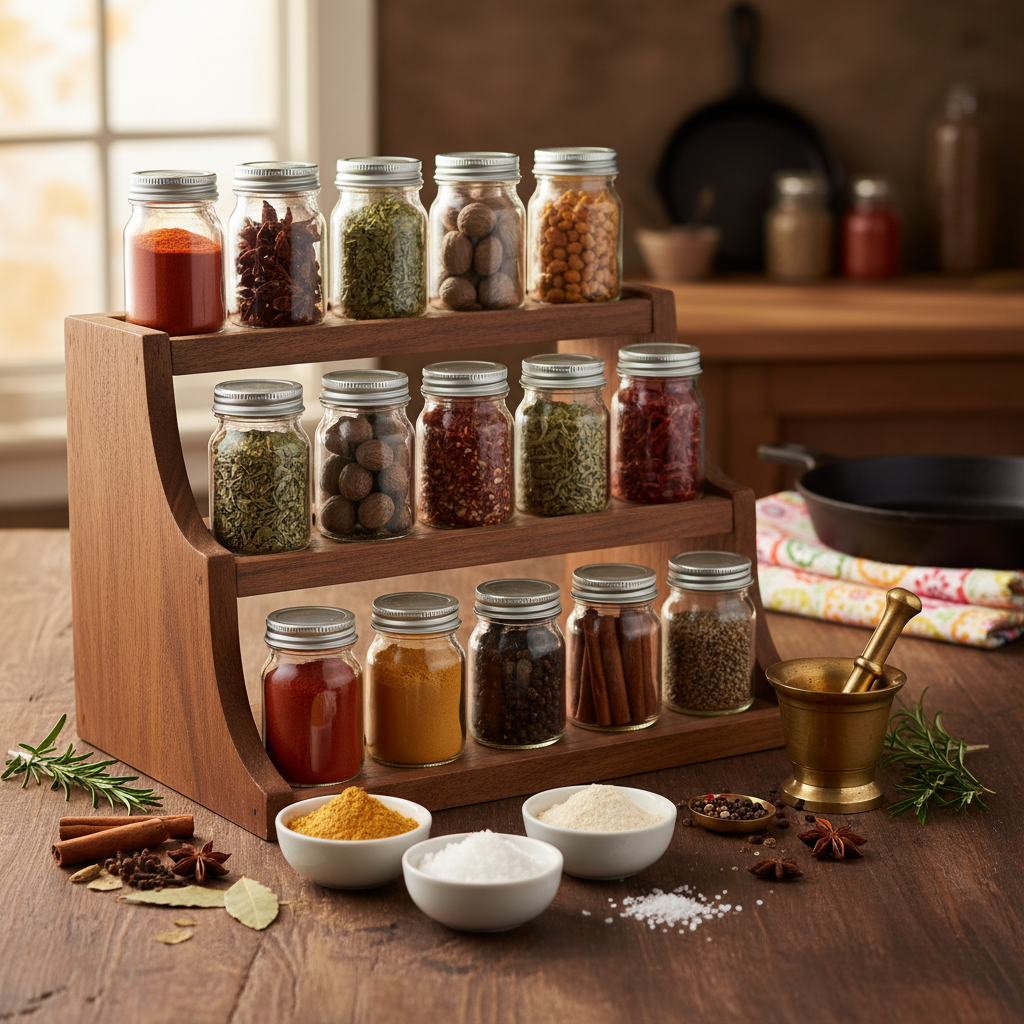
Cooking 101: The Essential Guide to Building Your First Spice Rack for Flavorful Dishes
Embarking on your culinary journey can be a thrilling adventure, especially when it comes to mastering the art of flavor. One of the most crucial aspects of cooking is understanding how to season your dishes to perfection, and that begins with the spice rack. As a foundational element in every kitchen, a well-stocked spice rack can elevate even the most basic ingredients into unforgettable meals. By knowing which spices to include and how to use them, you can transform your home cooking from mundane to magnificent, impressing family and friends alike.
In this comprehensive guide, we will dive deep into the essential spices that every home cook should have on hand and the techniques to use them effectively. From understanding the differences between whole spices and pre-ground ones to experimenting with spice blends, you'll learn how to unleash bold flavors in your dishes. Whether you're a novice in the kitchen or a seasoned foodie, this guide will equip you with the knowledge and confidence to create flavorful meals that resonate with your taste buds.
Before we delve into the specifics, it’s important to remember that the key to great cooking lies not just in the ingredients but also in your passion and creativity. As you build your spice rack and hone your seasoning skills, think about the cuisines that excite you or the dishes you wish to explore. Creating delicious meals is often about striking a balance between flavor, aroma, and even texture, and your spice rack will be your primary source for achieving this trifecta.
Why Spices Matter
Spices are more than just a garnish or a last-minute addition to your cooking; they are vital components that infuse your dishes with character and depth. Understanding the importance of spices can enhance your culinary experience and open the door to a variety of flavor profiles. By knowing when and how to use specific spices, you can develop your palate and learn how to construct harmonious flavor combinations.
The Role of Spices in Flavor Development
Flavor is built up through complex interactions between different ingredients. Spices play an essential role in this development, as they can amplify existing flavors, introduce new ones, and even create contrasting notes that enhance the overall dish. For example, the warm nuttiness of cumin can enrich a tomato sauce, while the bright, fresh notes of coriander can cut through the richness of a curry.
In cooking, spices can be categorized into several types based on their flavor profiles:
Spices and Health Benefits
In addition to their flavor contributions, many spices are rich in antioxidants and have anti-inflammatory properties. For instance, turmeric contains curcumin, known for its numerous health benefits, while ginger can aid in digestion. Incorporating a variety of spices into your cooking not only enhances flavor but can also support your overall well-being.
"The essence of cooking is not merely about taste; it is also about the enjoyment and health that comes from good food."
Essential Spices for Your First Spice Rack
Building your spice rack may seem daunting initially, but it doesn’t need to be overwhelming. Focus on acquiring a selection of versatile spices that serve multiple cuisines. A well-curated spice rack will not only allow you to make simple dishes but also inspire creativity in the kitchen.
Must-Have Spices
Additional Flavor Boosters
Once you have the basics down, you can start adding more specialized flavors to your spice rack:
How to Store Your Spices
The way you store your spices can significantly affect their freshness and potency. Here are some best practices to keep in mind:
Opt for Airtight Containers
Spices should be stored in airtight containers to protect them from moisture and air exposure. Glass jars or high-quality plastic containers are excellent choices. Consider clear jars to easily see your spices, but keep them out of direct sunlight to preserve their flavor.
Control Temperature and Humidity
Store your spices in a cool, dry place, such as a pantry or a drawer away from the stove. Heat and humidity can cause spices to lose their potency over time. For best results, check your storage environment regularly to ensure ideal conditions.
Labeling and Organization Tips
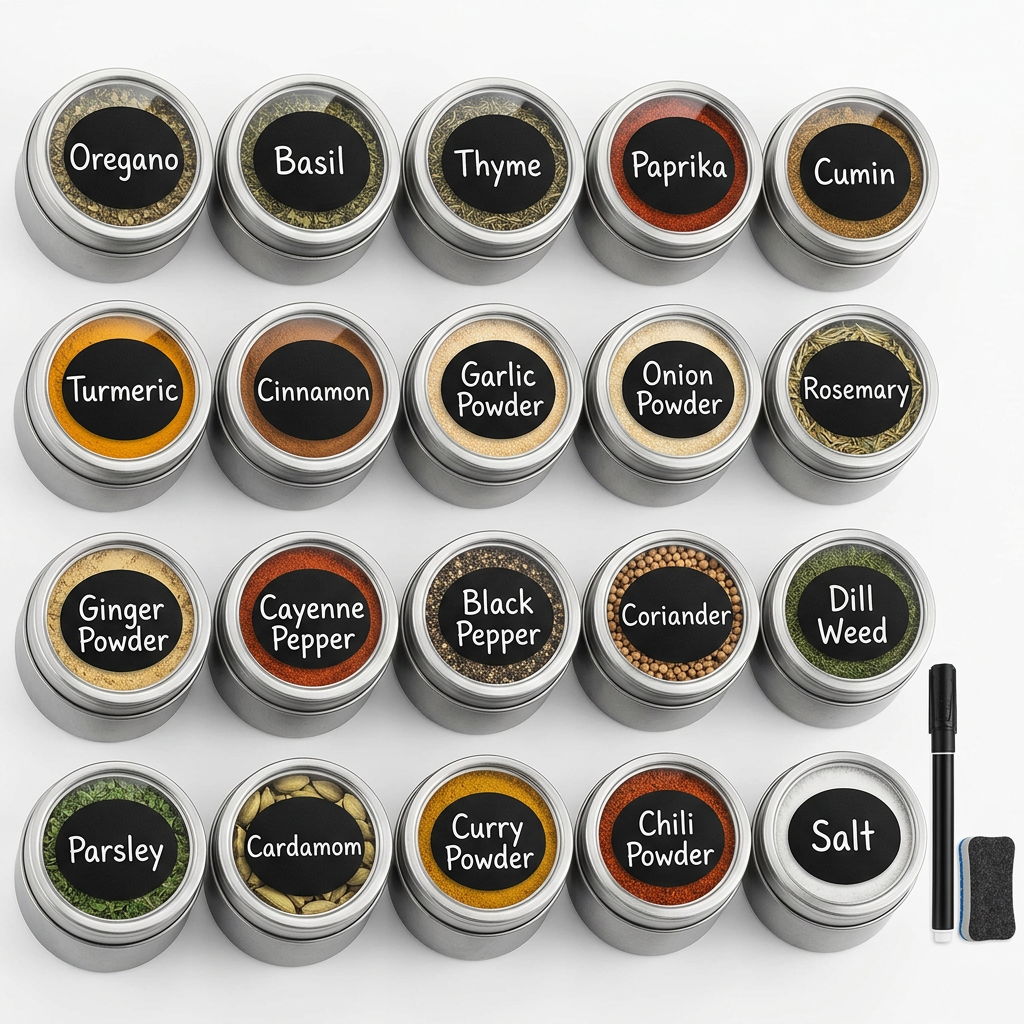
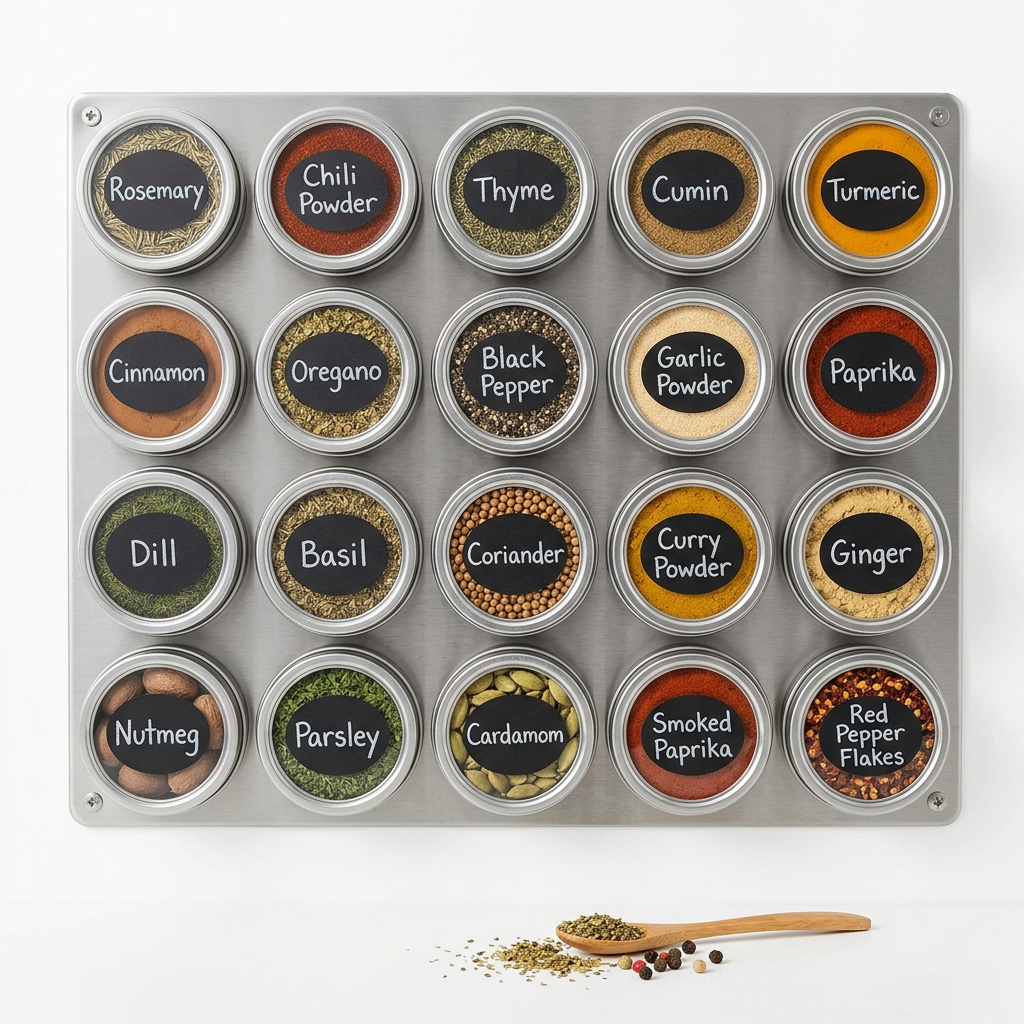
An organized spice rack can save you time and effort in the kitchen. Here are some strategies for keeping your spices in order:
Spice Blends to Try
Once you have your essential spices, it's time to experiment with spice blends. These are pre-mixed combinations that can add depth and complexity to your dishes without requiring you to measure multiple spices every time you cook.
Classic Spice Blends
Creating Your Own Blends
Creating your own spice blends allows for personalization and creativity. Here’s a simple guideline to follow:
Cooking Techniques with Spices
Mastering the art of seasoning also involves knowing how to apply spices effectively in your cooking process. Different techniques can draw out a spice’s flavor and enhance its impact on your dish.
Toasting Spices
Toasting spices is a simple technique that maximizes flavor. This method intensifies the aroma and brings out the oils in the spices. Here’s how to do it:
Blooming Spices
Bloominspices in oil releases their full potential and makes a significant impact on your dish's flavor. Here’s the process:
Proper Timing
When cooking, the timing of adding spices can change the dish dramatically:
Cooking with Fresh Herbs
While spices are a vital part of your culinary arsenal, don’t overlook the value of fresh herbs. They can offer a whole new dimension to your dishes.
Key Fresh Herbs to Consider
Techniques for Using Fresh Herbs
Essential Cooking Techniques
Developing your skills in the kitchen is as important as knowing your ingredients. Here are some essential techniques focused on spice utilization that can help enhance your cooking repertoire.
Sautéing
Sautéing is a foundational cooking technique that allows for quick cooking at high heat. This method is ideal for the initial incorporation of spices.
Braising
Braising is a slow-cooking method that melds flavors over time, ideal for tougher cuts of meat or hearty vegetables.
Roasting
Roasting intensifies flavors and is a fantastic way to use spices on vegetables or meats.
Final Thoughts
Creating a robust spice rack equipped with essential spices and mastery of basic cooking techniques can elevate the culinary experience for any home cook. As you gain confidence in your abilities and expand your palette, don’t forget to explore new spices and blends — they can lead to delightful surprises in your dishes.
By understanding how to harness the power of spices, you are not just cooking; you are creating a sensory experience that resonates with your personal style and preferences. As you continue on this culinary journey, remember to enjoy the process and use it as a way to connect with your friends and family.
In cooking, like life, experimenting and pushing the boundaries will cultivate your skills and taste. Building that first spice rack is just the beginning, and with each new spice you discover, you're one step closer to mastering the art of flavor and forging your unique cooking identity. With inspiration from your favorite cuisines and an eager heart, prepare for a journey filled with endless culinary delights.
Let your spices tell the story of your cooking adventure — one sprinkle at a time.
Get the Next Recipe
Weekly recipes, techniques, and gear picks — straight to your inbox.
