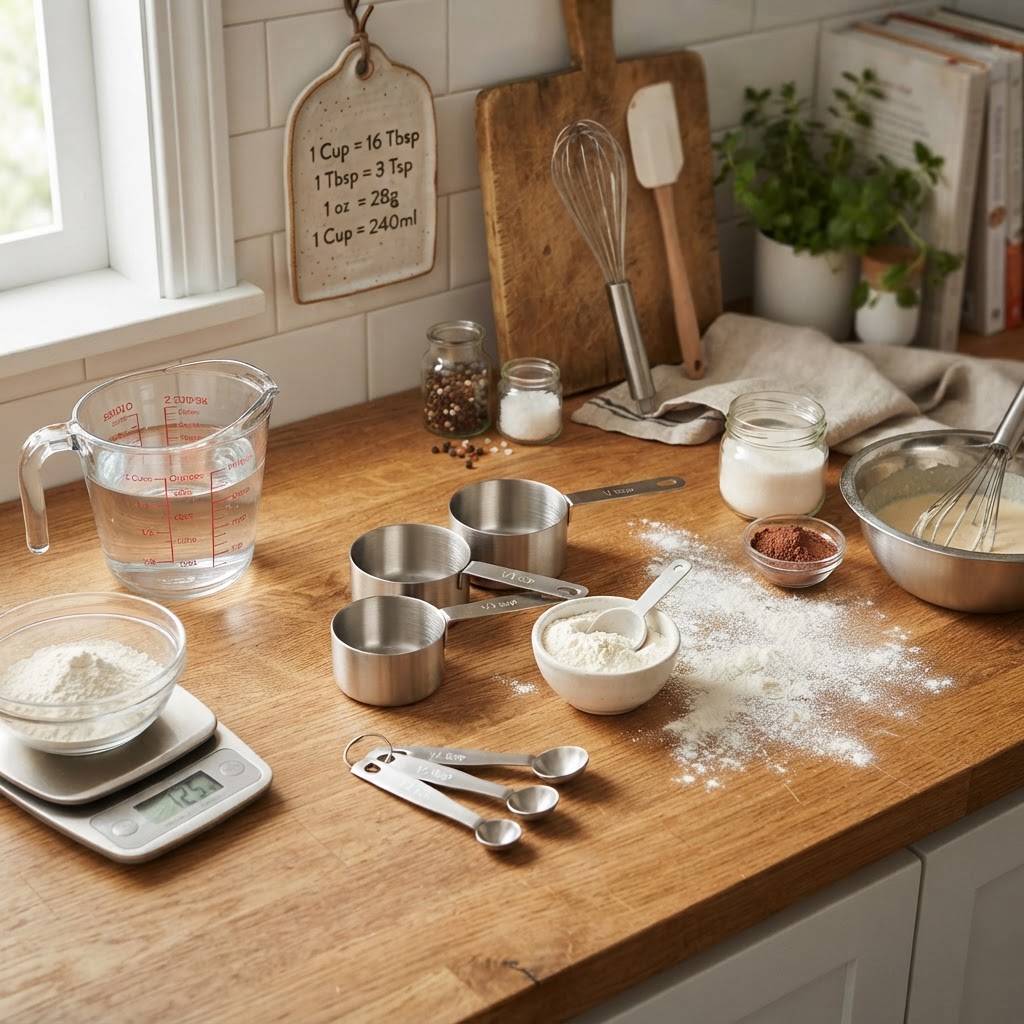
Cooking Basics: Essential Measurements and Conversions Every Home Cook Should Know
Cooking is often seen as a magical process, where simple ingredients combine to create a dish that tantalizes the palate and nourishes the body. However, beneath this enchantment lies a foundation built on measurements and conversions that every home cook should master. Whether you are a novice stepping into the kitchen for the first time or a seasoned chef looking to refresh your measurements, understanding these fundamentals is crucial. Many successful dishes owe their consistency and precision to the careful attention paid to the basic measurements—the unsung heroes of the culinary world.
Every time you pick up a recipe, you are essentially reading a guide that uses specific measurements to bring flavors together in harmony. Precision in cooking not only yields better results but also enhances your confidence in the kitchen. Imagine trying to bake a cake without a proper understanding of how many cups are in a quart, or overcooking your veggies simply because you miscalculated the temperatures required. The beauty of cooking lies in its science and art form, and getting a firm grasp on the basics of cooking measurements sets the groundwork for culinary creativity.
This blog post will take you on a culinary journey through the essential measurements and conversions that every home cook should know. From understanding the metric and imperial systems to converting various units, we’ll break it down into digestible pieces. Along the way, you’ll gain insights and tips that will elevate your cooking skills—ensuring you never have to blame the chef again!
Understanding Measurement Systems
When it comes to cooking, there are two primary measurement systems used across the globe: the imperial system and the metric system. Understanding how each system operates is essential for successful cooking, especially if you frequently use recipes from different countries.
The Imperial System
The imperial system, most commonly used in the United States, consists of units such as cups, ounces, pounds, and quarts. Here are some key terms to familiarize yourself with:
For instance, when following a recipe that calls for 2 cups of flour, you can easily visualize and measure out your ingredients using these standard measurements. This familiarity allows for quicker preparation, reducing your time spent in the kitchen.
The Metric System
In contrast, the metric system is used in most other countries and is based on multiples of ten, making it logically straightforward. Key metric units include:
Many professional kitchens prefer the metric system due to its ease of conversion and more accurate measurements. Understanding how to convert between the metric and imperial systems will inevitably enhance your cooking precision.
"Mastering the art of measurement can be the difference between a meal that's edible and a dish that's extraordinary."
Basic Conversions
Whether you are converting fluid ounces to milliliters or cups to grams, having a reliable set of conversions on hand can dramatically improve your cooking experience. Below we’ll explore some of the most frequently needed conversions.
Fluid Conversions
Knowing how to convert between fluid ounces, cups, and liters is particularly useful for recipes involving liquids like soups, sauces, or drinks. Here are some essential conversions:
This is a recipe for often-missed errors, especially when measuring liquid ingredients. For example, if a recipe calls for 3 cups of chicken broth, this easily translates to 24 fluid ounces.
Dry Ingredient Conversions
When it comes to dry ingredients, the weight can vary significantly depending on how you’re measuring; for this reason, understanding conversions from volume to weight is essential. Here are some key conversions:
Ensure you're using the right measuring cups; using dry measuring cups for solids and liquid measuring cups for foods like water ensures proper measurement.
Quick Reference for Temperature Conversions
Another important aspect of cooking is oven temperatures. Most recipes in the United States will use Fahrenheit, while most international recipes may offer Celsius. Here’s a quick conversion guide:
- Example: 350°F = (350 - 32) × 5/9 = 176.67°C
- Example: 180°C = (180 × 9/5) + 32 = 356°F
Measuring Techniques
Correctly measuring ingredients is integral to producing well-balanced and delicious dishes. Fortunately, mastering various measuring techniques is a straightforward process.
Dry Ingredients
When measuring dry ingredients, using the right tools and techniques can alter the outcome of your dish dramatically. Here are some techniques:
Liquid Ingredients
Measuring liquids requires a different approach. Here’s how to do it correctly:
Sticky Ingredients
With sticky ingredients like honey or molasses, it can be challenging to measure accurately. Here are some tips:
The Importance of Accurate Measurements
In culinary arts, precision plays a pivotal role in the balance of flavors and textures. Inaccurate measurements can lead to either an overly salty dish or one that’s too bland. Let’s delve into why precision matters and the impact it has.
Consistency
When you measure accurately, you create a consistent product every time you prepare a dish. This consistency builds trust in your cooking abilities and helps establish a reliable style. A dish like a soufflé, which relies on delicate ingredient interaction, can collapse with even a slight variation in ingredient amount.
Flavor Balance
Each ingredient in a dish contributes to a complex web of flavors. For instance, too much salt can overwhelm the overall taste, while too little can make it bland. Understanding the correct measurements ensures that each component shines:
Texture and Structure
In baking, where chemical reactions are critical, the balance of ingredients affects the final texture. Gluten development, moisture retention, and air incorporation all hinge on precise measurements.
"A pinch here and a dash there may work for some, but the beauty of culinary science lies in those exact measurements."
Practical Applications in the Kitchen
Once you’ve grasped the basic measurements, it’s time to apply this knowledge in your cooking. Here’s how you can effectively implement measuring techniques in various recipes.
Baking
Baking is an art form governed by precision. Each ingredient plays a critical role in the final product. Here’s how to get it right:
Cooking Sauces
Sauces are where flavors can be built and transformed. Here's a simple process:
Meal Prep and Cooking in Batches
When preparing meals in advance, you need to adjust measurements for larger quantities. Here’s how:
Common Mistakes to Avoid
Even seasoned cooks can slip up when it comes to measurements. Here are some common pitfalls to avoid:
Using the Wrong Measuring Tools
Using a dry measuring cup for liquids or vice versa can lead to imprecise measurements. Always have a set of both types of measuring cups available.
Not Leveling Off
Many home cooks make the mistake of not leveling off measuring cups for dry ingredients. This leads to accidentally using more than intended.
Poor Ingredient Substitution
While creativity in the kitchen is welcomed, substituting ingredients without understanding their impact can throw off measurements. For example, substituting baking powder for baking soda without adjusting the amounts can result in a completely different product.
Forgetting to Adjust for Altitude
If you live at a high altitude, remember that cooking times and ingredient ratios may need adjustments to account for the lower atmospheric pressure.
Cooking Tools Every Home Cook Should Have
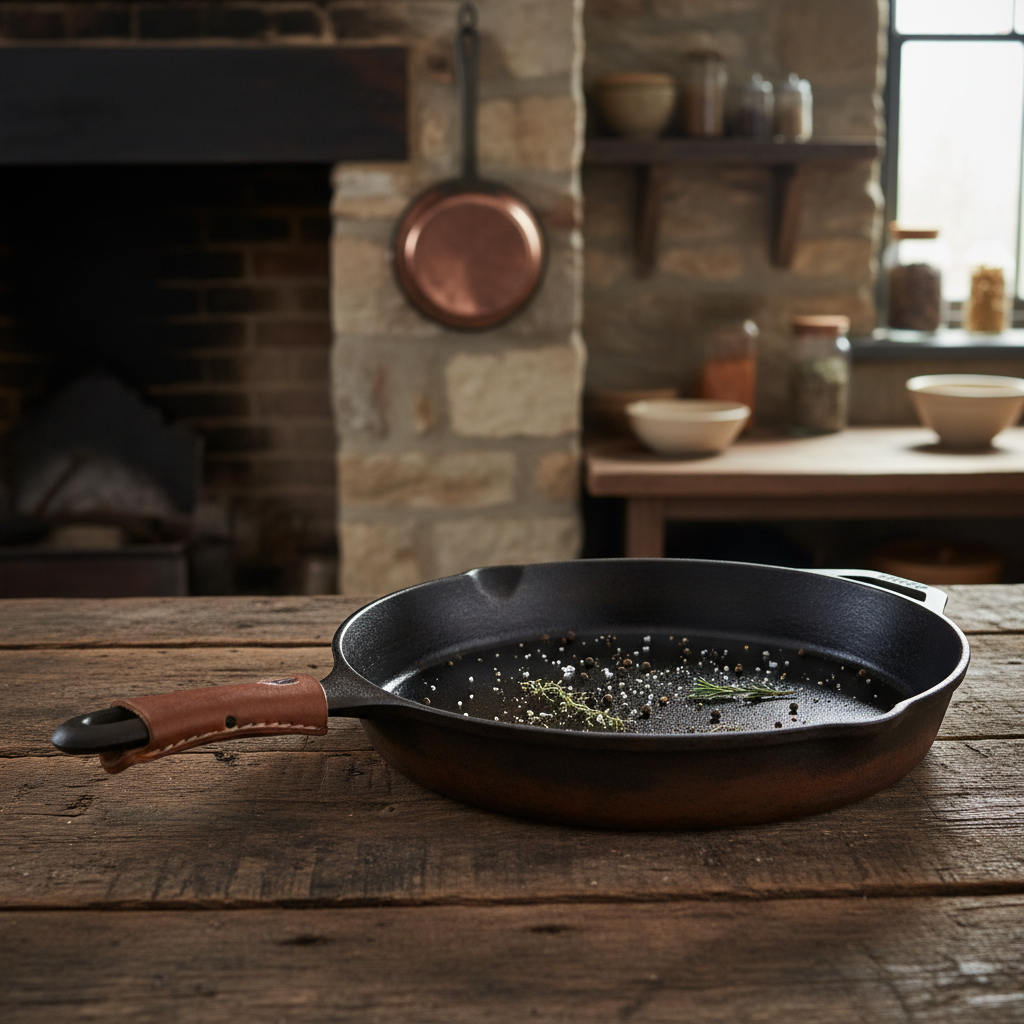
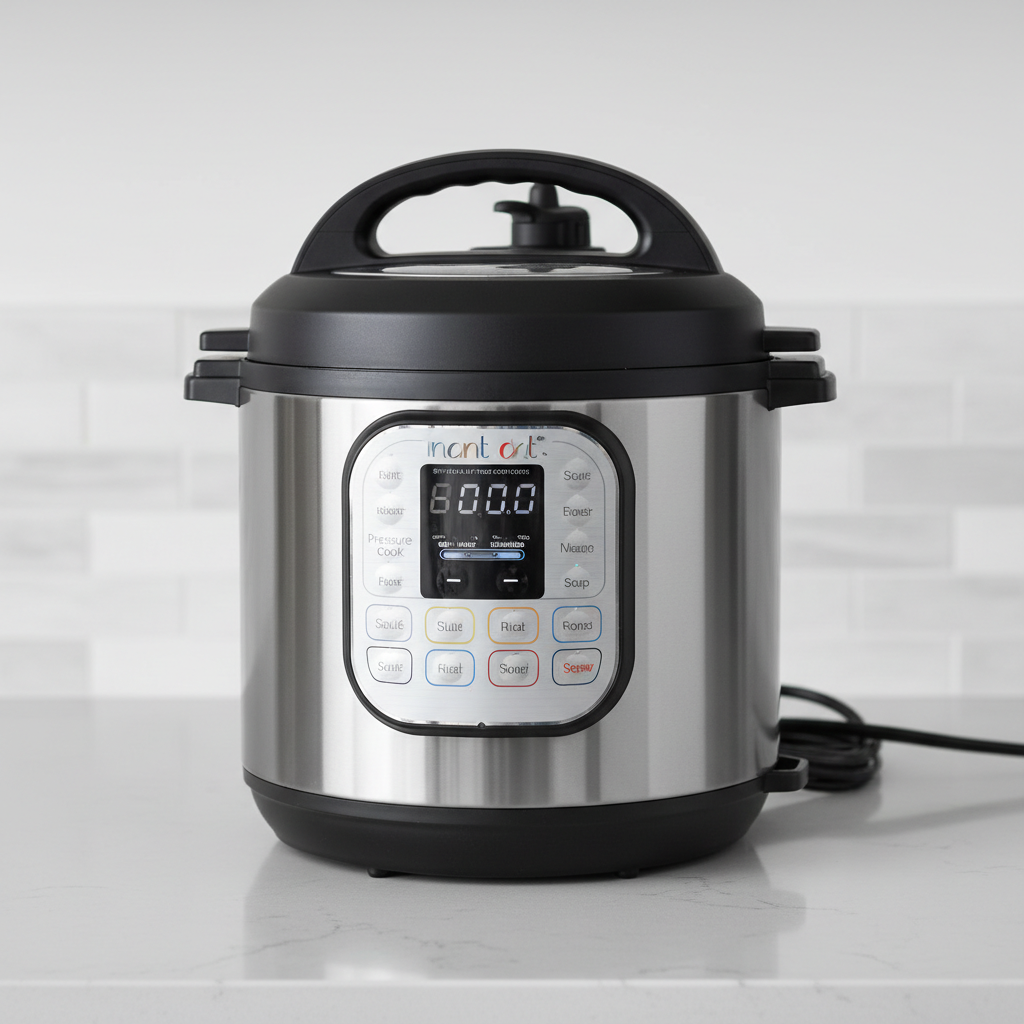
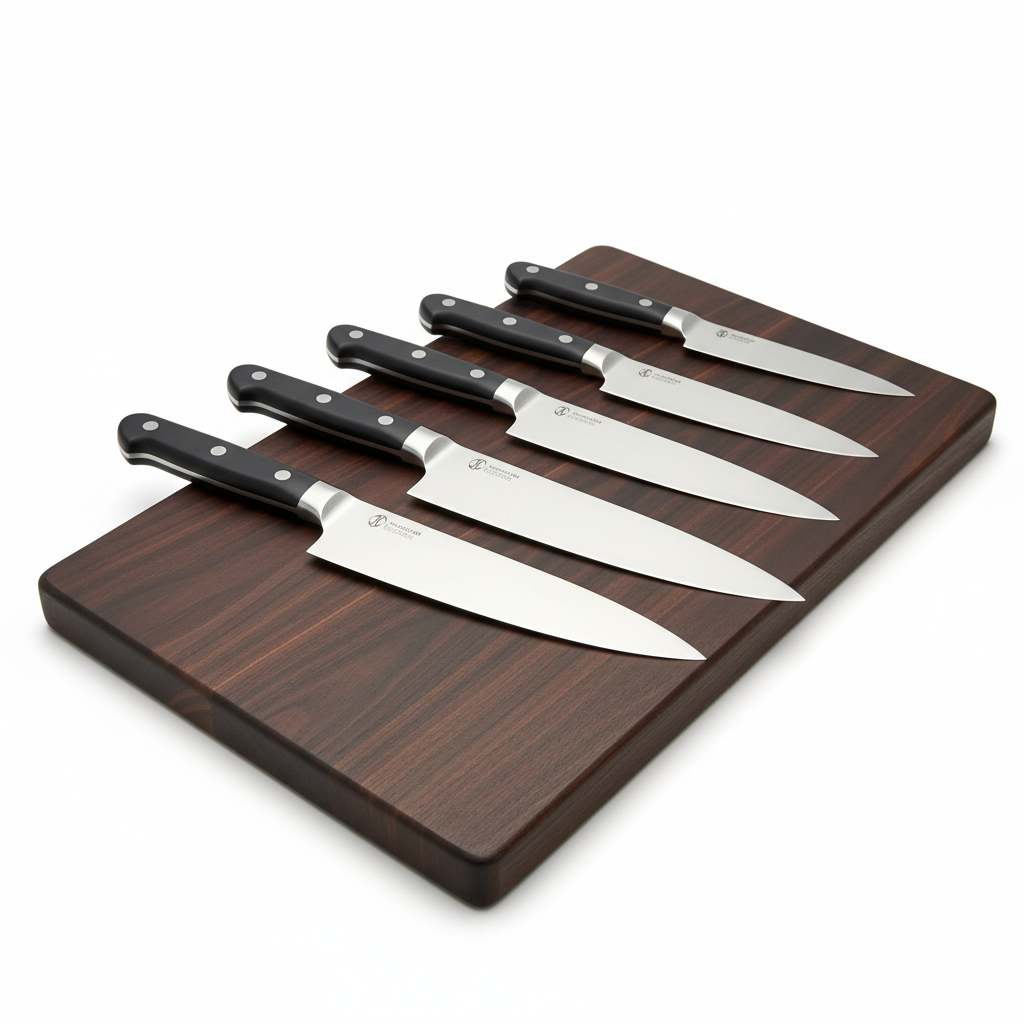
Equipping your kitchen with the right tools will make measuring and cooking a breeze. Below are the essential items for cooking accurately:
Conclusion
Mastering the measurements and conversions in cooking is like acquiring the keys to a treasure chest. It opens the door to a world of culinary possibilities, where each recipe is an invitation to create something delicious and rewarding. Understanding both the imperial and metric systems empowers you to navigate various recipes with confidence, while knowing how to accurately measure key ingredients ensures your dishes consistently shine.
Cooking isn’t just about following instructions—it’s about understanding the why behind every step and appreciating how precise measurements create harmony on your plate. Armed with the knowledge and techniques discussed in this post, you’ll no longer have to blame the chef for unsatisfactory results. Instead, you can take charge in your kitchen, experiment fearlessly, and elevate your cooking skills one measurement at a time. Whether you're baking a cake, sautéing vegetables, or brewing homemade sauces, with these basic measurements under your belt, you are ready to gather your ingredients and embrace the joy of cooking with flair and precision!
Get the Next Recipe
Weekly recipes, techniques, and gear picks — straight to your inbox.
