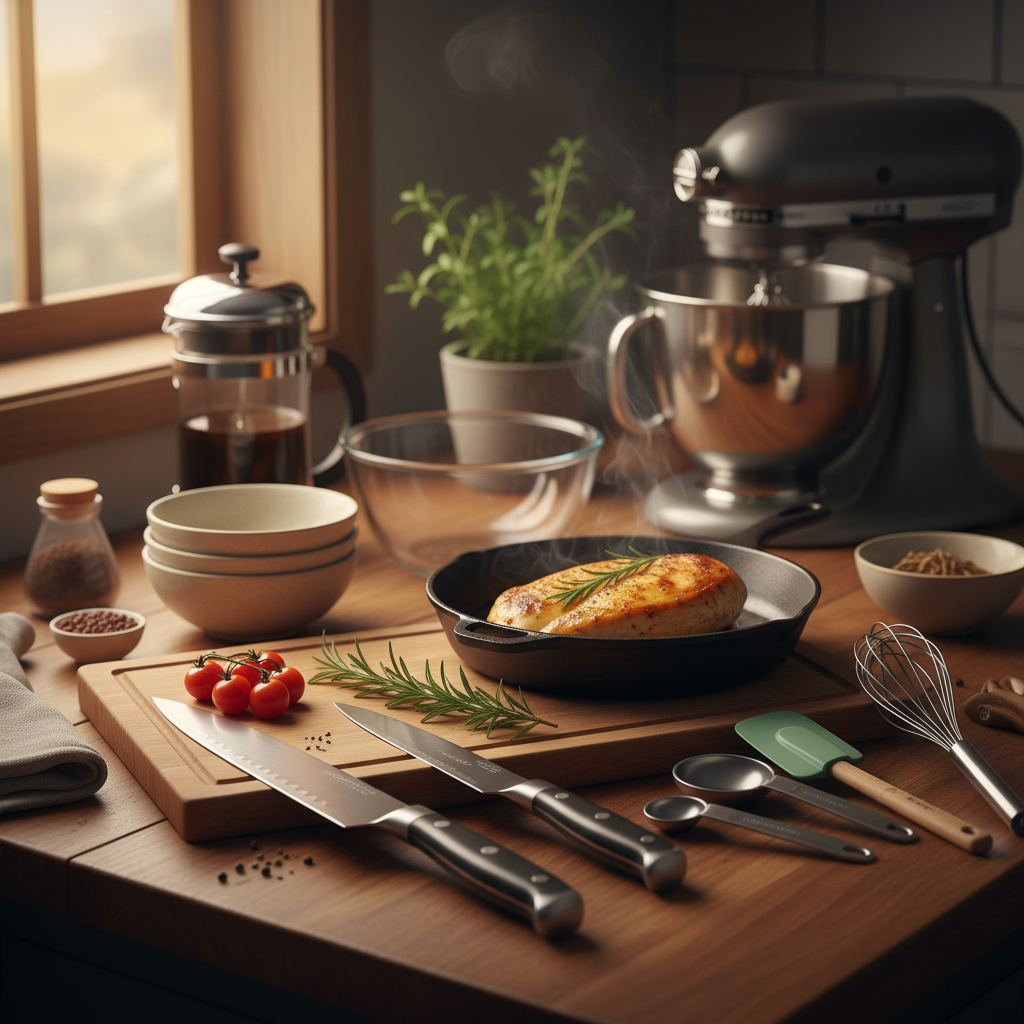
Cooking Basics: The Ultimate Guide to Understanding Kitchen Equipment and Their Uses
Cooking is often seen as an art form, but it's important to recognize that it’s grounded in the science of understanding the tools and techniques that are essential for creating delicious food. Having a solid grasp of kitchen equipment not only enhances culinary performance but also fosters creativity and confidence in the kitchen. Whether you’re a budding home chef or looking to spice up your existing repertoire, having the right tools can make all the difference. This guide aims to unravel the complexities of kitchen equipment, providing you with insights on how to utilize each item effectively.
In many respects, the kitchen is its own ecosystem, with each piece of equipment playing a pivotal role in the overall dynamic. Just like a painter chooses their brushes and colors to create a masterpiece, a chef selects their knives, pans, and gadgets to transform ingredients into a flavorful dish. Yet, the importance of understanding these tools is often overlooked. It’s not just about having the latest gadgets; it’s about knowing what to choose for specific tasks, how to care for them, and how to make them work for you. As we journey through this comprehensive guide, prepare to explore the essential kitchen essentials, from knives to appliances.
Additionally, knowing your tools can drastically reduce the learning curve as you dive into various culinary techniques. Proper equipment helps achieve precision in cooking, whether you're searing a steak to perfect doneness or whipping up a delicate meringue. Armed with this knowledge, you will not only optimize your cooking process but also minimize mistakes that can lead to frustration. So let’s roll up our sleeves and explore the must-have kitchen tools that every cook should understand—your culinary adventure awaits!
Understanding Knife Types and Their Uses
When it comes to kitchen equipment, knives are arguably the most crucial tools at any cook’s disposal. From slicing vegetables to carving meats, understanding the different types of knives can greatly enhance your efficiency and precision in the kitchen.
Chef's Knife
The chef's knife, often a chef's best friend, measures anywhere from 8 to 12 inches in blade length. It’s designed for versatile tasks, including slicing, dicing, and chopping. A good chef's knife features a sturdy handle and a balanced weight, allowing for smooth, agile movements.
"A chef's knife is an extension of your hand; invest in a good one, and it will greatly elevate your culinary game."
To use a chef's knife properly:
Paring Knife
The paring knife is smaller, usually with a blade measuring 3 to 4 inches. It's excellent for delicate tasks such as peeling, trimming, and intricate cutting.
Proper use of a paring knife often requires more finesse than a larger knife:
Bread Knife
With its serrated edge, the bread knife excels in slicing through crusty loaves without squashing the bread’s soft interior.
To effectively use a bread knife:
Utility Knife
A utility knife falls between a paring knife and a chef's knife in size and functionality. This tool is perfect for miscellaneous tasks such as slicing sandwiches or cutting fruits.
When employing a utility knife:
By understanding the different types of knives and their uses, you can elevate your efficiency and precision in the kitchen. Spending time learning how to use these essential tools effectively will lead to significant improvement in your cooking skills.
Essential Cutting Boards
Once you have your knives, you’ll need a cutting board. The choice of a cutting board not only affects food prep but also determines knife longevity and safety.
Material Matters
Cutting boards come in various materials, each with unique advantages:
Size and Thickness
Opt for boards that are:
Maintenance
Proper maintenance of your cutting boards is vital. Here’s how to keep them in tip-top shape:
Understanding and correctly using your cutting boards will contribute significantly to your overall cooking experience. With the right board, you can help prolong your knives' lifespan while ensuring safe and efficient prep.
Cooking Pots and Pans
Cooking is as much about technique as it is about the vessels you choose. Understanding the functions of different pots and pans will not only improve your cooking but also enhance the flavors and textures of your dishes.
Saucepan
With tall sides and a lid, a saucepan is perfect for simmering sauces, cooking grains, or heating liquids. Standard sizes range from 1 to 4 quarts.
Here's how to use a saucepan effectively:
Skillet/Frying Pan
A skillet (or frying pan) is incredibly versatile, ranging from 8 to 12 inches or larger. It’s primarily used for frying, sautéing, and searing.
A few tips for using a skillet:
Dutch Oven
The Dutch oven is a heavyweight champion in cooking, ideal for slow-cooking, braising, and baking bread. Its thick walls help maintain consistent heat.
To make the most of your Dutch oven:
Stock Pot
A stock pot is essential for larger batches, whether you're making broth, soups, or boiling pasta. Sizes typically range from 4 quarts to 20 quarts or more.
Key notes for using a stock pot:
Understanding the various types of pots and pans and how to use them effectively will not only streamline your workflow but also enhance the quality of your meals.
Small Kitchen Appliances
In the modern kitchen, small appliances can significantly cut down prep time and bring convenience to various cooking techniques. These gadgets range from simple tools to more complex devices, each playing a role that can elevate your cooking.
Food Processor
A food processor is an invaluable tool for tasks that would otherwise take considerable time, such as chopping, slicing, or making pesto.
To use a food processor efficiently:
Blender
A blender is ideal for smoothies, sauces, and soups. High-powered models can even handle nuts and ice with ease.
Some tips for using a blender:
Slow Cooker
The slow cooker simplifies meal preparation by letting you cook dishes over several hours on low heat. It’s great for hearty stews and roasts.
To maximize the slow cooker:
Instant Pot
An Instant Pot combines several functions, acting as a pressure cooker, slow cooker, and even a steamer—all in one appliance. It can significantly reduce cooking times.
For effective use:
Small appliances can transform the cooking experience, offering efficiency and sometimes even enhancing flavors in surprising new ways.
The Importance of Measuring Tools
In cooking, precision can often be the difference between success and failure. Understanding how to measure ingredients properly can guide you to achieve the desired outcomes in your dishes.
Measuring Cups
Measuring cups—both dry and liquid—are essential for accurate ingredient ratios:
Measuring Spoons
Measuring spoons are ideal for small quantities. Whether it's teaspoons or tablespoons, these tools ensure you get the proper flavor balance in your dishes.
Kitchen Scale
A kitchen scale is especially valuable for baking, where precision is paramount. Weighing your ingredients can often yield better results than using volume measurements.
Tips for Accurate Measurement
Mastering these measuring tools can prevent common cooking mishaps and help ensure you’ll achieve perfect flavors time after time.
Food Storage Solutions
Proper food storage is vital for maintaining the quality and safety of your ingredients. It also minimizes waste and can elevate meal prep efficiency.
Refrigeration Techniques
Refrigerate perishable items promptly after purchase. Here are a few effective storage tips:
Freezing Essentials
Freezing food maintains its nutrients and can provide a backup for busy nights:
Pantry Organization
An organized pantry can save time and reduce frustration. Here are some strategies:
By understanding effective food storage solutions, you can not only extend the shelf life of your ingredients but also pave the way for seamless meal preparation and cooking.
Conclusion
Understanding your kitchen equipment is foundational in elevating your cooking skills and enhancing culinary creativity. By mastering your knives, pots and pans, small appliances, measuring tools, and storage solutions, you effectively optimize your kitchen experience.
Cooking may seem daunting at first, but arming yourself with the right knowledge and tools makes the entire process easier and more enjoyable. Remember that cooking is an adventure, and each piece of equipment plays a vital role in your culinary journey.
As you become familiar with each item, it transforms the way you approach food preparation. So go forth, wield your knives skillfully, use your pots and pans wisely, and make the most out of your culinary arsenal. In the end, each sizzle, chop, and stir brings new opportunities for creativity and fulfillment in the kitchen. Enjoy the journey, and remember to blame the chef—as they are only as good as their tools.


Get the Next Recipe
Weekly recipes, techniques, and gear picks — straight to your inbox.
