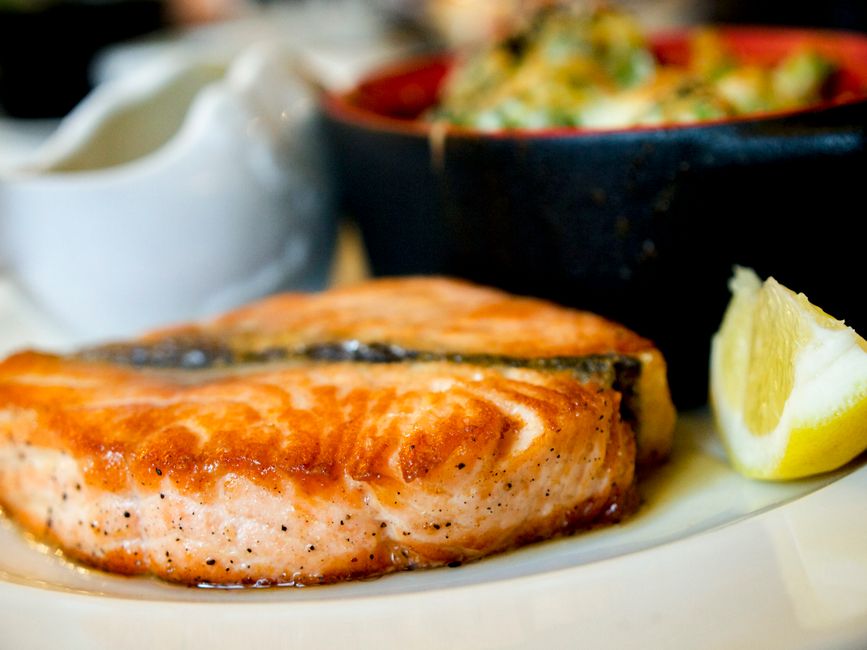
Cooking Fish Perfectly Every Time
Cooking fish is a culinary skill that can elevate any home kitchen, but it often intimidates novice cooks. Many fear overcooking or under-seasoning, resulting in a meal that doesn’t live up to its potential. The key to cooking fish perfectly every time resides in understanding the unique characteristics of different fish varieties, mastering the various cooking methods, and applying the right techniques backed by science. Whether it’s flaky cod, rich salmon, or tender sole, each species has its nuances that, when respected, result in dishes that astound.
The journey towards cooking fish perfectly begins far before the heat reaches the pan. It encompasses the selection of fresh ingredients, mastering essential techniques, and knowing how flavors interact. Paying attention to details, such as choosing the right cut and preparing it appropriately, can make a dramatic difference in texture and flavor. From marinating fillets to applying the correct cooking method, each aspect is crucial in achieving that desired perfect bite.
In this post, we will delve into the world of fish cooking, breaking down methods that range from pan-searing and poaching to grilling and baking. We’ll explore essential tips, share kitchen tools that are beneficial for fish preparation, and provide guidance on flavoring and seasoning to truly enhance your fish dishes. Let’s dive into the depths of fish cookery, and by the end of this journey, you’ll be equipped to serve perfect fish meals proudly.
Understanding Different Types of Fish
Before diving into cooking methods, it’s vital to recognize that fish are not all the same. They can be categorized into two main types: lean fish and fatty fish, each requiring different approaches when it comes to cooking.
Lean Fish vs. Fatty Fish
Lean fish, such as cod, haddock, and sole, generally have less than 5% fat content. Their texture is delicate and flaky, which makes overcooking a serious concern. Similarly, they tend to be milder in flavor, so they benefit from thoughtful seasoning and cooking techniques that bring out their natural taste without overpowering it.
Fatty fish like salmon, mackerel, and sardines have a higher fat content, often exceeding 15%. This fat not only contributes to a rich, savory flavor but also keeps the fish moist during cooking. Cooking methods suited for fatty fish often include grilling or broiling, which enhance their natural oils and sumptuous flavors.
Understanding the type of fish you are cooking offers a guiding hand in both preparation and cooking. It teaches you about the ideal cooking temperatures and times, making it easier to slice off that perfect piece, whether it’s the buttery richness of salmon or the delicate nuances of sole.
Freshness is Key
When cooking fish, freshness cannot be overstated. Always strive to source your fish from reputable markets or fishmongers. Here are several tips for assessing freshness:
Choosing fresh fish is not just about avoiding bad flavors; it lays a foundation for the overall quality of your dish. Now that you understand the types of fish and the importance of freshness, it's time to discuss the cooking methods that will help you achieve culinary success.
Essential Cooking Methods for Fish
When it comes to fish cookery, there are several techniques that every home chef should know. The method you choose often depends on the type of fish and your personal preference. Here, we’ll explore some of the most effective cooking techniques.
Pan-Seering Fish
Pan-searing is one of the most versatile techniques for cooking fish. With a hot skillet, you can achieve a beautifully caramelized exterior while keeping the inside moist and flaky.
Steps for Perfect Pan-Seared Fish:
A hot skillet helps truncate cooking time, ensuring that the outside forms a crispy crust while the inside remains tender.
"The beauty of pan-searing is in its simplicity and the transformation of flavors through high heat."
Grilling Fish
Grilling fish can be one of the most rewarding cooking techniques, offering unique flavors infused by the grill's smokiness.
Tips for Perfectly Grilled Fish:
Steps for Grilling:
Baking Fish
Baking is a healthier alternative that allows the fish to cook evenly without the need for excess oil or fat. It’s especially useful for delicate fish that require a gentle touch.
Choosing the Right Temperature and Time:
Steps for Baking Fish:
Baking fish in this manner allows for easy cleanup while producing a delicious, moist dish that can be paired with a variety of sides.
Flavoring and Seasoning Your Fish
Now that you know various cooking techniques, the next step is flavoring and seasoning your fish. The right balance of seasoning accentuates the natural flavors without overpowering them.
Herb and Spice Combinations
Employing herbs and spices can drastically enhance the flavor profile of your fish. Consider these combinations based on the type of fish:
Marinades and Finishing Touches
Marinades not only impart flavor but also tenderize fish, especially lean varieties. Here are some essential elements for effective marinades:
Simple Marinade Recipe:
The Importance of Salt
Salt is a crucial component in the cooking process as it enhances the natural flavors of the fish. Here’s how to use it effectively:
Tips from Professional Chefs
Pro chefs have invaluable tips that can make a significant difference in your fish cooking endeavors. Below are some insights that even seasoned cooks sometimes overlook.
Don’t Overcrowd the Pan
When frying or sautéing fish, avoid crowding the pan. This can trap moisture, leading to steaming rather than searing. Always leave each piece with enough room to allow airflow and even cooking.
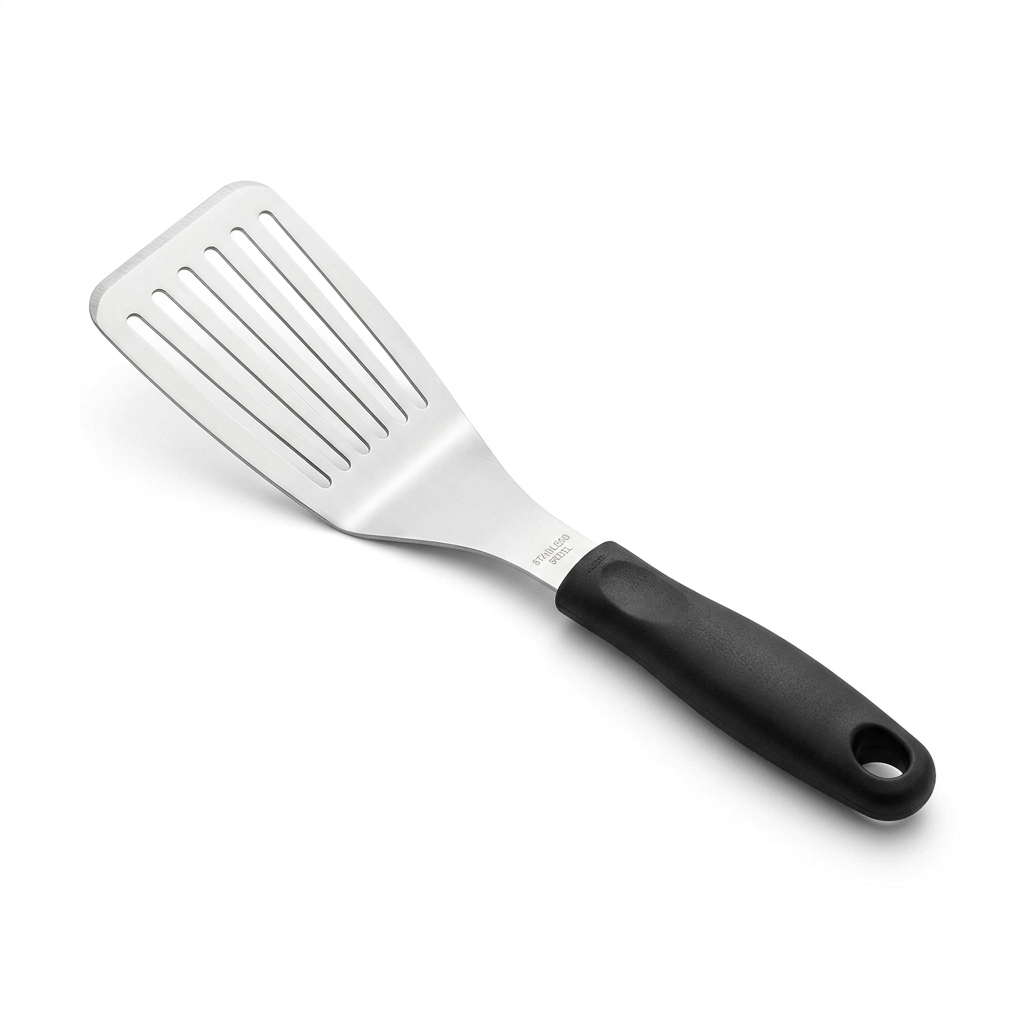
Invest in a Fish Spatula
A fish spatula is an essential tool for lifting and flipping fish without breaking it apart. Its thin, flexible blade allows for knife-like precision. This is particularly helpful when flipping delicate fillets that are likely to fall apart.
Use a Thermometer
A probe thermometer helps ensure accurate cooking. For most fish, the safe cooking temperature is around 145°F. Insert the thermometer into the thickest part of the fish to get an accurate reading.
"Invest in a good probe thermometer—it's the difference between a perfect fish and a dry piece of disappointment."
Sides and Sauces for Fish
Pairing your perfectly cooked fish with appropriate sides and sauces can elevate your meal from ordinary to exceptional. Here are some ideas for pairing and serving.
Ideal Side Dishes
Sauces to Complement
Maintaining Your Cooking Equipment
Investing time in learning how to cook fish perfectly is essential but maintaining your kitchen tools is just as critical. Here are some tips on caring for your fish cooking equipment.
Skillets and Grill Grates
To ensure longevity:
Knives
Maintaining sharp knives is imperative for efficiency in the kitchen:
Conclusion
Cooking fish perfectly is an art form that combines skill, familiarity, and a deep respect for the ingredients. Whether you choose to pan-sear, grill, or bake, understanding the nuances of different fish types, choosing the right seasonings, and mastering your techniques will ensure success time and again.
Remember to prioritize freshness and allow the natural flavors to shine through while using the right cooking methods to prevent overcooking. Elevating your fish dishes with the right accompaniments, tools, and culinary wisdom will turn practical cooking into a lavish dining experience. By embracing these skills and techniques, you won't just be cooking fish; you'll be creating memorable meals that welcome guests to the table, time and time again.
In your kitchen, let there be no excuses—only perfectly cooked fish waiting to be savored. With practice and a commitment to learning, achieving culinary excellence in fish cooking is indeed within your reach. Happy cooking!
Get the Next Recipe
Weekly recipes, techniques, and gear picks — straight to your inbox.
