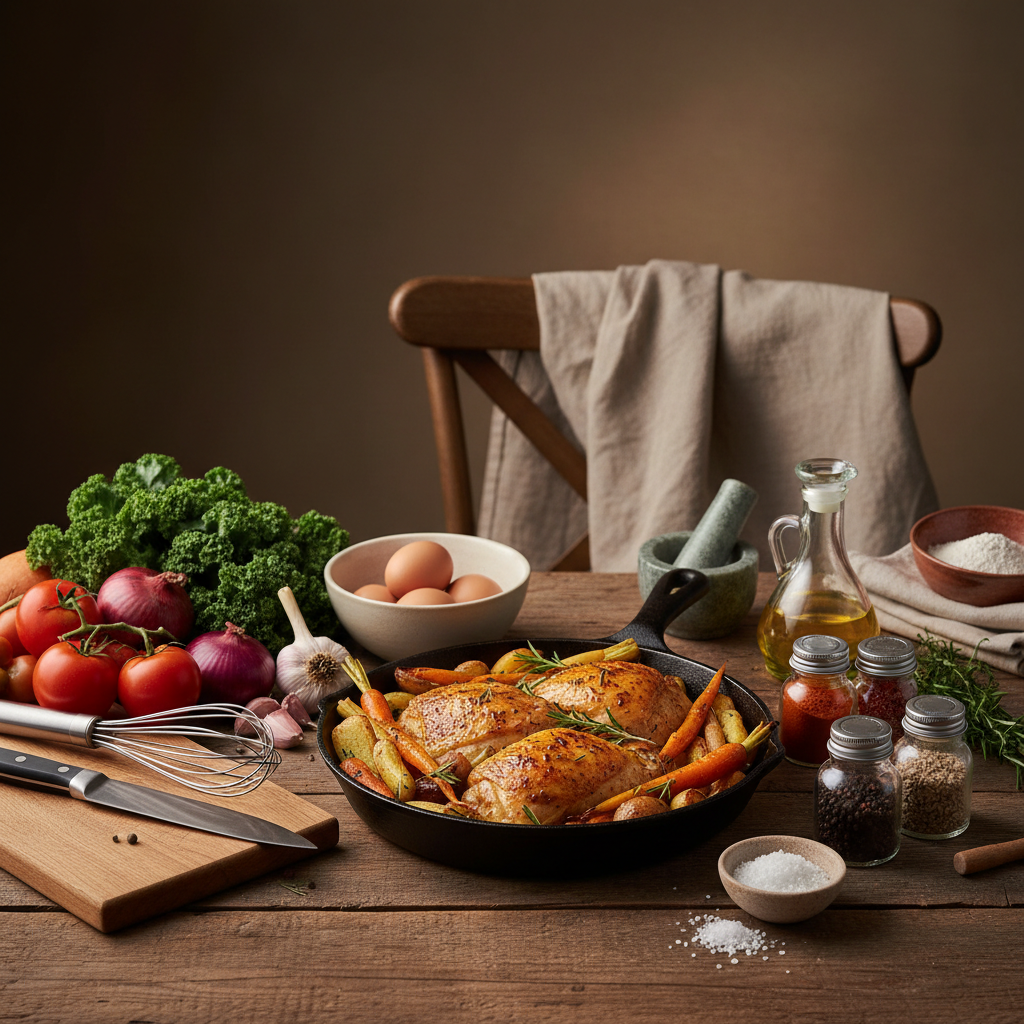
Cooking Foundations: Mastering the Essential Skills for Every Home Chef
Cooking at home can be a daunting task for many, especially when faced with the vast array of recipes, techniques, and culinary terms that fill cookbooks and food blogs alike. However, the journey to becoming a proficient home chef begins with mastering a few essential skills that serve as the building blocks for culinary success. By demystifying the basics of cooking, any home chef can gain the confidence needed to experiment, create, and elevate their dishes to new heights. This guide will help you navigate through the foundational skills that every aspiring cook should master, making your kitchen a place of creativity and joy.
Most importantly, cooking is an art form that allows for self-expression and varies widely from person to person, which means that there's no one right way to do things. While some chefs might follow precise recipes to the letter, others take a more intuitive approach, adjusting flavors and textures as they go. Understanding the science behind cooking, alongside the techniques, can help you make educated decisions in the kitchen, leading to more delicious results. It fosters not just a deeper understanding of recipes but also a heightened sense of creativity, allowing you to make dishes your own.
In this post, we’ll explore key cooking skills that every home chef should master, covering everything from knife skills to flavor balancing and food safety. Whether you’re a culinary novice or someone looking to polish their kitchen prowess, this comprehensive guide will provide you with the tools, techniques, and confidence you need to tackle any recipe with ease. Prepare to unleash your inner chef!
Knife Skills: The Backbone of Culinary Mastery
The Importance of Knife Skills
When it comes to cooking, the importance of knife skills cannot be overstated. A well-chosen knife, paired with proficiency in its use, can transform your cooking experience. Not only does effective knife work enhance your efficiency in the kitchen, but it also ensures that your ingredients are prepared uniformly. This is crucial for even cooking and flavor development.
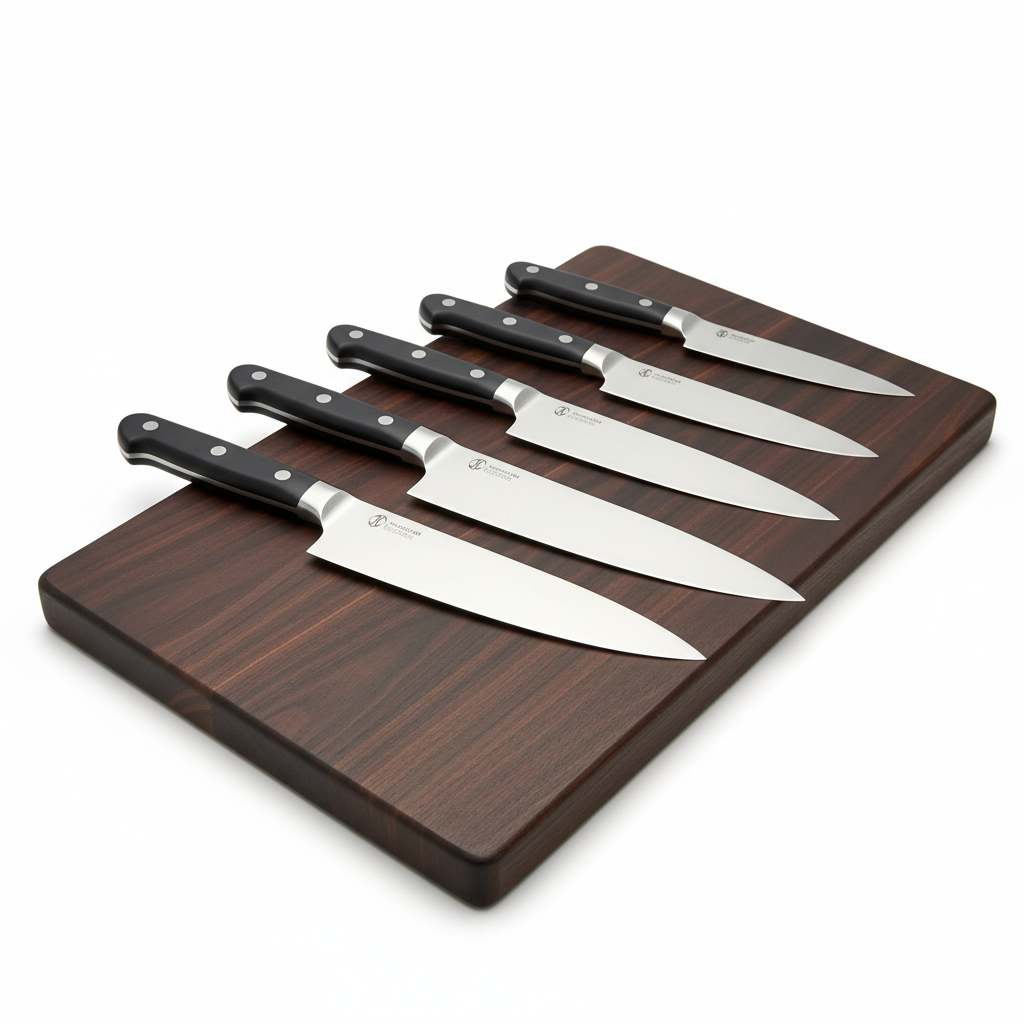
Investing in a good quality chef’s knife can make a world of difference. A knife that fits comfortably in your hand reduces fatigue and increases precision. The typical blade length for a chef’s knife ranges from 8 to 10 inches. Opt for a carbon steel or high-carbon stainless steel knife, as these materials provide a sharper edge and retain that sharpness longer.
Basic Cutting Techniques
To start your journey toward knife mastery, familiarize yourself with these fundamental cutting techniques:
Safety First: Handling Your Knives
No discussion of knife skills would be complete without addressing safety. Here are some essential tips to keep in mind:
Mastering knife skills will allow you to handle ingredients with confidence and efficiency. With practice, you will not only speed up your preparations but also refine your style, ensuring that you reach a level of proficiency that will impress anyone who steps into your kitchen.
Cooking Methods: Dry vs. Moist Heat
Understanding Cooking Techniques
Cooking methods can be grouped into two primary categories: dry heat and moist heat, each offering unique flavors and textures to your dishes. Understanding the differences between these methods allows you to choose the appropriate technique for the ingredients you are working with and the results you desire.
Dry heat cooking methods include baking, roasting, frying, grilling, and broiling. These techniques do not utilize water or broth and primarily rely on the application of heat to achieve cooking. For example, roasting vegetables caramelizes their natural sugars, bringing out their sweetness and deepening their flavor.
On the other hand, moist heat methods encompass boiling, steaming, poaching, and braising. These techniques incorporate liquid, which helps to tenderize food and infuses it with flavor. Poaching fish gently in broth, for instance, maintains its delicate texture while enhancing its taste.
Choosing the Right Method
When deciding which method to use, consider the following:
Tips for Perfect Cooking
By mastering these cooking methods, you will be equipped to prepare a wide range of dishes, knowing exactly how to achieve the desired taste, texture, and presentation.
“Cooking is one of the great gifts you can give to those you love.”
Essential Ingredients: Building a Flavor Foundation
Understanding Flavor Profiles
To create compelling dishes, you must have a keen understanding of flavor profiles and how to combine them creatively. Each ingredient contributes its own unique note, and the beauty of cooking lies not just in knowing the individual tastes, but also in recognizing how they interact.
There are five fundamental tastes that every chef should be aware of: sweet, salty, sour, bitter, and umami. Mastering the art of balancing these flavors can elevate your cooking to restaurant-quality dishes.
Building a Pantry Staples
A well-stocked pantry is essential for any home chef. Consider keeping the following staples on hand:
Herbs and Spices: The Key to Flavor Enhancement
Herbs and spices play a critical role in adding complexity and depth to your dishes. Here’s a simple guide on how to use them:
“A recipe has no soul. You, as the cook, must bring soul to the recipe.”
Temperature Control: The Science of Cooking
Importance of Temperature in Cooking
Temperature plays a crucial role in the cooking process, influencing everything from texture to flavor. Understanding the correct temperatures for different cooking methods can help you achieve optimum results.
For example, the Maillard reaction, a chemical process that creates the delicious browned crust on cooked meat, typically occurs at temperatures of around 300°F (150°C) or higher. Similarly, vegetables release their sugars and caramelize when roasted at high temperatures.
Cooking Temperatures for Proteins
Knowing the right internal cooking temperatures for proteins ensures food safety while optimizing flavors. Here are some recommended internal temperatures:
Thermometers: Your Best Friend in the Kitchen
A reliable digital thermometer is an invaluable tool in any kitchen. Here’s how to use it effectively:
By mastering the art of temperature control, you not only ensure food safety but also optimize flavor and texture.
Seasoning: The Art of Flavor Balance
The Role of Seasoning
Seasoning is a skill that can often be overlooked, yet it is one of the most powerful tools a home chef has at their disposal. Proper seasoning can transform a bland dish into something memorable.
Salt, when used correctly, brings out the natural flavors in ingredients and can enhance a dish significantly. It’s important to understand that seasoning should be layered throughout the cooking process, not just added at the end.
Techniques for Seasoning
Here are some essential tips for effective seasoning:
Understanding Flavor Profiles
Different cuisines utilize unique combinations and types of spices and herbs that are emblematic of their cultures. Familiarize yourself with seasoning profiles—Italian cuisine often features basil, oregano, and garlic, while Indian dishes may utilize cumin, coriander, and turmeric.
With practice, you’ll develop a confident touch when it comes to seasoning, understanding which combinations work well together to create beautifully balanced dishes.
Food Safety: Keeping Your Kitchen Safe
The Importance of Food Safety
Food safety is vital in maintaining the health and well-being of those who consume your meals. Understanding how to handle food properly will not only prevent foodborne illnesses but also improve the overall quality of your cooking.
Basic Food Safety Practices
Here are several essential food safety practices to adopt in your kitchen:
Understanding Shelf-Life
Knowing how long your ingredients last will help you to avoid using spoiled products, which can ruin a dish and potentially cause illness. It’s crucial to familiarize yourself with the expiration and “best by” dates on products. For example:
Good food safety habits will allow you to cook with confidence, knowing you'll serve dishes that are not only delicious but also safe to eat.
Conclusion
Cooking is much more than just following a set of guidelines; it’s an art that combines technique, science, and creativity. By mastering foundational skills such as knife skills, cooking methods, temperature control, seasoning, and food safety, you’ll be well on your way to becoming a confident home chef.
Embarking on this journey requires patience and practice, but the reward of being able to create stunning, delicious meals for yourself and others makes it worthwhile. Remember that every chef, whether beginning or seasoned, constantly learns in the kitchen.
With these essential culinary skills in your back pocket, you’ll not only elevate your cooking but also inspire those around you to engage in this rewarding culinary adventure. So don your apron, grab your knife, and get ready to master the basics—because the kitchen is your playground, and the possibilities are endless!
Get the Next Recipe
Weekly recipes, techniques, and gear picks — straight to your inbox.
