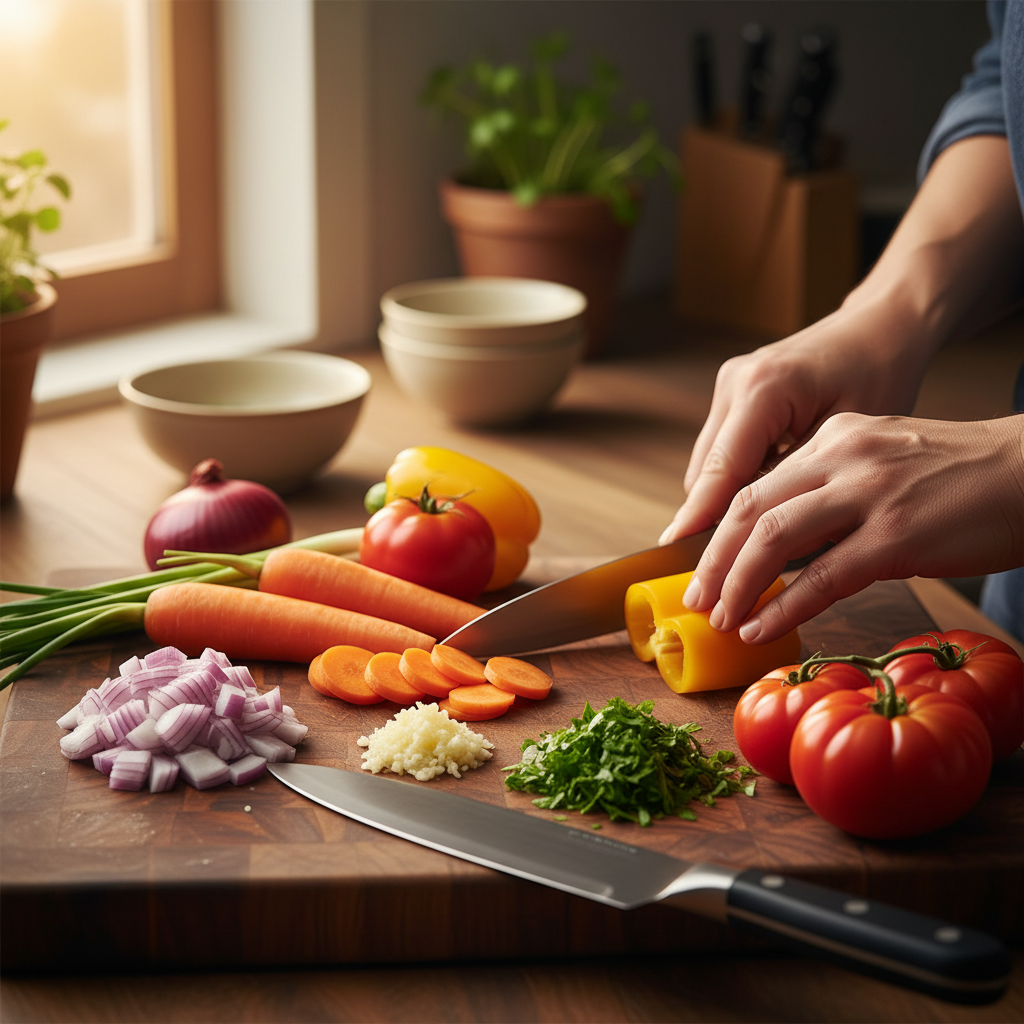
Cooking with Confidence: Essential Knife Techniques Every Home Chef Needs to Know
Every home cook knows the importance of having a good knife in their kitchen, yet many might underestimate the impact that proper knife techniques can have on their cooking experience. A well-handled knife doesn’t just enhance your safety; it transforms the time spent in the kitchen from a chore into a joyful and creative endeavor. When wielded with confidence and skill, a knife can become not only a tool but an extension of your culinary vision. Understanding the different cuts, techniques, and the nuances of knife maintenance can empower any home chef to elevate their dishes with precision and flair.
Whether you're chopping vegetables, filleting fish, or slicing meats, the foundation of great cooking begins with mastering your knife skills. Many novice cooks approach their knives with trepidation, unsure of how to hold a chef's knife correctly or navigate the sometimes deceptively simple techniques like mincing or chiffonading. However, as with any skill, the right knowledge and practice can vastly improve your capabilities. Learning to handle a knife confidently translates not only to speed but to the flavors and textures of the ingredients.
In this blog post, we will explore essential knife techniques every home chef needs to know. From understanding knife anatomy to learning various cutting methods, we will cover all you need to build your skills. By the end of our journey, you will feel empowered to tackle any culinary adventure with your trusty blade at your side, and you'll wonders why you ever hesitated to wield it with confidence.
Understanding Knife Anatomy
Before diving into the techniques themselves, it’s essential to familiarize yourself with basic knife anatomy—this knowledge forms the backbone of proficient knife handling. Here are the key parts of a knife that every chef should know:
The Blade
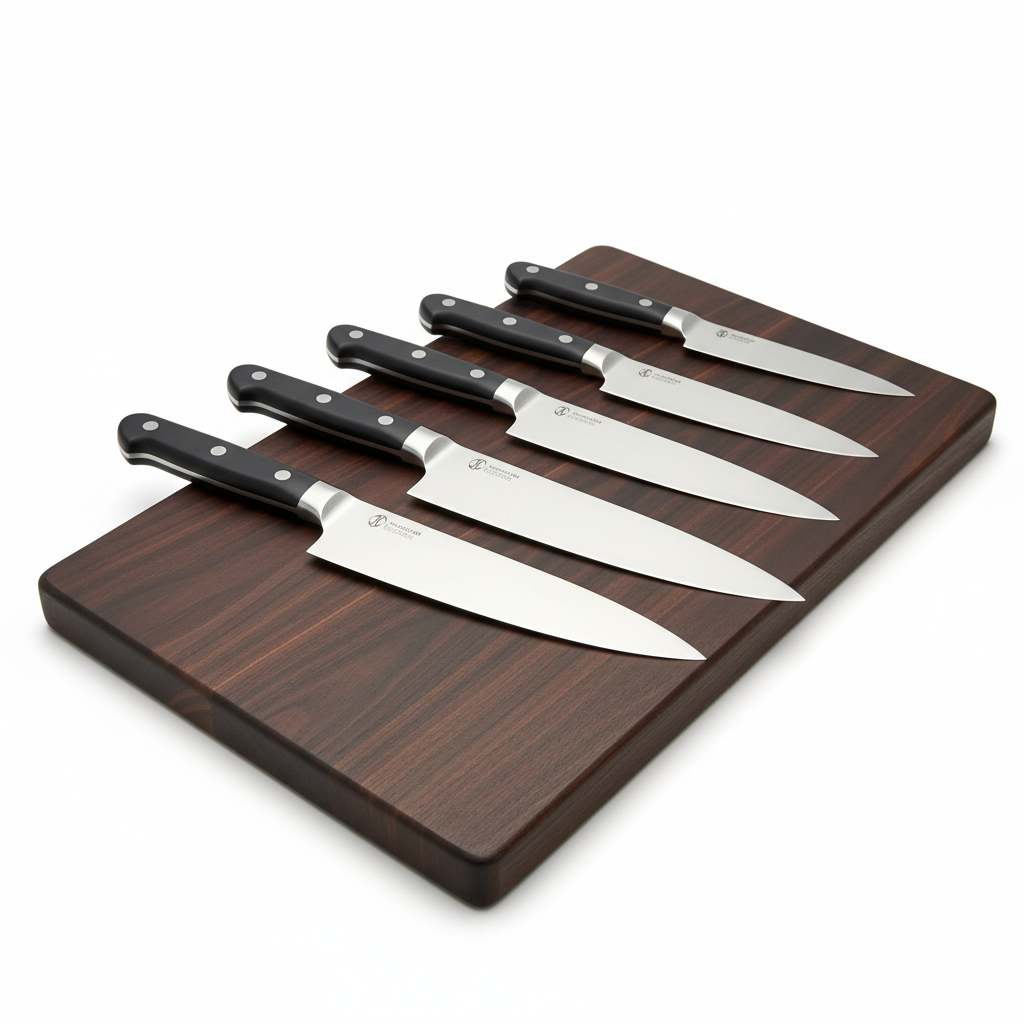
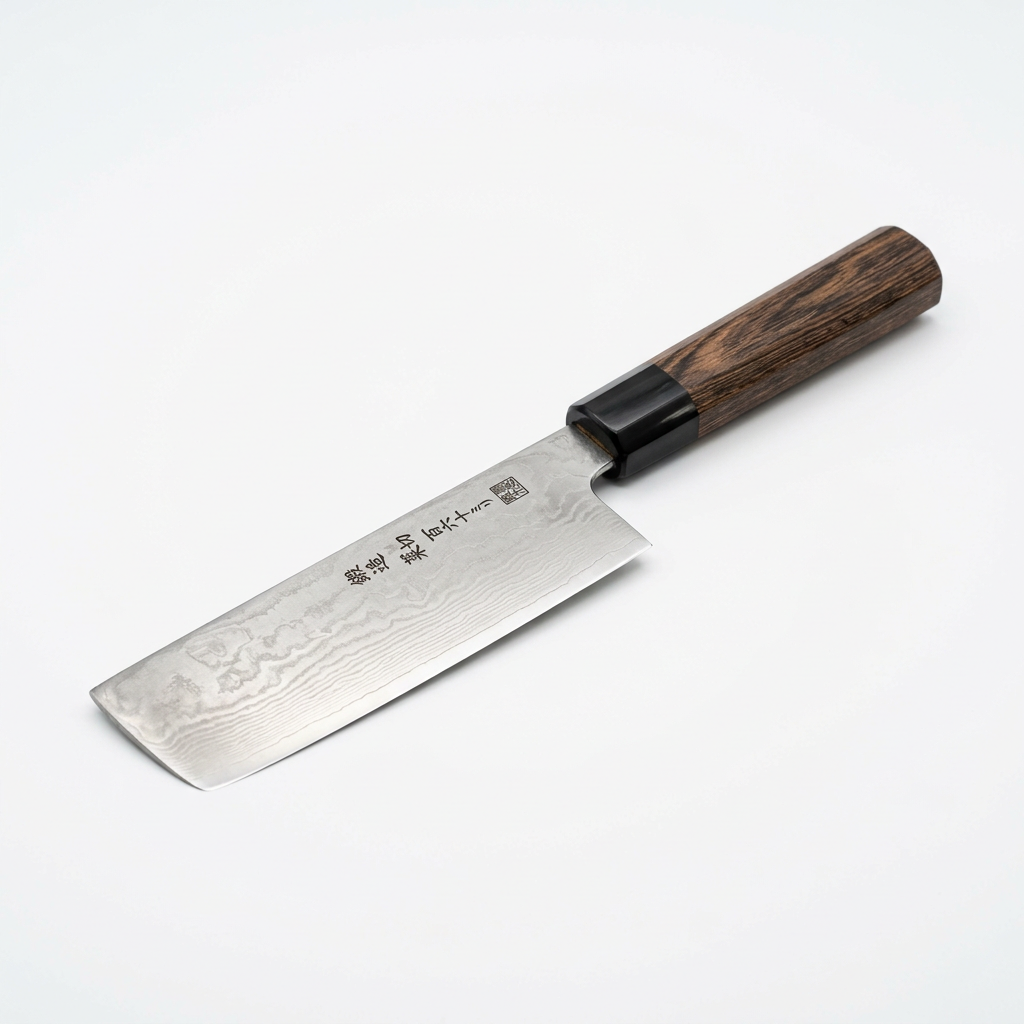
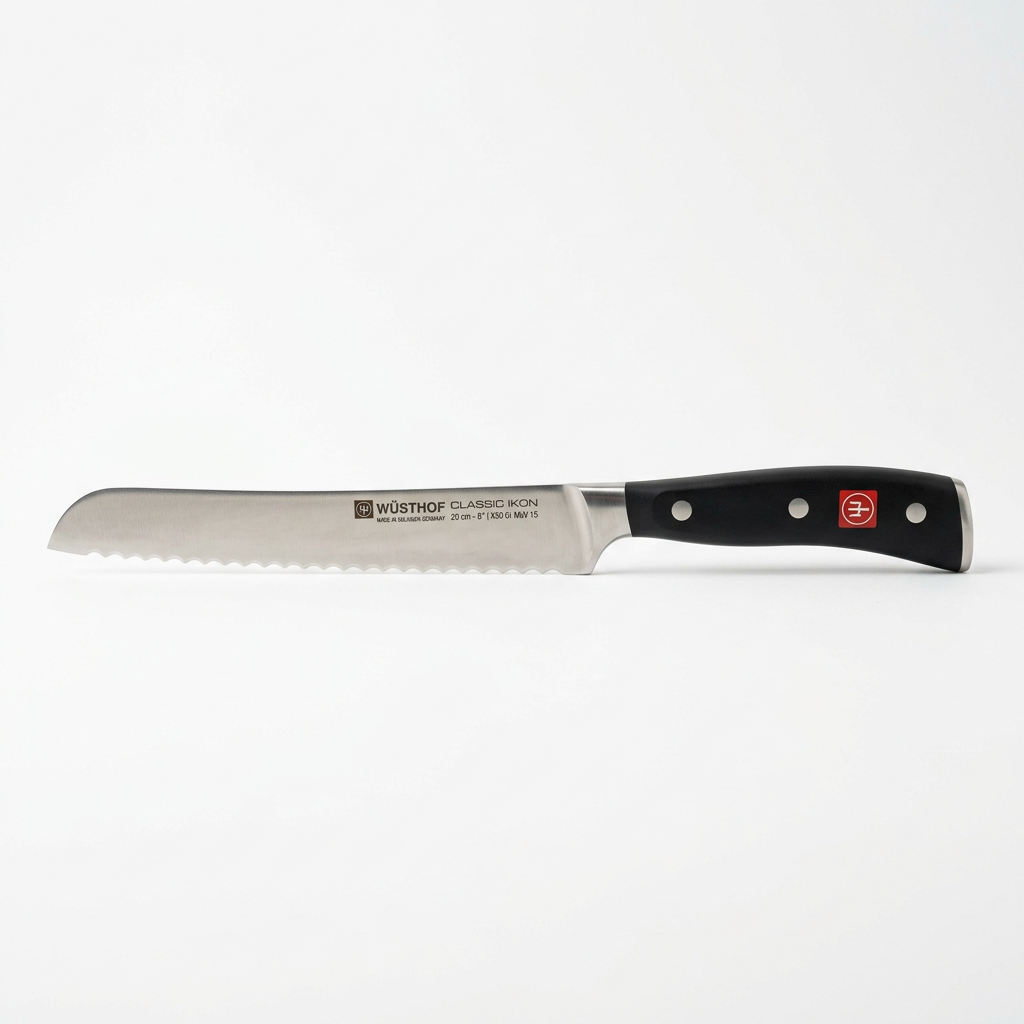
The blade is where the magic happens. It comes in various shapes and sizes depending on the knife type (chef’s knife, paring knife, serrated knife, etc.). Understanding blade geometry can help you choose the right knife for each task:
The Handle
The handle’s design is critical for a comfortable grip which can significantly affect your cutting prowess. There are different styles of handles, such as:
Choose a handle that feels comfortable and balanced in your hand. A well-fitted handle prevents slippage and allows for greater control while cutting.
The Tip and Heel
Understanding the function of each part will better prepare you for using a knife effectively, enhancing both your safety and efficiency in the kitchen.
Safety First! Learning Proper Knife Handling Skills
Safety is paramount when it comes to handling knives. Mastering a few basic principles can not only protect you from accidents but also make every slicing experience feel more enjoyable and secure.
Proper Grip Techniques
The way you hold your knife can dramatically influence your cutting stamina and precision. Here are two popular grip techniques:
- Pinch the blade between your thumb and the index finger, while your remaining fingers hold the handle. This grip provides excellent control and allows for more maneuverability, especially for intricate cuts.
- This is a more beginner-friendly grip where you simply hold the handle with all your fingers. It offers less control but is still viable for basic tasks.
The Importance of the Cutting Board
Choosing the right cutting board is also crucial for safe knife handling. Here’s what you should keep in mind:
Cutting Techniques for Safety
When you're ready to start chopping, keep these safety tips in mind:
"A sharp knife is a safe knife; dull edges lead to slips and accidents."
Basic Cuts: Foundations for Precision
Now that you are familiar with knife anatomy and safety protocols, it's time to explore basic cuts. Mastering these techniques will allow you to enhance your efficiency and presentation in the kitchen.
Dicing
Dicing involves cutting food into uniform cubes, an essential skill for many recipes, from soups to salads.
Chopping
Chopping is more of a rustic cut, providing bigger pieces compared to dicing. This is often used for chunky soups and salads.
Mincing
Mincing is useful for aromatics such as garlic, ginger, or herbs. The finer the cut, the more intense the flavor.
Julienne
Julienne cuts are thin strips, perfect for vegetables like bell peppers or carrots in stir-fries.
Batonnet
Batonnet cuts are thicker versions of julienne and serve as a base for many other cuts. These cuts can also serve as finger foods.
"The beauty of cooking lies in precision. A good slice enhances the dish—think of it as your first brushstroke on a blank canvas."
Advanced Techniques for the Home Chef
Once you’ve grasped the foundational cuts, it’s time to move onto advanced techniques that will truly transform the way you approach your cooking.
The Art of Blooming Herbs
While chopping herbs may seem straightforward, the technique can significantly influence flavor profiles.
Specialty Cuts: Chiffonade and Brunoise
Filleting Fish
Learning how to fillet fish can elevate your culinary skills significantly. Here’s a simplified approach:
Ensure you practice appropriate technique and use the right angle of the blade to achieve perfect fillets.
Peeling Techniques
Simple yet effective, knowing how to peel various vegetables and fruits is paramount.
Knife Care and Maintenance
An essential yet often overlooked aspect of knife handling is proper care and maintenance. A good knife can last a lifetime but only if treated correctly.
Sharpening Your Knife
Sharpening is fundamental in maintaining a high-performance knife. Here’s a step-by-step guide:
Cleaning and Storage
Keeping your knives clean and properly stored is vital for their longevity.
Regular Maintenance
“Investing time in knife care can profoundly impact the quality of your cooking, leading to safer and more enjoyable culinary experiences.”
Inspiration for Practice
Incorporate practice into your cooking by challenging yourself with various knife skills. Here are some ideas to inspire you:
Conclusion
Becoming skilled with a knife is not merely about cutting; it involves understanding the nuances of the tools at your disposal and nurturing a genuine relationship with your ingredients. Every slice, every chop is a step towards creating something greater, an expression of your creativity in the kitchen. Practice regularly, embrace mistakes, and above all, have fun as you explore the multifaceted world of culinary arts.
As you grow accustomed to these techniques, you'll find yourself working with greater efficiency and creativity, allowing the kitchen to become your playground. Remember, every great chef started as a novice, and honing your knife skills is the first step in your culinary journey. Happy cooking!

Get the Next Recipe
Weekly recipes, techniques, and gear picks — straight to your inbox.
