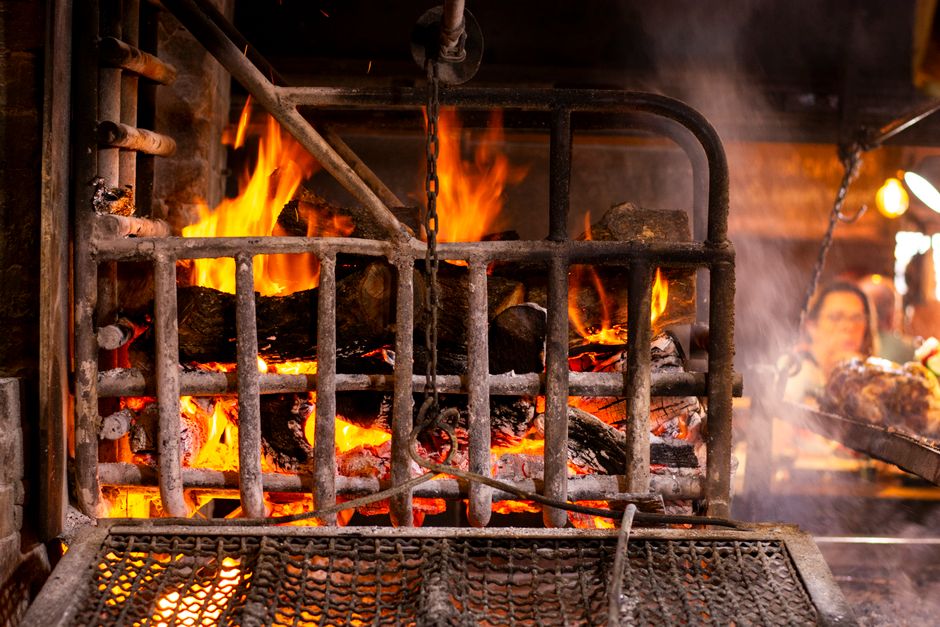
Cooking with Fire: The Renaissance of Open-Flame and Wood-Fired Cuisine
There is an undeniable, primal magnetism to the dance of flames licking the bottom of a cast-iron skillet or the gentle, glowing embers of seasoned oak beneath a perfectly seared ribeye. In our modern kitchens, we have become dangerously accustomed to the convenience of induction and gas burners, which provide consistent, reliable heat at the press of a button. However, there is a profound disconnection that occurs when we lose touch with the very element that first allowed humanity to transcend raw consumption. Cooking with fire is not merely a method of heating ingredients; it is an intimate conversation between the cook, the fuel, and the proteins or produce being transformed. By stripping away the digital interface of the modern range, we are forced to re-engage with our senses, learning to interpret the radiant heat of charcoal and the aromatic plumes of smoke that define true culinary artistry.
The renaissance of open-flame cooking represents a collective craving for authenticity in an increasingly synthetic world. It is the antithesis of the microwave, demanding patience, presence, and a deep respect for the raw materials we bring to the grate. When you choose to cook over wood or fire, you aren't just making dinner; you are engaging in a centuries-old tradition that prioritizes texture, depth, and a complex flavor profile that simply cannot be replicated by electricity. This journey requires us to slow down, observe the transformation of the flame from a roaring, unruly beast into a steady, controlled bed of embers, and understand how to manage that thermal energy to yield spectacular results. It is time to step away from the automated kitchen and reclaim the hearth as the spiritual center of the home.
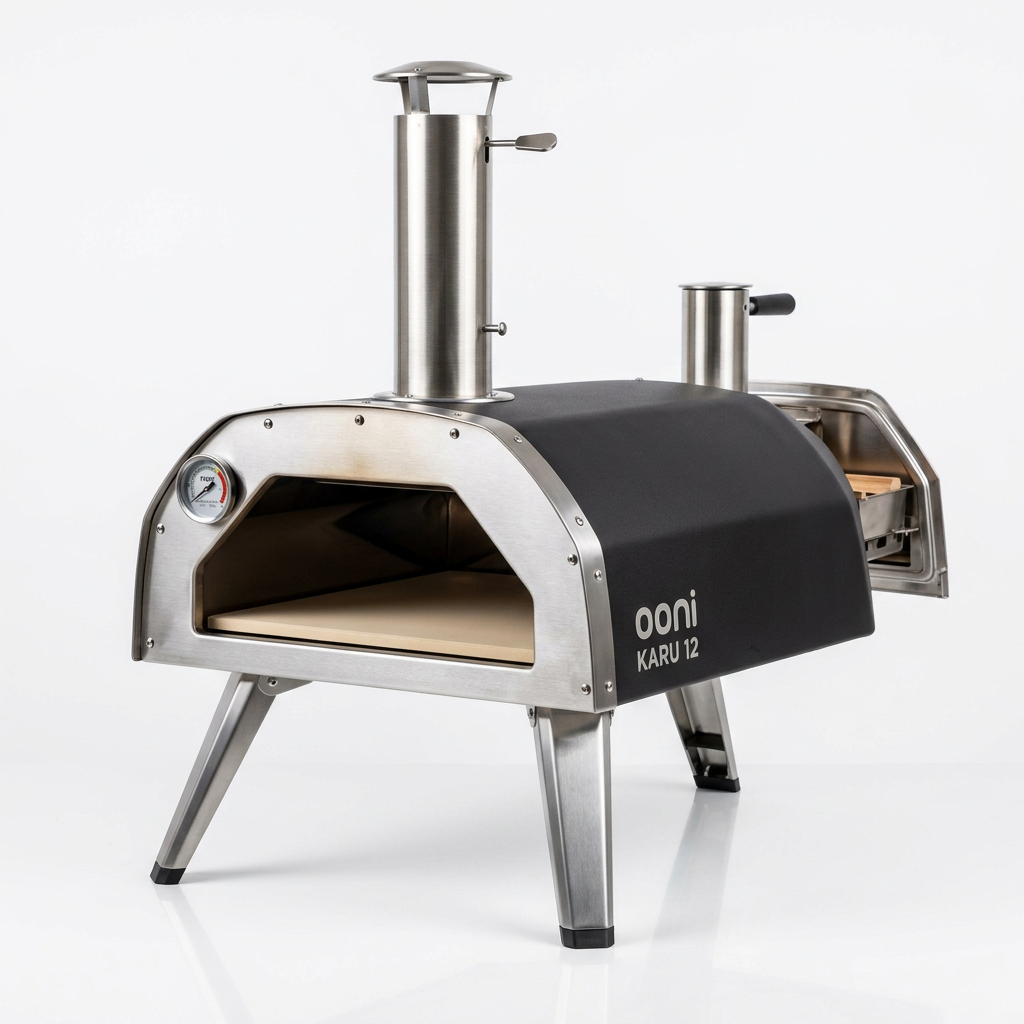
For those of you ready to embrace the smoke, this guide serves as your roadmap to mastering the elements. We will explore the mechanics of heat management, the crucial differences in fuel selection, and the specific techniques that distinguish a charred disaster from a masterfully executed meal. Whether you are working with a backyard charcoal grill, a wood-fired pizza oven, or even a specialized indoor fireplace, the principles of thermal dynamics remain constant. By the end of this exploration, you will understand how to balance the intensity of the flame with the delicate requirements of your ingredients, turning every backyard gathering into a showcase of professional-grade culinary prowess.
The Chemistry of Smoke and Flame
At its most fundamental level, cooking over fire is a masterclass in chemistry. When we introduce food to the intense, dry heat of an open flame, we initiate the Maillard reaction—the chemical reaction between amino acids and reducing sugars that gives browned food its distinctive, savory flavor. Unlike a standard oven, which uses ambient air heat, open-flame cooking utilizes a combination of radiation from the glowing coals and convection from the hot air moving around the food. The smoke, meanwhile, is not just an aesthetic addition; it is a complex infusion of volatile organic compounds, including phenols, syringols, and guaiacols, which penetrate the surface of the meat, creating a flavor profile that is both earthy and nuanced.
To control this process, you must understand the difference between the flame and the ember. A direct, dancing flame is volatile and unpredictable, ideal for quick, high-heat searing of thinner cuts of meat or vegetables. However, once that flame dies down, the resulting glowing coals become a source of consistent, radiant infrared heat. This heat is far more manageable and provides the steady temperature necessary for longer cooks or for finishing items that require a gentle touch. As a home cook, your primary goal is to become an expert at managing the "coaling process," ensuring you have a deep enough bed of embers to maintain the desired temperature without the risk of flare-ups that can introduce acrid, soot-filled flavors.
The Importance of Fuel Selection
The fuel you choose serves as the foundation of your flavor. Hardwoods such as oak, hickory, cherry, and mesquite are the gold standard for a reason. Oak is the most versatile, offering a balanced, medium-intensity smoke that complements everything from beef to root vegetables. Hickory is far more assertive and can easily overpower delicate fish or poultry if used in excess. Fruitwoods, like apple or cherry, provide a subtle, slightly sweet undertone that is perfect for pork or poultry, where you want to enhance the natural sugars rather than mask them. Always avoid treated lumber or softwoods like pine, which contain resinous compounds that will leave your food tasting bitter and chemically tainted.
The secret to great fire cooking isn't the skill of the chef as much as the quality of the fuel and the patience of the hands that manage the heat. If you rush the coals, you invite the bitter smoke to ruin the meal.
Hardwoods*: Ideal for long, consistent burns.
Lump Charcoal*: Best for high-heat searing and quick response times.
Briquettes*: Useful for beginners due to their predictable, long burn time, but often contain additives.
Mastering Heat Zones and Thermal Management
The most significant mistake home cooks make when transitioning to open-flame cooking is failing to create heat zones. You should never fill your entire grate with a uniform layer of coals. Instead, divide your cooking surface into three distinct sectors: the high-heat searing zone, the medium-heat cooking zone, and the "cool" or resting zone. By creating these gradients, you allow yourself the flexibility to move an item from a blistering sear to a gentle, indirect finish, preventing the outside from burning before the center has reached your desired target temperature. This is the hallmark of the professional chef, who knows that control is the ultimate ingredient.
When monitoring your temperature, forget the digital display on your oven. You must learn to use the hand-test method to gauge the heat of your fire. Hold your palm roughly five inches above the cooking grate. If you can hold it there for only one second, you are in a high-heat zone (above 500°F), perfect for steaks and crusty flatbreads. If you can hold it for three to four seconds, you are in a medium-heat zone (350°F to 400°F), ideal for chicken, sausages, or thick-cut vegetables. If you can hold your hand there for more than six seconds, the heat is low (below 300°F), which is the perfect environment for slow-roasting root vegetables or keeping finished items warm while the rest of the meal hits the table.
Implementing the Two-Zone Setup
To set this up, place all of your coals on one side of your grill or fire pit. This creates an immediate "high" side and a "low" side. If you need a more nuanced setup, pile your coals in a ring around the edge, creating a "donut" configuration, or stack them in a pyramid for maximum intensity in the center. Use a long-handled chimney starter to light your charcoal, ensuring that the coals are completely ashed over and grey before dumping them into your setup. Introducing partially lit coals into your fire is a recipe for uneven cooking and off-flavors, as the volatile gases from the burning starter fluid or unlit carbon will permeate your food.
The Art of the Sear: Proteins and Beyond
When searing over an open flame, the crust is everything. To achieve the perfect Maillard reaction, the surface of your protein must be as dry as possible. Moisture is the enemy of the sear; it turns into steam, which prevents the meat from reaching the temperatures required for browning. Pat your steaks, chops, or fish fillets dry with paper towels at least 30 minutes before they hit the heat. Season them liberally with high-quality kosher salt, which draws out residual moisture and creates a saline-rich crust that locks in the juices. Do not be afraid to use a heavy hand; open-fire cooking requires more seasoning than indoor cooking because the intense, dry heat can quickly evaporate surface moisture.
Timing is the final frontier. A thick-cut, bone-in ribeye should be started in the medium-heat zone to allow the interior to come up to temperature gradually through convection. Once the internal temperature reaches approximately 110°F, move the steak to the high-heat searing zone. This is where the magic happens. You want to see the fat rendering and the surface bubbling, creating a dark, caramelized exterior that tastes like pure, concentrated beef. Aim for a perfect medium-rare, which sits at roughly 125°F-130°F. Always remember the resting period—a steak cooked over fire needs at least 10 minutes of rest to allow the muscle fibers to relax and the juices to redistribute.
Vegetables with Character
We often overlook vegetables in the context of fire, yet they are perhaps the most transformative ingredients when kissed by smoke. Whole bell peppers, eggplants, and onions can be placed directly onto the glowing coals. Allow the skin to char completely black. Once the skin is blistered and falling off, remove the vegetable and place it in a bowl covered with plastic wrap for 10 minutes. The resulting "sweat" makes the blackened skin easy to peel away, revealing tender, smoky, and incredibly sweet flesh underneath. Toss with a high-quality extra virgin olive oil, fresh herbs, and a squeeze of lemon to create a side dish that outshines the main course.
The beauty of cooking vegetables over a wood fire is the way the smoke acts as a seasoning agent, bridging the gap between the earthiness of the produce and the intensity of the heat. You aren't just heating them; you are fundamentally altering their DNA.
Equipment Essentials for the Modern Hearth
While you don't need a commercial-grade wood-burning hearth to excel, you do need the right tools. Invest in a pair of high-quality, long-handled stainless steel tongs that provide a firm grip without crushing the fibers of the meat. A heavy-duty, cast-iron grate is superior to wire versions because it retains heat far better, creating those coveted "restaurant-style" sear marks. Furthermore, a reliable instant-read thermometer is non-negotiable. Cooking by feel is an advanced skill that comes with years of practice; until you have reached that level of intuition, let science guide your thermometer to ensure you aren't serving raw centerpieces or dried-out fillets.
Safety, of course, is paramount. Always keep a fire extinguisher nearby and ensure that your grill is placed on a non-combustible surface. Wear heat-resistant gloves that cover your forearms—a stray spark can cause a nasty burn before you even realize what has happened. When managing the fire, keep a water spray bottle on hand. It is not for extinguishing the fire, but for controlling flare-ups caused by dripping fat. A light mist will dampen the flare-up without cooling the coals significantly, allowing you to maintain your steady, radiant heat source for the duration of the cooking process.
Maintenance and Seasoning
If you are using cast-iron cookware over an open flame, treat your pans with extreme care. The high heat can easily strip away your seasoning if you aren't careful. After cleaning, apply a thin layer of high-smoke-point oil (like grapeseed or avocado oil) and heat it over the coals until it just begins to smoke. This maintains the non-stick surface and prevents rust. Treat your fire pit or grill with the same respect; remove ash regularly, as a build-up of ash can impede airflow, making it difficult to keep your fire lit or to reach high temperatures.
Troubleshooting the Common Pitfalls
Even the most experienced chefs encounter trouble when working with fire. The most common issue is the "bitter soot" syndrome, where the food takes on an acrid, chemical flavor. This is almost always caused by a fire that is starving for oxygen or using wood that hasn't been properly seasoned. Ensure your fire has plenty of airflow by positioning your logs or charcoal in a way that allows for natural convection. If you are using wood, ensure it has been "cured" or dried for at least six to twelve months; green or damp wood will produce thick, white, bitter smoke that ruins everything it touches.
Another frequent problem is the "burnt outside, raw inside" dilemma. This occurs when the heat is too intense for the thickness of the item being cooked. If you find your steak is charring before it is cooked through, you have failed to utilize your heat zones properly. Move the protein to the cooler side of the grate immediately, and if necessary, tent it loosely with aluminum foil to trap the radiant heat, allowing the center to reach the target temperature without further browning the exterior. The ability to pivot mid-cook is what separates the enthusiast from the amateur.
Refining Your Palate: Smoke Infusion and Aromatics
Once you have mastered the basics of heat and fuel, you can begin to experiment with smoke infusion. This involves adding fresh herbs or aromatic woods directly onto the coals during the final stages of the cook. A handful of rosemary branches or bay leaves tossed onto a charcoal bed just before you finish searing a lamb chop will infuse the meat with a delicate, herbal essence that is impossible to achieve with a standard stove. The aromatic oils in the herbs vaporize in the heat, wrapping the protein in a fragrant veil that adds a layer of professional complexity to your dish.
You can also use aromatic woods in a more controlled manner. Try placing a piece of cedar or maple wood on the cool side of your grill, away from the direct heat. As it slowly smolders, it will release a consistent stream of clean, light smoke that imparts a subtle flavor without the harshness of a direct flame. This is perfect for smoking fish, cheese, or even vegetables. The key is subtlety—your goal is to enhance the flavor of the food, not to bury it under a mountain of smoke.
Rosemary & Thyme*: Excellent with red meat and root vegetables.
Garlic & Onion Skins*: Throw them directly on the coals for a savory, pungent aroma.
Citrus Peels*: Adds a bright, acidic note to poultry.
Bay Leaves*: Provides an earthy, medicinal undertone to hearty game meats.
Conclusion
Cooking with fire is a return to the roots of human sustenance, a way to connect with the raw power of nature while honing the technical precision of a chef. It demands patience, rewards observation, and ultimately produces meals that are richer, more complex, and more deeply satisfying than anything produced by the sterile efficiency of a modern appliance. As you begin your journey into this renaissance of wood-fired and open-flame cooking, remember that your greatest teacher will be the fire itself. Watch how it changes, learn to interpret its language, and never be afraid to experiment with the variables of heat, fuel, and time.
Do not be discouraged by initial failures. Even the best chefs have charred a piece of meat or struggled to keep a fire burning in the rain. Each misstep is a lesson in the physics of thermal energy and the art of adaptation. With consistent practice, you will develop an intuitive understanding of the process that allows you to cook with confidence and joy. So, gather your firewood, clear your hearth, and prepare to elevate your culinary repertoire to the elemental level. The rewards—a perfect sear, the haunting aroma of hardwood smoke, and the unparalleled flavor of a meal cooked in the traditional way—are waiting for you. This is the "Blame The Chef" way: mastering the oldest technique in the book to create the most modern, elevated dining experience imaginable. Start your fire today, and taste the difference for yourself.
Get the Next Recipe
Weekly recipes, techniques, and gear picks — straight to your inbox.
