
Coq au Vin: A Masterclass in French Braising
Coq au Vin, a dish synonymous with French country cooking, exemplifies the beauty of braising. This rustic stew not only embodies the essence of French cuisine but also celebrates the magical transformation of simple ingredients into a deeply flavorful dish. Picture tender chicken pieces bathed in a rich, wine-infused sauce, complemented by earthy mushrooms, crispy lardons, and aromatic herbs. As the dish simmers away, it fills the kitchen with an inviting aroma that calls to family and friends, inviting them to gather around the table to share in a sumptuous feast.
At its core, Coq au Vin is not just about nourishing the body but also about comforting the soul. This dish has roots traceable to the rural French kitchens of the past, where every meal was a celebration of local ingredients and culinary tradition. While the original recipes dated back centuries would utilize rooster, modern adaptations favor chicken, making it accessible for today’s home cooks. Cooking Coq au Vin requires patience and attention to detail as the braising process is where the magic happens, giving the meat the opportunity to absorb countless flavors over a gentle simmer.
Creating this dish is not merely about following a recipe; it's an opportunity to engage in a culinary experience that honors history and technique. As you embark on this journey, you will learn about essential cooking techniques, the science of flavor building, and the art of timing—all integral components to mastering Coq au Vin. Grab your apron, pour yourself a glass of wine, and let’s dive into this mouthwatering French classic.
The Essence of Coq au Vin
History and Origins
At its heart, Coq au Vin represents the rustic cooking tradition of France, with origins that may be traced back to the Gauls, who utilized wine for cooking long before the rise of the French culinary arts. The dish's historic roots represent regions like Burgundy, renowned for their high-quality wines, which were traditionally used in the cooking process. While the term "coq" refers to rooster, meaning the original dish was made with the male bird, contemporary recipes more commonly feature chicken, making it accessible and convenient for every home cook.
Traditional recipes emphasize the use of local ingredients, reflecting the farm-to-table ethos that has shaped French cuisine. It’s not just a comforting meal but rather a way of celebrating regional produce and the terroir associated with different types of wine. The choice of wine is paramount in creating the depth of flavor central to Coq au Vin, with red Burgundy wine being the most traditional option. However, utilizing the wine that you enjoy drinking can yield delightful results.
The rise of Coq au Vin in popular culture can also be traced back to the culinary prowess of French chefs such as Julia Child, who brought French cooking into the American home in the 1950s. Through her famous cookbook, she demystified the complexities of French cuisine, allowing generations of cooks the chance to recreate exquisite dishes like Coq au Vin in their own kitchens.
Components of the Dish
Understanding Coq au Vin starts with identifying the key components of the dish. This is not just a chicken stew; it is an intricate harmony of flavors, textures, and aromas that come together during the cooking process. Here are the essential ingredients you will need:
These ingredients, when combined thoughtfully, create an exquisite dining experience, elevating this classic dish from an everyday meal to something worthy of a celebration.
Preparing Your Kitchen
Before diving into cooking, it's important to prepare your kitchen and gather all necessary tools and ingredients:
Braising is an art; its success hinges on preparation. Once you have everything at your fingertips, you're ready to embark on the cooking journey that is Coq au Vin.
The Braising Process: Step by Step
Step 1: Marinating the Chicken
While not mandatory, marinating the chicken in wine and aromatics beforehand can significantly enhance the flavors absorbed by the meat. For the best results, follow these steps:
This crucial step not only tenderizes the chicken but also infuses it with the herbal notes required for a truly authentic dish.
Step 2: Searing the Chicken
Once marinated, the searing process is pivotal in building the foundational flavor of your dish.
Browning the chicken not only adds a visually appealing color but also creates the fond — the flavorful brown bits stuck to the bottom of the pan, which will impart depth to your sauce later.
Step 3: Building the Sauce
Cooking the aromatics and deglazing the pan is the next essential step:
Professional Chef Tip: The secret to a well-rounded sauce is to build layers of flavor. Take your time here, allowing the mushrooms and aromatics to caramelize before introducing additional ingredients.
Step 4: Simmering the Dish
Now comes the exciting part—bringing everything together!
During this time, the chicken will gradually become tender as it absorbs all the flavors from the sauce.
Step 5: Final Touches
As you near the end of the cooking process, it’s important to check for doneness and final seasoning.
Merely relying on the recipe isn’t enough; every dish requires a final touch to achieve that desired depth and balance.
Step 6: Serving Your Coq au Vin
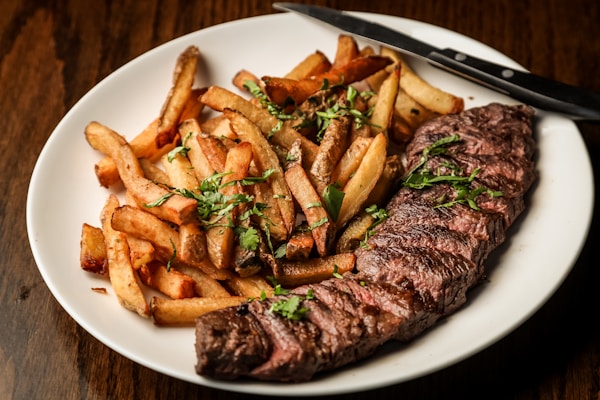
Coq au Vin is best served alongside sides that soak up the luxurious sauce. Here are some ideas:
Once plated, garnish with freshly chopped parsley for a burst of brightness that contrasts beautifully with the dish’s rich flavors.
Wine Pairing with Coq au Vin
Choosing the right wine to pair with your Coq au Vin can elevate your dining experience. Since the dish itself is made with red wine, let’s explore pairing options.
Matching the Burgundy Tradition
Traditionally, Coq au Vin is made with Burgundy wine, making Pinot Noir an exceptional choice. Not only does it beautifully complement the flavors in the dish, but it also harmonizes with the earthy mushrooms and savory lardons. When serving, consider these tips:
Alternative Wine Options
If Pinot Noir isn’t available, several alternatives could work just as well:
Cooking Tips and Tricks
Small Adjustments for Great Results
Mastering Coq au Vin is as much about understanding the process as it is about making small adjustments along the way. Here’s what to keep in mind:
Troubleshooting Common Problems
Cooking can be unpredictable, but don’t stress! Here are common issues and simple fixes:
Enhancing Your Cooking Skills
Consider these continual learning opportunities:
“Cooking should be an adventure; embrace variations and make each dish your own.”
Final Thoughts
Coq au Vin is a testament to the timelessness of French culinary tradition. As you unwrap the layers of flavor, you will not only master the techniques of braising and simmering, but you will also discover the joy of bringing loved ones together over a lovingly prepared meal. This dish teaches patience, respect for ingredients, and the beauty of simplicity in cooking.
Remember that every dish may have its own nuances when it comes to flavor balance and timing, but embracing this journey is what makes you a skilled home cook. So, pour yourself a glass of wine, gather your ingredients, and take pride in bringing this classic French dish to life in your kitchen. Bon appétit!

Get the Next Recipe
Weekly recipes, techniques, and gear picks — straight to your inbox.
