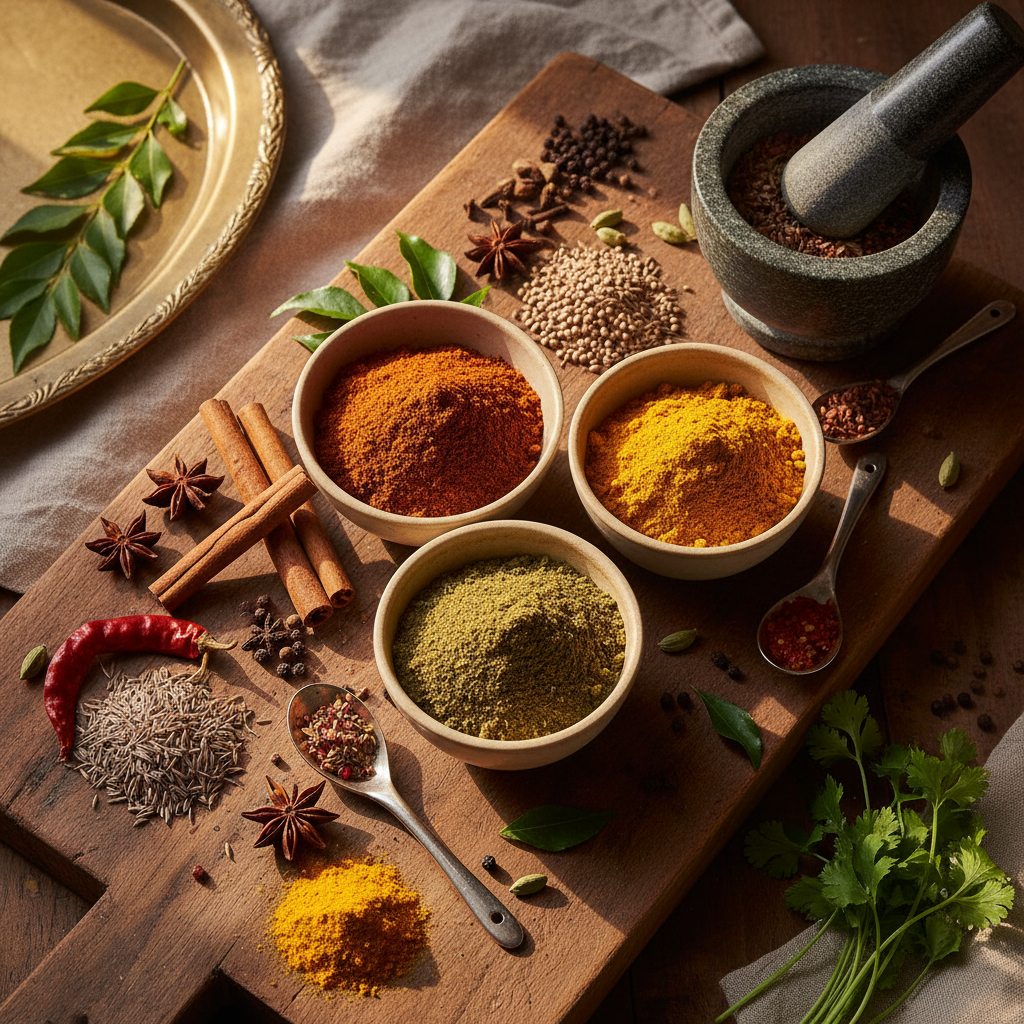
Crafting the Perfect Spice Blend: A Journey Through Authentic Indian Masalas
The world of Indian cuisine is rich and diverse, steeped in tradition and bursting with flavors. At the heart of this vibrant culinary tapestry lies the art of spice blending, a practice that transforms simple ingredients into complex and aromatic dishes. Every region in India boasts its own unique combination of spices, known as masalas, which not only define regional flavors but also reflect local culture and history. Understanding the nuances of spices and mastering the craft of blending them allows home cooks to create authentic Indian flavors in their own kitchens, making each dish a celebration of tradition.
The journey through spice blending is as much about individual taste as it is about sticking to traditional methods. It's essential to remember that every cook has their own interpretation of a masala, where personal preferences play a significant role. This flexibility encourages experimentation, allowing home cooks to create blends that cater to their palates while staying rooted in the authenticity of Indian cuisine. As you delve deeper into masalas, you will discover that they can elevate not just Indian dishes but a multitude of cuisines around the world, showcasing the universal appeal of spices.
In this blog post, we will embark on a culinary adventure exploring various authentic Indian masalas. We’ll delve into the processes used to create them, key spices to include, and some essential cooking techniques that will help bring these flavors to life. By the end of this journey, you should feel empowered to whip up a diverse range of spice blends, enhancing your cooking repertoire and tantalizing the taste buds of your family and friends.
Understanding the Essence of Masalas
To truly appreciate the art of spice blending, it's crucial to understand what masalas are and how they function in Indian cuisine. Simply put, a masala is a combination of spices that adds flavor and depth to dishes. They can be used in various forms, whether they are dry, wet, or grounded into a paste. The difference between these forms primarily affects the flavor intensity and the cooking process.
Types of Masalas
- Garam Masala
- Chaat Masala
- Tandoori Masala
- Bhuna Masala
- Green Paste (made from cilantro and green chilies)
“A well-balanced masala is the cornerstone of Indian cuisine, where each spice plays a harmonious role in the overall flavor profile of a dish."
The Role of Spices
Each spice in a masala has its unique flavor, aroma, and health benefits. Here’s a breakdown of key spices commonly used in Indian cooking:
Mastering the role of each spice will enable you to create balanced and flavorful masalas. Consider keeping a spice journal where you document flavors, aromas, and personal preferences as you experiment with different blends. This practice can guide you in customizing masalas tailored to your taste.
Essential Techniques in Spice Blending
Creating your own masala blends requires understanding specific techniques. The method you use will significantly influence the final flavor profile. Here, I’ll introduce a few essential techniques that every aspiring chef should master.
Dry Roasting
Dry roasting spices enhances their flavors by releasing essential oils. Follow these steps for perfect dry roasting:
Grinding Techniques
Grinding can drastically alter the flavor of spices. Whole spices are more flavorful than pre-ground ones, so it's often best to grind them fresh. Here are tips for grinding spices:
“The right grinding technique can enhance the aromatic profile of your masala and introduce a nuanced complexity that you won't achieve with pre-ground spices.”
Balancing Flavors
Creating a well-rounded masala is all about balance. When blending spices, consider the following aspects:
Remember, a successful spice blend is about finding the perfect harmony of flavors that work well together.
Popular Indian Masalas to Master
Now that we have an understanding of masalas and the techniques to create them, let’s dive into some popular masalas that every home cook should know. Each of these masalas serves as a foundational building block for a range of Indian dishes.
Garam Masala
Garam Masala is arguably the most recognizable Indian spice blend. It varies by region but generally includes spices such as cardamom, cinnamon, and cloves.
Ingredients:
Method:
Usage Tips: Use garam masala while cooking lentils, marinades, or as a finishing sprinkle on dishes like biryanis.
Chaat Masala
Chaat Masala is a tangy, spicy blend traditionally used to season Indian street foods. It tends to be more complex due to the inclusion of amchur (dried mango powder) and other tangy spices.
Ingredients:
Method:
Usage Tips: Sprinkle over salads, yogurt, or potato dishes to add that street-food flair.
“Chaat Masala's lively tanginess brings dishes to life, making it a favorite among spice lovers.”
Tandoori Masala
Originally used to marinate meats for cooking in a tandoor (a clay oven), Tandoori Masala is a vibrant blend that adds a smoky flavor to dishes.
Ingredients:
Method:
Usage Tips: Perfect for marinating chicken or veggies before grilling, this masala can impart a delicious smoky flavor even if you are using a regular oven.
The Impact of Freshness and Storage
The freshness of your spices directly impacts the quality of your masalas. As spices age, they lose their potency, resulting in a blend that lacks depth and flavor. To ensure you achieve the best results in your cooking, be mindful of the following best practices:
Buy Whole Spices
Whenever possible, purchase whole spices instead of pre-ground options. Whole spices retain their natural oils and flavors much better, maximizing the potency of your masalas.
Store Properly
Know When to Replace
Spices typically have a shelf life of 6 months to 1 year, depending on their type. If your spices have lost their aroma or flavor, it’s time to replace them. Regularly cycle through your inventory to keep your spice cabinet fresh and vibrant.
Cooking with Masalas: Techniques and Recipes
Understanding the basics of masalas is only the beginning; integrating them into your cooking can lead to delightful culinary adventures. Here, we’ll explore practical techniques for using masalas effectively in your dishes.
Marinating with Masalas
Marinating meats or vegetables with masalas before cooking allows the flavors to penetrate deeply, enhancing the dish. Here's a simple marination method:
Cooking Techniques
- Heat oil in a pan.
- Add spices like cumin seeds or mustard seeds.
- Once they begin to crackle, add onions, garlic, or other base ingredients.
Signature Dishes to Try
Recreating familiar dishes is a wonderful way to put your new skills to use. Here are a couple of classic Indian recipes that prominently feature masalas:
#### Chicken Tikka Masala
Ingredients:
Instructions:
#### Aloo Gobi (Potato and Cauliflower)
Ingredients:
Instructions:
Baking with Masalas
Aside from savory dishes, masalas can also add a unique touch to baked goods. What about savory breads or pastries infused with spices? Consider incorporating ingredients like garam masala into naan dough or chai spices into muffin recipes for an unexpected yet delightful twist.
Conclusion
The journey of mastering Indian masalas not only enhances your culinary skills but also connects you to centuries of tradition and culture. Each masala you create is a testament to the art of cooking, infusing your dishes with unique flavors that speak of the rich heritage of Indian cuisine. With the techniques, tips, and recipes laid out in this post, you are now equipped to experiment and tailor your spice blends to suit your tastes perfectly.
Embrace this fragrant adventure in your kitchen. Enjoy the process, savor the results, and share your newfound knowledge with friends and family. In the world of cooking, every meal is an opportunity to create something exceptional, so don’t hesitate to take risks, innovate, and most importantly—blame the chef for any culinary misadventures along the way! Your spice journey has just begun, and the flavor possibilities are endless. Happy cooking!
(Word count: 2,160)

Get the Next Recipe
Weekly recipes, techniques, and gear picks — straight to your inbox.
