
Decoding Southeast Asian Spice Pastes: Building Bold Flavors in Thai and Vietnamese Cooking
The cornerstone of Southeast Asian cuisine, particularly the vibrant traditions of Thailand and Vietnam, rests upon the foundational architecture of the spice paste. For the uninitiated, these mixtures might seem like mere shortcuts, but they are, in reality, the soul of the dish. A well-crafted paste does not simply add heat; it provides a complex, multi-layered aromatic base that evolves as it hits the hot oil of a wok or the simmering broth of a soup. Understanding the interplay of aromatics—galangal, lemongrass, chilies, and shrimp paste—is the single most important leap a home cook can take from "following a recipe" to "understanding flavor profiles." When you learn to balance the aggressive acidity of lime with the deep umami of fermented ingredients, you are no longer just cooking; you are composing music with your palate.
In this deep dive for Blame The Chef, we will strip away the mystery surrounding these pastes. We will explore why the traditional mortar and pestle method yields a texture and oil extraction that a food processor simply cannot replicate. You will learn the precise ratios for tempering your spices to ensure that the volatile oils are released without being scorched. We will also discuss the preservation of these pastes, ensuring that your hard work translates into consistent, bold results throughout the week. By the end of this guide, your kitchen will transition from a place of uncertainty to a laboratory of authentic, high-impact Southeast Asian flavors.
Cooking is an act of patience, and nowhere is this more evident than in the creation of a curry paste or a marinade. Many home cooks make the mistake of rushing the pounding process or failing to toast their spices, resulting in a flat, one-dimensional finish. I am here to tell you that the secret to that restaurant-quality depth isn't a hidden ingredient—it is the mechanical breakdown of plant fibers and the proper extraction of essential oils. Whether you are preparing a fiery Thai Gaeng Keow Wan or a fragrant Vietnamese marinade for grilled pork, the principles remain the same. It is time to stop blaming the chef and start embracing the technique that separates the amateur from the artist.
The Chemistry of the Mortar and Pestle
The choice of tool is the first decision that dictates the quality of your paste. While modern convenience often nudges us toward the high-speed blender, the physics of the mortar and pestle are fundamentally different. When you pound ingredients like garlic, shallots, and lemongrass, you are crushing the cell walls rather than slicing them. This action releases the intracellular juices and essential oils in a way that creates an emulsion, resulting in a cohesive, thick paste that clings to your proteins. A blender, by contrast, uses sharp blades that shear the fibers and often require the addition of water to keep the blades moving, which can dilute the concentration of flavor you are working so hard to achieve.
Why Texture Matters
The texture of your paste is not merely a stylistic choice; it dictates how the flavors bloom when they hit the pan. A coarse paste provides intermittent bursts of aromatics, while a fine, smooth paste integrates seamlessly into coconut milk or broth. To achieve the perfect consistency, always start with the hardest, most fibrous ingredients. Lemongrass stalks, galangal, and dried chilies should be pulverized first. If you try to add soft ingredients like shrimp paste or shallots too early, they will turn into a watery slurry before the fibers of the harder ingredients have been properly broken down.
"The mortar and pestle is not just a kitchen tool; it is a bridge between the raw ingredient and the soul of the dish. It demands your focus, your rhythm, and your respect for the aromatics."
The Technique of Pounding
When you begin, use a rhythmic, circular motion combined with sharp, downward strikes. Hold the pestle firmly but not with a death grip; allow the weight of the tool to do the heavy lifting. If your wrist begins to tire, shift the position of the mortar slightly to ensure you are hitting every corner. For optimal results, keep your aromatics dry—unless the recipe specifically calls for oil—as moisture can cause the ingredients to slide around the mortar rather than being crushed. Always remove the woody outer layers of lemongrass and the fibrous nodes of galangal before you begin, as no amount of pounding will dissolve these woody bits.
Mastering Thai Curry Bases
Thai curry pastes are categorized by their color and heat profile, but they are all governed by a specific ratio of aromatics. The primary components—chilies, galangal, lemongrass, shallots, garlic, and shrimp paste (kapi)—form the holy trinity of Thai flavor. To elevate your curry, you must understand how to "bloom" these pastes. This is a process of frying the paste in a small amount of heavy coconut cream until the oil separates and rises to the surface. This separation is your visual indicator that the raw edge of the aromatics has been cooked out and the flavors have matured.
The Role of Shrimp Paste (Kapi)
Many western cooks are intimidated by shrimp paste, but it is non-negotiable for authentic Thai flavor. It is a fermented, pungent product that provides a deep, savory foundation that salt alone cannot mimic. When cooking with it, always ensure it is thoroughly incorporated into the paste during the pounding stage. When it hits the hot oil, the volatile fermentation odors dissipate, leaving behind a mellow, meaty richness. Never skip this step, and if you are concerned about the smell, simply remember that it is the "secret sauce" behind the complex curries you love at your favorite local spot.
Ingredient Ratios for Beginners
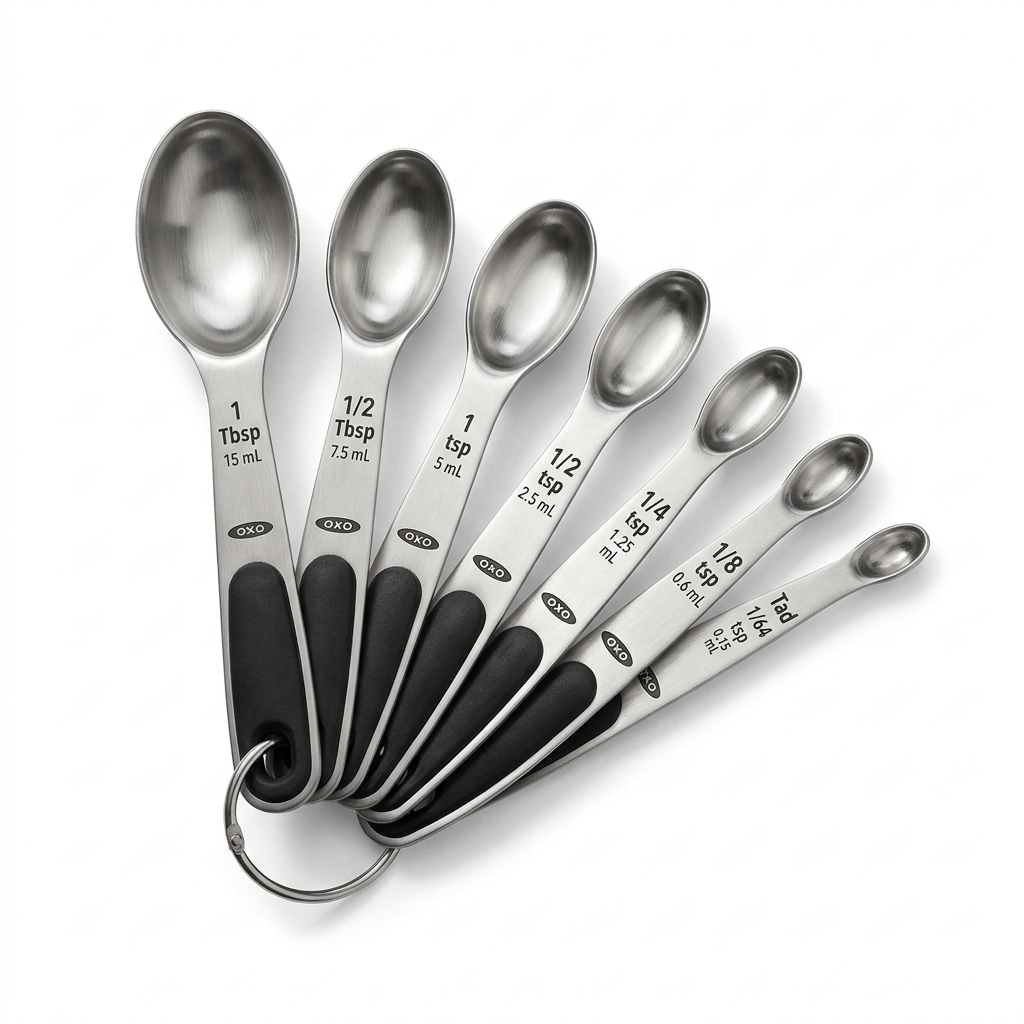
If you are building your first paste, start with a balanced ratio. A good rule of thumb is:
3 parts aromatics* (shallots, garlic, lemongrass, galangal)
1 part fresh chilies* (adjust based on your heat tolerance)
0.5 part shrimp paste* (or fish sauce as a mild substitute)
1 tablespoon of toasted spices* (coriander seeds, cumin, white peppercorns)
By keeping these ratios in mind, you can customize your heat levels without compromising the structural integrity of the curry. Remember, a curry paste should be strong—it is meant to be diluted by liquid, not eaten on its own. If the paste tastes aggressively salty or sharp, it is likely perfect once it meets the coconut milk or stock.
Vietnamese Aromatic Marinades
While Thai cuisine leans heavily into the mortar and pestle paste, Vietnamese cuisine often favors a combination of finely minced aromatics combined with high-quality fish sauce, palm sugar, and neutral oils. The goal here is usually to create a marinade that penetrates the meat deeply without overwhelming its natural flavor. Vietnamese seasoning relies heavily on the balance of the nuoc cham philosophy: salty, sweet, sour, and spicy. When building a base for dishes like Bun Cha or lemongrass chicken, the goal is to create a caramelization base that chars beautifully on a charcoal grill.
The Art of the Infusion
When prepping Vietnamese aromatics, mince your garlic and shallots finely—to the size of a grain of rice—rather than pureeing them. This allows the pieces to adhere to the protein without burning as quickly under high-heat cooking. The inclusion of lemongrass is paramount, but focus on the bottom three inches of the stalk, which is the most fragrant and tender. If you use the upper, leafy parts, you will end up with a stringy, unpleasant texture that ruins the mouthfeel of the dish.
"A great Vietnamese marinade is a lesson in balance. The fish sauce provides the savory punch, the sugar provides the caramelization, and the aromatics provide the aromatic lift that makes the dish sing."
Essential Vietnamese Aromatics
To truly master these flavors, keep your pantry stocked with these three essentials:
Tempering and Heat Management
Once your paste is prepared, the way you cook it is just as important as the pounding. Most home cooks burn their spices by adding them to oil that is too hot. Tempering is the process of gently heating your spices to release their oils without scorching the organic matter. If you smell something acrid or bitter, you have likely burned the garlic or the dry spices. Always start with a medium-low flame and observe the transition of the paste. As it cooks, it will darken slightly and the oil will become glossy.
Avoiding the Bitter Trap
If you find that your curry or stir-fry is turning out bitter, there are two common culprits. First, your chilies may be burnt. Always ensure the chilies are well-integrated into the wet paste before hitting the pan. Second, you may be using too much heat too early. The aromatics need to sweat, not fry aggressively. If the paste starts to stick to the bottom of the pan, add a tiny splash of coconut milk or water to deglaze and lower the temperature immediately.
Chef's Tips for Consistency
Pre-heat your wok or pan* before adding any oil.
Use neutral oils* like peanut or grapeseed for pastes, as they won't interfere with the delicate aromatic profile.
Keep a bowl of water nearby* while pounding; a wet pestle often creates a smoother paste than a dry one.
Taste as you go*, but remember that the raw paste is designed to be highly concentrated.
Scaling Up and Storage Solutions
Many home cooks are deterred from making their own pastes by the perceived effort involved. The solution is to scale up. There is no reason to pound a single serving of paste; it takes almost as much time to make a small batch as it does to make a large one. Once you have mastered your favorite recipe, make a triple batch. These pastes, if properly stored, are a gift to your future self on a busy weeknight.
Freezing for Longevity
The best way to store fresh spice paste is in the freezer. Use an ice cube tray to portion your paste into manageable, recipe-sized blocks. Once frozen solid, transfer them to a heavy-duty freezer bag to prevent freezer burn. A frozen cube of authentic Thai green curry paste is the ultimate culinary "fast food." When you're ready to cook, simply drop the frozen cube directly into your hot pan. The melting process is gradual and gentle, often resulting in a better bloom than tossing in a refrigerated clump.
Shelf Life and Quality
In the refrigerator, a fresh paste will typically last for about 5 to 7 days, provided it is kept in an airtight container and covered with a thin layer of oil to prevent oxidation. However, the freezer is your best friend for long-term flavor retention. I have found that pastes kept in the freezer maintain their vibrancy for up to three months. Beyond that, the essential oils begin to degrade, and the brightness of the lemongrass and galangal will fade.
Ingredient Spotlight: The aromatics
Let's dive deeper into the specific properties of the ingredients that make Southeast Asian food iconic. Galangal, a member of the ginger family, is perhaps the most misunderstood ingredient. Unlike ginger, which is spicy and peppery, galangal is citrusy, piney, and floral. When shopping, look for firm, smooth skin; avoid anything that feels spongy or shows signs of mold. If you cannot find fresh galangal, it is better to omit it than to substitute ginger, as the flavor profiles are entirely distinct.
The Versatility of Lemongrass
Lemongrass is the backbone of the flavor profile in both regions. Its citrus notes are not the sharp, acidic citrus of a lime, but a soft, fragrant, almost herbal citrus. When preparing it, the bottom bulb is the prize. Peel away the woody outer leaves until you reach the soft, pale inner core. If you are struggling to chop it finely enough, use a zester or a microplane to create a fine, fibrous dust. This ensures you get the maximum flavor infusion without the unpleasant sensation of chewing on a woody stalk.
The Heat Profile of Chilies
When selecting chilies, understand the difference between dried and fresh. Dried chilies, like the Thai bird's eye or the spur chili, offer a deep, roasted, earthy heat. Fresh chilies offer a brighter, more aggressive "green" heat. Combining both in a single paste creates a layered heat that hits the front of the tongue and lingers in the back of the throat. Never be afraid to remove the seeds if you want to reduce the spice while maintaining the beautiful red color—the heat resides in the pith, not the seeds themselves.
"A paste is an investment. When you spend the time to source the freshest galangal and the most fragrant lemongrass, you are not just seasoning a meal; you are honoring the centuries of culinary wisdom that defined these regions."
Advanced Techniques: Beyond the Basics
Once you have mastered the basics of the paste, you can start experimenting with advanced techniques like charring your aromatics before pounding. Charring your shallots, garlic, and chilies over an open flame or under a broiler adds a smoky, complex layer to the paste that is highly traditional in certain regional Thai dishes. The sugars in the shallots caramelize, and the skins of the chilies blister and smoke, creating a depth of flavor that is simply unattainable through raw processing.
Building Complexity through Fermentation
For those looking to take their skills to the professional level, consider exploring the world of secondary ferments. Some chefs add a small amount of fermented soybean paste or even a hint of miso to their curry bases to increase the umami profile. While not strictly traditional in all households, this technique creates a "savory backbone" that makes the dish feel richer and more satisfying. Experiment with these additions in small amounts—a quarter teaspoon at a time—to see how they interact with the base flavor of your paste.
The Final Touch: Balancing the Finish
Remember that a spice paste is only 50% of the equation. The other 50% is the seasoning you add at the very end. The "finish" of a Thai or Vietnamese dish is where the acidity and sweetness must be adjusted. If your curry feels heavy, add a squeeze of lime or a dash of tamarind paste. If it feels too sharp, add a drop of palm sugar syrup. By constantly tasting and adjusting, you move from a technician to a master.
Conclusion
Building bold flavors in the kitchen is not a matter of luck or expensive equipment; it is a matter of discipline and understanding the fundamental building blocks of your cuisine. By taking the time to properly pound your aromatics, choosing high-quality ingredients, and learning the art of the bloom, you are elevating your home cooking to a level of authenticity that you once thought was reserved for professional chefs. Southeast Asian spice pastes are the engine of flavor, and once you have mastered them, the limitations of your kitchen vanish.
Blame the chef? No, today, you become the chef. There is immense power in knowing that you can transform simple ingredients into a dish that transports you to a street stall in Bangkok or a family kitchen in Hanoi. Start small, practice your rhythm with the mortar and pestle, and do not be afraid to adjust your ratios to suit your own palate. The path to mastery is paved with dozens of pastes, each one slightly better, slightly deeper, and slightly more personal than the last. Keep your blades sharp, your pestle heavy, and your palate curious.
The journey of flavor is a lifelong pursuit, and these spice pastes are your starting point. As you continue to refine your technique, you will find that you no longer need recipes; you will develop an intuition for balance and a sixth sense for when a dish is missing that final, crucial element. Whether you are searing a marinated piece of chicken or simmering a vat of coconut-based curry, the foundational work you have done in the mortar will shine through in every bite. Go forth and cook with the confidence that you are now equipped to capture the true, vibrant essence of Southeast Asian cuisine in your own home.
One final piece of advice: document your experiments. Keep a small culinary journal where you note the ratios of the pastes you create. Did the extra clove of garlic make it too punchy? Was the amount of shrimp paste just right, or did it overwhelm the delicate galangal? By tracking these small variables, you will accelerate your growth exponentially. The process of iteration is the difference between a cook who follows and a chef who leads.
Cooking is an art, but it is an art grounded in science and tradition. As you develop your signature pastes, share them with friends and family. There is no greater joy than serving a dish that carries the weight of authentic flavor and the care of your personal touch. From the smoky depth of a charred curry paste to the bright, aromatic freshness of a Vietnamese marinade, you have everything you need to succeed. The kitchen is yours to conquer. Embrace the mess, enjoy the process, and above all, take pride in the bold, complex, and beautiful flavors you are now capable of creating. Your journey as a master of Southeast Asian aromatics begins today, right here, with the very next paste you pound. Keep pushing the boundaries of your palate, keep refining your technique, and never stop seeking the next level of culinary excellence. You have the knowledge, the tools, and now, the path forward. Now, get cooking.
As we wrap up this exploration, remember that every great chef started exactly where you are. The frustration of a paste that isn't quite smooth, the confusion of balancing fish sauce and sugar, the challenge of finding the right ingredients—these are the growing pains of a master. Embrace them. The next time you find yourself standing over your stove, smelling the heavenly scent of blooming galangal, lemongrass, and shrimp paste, you will know that you are not just preparing food; you are crafting a sensory experience. And that, in its simplest and most profound form, is what cooking is truly about. Good luck, and may your curries always be bold and your marinades always be perfect. The kitchen is waiting for you.
Everything we have covered—from the mechanics of the mortar to the science of the bloom—serves one purpose: to empower you to create. When you stop worrying about the recipe and start focusing on the ingredients and the technique, you unlock a level of creativity that is incredibly liberating. You are no longer tethered to a printed card; you are creating from a place of understanding. This is the goal of Blame The Chef: to help you cultivate that inner intuition. Continue to practice, continue to taste, and continue to celebrate the rich, diverse flavors of the world. The world of Southeast Asian cooking is vast and rewarding, and you are now firmly on your way to becoming a true authority in your own kitchen. Finalize your preparation, trust your instincts, and don't look back. You are ready.
One last reminder: clean your tools! A well-maintained mortar and pestle will last for generations. Scrub it with warm water, avoid harsh detergents that might seep into the stone, and let it air dry completely before storing it. It is a humble tool, but it is the hardest working piece of equipment you will ever own. Keep it, use it, and let it become an extension of your hands. When you look at your kitchen through the lens of a chef, even the simplest prep work becomes a ritual of excellence. Happy cooking, and may your journey into the world of spice pastes be as flavorful as the dishes you create. You’ve done the work, you’ve learned the theory, and now, the kitchen is your canvas. Paint with flavor.
If you ever feel lost or discouraged, come back to these principles. The foundation is always the same. Whether you are making a green, red, or yellow curry, or a delicate marinade for street food, the logic of the aromatics remains your North Star. Trust the chemistry, trust your palate, and trust the process. You have the skills. You have the passion. Now, you have the knowledge to build bold, authentic Southeast Asian flavors every single time you step into the kitchen. Do not let the complexity intimidate you—embrace it, analyze it, and make it your own. That is the true spirit of the craft. And remember, when in doubt, just add a little more fresh lime juice or a touch more fish sauce to balance it out. You’ve got this. The culinary world is yours to taste and define. Enjoy the process, for it is the most delicious part of the job.
Finally, consider this: the best chefs are the ones who are never truly satisfied. They are always looking for ways to improve, to deepen, and to brighten. Your quest for the perfect spice paste is a lifelong journey. There will be good days and great days, and occasionally, a batch that needs a little tweaking. That is all part of the experience. Every attempt is a lesson, and every lesson brings you closer to your goal. So keep grinding, keep pounding, and keep exploring. The beauty of Southeast Asian cuisine is its infinite variety and its unapologetic boldness. Go make your mark on it. Today is a great day to start.
The ingredients are gathered, the tools are ready, and the stove is pre-heated. There is nothing left to do but start. Whether it is a classic green curry or a vibrant, lemongrass-forward marinade, the result will be a testament to your hard work. Remember to post your results, share your successes, and don't be afraid to experiment with new aromatics. The culinary world is ever-evolving, and you are now an active participant in that evolution. Keep learning, keep cooking, and keep blaming the chef—even if that chef is now you. Happy cooking!
Get the Next Recipe
Weekly recipes, techniques, and gear picks — straight to your inbox.
