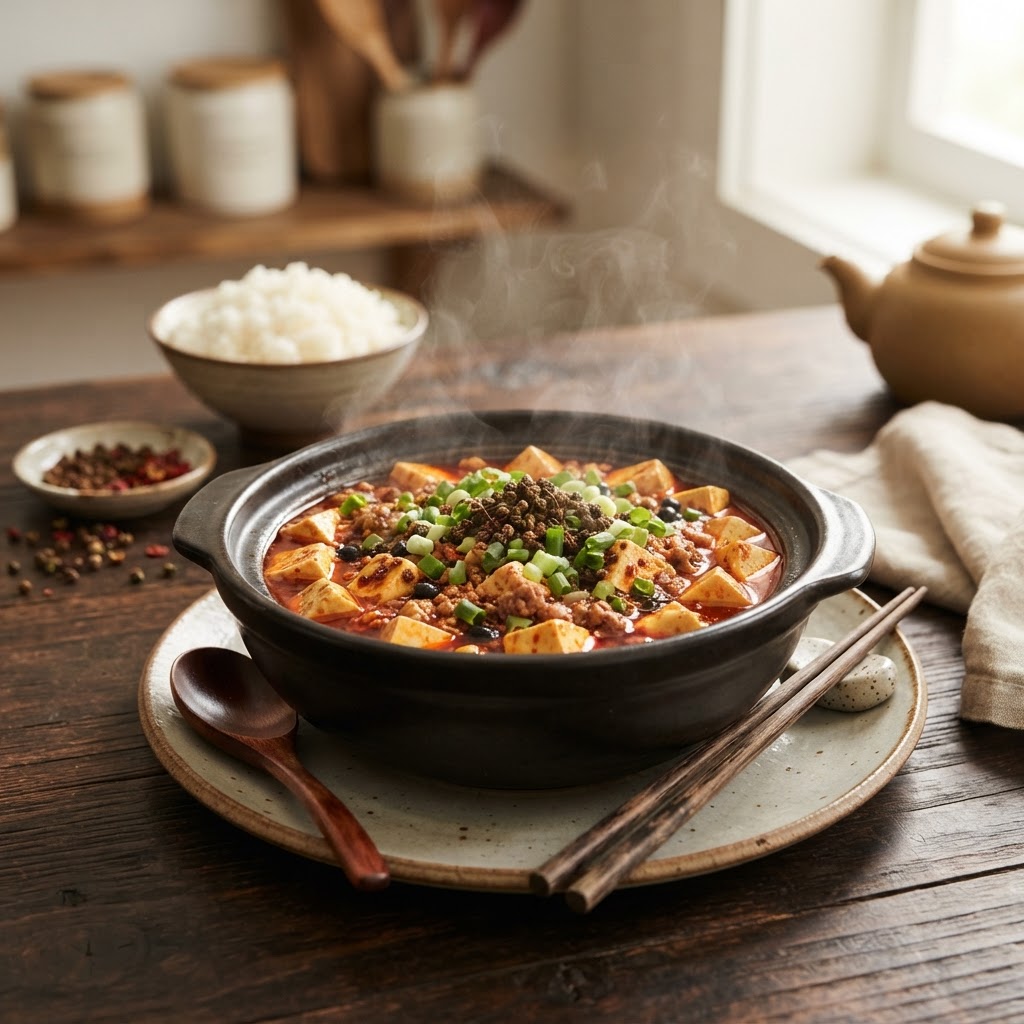
Decoding the Sichuan Kitchen: A Home Cook’s Guide to Mastering Mapo Tofu
The vibrant, numbing embrace of Sichuan cuisine is a siren call for adventurous eaters, a culinary landscape painted with bold strokes of chili and Sichuan peppercorn. At its heart lies a dish that perfectly encapsulates this thrilling duality: Mapo Tofu. More than just a simple stir-fry, Mapo Tofu is an experience, a symphony of textures and flavors that dances on the palate. The silken tofu, yielding to the slightest touch, is cradled in a rich, fiery sauce, punctuated by the electric tingle of Sichuan peppercorns and the savory depth of fermented beans. For many, it's a gateway dish into the complexities of Chinese regional cooking, a tantalizing introduction to a world of heat and aroma that goes far beyond mere spice.
For the home cook, venturing into the Sichuan kitchen can seem daunting. The exotic ingredients, the unfamiliar techniques, the sheer intensity of flavor – it can all feel a little overwhelming. Yet, the beauty of dishes like Mapo Tofu lies in their accessibility. With a little guidance and a willingness to explore, these seemingly complex flavors can be recreated right in your own kitchen, transforming a weeknight meal into an adventure. This guide is designed to demystify Mapo Tofu, breaking down each component, from selecting the perfect tofu to achieving that signature mala sensation. We'll delve into the essential pantry staples that form the foundation of this iconic dish, and explore the nuances of technique that elevate it from good to truly extraordinary.
Our journey will not be about replicating restaurant-perfect Mapo Tofu with specialized equipment or obscure ingredients, but rather about empowering you, the home cook, to create a deeply satisfying and authentic-tasting version. We’ll focus on practical tips, ingredient substitutions where necessary, and a step-by-step approach that builds confidence with every stir and sizzle. So, gather your ingredients, sharpen your knives, and prepare to unlock the secrets of the Sichuan kitchen. By the end of this post, you'll be well-equipped to whip up a batch of Mapo Tofu that will impress your family, delight your friends, and perhaps even inspire you to explore even further into the fascinating world of Sichuanese gastronomy.
The Pillars of Flavor: Essential Sichuan Pantry Staples
Embarking on the Mapo Tofu journey requires stocking a few key ingredients that are the bedrock of Sichuanese cooking. These aren't just for this dish; they'll unlock a universe of other incredible recipes. The first, and arguably most crucial, is Doubanjiang, or fermented broad bean paste. This is the soul of Mapo Tofu, providing its characteristic savory depth, a hint of spice, and a rich umami undertone. There are different varieties, but for Mapo Tofu, look for Pixian Doubanjiang, which is highly prized for its complex flavor profile and fiery red hue. It’s a fermented paste made from broad beans, chili peppers, salt, and wheat flour, and its pungent aroma is a promise of the deliciousness to come.
Next on the essential list is Sichuan Peppercorns. These aren't true peppercorns at all, but rather the dried berries of the prickly ash tree. They are responsible for the unique mala sensation – the tingling, electric numbness that tingles on your tongue and lips, a hallmark of Sichuan cuisine. Their flavor is citrusy, slightly woody, and undeniably invigorating. While you can find ground Sichuan peppercorns, it's best to buy them whole and toast them yourself before grinding for maximum aroma and potency. This simple step makes a world of difference in the final dish.
Other vital components include Fermented Black Beans (Douchi), which add another layer of pungent, salty, and slightly sweet umami. These tiny, dark beans are fermented soybeans and contribute a complexity that can't be replicated. A good quality Chili Oil is also essential, not just for adding heat but for its fragrant, infused flavor. Many Sichuanese cooks make their own, but a good store-bought variety will suffice. Finally, while not strictly a "staple" in the same way, Shaoxing Wine is a crucial element for deglazing and adding depth to the sauce, a flavor profile you'll find in many Chinese dishes. These ingredients, while seemingly specialized, are readily available at most Asian markets and many well-stocked supermarkets, and their investment will pay dividends in countless culinary adventures.
The Nuances of Doubanjiang
Choosing the right Doubanjiang can feel like navigating a minefield of red pastes. Pixian Doubanjiang is the gold standard for a reason. It's aged longer, resulting in a deeper, more complex flavor and a less harsh spiciness. You'll often see it labeled as "Pixian Doubanjiang" with characters that signify its origin. The color is a deep, rich red, indicative of the chilies used. If you can't find Pixian, a good quality generic broad bean paste will work, but be prepared for a slightly different flavor profile. Some brands are spicier than others, so consider your heat tolerance.
"Doubanjiang is the soul of Sichuan cuisine, providing a foundation of savory, spicy, and umami notes that are truly irreplaceable."
When using Doubanjiang, it’s important to fry it briefly in oil before adding other ingredients. This process, known as "blooming," releases its aromatic compounds, mellows its raw spiciness, and deepens its color. This is a critical step that separates a good Mapo Tofu from a forgettable one. Don't rush this; let the paste sizzle gently in the oil for a minute or two, stirring constantly, until the oil turns a vibrant red and the paste is fragrant. This gentle frying is key to unlocking its full potential.
The Magic of Mala: Sichuan Peppercorns
The Sichuan peppercorn is the star player in creating the signature mala experience. Its unique numbing quality, coupled with a bright, citrusy aroma, is what makes Sichuan food so captivating. Unlike black pepper, which provides a sharp, biting heat, Sichuan peppercorns offer a tingly, electric sensation that prepares your palate for the chili's fire. This creates a beautiful interplay of sensations, a dance of heat and numbness that is incredibly addictive.
To get the most out of your Sichuan peppercorns, toast them gently in a dry pan over medium-low heat until fragrant, about 2-3 minutes. Be careful not to burn them, as this will make them bitter. Once toasted, you can either grind them into a powder using a spice grinder or mortar and pestle, or add them whole to your stir-fry and remove them before serving for a more subtle infusion. For Mapo Tofu, a finely ground powder is generally preferred for even distribution throughout the sauce.
Fermented Black Beans and Chili Oil
Fermented black beans (Douchi) add another layer of profound umami. They are salty, pungent, and slightly sweet, with a distinct fermented funk that is addictive. Before adding them to your dish, it’s a good idea to rinse them briefly to remove some of their excess saltiness and then roughly chop them. This helps to break them down and distribute their flavor more effectively in the sauce. Don't be put off by their potent aroma; they mellow significantly when cooked.
Chili oil is the final piece of the flavor puzzle, adding both heat and a beautiful glossy sheen to the dish. While you can use any good quality chili oil, a Sichuan-style chili oil, often infused with star anise, cinnamon, and other aromatics, will provide the most authentic flavor. The amount of chili oil you use will depend on your personal preference for heat and the specific chili oil you have. Start with a tablespoon or two and adjust as needed. The oil itself carries a lot of the chili's flavor, so don't shy away from its richness.
The Star of the Show: Tofu Selection and Preparation
The type of tofu you choose for Mapo Tofu is paramount to achieving the correct texture. The ideal candidate is medium or firm tofu. Silken tofu, while wonderfully smooth, is too delicate and will break apart too easily during the cooking process, resulting in a mushy, unappealing texture. Extra-firm tofu can also work, but it might require a bit more effort to cut and may absorb less of the sauce. Medium or firm tofu offers the perfect balance of holding its shape while still yielding a satisfyingly tender bite that soaks up the flavorful sauce.
Once you've selected your tofu, the next step is to prepare it for cooking. This typically involves draining it and then cutting it into uniform cubes, about 1-inch in size. Some chefs recommend a blanching step to firm up the tofu further and remove any "beany" flavor. To blanch, bring a pot of water to a gentle simmer (do not boil vigorously, as this can also break down the tofu). Carefully add the tofu cubes and let them simmer for 2-3 minutes. Then, gently drain them and set aside. This step is optional but highly recommended for achieving the best texture.
Choosing Your Tofu
When shopping for tofu, look for brands that clearly label the firmness. Medium-firm is generally the sweet spot for Mapo Tofu, offering a good balance of tenderness and structural integrity. If you can only find firm, it will work perfectly well. Avoid "soft" or "silken" tofu, as these varieties are too delicate for the vigorous cooking required for this dish and will likely disintegrate into a pale, unappetizing mush. The tofu should feel relatively solid when you press it gently.
The Blanching Technique
The blanching technique is a simple yet effective way to improve the texture of your tofu. By simmering the tofu briefly in water, you are essentially cooking it slightly, which helps to firm up its internal structure. This makes it more resilient to the heat and stirring involved in stir-frying. It also helps to remove any residual raw bean flavor that some people find off-putting. Use a pot large enough to comfortably hold the tofu without overcrowding.
This simple step ensures your tofu will hold its shape beautifully within the rich, spicy sauce, providing those delightful little cubes of yielding texture.
Cutting for Consistency
Uniformity in your tofu cubes is key for even cooking and a pleasant mouthfeel. Aim for approximately 1-inch cubes. Use a sharp knife to make clean cuts. If you are blanching your tofu, it's generally best to cut it before blanching. This allows for easier handling and more consistent results. Some chefs even prefer to lightly score the tofu surface before cutting, which can help the sauce penetrate more easily, but for most home cooks, a clean cut is sufficient.
The Heart of the Dish: Building the Flavor Base
This is where the magic truly begins – the creation of the deeply savory and spicy sauce that defines Mapo Tofu. The process starts with rendering the aromatics and then building layers of flavor. A generous amount of ground pork or beef is typically used, providing a rich, meaty counterpoint to the soft tofu. The fat from the meat renders out, creating a flavorful base for frying the key Sichuan ingredients.
The order of operations is crucial here. First, you'll fry your minced pork or beef in a hot wok or skillet until it’s browned and slightly crispy. Then, you’ll push the meat to one side and fry the Doubanjiang in the rendered fat. This allows the paste to bloom and release its full flavor. Once the Doubanjiang is fragrant and its oil has turned red, you’ll add the other aromatics like garlic and ginger, followed by the fermented black beans and chili flakes. This layered approach ensures each ingredient is cooked to its optimal flavor profile.
Rendering the Meat
For the most authentic flavor, ground pork is the traditional choice for Mapo Tofu. Its fat content helps to create a rich sauce and provides a wonderful savory depth. If pork is not your preference, ground beef can be used, though it might result in a slightly less traditional flavor. Opt for a cut with around 15-20% fat for the best results.
"Don't be afraid of the fat from the pork; it's essential for carrying the flavors of the Doubanjiang and aromatics."
Blooming the Doubanjiang and Aromatics
This is a critical step for developing the complex flavor of the sauce. The heat of the pan and oil helps to "awaken" the Doubanjiang, transforming its raw pungency into a rich, savory base.
Building the Sauce
Now that the flavor base is established, it's time to build the liquid sauce. This involves adding liquids and seasonings that will create the signature Mapo Tofu gravy.
The Dance of Textures: Incorporating Tofu and Finishing Touches
With the flavorful sauce base simmering, it's time to introduce the star – the tofu. This is a delicate phase where technique is key to ensuring the tofu remains intact while absorbing the delicious sauce. After the tofu has had a chance to meld with the sauce, the final steps involve thickening the sauce to the perfect consistency and adding those essential finishing touches that make Mapo Tofu truly sing. This includes a final flourish of Sichuan peppercorn powder and a drizzle of chili oil for that signature aroma and heat.
The process involves gently adding the prepared tofu cubes to the simmering sauce. You want to avoid vigorous stirring that would break the tofu apart. Instead, use a gentle lifting and folding motion to coat the tofu evenly. Let the tofu simmer in the sauce for a few minutes to absorb the flavors. Then, you'll create a slurry of cornstarch and water to thicken the sauce to your desired consistency. The sauce should be rich and slightly glossy, clinging to the tofu.
Gently Adding the Tofu
Once your sauce is simmering and all the aromatics and seasonings are incorporated, it's time to add the prepared tofu cubes. Handle them with care to maintain their integrity.
Thickening the Sauce
A well-made Mapo Tofu has a slightly thickened, glossy sauce that clings beautifully to the tofu. This is achieved using a cornstarch slurry.
The Finishing Touches: Mala and Aroma
This is the moment of truth, where you add the final elements that elevate Mapo Tofu to its iconic status. These are not mere garnishes; they are integral to the dish's identity.
"The final sprinkle of Sichuan peppercorn powder is crucial; it's the 'mala' that awakens your palate and defines the dish."
Variations and Pro-Tips for the Home Cook
While the classic Mapo Tofu recipe is a glorious thing, the beauty of home cooking lies in its adaptability. There are numerous ways to tweak this dish to suit your preferences and the ingredients you have on hand. Whether you're looking to adjust the heat level, cater to dietary needs, or simply find more efficient ways to achieve that restaurant-quality flavor, this section is for you. We'll explore common substitutions, ways to control the spice, and some insider tips that can make your Mapo Tofu experience even more rewarding.
One common variation is vegetarian or vegan Mapo Tofu. This can be achieved by omitting the ground meat entirely or by substituting it with finely chopped mushrooms (like shiitake or king oyster) or even crumbled firm tofu. You'll want to ensure you still fry the mushrooms well to develop their flavor and texture. Another consideration is the heat level. For those who find traditional Mapo Tofu too spicy, you can reduce the amount of Doubanjiang and chili flakes, or even remove the seeds from the chili flakes before adding them. Conversely, if you crave more heat, don't be afraid to increase these ingredients.
Vegetarian and Vegan Adaptations
Creating a delicious meat-free Mapo Tofu is entirely achievable. The key is to build savory depth and texture in other ways.
Mushroom Base: Finely dice shiitake mushrooms (fresh or rehydrated dried ones) or king oyster mushrooms*. Sauté them in oil until well browned and their moisture has evaporated. This creates a meaty texture and a rich umami flavor.
Crumbled Tofu: You can use an additional half block of crumbled firm tofu* in place of the ground meat. Sauté it until it’s lightly browned and slightly crisp.
Umami Boost: To compensate for the lack of meat's natural umami, consider adding a splash of mushroom soy sauce or a teaspoon of nutritional yeast* to the sauce.
When going vegan, ensure your Doubanjiang does not contain any animal products (most standard brands are vegan-friendly, but it's always worth checking the label).
Controlling the Heat
Mapo Tofu is renowned for its spiciness, but the level of heat can be easily adjusted.
Doubanjiang: This is your primary source of heat. Reduce the amount of Doubanjiang* if you prefer less spice. Start with 1.5 to 2 tablespoons instead of the full 3.
Chili Flakes: The amount and type of dried red chili flakes can significantly impact the heat. For less heat, use fewer chili flakes or choose milder varieties. You can also remove the seeds* from the chili flakes before adding them, as most of the capsaicin (the heat compound) resides in the seeds and membranes.
Chili Oil:* Some chili oils are significantly spicier than others. Be mindful of the heat level of your chosen chili oil and adjust accordingly. You can also use a milder chili oil for cooking and then drizzle a spicier one on top for those who want extra heat.
Professional Chef Tips for Home Cooks
Wok Hei: While true "wok hei" (breath of the wok) is difficult to achieve at home without a powerful gas burner, you can get close by ensuring your wok or skillet is screaming hot* before adding ingredients. Don't overcrowd the pan; cook in batches if necessary.
Taste and Adjust: Always taste your sauce* before adding the tofu. This is your chance to adjust the saltiness, spiciness, and sweetness. Does it need more soy sauce? More chili? A pinch more sugar? Don't be afraid to tweak.
Resting Time:* Like many stews and saucy dishes, Mapo Tofu often tastes even better the next day. The flavors have more time to meld and deepen. If you have the foresight, make it a day in advance!
Sichuan Peppercorn Freshness: Grind your Sichuan peppercorns just before using them.* The aroma and flavor diminish significantly once ground and exposed to air. Store whole peppercorns in an airtight container in a cool, dark place.
Serving Your Masterpiece: Beyond the Tofu
Mapo Tofu is undeniably the star of the show, but how you serve it can elevate the entire dining experience. Traditionally, Mapo Tofu is a main course served with plain steamed white rice. The fluffy rice acts as the perfect canvas, soaking up the rich, spicy sauce and providing a cooling counterpoint to the heat. The simplicity of the rice allows the complex flavors of the tofu dish to shine without competition.
Beyond rice, consider the other components of a balanced Sichuan meal. A lightly stir-fried green vegetable can offer a refreshing contrast to the richness of the Mapo Tofu. Think gai lan (Chinese broccoli) with a touch of garlic, or simple blanched bok choy. A clear, slightly vinegary soup, like a simple egg drop soup or a hot and sour soup, can also be a welcome addition, cleansing the palate between bites of the intensely flavored tofu. The key is to complement, not overpower, the star of your culinary creation.
The Perfect Pairing: Steamed White Rice
The classic and most beloved accompaniment to Mapo Tofu is steamed white rice. Its neutral flavor and fluffy texture are ideal for sopping up every last drop of the savory, spicy sauce.
Type of Rice: Jasmine rice* is an excellent choice, offering a subtle floral aroma that pairs well with Chinese cuisine. Medium-grain white rice also works beautifully.
Cooking Method: Ensure your rice is cooked perfectly – fluffy and separate grains*. Overcooked, mushy rice will detract from the dish.
Serving:* Serve the Mapo Tofu in a generous portion over a bed of freshly steamed rice, allowing the sauce to naturally cascade down.
Complementary Dishes for a Sichuan Feast
To create a truly authentic and satisfying Sichuan dining experience, consider adding a few complementary dishes:
Stir-Fried Greens: A simple stir-fry of gai lan (Chinese broccoli), bok choy, or choy sum* with garlic offers a fresh, slightly bitter contrast.
Pickled Vegetables: A small dish of spicy pickled cucumbers or radishes* provides a crunchy, refreshing element.
Soup: A light egg drop soup or a simple clear vegetable broth* can help to balance the richness of the Mapo Tofu.
Cold Appetizers: In a more elaborate meal, a cold appetizer like Sichuan smashed cucumber salad or sesame noodles* could be served first.
The goal is to create a meal with a variety of textures and flavors that work in harmony, allowing each dish to complement the others without overwhelming the palate.
Presentation Matters
While Mapo Tofu is a rustic dish at heart, a little attention to presentation can make it even more appealing.
Garnish Wisely: A sprinkle of chopped scallions (green parts) or a few fresh cilantro leaves* adds a pop of color and freshness.
Sauce Distribution:* Ensure the tofu cubes are well-distributed within the glossy sauce, not just piled in the center.
Serving Vessel:* A shallow, wide bowl or a deep plate works well for serving Mapo Tofu, allowing the sauce to spread out and the tofu cubes to be easily seen.
Final Thoughts
Mapo Tofu is more than just a dish; it's an edible embodiment of Sichuan's culinary spirit – bold, complex, and utterly exhilarating. By demystifying its core components and techniques, we've aimed to empower you, the home cook, to confidently recreate this iconic Sichuanese classic in your own kitchen. From selecting the perfect medium-firm tofu and mastering the art of blooming Doubanjiang to understanding the essential role of Sichuan peppercorns and the delicate process of incorporating the tofu, each step has been broken down to build your confidence and skill. Remember, the beauty of home cooking lies in its adaptability. Don't be afraid to adjust the spice levels, explore vegetarian variations, or experiment with different chili oils. The fundamental principles remain the same: build layers of flavor, respect the ingredients, and cook with passion.
The journey into the Sichuan kitchen doesn't have to end with Mapo Tofu. This dish serves as a fantastic gateway, introducing you to the foundational ingredients and flavor profiles that define this vibrant cuisine. The fermented broad bean paste, the tingling Sichuan peppercorns, the pungent fermented black beans – these are the building blocks for countless other Sichuanese masterpieces. With a well-stocked pantry of these essential aromatics, you're well on your way to exploring dishes like Kung Pao Chicken, Twice-Cooked Pork, and Dan Dan Noodles. Embrace the adventure, savor the process, and most importantly, enjoy the delicious results of your culinary exploration. The bold flavors of Sichuan await, and with this guide, you're ready to answer their call. Happy cooking!


Get the Next Recipe
Weekly recipes, techniques, and gear picks — straight to your inbox.
